The Perfect Chocolate Ganache for Smoothing a Cake
Silky texture, clean edges, reliable stability, and a finish that looks like you hired a pastry chef
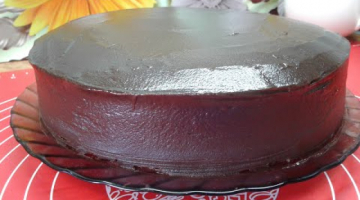
Taste is memory. And a cake with smooth, glossy sides is a promise: whatever is hiding inside will be just as good. This is why “cake smoothing ganache” has become one of those make-or-break skills for home bakers in the U.S.-especially if you love tall layer cakes, sharp edges, and a professional look without fondant.
Today I’m sharing my favorite chocolate ganache for leveling and smoothing cakes. I tested a lot of versions (cream-based, butter-heavy, different chocolate percentages), and I settled on this one because it behaves the same way every time: it spreads easily, sets predictably, and stays flexible enough that the coating doesn’t crack when you transport the cake.
It’s simple. It’s practical. It’s the kind of recipe you’ll memorize after the second time you make it.
Quick Recipe Snapshot
What it is: Chocolate ganache-style buttercream for smoothing and leveling cakes
Skill level: ★☆☆ (beginner-friendly, very forgiving)
Best for: One tall cake, 7–8 inches (18–20 cm) diameter, up to ~4 inches (10 cm) high
Active time: 15 minutes
Set time: 2–4 hours at room temp or 30–40 minutes in the fridge
Why it works: Sweetened condensed milk keeps the texture elastic, so it doesn’t turn brittle and crack in transit
Ingredients for One Full Smoothing Coat (7–8 inch cake)
You only need three ingredients, but they must be the right three.
1) Butter
-
200 g unsalted butter (82% preferred)
U.S. equivalent: 7 oz (about 14 Tbsp, since 1 Tbsp butter ≈ 14 g)
Important note for U.S. kitchens: Most American butter is 80% butterfat, and it still works. Higher-fat “European-style” butter (often labeled 82% or “European style”) gives a slightly firmer, more stable finish-especially in a warm room. Use what you can get, but don’t swap butter for margarine. This recipe depends on real butter’s structure.
2) Dark Chocolate
-
180 g dark chocolate, 55–65% cocoa
U.S. equivalent: 6.3 oz
That 55–65% window matters. Go much higher and your coating can become too firm or even slightly fragile on a cold cake. Go much lower and it may stay too soft for crisp edges.
3) Sweetened Condensed Milk (Not caramelized)
-
60 g sweetened condensed milk
U.S. equivalent: 2.1 oz, about 3 tablespoons (heaped)
In many Eastern European recipes, “raw condensed milk” means regular sweetened condensed milk-not cooked into dulce de leche and not thickened into caramel. In the U.S., just buy a standard can of sweetened condensed milk. Avoid “fat-free” versions and anything with sugar substitutes if possible.
Why These Proportions Work (A Little Practical Kitchen Science)
This ganache isn’t the classic cream-and-chocolate French ganache. This is a smoothing ganache-built for structure, not for pouring.
Butter = spreadability + stability
At typical room temperature (around 72–77°F / 22–25°C), butter is soft enough to glide under a spatula, but firm enough to stay put on the sides of a cake. That balance is the whole trick: easy application, clean finish, no sliding.
Chocolate = structure
Chocolate contains cocoa butter, and cocoa butter sets with a firm, tidy structure as it cools. That’s what gives you that “shell-like” reliability without feeling hard like candy.
The cocoa percentage controls firmness:
-
55–65%: stable, smooth, still pleasant to slice
-
70%+: can set too hard and feel less forgiving
-
below 50%: tends to stay soft and can smear during smoothing
Sweetened condensed milk = flexibility
Here’s the “secret personality” of this recipe. Condensed milk adds sweetness, yes-but more importantly it adds a small amount of moisture and milk solids that keep the coating elastic. That elasticity matters when the cake is moved, bumped, chilled, then brought back to room temperature. A coating that’s too rigid can crack. This one bends a little and forgives you.
Equipment You’ll Want (Nothing Fancy)
-
Microwave-safe bowl (glass or ceramic is ideal)
-
Silicone spatula
-
Digital scale (strongly recommended)
-
Offset spatula
-
Bench scraper or cake smoother (tall one is best for tall cakes)
-
Turntable (nice to have, but you can do without)
Step-by-Step Recipe: Chocolate Ganache for Smoothing
Step 1: Prepare the ingredients
-
Take butter out 2 hours before you start.
It should feel soft and springy when pressed-not melted, not cold. -
Break chocolate into small pieces. Smaller pieces melt faster and blend more evenly.
-
Measure the condensed milk: 60 g is your target.
Tiny but real detail: Avoid aluminum bowls if you can. Chocolate can pick up a faint metallic note, and it’s not worth it. Glass, ceramic, stainless steel-easy win.
Step 2: Melt the butter gently
Cut butter into cubes and place in a microwave-safe bowl. Heat in short bursts.
-
Start with 40–50 seconds at medium power (around 600W if your microwave lists wattage).
-
Stir.
-
If needed, add 10-second bursts until melted.
You want the butter fully liquid, but not bubbling. If it starts to bubble, it’s too hot and can throw off the texture when the chocolate goes in.
Step 3: Emulsify the chocolate into the butter
Pour the chocolate pieces straight into the hot melted butter.
-
Wait 15 seconds (this helps the chocolate begin melting evenly).
-
Stir slowly with a silicone spatula until smooth.
-
If you still see shiny “islands” of unmelted chocolate, microwave 15–20 seconds, then stir again.
Your goal: a perfectly smooth, glossy mixture-no lumps, no graininess, no streaks.
Step 4: Add the sweetened condensed milk
Now the magic shift happens.
Pour the condensed milk in a thin stream while stirring continuously. The mixture will look thicker and more cohesive almost immediately-like it “tightens” into a flexible cream.
Stir for one full minute. Don’t rush this. The shine and smoothness you build here is the shine and smoothness you’ll see on your cake later.
Step 5: Rest and set (the part people skip, then regret)
Cover the bowl with plastic wrap pressed directly onto the surface (this prevents crusting).
Now choose your path:
Option A: Room temperature set (best texture)
-
Leave it 2–4 hours at room temp.
-
If your kitchen is warm, check sooner.
Option B: Quick chill (when you’re short on time)
-
Refrigerate 30–40 minutes, checking every 10 minutes.
-
The moment it reaches “thick sour cream” consistency, stop chilling and use it.
If it gets too firm in the fridge, it will be harder to smooth. Not ruined-just a little extra work to bring it back.
Step 6: Test readiness
This is the real test, not the clock.
-
Drag a spatula through the ganache.
If the line holds for 3–4 seconds and then slowly relaxes, you’re ready. -
Scoop a spoonful and tilt it.
It should slide slowly, not pour.
Think: soft butter, thick frosting, calm and steady.
How to Smooth a Cake Like a Pro (No Fondant Needed)
1) Start with a crumb coat
Put your cake on a turntable (or a plate you can rotate). Apply a thin layer of ganache over the whole cake-just enough to trap crumbs.
Chill the cake 10 minutes until the surface feels set.
2) Apply the main coat
Now add the thicker smoothing layer.
-
Add ganache to the sides first.
-
Rotate the cake and hold your offset spatula at about a 60° angle.
-
Don’t chase perfection on the first pass. Just build an even layer.
3) Scrape for smooth sides
Use a tall bench scraper.
-
Hold it steady.
-
Rotate the cake smoothly and continuously.
-
Remove excess ganache as you go.
If you see low spots or holes: add a little ganache there, then scrape again. This is normal. This is the work.
4) Create clean top edges
Once the sides are smooth, you’ll probably have a slight “lip” of ganache at the top rim.
-
Use the offset spatula and pull the ganache inward toward the center.
-
Rotate and repeat until the top edge looks sharp.
5) Final chill before decorating
Chill the finished cake 15 minutes before adding decorations.
This coating supports:
-
drip (when applied correctly)
-
piped borders
-
chocolate shards
-
buttercream flowers
-
textured comb patterns
-
even a smooth minimalist finish with a single topper
Common Mistakes and Fast Fixes
Problem: The ganache separates or looks oily
Why it happens: The mixture was too hot, or the condensed milk was added too quickly.
Fix: Let it cool slightly, then mix on low speed with a hand mixer for 30–60 seconds until it comes back together. Slow, gentle mixing is your friend.
Problem: It’s rock-hard and won’t spread
Why it happens: Over-chilled or left too long in a cold room.
Fix: Microwave 5–7 seconds, stir, repeat if needed. Don’t blast it-tiny increments only.
Problem: The finish looks dull and slightly chipped
Why it happens: Chocolate too low in cocoa solids, or butter quality was too low (or margarine was used).
Fix: Use 55–65% chocolate and real butter next time. For today, a very thin “polish coat” can help: warm the spatula under hot water, dry it completely, and smooth lightly.
Problem: The ganache drags crumbs and looks messy
Why it happens: You skipped the crumb coat or didn’t chill it enough.
Fix: Stop. Chill the cake 10–15 minutes, then continue. Fighting warm crumbs never ends well.
Flavor Variations (Same Technique, Different Personality)
These are not required, but they’re useful when you want the coating to match the cake inside.
White Chocolate Pistachio-Style Finish
-
Replace dark chocolate with white chocolate (increase chocolate slightly because white chocolate is softer).
-
Add pistachio paste for flavor.
This pairs beautifully with berry cakes, lemon layers, and vanilla sponge. The flavor reads “bakery” instantly.
Caramel-Forward Ganache (For drip cakes and salted notes)
-
Swap a portion of chocolate for thick caramel (not runny sauce).
-
Add a pinch of flaky salt.
Caramel + chocolate + salt is a grown-up profile that feels expensive even on a simple cake.
Storage and Transport (Real Life Rules)
Storage
-
In the fridge (airtight): up to 10 days
-
In the freezer: up to 3 months
To use from frozen: thaw overnight in the fridge, then bring to room temp for about an hour. Stir well before applying.
Transport
This ganache is built for movement.
-
It holds well at cool room temperature for a few hours.
-
For a warm day, chill the cake well before leaving, keep it shaded, and avoid letting it sit in a hot car.
-
Condensation happens when a cold cake meets warm humid air-so if you can, let the cake “temper” gradually.
If you want a cake that travels cleanly to a birthday, a school event, or a friend’s house-this coating is a reliable choice.
What Cakes Pair Best with Chocolate Smoothing Ganache?
-
Chocolate sponge or devil’s food cake: deep cocoa on cocoa, rich and classic
-
Cherry, raspberry, or sour cherry layers: fruit acidity makes chocolate taste darker and more complex
-
Orange or citrus sponge: bright and bold, like a bakery chocolate-orange combo
-
Honey cake layers: honey warmth + chocolate depth = serious “holiday cake” energy
-
Almond or gluten-free layers: ganache helps bind delicate crumbs and keeps slices neat
A Short Story: How Ganache Became a Classic
The word ganache is often tied to an old French kitchen story: an apprentice spills hot cream into chocolate, the chef snaps an insult, and then-annoyingly for the chef-the accident tastes amazing. Whether the legend is perfectly true or not, it fits the personality of ganache: something that looks almost too simple to be special, until you taste it.
This version is adapted for a modern purpose: smoothing and leveling cakes. Instead of cream, we use butter for structure. Instead of sugar, we use sweetened condensed milk for both sweetness and flexibility. The goal isn’t pourable sauce. The goal is a stable, silky jacket for your cake.
FAQ
Can I replace butter with vegetable oil?
No. Oil won’t set the way butter does, and you’ll lose the stable structure that makes this recipe good for sharp edges and clean sides.
Can I use milk chocolate?
You can, but it will be softer and sweeter. If you try it, reduce the condensed milk slightly and expect a longer chill time. For predictable results, stick to dark chocolate in the 55–65% range.
Can I use white chocolate?
Yes, but white chocolate is softer. You’ll typically need more chocolate to get the same firmness, and you’ll want to watch the setting stage closely.
What if my cake layers are very moist?
Use a thinner coating at first, chill it, and then add the main layer. Ganache creates a barrier, but it still needs a stable, chilled base to behave beautifully.
Do I need a mixer?
Not necessarily. A spatula works. A mixer is only useful if something separates and you need to bring it back into an emulsion.
A Practical Checklist for a Perfect Finish
-
Bake your layers and let them cool completely.
-
If possible, let the layers rest several hours (crumbs become tighter and easier to work with).
-
Level and stack the cake.
-
Apply a thin crumb coat and chill 10 minutes.
-
Apply the main coat (aim for an even thickness).
-
Scrape smooth, fill holes, scrape again.
-
Sharpen the top edge by pulling inward.
-
Chill 15 minutes before decorating.
Final Thoughts: Why You’ll Come Back to This Recipe
This chocolate ganache for smoothing has three qualities that make it worth keeping in your “forever” recipe list: it’s delicious, it’s simple, and it’s reliable. No exotic ingredients. No complicated techniques. Just good chocolate, real butter, and sweetened condensed milk-working together like they were meant to.
And once you get that first clean, smooth side? You’ll know the feeling. It’s not just a cake looking better. It’s you getting better. Quietly, practically, for real.