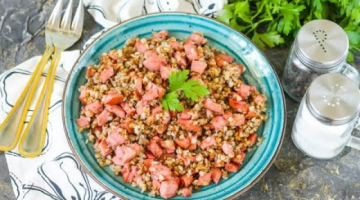
A cozy, fast dinner with crisp-edged sausage and tender, steamy buckwheat-localized for a U.S. kitchen.
Buckwheat with sausage looks like the kind of “nothing special” meal you throw together on a tired weeknight. And honestly-that’s exactly why it deserves a better reputation. Because when you cook it with a little intention, this humble pairing changes character: the buckwheat turns moist and almost creamy around the edges (not dry, not dusty), while the sausage stays in neat, browned cubes instead of collapsing into bland crumbs.
If you’ve grown up with buckwheat, you already know the smell: warm, nutty, comforting. If you haven’t, think of it as the earthier cousin of brown rice-faster, toastier, and surprisingly satisfying. In many U.S. grocery stores it’s labeled buckwheat groats or kasha (often pre-toasted). This recipe works with both, and I’ll show you how to adjust so you get the exact texture you want.
This isn’t “fancy.” It’s something better: reliable, filling, and quietly addictive-the kind of meal that disappears from the skillet faster than you expected.
Why This Buckwheat-and-Sausage Combo Works
The whole dish stands on three simple pillars:
-
The right water ratio so the buckwheat cooks through but stays juicy.
-
A short resting step that finishes the grain gently with steam (this is where tenderness happens).
-
Fast browning for the sausage-just enough time for a crust, not enough time to dry out.
Do those three things and you get a bowl that tastes like comfort food, not cafeteria food.
Quick Snapshot
-
Total time: about 25 minutes
-
Equipment: a pot (or small Dutch oven) + a skillet
-
Difficulty: easy, but rewards attention
-
Good to know: leftovers keep well, and the flavor often improves overnight (if you store and reheat it correctly).
What Is Buckwheat, Exactly?
Despite the word “wheat,” buckwheat isn’t wheat. It’s a seed used like a grain (a “pseudograin”), and pure buckwheat is naturally gluten-free-great for people avoiding gluten, with one caveat: cross-contact can happen during processing, so check packaging if gluten-free is medically important in your household.
Buckwheat is also known for plant compounds called flavonoids, including rutin (and related compounds such as quercetin), which is one reason buckwheat is researched so often in nutrition science.
And from a purely practical point of view: buckwheat is a weeknight hero. It cooks faster than many grains, has a built-in toasted flavor, and pairs effortlessly with salty, savory things-like sausage.
Ingredients
This makes about 3–4 servings (depending on appetite and what else is on the table).
Main Ingredients
-
Buckwheat groats (kasha), dry: 200 g (about 1¼ cups)
-
Warm water: 400 ml (about 1⅔ cups)
-
Cooked sausage: 300 g (about 10–11 oz), diced
-
Salt: about ¾ teaspoon, or to taste
-
Neutral oil: 1 tablespoon (avocado, canola, grapeseed)
Optional (but honestly excellent)
-
Butter: 1–2 tablespoons, added at the end for aroma and softness
Choosing the Sausage (U.S. Grocery Reality)
The original idea uses a mild, cooked “bologna-style” sausage. In the U.S., good options are:
-
Bologna (higher quality), thick-sliced and diced
-
Polish kielbasa (fully cooked), for a smokier version
-
Turkey sausage (cooked), if you want something lighter
-
Hot dog franks in a pinch (not elegant, but it works)
The key is pre-cooked sausage, because we want browning, not long simmering.
The Golden Ratio for Juicy Buckwheat
Use 1 part buckwheat to 2 parts water by volume (or close to it). This keeps the grain tender and moist without becoming soupy. If your buckwheat is very dry or you like it softer, you can add a splash more water later-but start with the ratio and trust the steam rest.
Step-by-Step Recipe
Step 1: Prep the Buckwheat
-
Sort it quickly. Buckwheat is usually clean, but a fast look never hurts.
-
Rinse under cool water until it runs mostly clear.
-
Drain well in a fine-mesh sieve and let it sit a minute.
This draining step matters more than people think. Too much surface water can make buckwheat cook unevenly and lose that pleasant, separate texture.
Step 2: Cook the Buckwheat Until Tender (Then Steam-Rest)
-
Add drained buckwheat to a small pot or Dutch oven.
-
Pour in warm water and add salt.
-
Bring to a gentle boil, then reduce to medium-low.
-
Cook 15–20 minutes until the water is absorbed and the grains are tender.
-
Remove from heat, cover, and let it rest 5 minutes.
That 5-minute rest is not decoration. It’s the difference between “fine” and “why is this so good?”
Optional butter move: Stir in butter right before the rest, cover, and let it melt into the grain.
Step 3: Brown the Sausage Fast (90 Seconds Per Side)
-
Dice sausage into ½-inch cubes (about 1×1 cm).
-
Heat a skillet over medium until it feels properly hot.
-
Add 1 tablespoon oil.
-
Add sausage in a single layer and let it brown 45–60 seconds, then flip and brown another 45–60 seconds.
You’re not “cooking” the sausage. You’re giving it a crust. That crust is flavor.
Step 4: Combine and Warm Through
-
Add the steamed buckwheat to the skillet with the browned sausage.
-
Fold gently with a spatula so the sausage stays intact.
-
Warm everything together 1–2 minutes.
Serve immediately. This dish is best when the sausage is still crisp-edged and the buckwheat is hot and fragrant.
What It Tastes Like
Buckwheat has a warm, nutty aroma-almost like toasted hazelnut meets whole grain bread. Sausage brings salt, fat, and that familiar comfort-food savoriness. When you combine them, you get contrast: tender grains + browned edges, soft + crisp, mellow + savory.
It’s the kind of food that doesn’t shout, but somehow gets quiet respect from everyone at the table.
Nutrition Notes (Realistic, Not Moralizing)
Cooked buckwheat is relatively moderate in calories-about 155 calories per cooked cup (168 g), depending on exact product and cooking method.
Sausage varies wildly by brand and type, which is why any exact calorie math is always an estimate. If you choose a leaner turkey sausage, the dish gets lighter. If you choose kielbasa, it gets richer. That’s not “good” or “bad”-it’s just the dial you control.
Small Tricks That Make a Big Difference
Salt Timing Trick
Try under-salting the cooking water slightly, then adjust salt when you combine with sausage. Sausage is salty, and finishing salt at the end often tastes more “alive” than salting aggressively at the start.
Keep Sausage From Falling Apart
-
Make sure the skillet is hot before sausage goes in.
-
Don’t stir immediately-give it time to brown.
-
Dice into clean cubes, not thin slices.
Want Extra Aroma Without Extra Work?
Add one of these in the last minute of skillet-warming:
-
a pinch of garlic powder
-
a pinch of smoked paprika
-
a pinch of dried thyme
Just a pinch. This dish doesn’t need a spice cabinet audition.
Butter Upgrade
If you love “cozy” flavors, finish with a small pat of butter right before serving. It rounds everything out and makes the buckwheat feel silkier.
Variations (Same Idea, Different Mood)
1) Kid-Friendly, Gentle Version
-
Use mild turkey bologna or a gentle deli-style sausage
-
Brown with minimal oil
Result: softer, milder, very approachable.
2) Mushroom Boost (More Depth, Same Comfort)
-
Add 1 cup sliced mushrooms to the skillet before the sausage
-
Sauté 4–5 minutes until browned, then add sausage
Result: deeper “savory” flavor and a more dinner-like feel.
3) “Pantry Italian” Accent (Without Making It Weird)
-
Add a pinch of garlic powder + dried tomato flakes (or a spoon of tomato paste warmed in the skillet)
Result: slightly sweeter aroma and a warmer, tomato-leaning savory edge.
4) Creamy, Holiday-Lite Version
-
Stir in 1–2 tablespoons heavy cream at the very end
-
Add a tiny pinch of nutmeg
Result: richer, softer, almost casserole-like comfort.
How to Serve It (U.S.-Style Pairings That Make Sense)
This bowl is already hearty, so pair it with something crisp or acidic:
-
a simple cucumber salad with vinegar
-
quick-pickled onions
-
a pile of arugula with lemon and olive oil
-
roasted broccoli or green beans
You don’t need much. One fresh side makes the whole meal feel complete.
Storage and Reheating
Good news: buckwheat and sausage reheats beautifully if you treat it right.
How Long It Keeps
Refrigerate leftovers in a sealed container and use within 3–4 days for best safety and quality.
Best Reheating Method (So It Doesn’t Dry Out)
-
Add 1–2 tablespoons water or broth to the container or skillet
-
Reheat covered (microwave lid or skillet lid)
-
Stir once halfway through
The goal is steam. Steam brings back tenderness without turning everything mushy.
Troubleshooting (Fixes That Actually Work)
“My Buckwheat Burned on the Bottom”
Don’t stir it up and spread burnt flavor everywhere.
-
Remove from heat
-
Scoop the top layer into a clean pot
-
Add a couple tablespoons hot water, cover, and rest 5 minutes
Next time: lower heat and don’t rush the absorption stage.
“My Buckwheat Is Dry and Crumbly”
Two common causes: too little water or skipping the rest.
Fix: add a splash of hot water, cover, and let it sit 3–5 minutes. It often recovers.
“My Sausage Split and Spat Grease Everywhere”
That happens when the pan is too hot or the sausage is very fatty.
Use medium heat and don’t let oil smoke. Brown quickly, then stop.
“Can I Use Buckwheat Flakes Instead?”
You can, but it becomes a different dish-more porridge-like. If you do:
-
cook much shorter (often about 5 minutes; follow package guidance)
-
go lighter on added fats
Expect creamier texture, less “grain.”
Frequently Asked Questions
Is buckwheat the same as wheat?
No. Buckwheat is not related to wheat, and pure buckwheat is naturally gluten-free, though cross-contact is possible depending on processing.
Can I make it ahead for meal prep?
Yes-this is one of those rare grain dishes that stays pleasant after chilling. Store in portions, reheat with a splash of water, and keep it within the usual safe window for leftovers.
What’s the best buckwheat to buy in the U.S.?
Look for kasha (often toasted) if you want deeper flavor. Untoasted buckwheat groats are milder. Both work-just don’t overcook.
Can I add vegetables without ruining the texture?
Yes, but keep it simple. Mushrooms, onions, bell peppers, and spinach all work. Cook vegetables first, then brown the sausage, then combine with buckwheat.
Final Take: A 25-Minute Dinner With Zero Compromises
This is the kind of recipe that saves real evenings-not fantasy evenings where you have time to braise something for three hours. You get a warm, filling meal from a short ingredient list, and the technique is so simple you’ll memorize it after one cook:
-
1:2 grain-to-water ratio
-
steam-rest the buckwheat
-
brown the sausage fast
-
combine briefly and serve hot
Make it once and you’ll understand why people keep coming back to it. It’s not flashy. It’s dependable. And somehow, it tastes like you did more than you actually did.