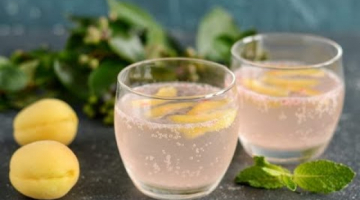
Non-Alcoholic Kruschon (Sparkling Summer Fruit Punch) - A Party-Worthy Mocktail That Tastes Like Sunshine
I don’t drink alcohol, but I do love a truly good fizzy drink-the kind that feels celebratory the second you pour it into a cold glass. That’s why today I’m sharing my favorite non-alcoholic kruschon: a sparkling fruit punch with strawberries, apricots, lemon, and pineapple that wins people over fast. One sip and you get it-fresh, bright, gently sweet, and “special” without trying too hard.
This is the kind of drink you put on the table at a family gathering and everyone keeps refilling “just a little more.” It also happens to be perfect for drivers, teens, pregnant guests, and anyone who simply doesn’t want alcohol in their glass.
TL;DR
Kruschon is a classic fruit-and-bubbles punch traditionally made with wine. This version is 100% alcohol-free, made with sparkling water, fresh fruit, and a small amount of pineapple syrup for body and balance. The secret is a quick fruit maceration (resting fruit with sugar) so the flavors taste layered and “restaurant-level.” Active time: 15 minutes, plus chilling.
What Is “Kruschon,” Exactly?
If you grew up associating fruit punch with sangria, you’re not wrong to connect the dots. A big bowl, fruit floating around, ice clinking, and a bright, summery vibe-these drinks live in the same family.
But kruschon has its own story. It comes from European punch traditions, where fruit was “crushed” or cut up, then mixed with something sparkling, chilled hard, and served in a big shared vessel. Historically that “something sparkling” was often white wine or champagne. Over time, different countries adapted it, changed the fruits, adjusted sweetness, and made it their own.
Today, non-alcoholic versions are having a deserved comeback. Not because they’re a compromise-because they’re genuinely good. When you build the flavor properly (and I’ll show you how), you don’t miss the alcohol. You get pure fruit, cold sparkle, and that clean, refreshing finish you want in a warm season drink.
Why You’ll Want This Recipe in Your Regular Rotation
Sparkle without the “kick”
Sparkling water gives you that crisp, celebratory fizz-without alcohol heaviness.
Everyday ingredients, no specialty syrups
Fresh strawberries, ripe apricots, lemon, canned pineapple, and a little of the pineapple syrup you already have.
Fast prep, big payoff
You’ll spend about 15 minutes cutting fruit. The fridge does the rest.
Easy to customize
Swap fruit based on season and budget. This recipe is forgiving and flexible.
You actually eat the fruit later
The fruit stays mostly intact, so it’s not just flavor-it’s a snack at the bottom of the glass.
Ingredients (US-Friendly Measurements)
Yield: about 4 servings (roughly 12 fl oz / 350 ml each)
Total volume: about 1.5 liters (about 6 ⅓ cups)
What you’ll need
-
Sparkling water - 1.5 liters (about 6 ⅓ cups or 51 fl oz)
-
Fresh strawberries - 150 g (about 1 to 1 ½ cups, sliced)
-
Apricots - 4 to 6, ripe but firm
-
Canned pineapple - 100 to 150 g (about ⅔ to 1 cup chunks)
-
Pineapple syrup (from the can) - 50 ml (about 3 Tbsp + 1 tsp)
-
Sugar - 1 to 2 Tbsp (to taste)
-
Lemon - ½, sliced thin
-
Ice - for serving
-
Optional garnish: fresh mint
Ingredient “Jobs” (Why Each One Matters)
Sparkling water
This is the stage. Everything else performs on it. Use plain sparkling water first; add flavored bubbles only after you’ve tried the classic.
Strawberries
They bring aroma and color. Strawberries can make a drink smell sweeter than it actually is-one of the simplest “cheats” in drinks.
Apricots
Apricots give a gentle, sunny sweetness with a soft tart edge. They also hold their shape better than some peaches when sliced.
Pineapple
Pineapple adds a tropical backbone and natural sweetness that makes the drink taste “round,” not sharp.
Pineapple syrup
This is small but powerful: it smooths the lemon’s bite and ties fruit flavors together like a quiet mediator.
Sugar
Not to make it “sugary”-to help fruit release juice and to make the flavors taste connected instead of separate.
Lemon
Lemon is the brightness switch. Without it, fruit punch can taste flat or cloying. With it, everything lifts.
Shopping Tips That Actually Matter
Strawberries
Smaller berries often have stronger aroma. If strawberries are out of season, frozen works-just thaw in the fridge and drain extra juice so your punch doesn’t get watery.
Apricots
Choose apricots that smell fragrant and feel slightly soft, but still firm enough to slice neatly. Too soft and they’ll collapse into a smoothie vibe.
Canned pineapple
Pineapple rings are easiest to cut into tidy cubes. Make sure the syrup smells clean and looks clear (not cloudy).
Sparkling water
Chill it thoroughly. Warm bubbles are sad bubbles. Cold bubbles stay lively longer.
Sugar
White sugar keeps the fruit flavors bright. Turbinado or light brown sugar adds a faint caramel note (good, but different).
Equipment
-
A cutting board + sharp knife
-
A large bowl (glass is ideal)
-
A 2-quart / 2-liter pitcher (minimum)
-
A spoon or spatula
-
Tall glasses or stemless wine glasses
Optional but fun:
-
A large punch bowl
-
Ice cube trays for “fruit ice”
Step-by-Step Recipe (Active Time: 15 Minutes)
Step 1: Prep the fruit
-
Strawberries: rinse, hull, then mash lightly with a fork.
You’re not making puree-think “rustic crush” with pieces left. -
Apricots: rinse, dry, pit, then slice each apricot into 6 to 8 wedges.
Keep pieces fairly chunky (about ½-inch thick). -
Lemon: rinse well (hot water helps remove surface wax). Slice into thin half-moons or quarter-moons.
-
Pineapple: drain and cut into ½-inch cubes.
Pour 50 ml (about 3 Tbsp + 1 tsp) of syrup into a small cup-save it.
Step 2: Maceration (the “fancy bar” secret)
Add strawberries, apricots, pineapple, and lemon to a bowl. Sprinkle in 1 to 2 tablespoons sugar and mix gently.
Cover and refrigerate at least 1 hour.
Why this matters:
Sugar draws juice from fruit, making a naturally flavored syrup. The fruit also absorbs each other’s aroma while chilling. This is the difference between “fruit floating in soda” and “wow, what is in this?”
Step 3: Build the punch
Transfer the chilled fruit mixture (and all its juices) into a large pitcher.
Pour in the pineapple syrup.
Now add very cold sparkling water slowly down the side of the pitcher.
Don’t stir aggressively. Instead, swirl the pitcher with a gentle circular motion.
Step 4: Serve it right
Pour into chilled glasses over ice. Add a few fruit pieces to each glass on purpose-don’t be shy.
Garnish with a lemon slice and mint if you like.
Best serving temperature: very cold-around “straight from the fridge” cold.
How to Make It Look Like a “Wow” Drink in 5 Minutes
Fruit ice cubes
Freeze water with strawberry pieces or a thin lemon slice in each cube. As the ice melts, it looks gorgeous and keeps flavor going.
Sugar rim (simple, not fussy)
Brush the rim of a glass with a bit of pineapple syrup, then dip in sugar. You get a light crunch and instant “party drink” energy.
Skewers
Thread pineapple + strawberry + apricot on small picks. People love edible garnish because it feels playful.
A chilled pitcher trick
If your kitchen is warm, set the pitcher into a large bowl filled with ice to keep it crisp while serving.
A Little Food Science (The Useful Kind)
Why maceration makes it taste “expensive”
Fruit aromas are mostly volatile compounds-meaning they lift into the air easily. When fruit sits with sugar, it releases juice, which becomes a flavor carrier. You’re basically building a fruit “base” that stays strong even after adding sparkling water.
Why cold matters so much
Carbonation holds better in cold liquid. Warm sparkling water loses fizz fast, and the drink goes flat before you’ve even finished serving.
Why lemon is non-negotiable
Acid makes fruit taste brighter and sweeter without adding more sugar. That’s why a tiny squeeze of citrus can rescue a drink that tastes dull.
Nutrition Notes (Realistic, No Drama)
This punch isn’t a “diet product,” but it’s also not a neon-sweet soda. You control the sugar, and most sweetness comes from fruit and a small amount of pineapple syrup.
Strawberries are known for vitamin C and antioxidant compounds. Apricots contribute carotenoids (the pigments that often support that orange-gold color). Pineapple contains naturally occurring enzymes often discussed in food science. Lemon helps with balance and provides acidity that keeps the drink refreshing.
If you want it lighter: use less sugar, add more lemon, and choose sparkling water with a very clean taste.
Variations (Same Method, Different Mood)
1) Kid-Friendly “Candy Party” Style
-
Swap apricots for bananas (slice thick, add right before serving)
-
Use caffeine-free ginger-flavored soda or a lightly sweetened sparkling drink
-
Garnish with fruit skewers
Result: sweet, fun, dessert-like.
2) “Post-Workout” Hydration Style
-
Let sparkling water go partially flat (open it and let it sit 10–15 minutes)
-
Add a tiny pinch of sea salt
-
Replace sugar with 1 to 2 teaspoons honey (or skip sweetener entirely)
Result: refreshing, lightly mineral, less sweet.
3) “Eastern Garden” Twist
-
Replace strawberries with figs
-
Replace pineapple with mango
-
Add a few drops of rose water (very little-this can overpower fast)
Result: floral, perfumed, special-occasion vibes.
4) Holiday Mock-Sangria Energy
-
Use 1 liter sparkling water + 2 cups pomegranate juice
-
Add orange slices + apple chunks + cinnamon stick
-
Keep the maceration step
Result: deeper color, bolder flavor, still alcohol-free.
Common Mistakes (And How to Fix Them)
Mistake: Using room-temp sparkling water
What happens: fizz dies quickly, drink tastes flat
Fix: chill the sparkling water well (and chill glasses too)
Mistake: Stirring hard after adding bubbles
What happens: you “beat out” the carbonation
Fix: swirl the pitcher gently instead of stirring
Mistake: Cutting fruit too small
What happens: fruit breaks down, drink turns cloudy
Fix: keep apricot wedges thick and pineapple cubes medium
Mistake: Letting it sit too long
What happens: fruit texture fades, bubbles disappear
Fix: macerate ahead, but add sparkling water close to serving time
Make-Ahead Plan (So You’re Not Stuck in the Kitchen)
Up to 24 hours ahead
-
Cut fruit
-
Mix with sugar
-
Refrigerate in a covered container
Right before serving (best within 10–20 minutes)
-
Transfer fruit + juices to pitcher
-
Add pineapple syrup
-
Add sparkling water
-
Serve immediately
If you need to keep it out for a while: keep the pitcher nested in ice.
FAQ
How long does it keep?
In the fridge, it’s best within 4 hours. After that, fizz drops and fruit softens.
Can I use flavored sparkling water?
Yes-citrus flavors are the safest. Avoid cola-style flavors or intense berry flavors that overpower fresh fruit.
What can I use instead of sugar?
-
Honey works (it adds a warm note)
-
Erythritol or stevia can work, but start small because sweetness perception differs
-
Or skip sweetener and rely on ripe fruit + pineapple syrup
What do I do with leftover fruit?
Blend it into a quick smoothie base, or freeze it into ice cubes for your next batch.
Can I carbonate it with a home soda system?
Yes, but keep fruit separated (use fruit base in the pitcher, carbonate water separately) so nothing clogs and you keep full fizz.
Estimated Nutrition (Per 100 ml / about ⅓ cup)
These numbers depend heavily on fruit ripeness and how much sugar you add, but a typical version is lightly sweet, not soda-level sweet.
Expect roughly:
-
Calories: around 30–45
-
Carbs: mostly from fruit sugars, plus whatever sweetener you add
If you want exact numbers, you’d need to calculate based on your specific fruit weights and sugar amount.
Final Thoughts: Why You Should Make This Soon
This drink is fast, flexible, and genuinely refreshing. It feels like a party drink without needing alcohol to “justify” it. And the moment you taste that cold sparkle with strawberry aroma, apricot softness, pineapple warmth, and lemon brightness-it clicks.
Try it at your next family dinner, weekend brunch, or casual get-together. Don’t announce it as “non-alcoholic” like it’s a warning label. Just pour it confidently and watch how quickly the pitcher empties.