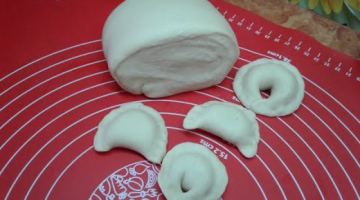
The “Dough Chameleon” That Makes Tender, Strong Wrappers for Pelmeni, Varenyky, and Everything In Between
There’s a small kind of kitchen magic that shows up in a pot of boiling water-quiet, familiar, and oddly comforting. You lift the lid, steam rushes up, and suddenly the surface starts to bob with plump dumplings, as if they’ve been holding their breath and finally decided to laugh. A second later they’re floating confidently, glossy and warm, like they know they’re about to make someone’s day better.
In Eastern European homes, that moment is practically a ritual. Some people swear by dumplings for holidays. Others cook them on random Tuesdays because life is loud and dumplings are a way to make it softer. Pelmeni feel like hardworking weekday food-simple, reliable, a pot you can keep feeding people from. Varenyky (pierogi, if you’re used to that name) lean more festive, more playful, especially when there’s fruit inside and a sweet topping waiting.
But here’s the twist: both of these dishes begin with the same chapter. The wrapper. The dough. The part that looks boring on paper-flour, water, salt-yet decides whether you’ll end up with tender bites or a sad bowl of torn seams and leaking filling.
Today we’re making a hot-water, “choux-style” dumpling dough: flour plus boiling water plus a little oil and salt. It’s unbelievably forgiving. It rolls thin without snapping back. It stretches just enough to seal cleanly. It doesn’t turn rubbery the way some unleavened doughs can when you knead them too long. And if you freeze dumplings for later (as you should), this dough holds up like a champ.
I’ll walk you through it slowly and clearly, with the little details that matter: how the dough should feel, why rest time isn’t optional, how to roll it without fighting it, and how to cook dumplings so they stay intact and juicy.
Pick a filling you love. Or pick five. This dough doesn’t judge.
Why This Hot Water Dough Works So Well
This method is sometimes described as “scalded flour” or “hot water dough,” and it has one big advantage: boiling water changes the flour right away.
When you pour truly hot water into flour, two useful things happen:
First, some of the gluten proteins get partially set early. Not fully cooked, not destroyed-just calmed down. That means the dough is less likely to become overly elastic and tough. Instead of snapping back like a rubber band, it becomes cooperative.
Second, the starch in the flour starts to hydrate and swell quickly. That creates a smoother, silkier texture and helps the dough roll out thin without tearing.
In normal “cold water” dough, you often have to choose between strength and tenderness. With hot water dough, you get a better balance: tender bite, solid seams, fewer blowouts in the pot.
And because oil is included, the dough stays more supple. The oil coats parts of the gluten network, helping prevent that chewy, “too bready” texture that can happen when you knead aggressively.
Ingredients for the Dough
Classic Dough Formula
This is the exact base, just written in a way that’s easy for a U.S. kitchen.
-
All-purpose flour: about 500 g (roughly 4 cups, spooned and leveled)
-
Boiling water: 300 ml (about 1 1/4 cups)
-
Salt: a generous pinch (about 1/2 teaspoon, adjust to taste)
-
Neutral oil: 4 tablespoons (vegetable oil, sunflower oil, grapeseed oil, canola)
A quick note about measuring flour
If you can, weigh it. Flour is famously moody: one cup can mean very different amounts depending on how you scoop. If you’re using cups, don’t pack the flour. Spoon it in, level the top, and keep a little extra nearby for dusting.
What kind of oil is best?
For meat fillings, a neutral oil keeps the dough “quiet” and clean-tasting. For vegetable or sweet fillings, you can still use neutral oil, but you can play with a mild aromatic oil if you like (just don’t go too strong, because dough absorbs flavors more than people expect).
Step-by-Step: How to Make Choux-Style Dumpling Dough
This dough comes together fast, but it rewards a calm pace. Don’t rush the rest time. Don’t panic when it looks rough at first. It’s supposed to.
Step 1: Prep your station
Set out:
-
a large mixing bowl
-
a fork or sturdy spoon
-
a kitchen towel or plastic wrap
-
flour for dusting
Bring your water to a full boil. Not “hot.” Not “steaming.” You want it genuinely boiling.
Step 2: Mix salt into the boiling water
Stir the salt into the boiling water. This helps the salt distribute evenly so you don’t get random salty spots later.
Step 3: Make a well in the flour and add oil first
Put the flour in the bowl. Make a crater in the center. Pour in the oil.
Now stir the flour and oil together briefly with a fork. You’re not making a paste-you’re coating some of the flour so the final dough feels more silky and less stiff.
Step 4: Pour in the boiling water slowly, stirring constantly
Here comes the dramatic part.
Pour the boiling water in a thin stream while stirring quickly. The flour will look shaggy. You’ll see clumps form fast. The bowl will smell like warm bread and raw pasta at the same time-strangely comforting.
Keep stirring until you can’t really stir anymore.
Step 5: Bring the dough together
Once it’s cool enough to touch without pain, start gathering it into a rough ball with your hands. At this stage it may look uneven, with dry bits and smooth bits. That’s normal.
Do not drown it in extra flour right away. Give it a chance to hydrate.
Step 6: Rest the dough for 30 minutes
Cover the dough ball with a towel or wrap it so it doesn’t dry out.
Then leave it alone for 30 minutes.
This isn’t a “nice if you have time” step. This is where the dough becomes what it’s supposed to be: evenly hydrated, relaxed, rollable, and far less sticky.
Step 7: Knead briefly until smooth and silky
After resting, knead the dough on a lightly floured surface for about 3–4 minutes.
You’re not trying to build a strong bread gluten network. You’re trying to make it smooth and unified. When it’s ready, the surface will look slightly glossy and feel like soft putty-pliable, not wet, not crumbly.
If it feels sticky, dust with a little flour. If it feels dry or cracking, wet your hands slightly and knead again. Small corrections, not big swings.
Step 8: Keep unused dough covered
Divide the dough into two pieces. Keep one under wrap or under an upside-down bowl. Roll the other.
This dough behaves well, but any dough will dry out if you leave it naked on the counter.
Rolling: How Thin Should You Go?
Thickness depends on your filling.
-
Pelmeni (meat): about 2 mm thin (very thin)
-
Varenyky/pierogi with potatoes or cheese: 2.5–3 mm
-
Fruit dumplings (cherries, berries): closer to 3 mm for safety
Fruit fillings release juice. Thin dough + hot bubbling water + fruit juice is a recipe for a dramatic rupture if you push your luck.
Filling Ideas: Five “Moods” for Your Kitchen
The beauty of this dough is that it doesn’t care what you put inside. Savory. Sweet. Simple. Fancy. It adapts.
1) Weekday Classic: Juicy Meat Filling (Pelmeni Style)
-
12 oz (350 g) ground meat (a mix like pork + beef is traditional and juicy)
-
1 medium onion, grated or blended into a puree
-
3 tablespoons (45–50 ml) ice water
-
salt and black pepper to taste
Why the ice water matters: it helps the meat stay tender and moist, and it blends the mixture into a lighter, juicier texture instead of a dense meatball feel.
2) Cozy Comfort: Potato + Salty Cheese
-
3 medium potatoes, boiled and mashed hot
-
3.5 oz (100 g) feta-like cheese, farmer cheese, or a salty crumbly cheese
-
1 tablespoon butter
-
optional: a pinch of rosemary or dill
Mix while potatoes are still warm so everything melts together. The texture should be thick and cohesive, not wet.
3) Sweet-Spiced: Pumpkin + Cinnamon + Citrus
-
1 cup roasted mashed pumpkin (about 250 g)
-
1 tablespoon brown sugar (more if you want dessert-sweet)
-
1/2 teaspoon cinnamon
-
zest of half an orange
This filling loves a drizzle of caramel sauce or a sprinkle of toasted walnuts. It tastes like fall without being heavy.
4) Carpathian-Style Savory: Sauerkraut + Mushrooms
-
2 cups sauerkraut (about 300 g), squeezed and chopped
-
5 oz (150 g) mushrooms, chopped
-
1 onion, diced
-
optional: a pinch of smoked paprika
Cook this filling until excess moisture is gone. If it’s watery, it can steam and burst your dumplings from the inside during boiling.
5) Date Night Sweet: Cherries or Blueberries
-
1 cup (about 200 g) fruit (if frozen, thaw and pat dry)
-
2 tablespoons sugar
-
1 tablespoon cornstarch
Cornstarch is your insurance policy. It thickens the juice so it stays inside instead of turning your pot into fruit soup.
Shaping Dumplings Without Tears
For pierogi-style dumplings (half-moons)
Cut circles using a cup or cutter-about 3 inches wide is a friendly size.
Place filling in the center. Don’t overstuff. A dumpling needs space to seal.
Pinch edges firmly. Then you can leave it plain or do a decorative crimp. Decoration is not just pretty-it’s extra security.
For pelmeni-style dumplings
Cut smaller circles (about 2–2.5 inches). Pinch into a half-moon, then connect the corners.
They should look like little folded ears-which, historically, is part of why the old word roots point that direction.
Two sealing tricks that actually work
-
If the dough edge is dry, touch it with a damp finger before sealing.
-
If the filling is oily or wet, keep it away from the edge. Any moisture on the seam can weaken the seal.
Cooking: Time, Water, and the “Don’t Ruin It Now” Rule
Use a big pot. Dumplings need room. Crowding causes sticking, tearing, and uneven cooking.
Bring water to a rolling boil, then lower to a lively simmer after dumplings go in. Violent boiling can beat them up.
Basic timing after they float
-
Meat dumplings: 5–6 minutes after floating
-
Potato/cheese: 3–4 minutes after floating
-
Fruit: 2–3 minutes after floating
A gentle simmer is your friend. Think “bubbling confidently,” not “angry jacuzzi.”
Salting the water
Salt doesn’t make water boil faster. In fact, it raises the boiling point slightly, meaning it can take a touch longer to reach a boil (the difference is small in normal cooking, but the myth is backwards).
Salt your water because it improves flavor. That’s the real reason.
Freezing Dumplings: The Stress-Free Strategy
If you’re already making dumplings, make extra. Future-you will be grateful.
-
Place dumplings in a single layer on a floured board or sheet pan.
-
Freeze until solid, about 2–3 hours.
-
Transfer to freezer bags and squeeze out excess air.
-
Store up to 3 months for best quality.
Cook straight from frozen. Add about 1 extra minute after they float.
Serving Ideas: Five Ways to Make People Go Quiet at the Table
1) Sour cream + crispy onions
Classic for a reason. Cool, tangy cream meets hot dumplings and crunchy onion.
2) Brown butter with herbs
Melt butter until it smells nutty, then toss in thyme or sage. Spoon it over dumplings like you mean it.
3) Black pepper sauce + something bright
A peppery sauce with a sharp accent (even a few pomegranate seeds) makes savory dumplings feel unexpectedly elegant.
4) Vinegar + black pepper (old-school pelmeni vibe)
Simple, sharp, direct. Especially good with meat dumplings.
5) Berry dumplings with a sweet finish
A spoon of berry jam, a dusting of mint sugar, or just sour cream plus a little honey. Sweet dumplings love contrast.
Troubleshooting: What Went Wrong and How to Fix It
The dough tears when rolling
Most common causes:
-
not enough rest time
-
dough dried out uncovered
-
too much flour added early
Fix: cover it and rest 10–15 more minutes. Often that alone solves everything.
The dough feels sticky
Sticky is normal while warm. After resting it should calm down.
Fix: lightly flour the surface, not the whole dough. Dust, roll, rotate, repeat.
Dumplings burst in the pot
Common reasons:
-
seams not sealed firmly
-
filling too wet
-
water boiling too aggressively
Fix: simmer instead of raging boil; dry your filling; seal with intention.
The dough is tough
Overkneading can do that, even with hot water dough.
Fix: knead only until smooth, then stop. Let rest do the work.
FAQ
Can I replace water with milk?
You can, but it changes the dough. Milk adds proteins and sugars, which can make the dough feel a bit denser and less neutral. It’s not “bad,” just different. If you’re freezing a lot, plain water tends to stay more stable and predictable.
Can I make it gluten-free?
True gluten-free dumpling wrappers are tricky because gluten is what gives stretch and sealing power. Some blends can work if you add binders (like psyllium husk), but the texture won’t be identical. If you want that project, it’s doable-just expect a different kind of dough behavior.
Why does hot water dough feel easier to handle?
Because hot water changes gluten development and starch hydration early, making the dough roll thinner and stay tender instead of springing back aggressively.
Approximate Calories (Without Sauces)
These numbers vary by flour brand and filling, but for a practical reference:
-
Hot water dumpling dough alone: about 235 kcal per 100 g
-
Potato dumplings: about 180–200 kcal per 100 g
-
Meat dumplings: about 260–290 kcal per 100 g
-
Cherry/berry dumplings: about 160–180 kcal per 100 g
Sauces (butter, sour cream, sugar) change everything fast, so treat toppings as their own math.
Final Notes: Dough Is a Canvas, and Your Hands Are the Brush
Dumplings look simple: flour, water, salt. But that’s exactly why they’re special. Three plain things, arranged with attention, become something that feels like home even if you’re far from it.
The first time you make this dough, it might feel strange-hot, shaggy, stubborn for two minutes. Then it rests. It softens. It becomes smooth. And suddenly you realize you’re not wrestling it anymore. You’re shaping it.
Roll. Fill. Seal. Listen to the pot. Let them float. Taste one early, just to be sure. Then serve the rest like you’re feeding people you actually care about-because that’s what dumplings are for.