Boiled Crawfish With Dill: a Big-Pot Snack That Turns Any Night Into a Gathering
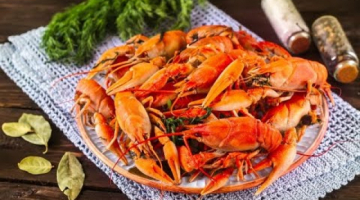
There are dishes that feel like food, and there are dishes that feel like an event. Boiled crawfish (or crayfish, depending on where you grew up) land firmly in the second category: loud table talk, a pile of napkins, hands that smell like spices, and that moment when the shell finally cracks and you get the first sweet, hot bite.
This recipe is the classic “red-shell” boiled crawfish with dill-simple enough to pull off on a weeknight, festive enough to justify calling friends over. It’s written for a U.S. home kitchen, with U.S. measurements, but it keeps the same soul: briny broth, pepper warmth, bay leaf depth, and dill that perfumes everything.
If you’ve never cooked crawfish at home, don’t worry. This guide walks you through selection, cleaning, boiling, soaking, serving, storage, and the small decisions that separate “fine” from “we’re doing this again next weekend.”
Ingredients (Serves 1–2 as a generous snack, or 3–4 as a shared appetizer)
For the crawfish boil:
-
Live crawfish - about 1.5 lb (700 g)
-
Fresh dill - 1 large bunch (use the feathery fronds and the flowering “umbrellas” if you can find them)
-
Water - about 1 quart (1 liter)
(Use enough to fully cover the crawfish in your pot; many pots will need more-scale salt and spices accordingly.) -
Kosher salt - 2 tablespoons (level, not heaped) per 1 quart water
(If you only have table salt, use a bit less; it’s denser.) -
Black peppercorns - 15
-
Bay leaves - 5–7
Optional (but honestly fun):
-
2–4 smashed garlic cloves
-
1 teaspoon coriander seeds or mustard seeds
-
½ lemon, sliced
-
A small pinch of turmeric (for deeper color)
-
A splash of light beer for aroma (not required; use if it fits the vibe)
What Americans Call It: Crawfish vs Crayfish (and Why It Matters for Shopping)
In much of the U.S., especially in the South, you’ll hear crawfish. In other regions you might hear crayfish. They’re the same idea: freshwater crustaceans with sweet meat and a shell that turns that dramatic red when cooked.
The only practical difference is where you buy them and how fresh they are. If you can’t get live crawfish locally, you may see them frozen (often as tail meat). That’s delicious in étouffée or pasta-but for this recipe, the whole point is the ritual: boiling live crawfish, seasoning them, and serving a steaming pile in the middle of the table.
1) A Summer Evening That Smells Like Dill
Picture it: the pot is roaring, windows are fogging up, dill hits the steam like a green firework, and suddenly everyone has an opinion about what “perfect salt” tastes like.
Someone claims they can peel faster than anyone else. Someone else insists the claws are the prize. The most reliable person at the table hands you paper towels before you even ask. And you realize-again-this isn’t just a recipe. It’s a small, edible holiday.
That’s why this guide leans into the details. Not because boiled crawfish are complicated, but because the best versions are made by someone who pays attention.
2) Season, Freshness, and a Small Note on Safety
Rule number one: Cook only live crawfish.
If they’re dead before cooking, you’re gambling with flavor and safety. Live crawfish should be active, smell clean (like fresh water), and feel “present” in your hand-firm, not limp.
If you’re buying from a seafood counter, ask when they arrived. Keep them cool and cook them as soon as possible.
For storage and food safety in general, seafood should be kept cold-40°F (4°C) or below-and refrigerated promptly. If you’re planning to cook within a day or two, refrigeration is fine; otherwise freeze.
3) Choosing the Best Ingredients (Simple, but Not Lazy)
Live crawfish
-
Only live. If it’s not moving or responding, set it aside.
-
Size is personal. Smaller ones are snacky and fast to peel; bigger ones give you more claw meat and a more “feast-like” feel.
Dill
Dill is not decoration here. It’s a major flavor component.
-
Look for fresh bunches with seed heads (“umbrellas”). The seeds carry a stronger, slightly anise-like aroma.
-
Out of season? Frozen dill works surprisingly well. It won’t look pretty, but the fragrance still shows up in the steam.
Salt + spices
-
Salt is the backbone. The broth should taste boldly seasoned-like the sea decided to move inland for the evening.
-
Black peppercorns give heat without harsh bitterness.
-
Bay leaves add that deep, savory, almost woodsy note that makes the pot smell “real.”
4) Cleaning Crawfish: The Part People Skip (Don’t)
You don’t need to turn this into a science project. You do need to rinse them properly.
-
Fill a sink or large tub with cool water.
-
Add a generous spoonful of salt and swirl.
-
Add crawfish and let them sit 10–15 minutes.
This helps them release grit and mud. -
Drain. Refill with fresh cool water. Rinse again.
-
Sort them. Any crawfish that are limp or clearly dead-discard.
A practical note: crawfish are determined creatures. Keep them contained. They will absolutely test your kitchen security.
5) The Broth Is the Real Recipe
Think of the boiling liquid as a fast, spicy tea. You’re not just cooking; you’re building a seasoned environment that crawfish can absorb during the soak.
For each 1 quart (1 liter) of water, add:
-
2 tablespoons kosher salt
-
15 black peppercorns
-
5–7 bay leaves
-
About half the dill (save the rest for the end)
Optional boosters (choose your personality):
-
Garlic: adds depth and a savory sweetness.
-
Coriander/mustard seed: adds subtle citrusy spice.
-
Lemon: brightens the aroma; don’t overdo it unless you love citrus.
-
Light beer: adds a faint malty, hoppy edge that can make the pot smell “bigger.”
Bring the broth to a rolling boil and let it boil 2–3 minutes so the spices wake up before the crawfish go in.
6) How Long to Boil Crawfish (Timing That Actually Works)
Here’s the truth: different traditions do different timings. Some boil briefly and rely on a long soak; some boil longer. What matters is not flexing a number-it’s getting tender meat that’s still juicy.
A reliable home-kitchen method:
-
Bring seasoned water to a rolling boil.
-
Add crawfish carefully.
-
Wait for the pot to return to a boil.
-
Boil about 7–10 minutes (depending on size).
Then turn the heat off and soak. This “boil + soak” approach is common in crawfish culture because soaking is where flavor builds.
The color science (and why they go red)
When cooked, crustaceans turn red because the pigment astaxanthin becomes visible as heat changes the proteins that were holding it in a different-looking state. That’s why the transformation is so dramatic-greenish-brown to bright red like a switch got flipped.
When to add the rest of the dill
Add the remaining dill near the end of the boil or right as you turn the heat off. Fresh dill aroma can vanish if it’s blasted too long. This way, the steam carries it straight into the shells.
7) The Secret Step: Let Them Rest in the Broth
If you scoop crawfish out immediately, you’ll still have tasty crawfish-but you’ll miss the deep, seasoned finish.
After boiling:
-
Turn off the heat.
-
Let the pot cool down naturally for a bit.
-
Soak the crawfish 15–30 minutes depending on how intense you want it.
As the temperature drops, the shells “relax,” and the seasoned broth has more time to work. This is where the pot goes from “salted seafood” to “spiced feast.”
Want to keep things warm while they soak? Put the lid on and wrap the pot with a towel. Not mandatory-just cozy.
8) How to Serve Boiled Crawfish (So People Remember the Night)
This dish wants center-table energy.
Drinks
Cold beer is classic, but don’t overthink it:
-
Light lager
-
Wheat beer
-
Amber ale
Serve it properly cold. The contrast matters.
Sides that actually make sense
-
Slices of dark rye bread (or any sturdy bread)
-
Boiled baby potatoes with butter + dill
-
Lemon wedges (optional, not mandatory)
-
Something crisp on the side if you want balance (simple pickles work)
The table setup that saves your mood
-
A mountain of paper towels
-
Wet wipes if you’re being kind
-
A big bowl for shells
-
Optional: seafood crackers for big claws
And yes: serving them in a big bowl with extra dill on top is not “for show.” That aroma hits first, before anyone even peels.
9) Home Kitchen vs Outdoors: Quick Practical Tips
If you’re cooking indoors
-
Start ventilation early. The smell is amazing… and it travels.
-
Keep the lid on between steps to control steam.
If you’re cooking outside
-
A stockpot + burner setup is ideal for bigger batches.
-
Pre-mix spices in a jar so you’re not measuring in the wind.
If you don’t have fresh dill
-
Frozen dill works.
-
In an emergency, fennel fronds or a pinch of caraway can mimic a similar aromatic direction (not identical, but it lands in the same neighborhood).
10) Nutrition: High-Protein, Lean, and Surprisingly Light
Crawfish meat is protein-forward and relatively low in calories. Exact numbers vary by source and preparation, but for about 100 g of crawfish/crayfish you’ll commonly see roughly 70–80 calories and a solid dose of protein.
That’s why crawfish show up in high-protein meal planning: you get satisfying seafood flavor without heavy carbs-unless you bring them in with bread and beer (which, honestly, many of us do).
11) Common Mistakes (and How to Fix Them Next Time)
“They taste bitter.”
Usually:
-
Too much bay leaf
-
Wrong pepper (or too much of a strongly aromatic spice)
Fix:
-
Stick to black peppercorns, and don’t overdo bay.
“The meat is dry.”
Usually:
-
Too long at a full boil.
Fix:
-
Shorten the boil and rely on the soak.
“Not salty enough.”
Usually:
-
Not enough salt for the actual amount of water in the pot.
Fix:
-
Taste the broth. It should taste intentionally seasoned-brighter than soup, closer to brine.
“How do I store leftovers?”
Cool them quickly, seal them, refrigerate promptly. Food safety guidance emphasizes keeping seafood cold and stored at 40°F (4°C) or below, and using it within a short window.
Practical advice for cooked shellfish often lands around 1–2 days refrigerated for best safety and quality (varies by guidance).
If you’re not eating them soon, freeze.
12) Modern Variations (When You Want the Same Dish, But With a Twist)
Once you’ve made the classic version, you can play.
-
Smoky heat: add a pinch of smoked chili flakes.
-
Citrus-forward: add orange zest + a few pink peppercorns for a fancy, bright aroma.
-
Deeper “brewery” note: swap part of the water for beer (keep the same timing).
Crawfish can handle bold flavors. The trick is balance: don’t bury the sweetness of the meat. Let spice frame it, not dominate it.
13) A Note on Responsible Buying
If you’re purchasing crawfish rather than catching them yourself, buy from reputable, licensed seafood sellers. Overharvesting and out-of-season catch can harm local populations, and quality tends to drop anyway.
If you do catch your own, follow your state’s regulations and seasonal rules. This is one of those foods that’s better when you respect the ecosystem behind it.
Step-by-Step Recipe Card (Quick Version)
Step 1: Rinse + sort
-
Soak live crawfish in cool salted water 10–15 minutes.
-
Rinse well. Discard any dead ones.
Step 2: Build the boil
-
Bring water to a rolling boil.
-
Add salt, peppercorns, bay leaves, and half the dill.
-
Boil 2–3 minutes.
Step 3: Cook
-
Add crawfish carefully.
-
When it returns to a boil, boil 7–10 minutes.
-
Add remaining dill near the end or at shut-off.
Step 4: Soak
-
Turn heat off.
-
Let soak 15–30 minutes for deeper flavor.
Step 5: Serve
-
Drain (or serve with a little broth if you like).
-
Pile into a big bowl, top with fresh dill, bring napkins, and let the table do the rest.
Closing: The Real Secret Ingredient Is the Company
Boiled crawfish with dill are not “fancy,” but they are powerful. A pot like this makes people lean in. It makes them talk. It gives the evening a shape.
So don’t save it for a holiday. Pick a random night, chill the drinks, set out paper towels like you mean it, and cook something that forces everyone to slow down and use their hands.
Because the best part isn’t the spices. It isn’t even the perfect timing.
It’s the moment someone laughs mid-bite, holds up a bright red claw like a trophy, and you realize you didn’t just make food-you made a memory.