Beer-Braised Chicken Wings With a Crispy Finish
Today we’re making chicken wings in beer - not as a gimmick, but as a simple way to turn a regular dinner into something that tastes like you “did a lot,” even though the steps are straightforward.
If you’ve ever bitten into wings that look golden but chew like rubber, this method fixes that. You’ll get tender meat near the bone, a glossy, caramelized coating on the outside, and a warm wheat-bread aroma that makes the kitchen smell unfairly good.
And yes: we’re using baking soda - on purpose - but we’ll do it cleanly and correctly.
Quick summary for people in a hurry
If you don’t have time to read, remember three pillars:
Baking soda for tenderness and better browning.
Wheat beer for depth and a gentle, bready sweetness.
Patience at the end - let the beer cook down until it becomes a glaze.
Everything else is detail. But details are where the magic hides.
Why wings in beer work so well
Chicken wings aren’t only “game day food.” They’re built for flavor: skin, fat, collagen, bone. That’s a perfect structure for two-stage cooking - first we set the crust, then we finish with a wet stage that turns into a sticky glaze.
Light wheat beer does three things at once:
-
It lifts browned bits from the pan and pulls them into the sauce (that’s where the “restaurant taste” lives).
-
It brings malt sugars that concentrate and caramelize as the liquid reduces.
-
It adds aroma - soft bread, a hint of yeast, and a gentle sweetness that makes wings taste rounder, not sharper.
The goal is not “beer flavor.” The goal is depth. The beer should feel like it belongs, the way toast belongs next to butter.
Ingredients
This recipe makes about 2–3 generous servings (or 4 smaller portions if you’re serving snacks).
What you need
-
Chicken wings - 600 g (about 1.3 lb), split into flats and drumettes
-
Baking soda - 1 tablespoon
-
Neutral oil (vegetable, canola, sunflower) - for frying, about 2–3 tablespoons
-
Light wheat beer - 150 ml (about 2/3 cup)
-
Salt - to taste
-
Black pepper - to taste
-
Paprika (regular or smoked) - about 1 teaspoon, optional but recommended
-
Any extra spices you like (garlic powder, chili flakes, onion powder - small amounts)
Ingredient mission (what each one does)
Chicken wings: collagen and skin = built-in richness, built-in glaze potential.
Baking soda: nudges the surface pH upward, helping browning and improving texture. Raising pH can speed Maillard browning.
Wheat beer: adds malt sweetness and aroma; reduces into a glossy coating.
Oil: transfers heat fast to create the first crust.
Salt + pepper + paprika: balance and warmth; paprika blooms in hot fat and perfumes the glaze.
Beer choice tip
Pick a light wheat beer that’s not aggressively bitter. In reduction, bitterness can get louder, while malt sweetness becomes smoother. If the beer tastes harsh in the glass, it usually won’t get kinder in the pan.
Step-by-step: wings that people will ask you to repeat
1) Prep the wings
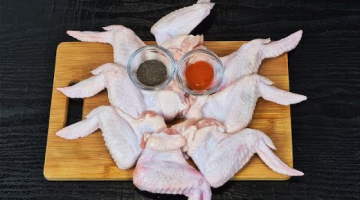
Split each wing at the joint into two pieces: drumette + flat. Trim off the tiny pointy tip (“tail”) - it doesn’t give much meat and dries out fast. Save tips for stock if you like, or discard.
Put the wings in a bowl.
2) Baking soda treatment (fast, but important)
Add 1 tablespoon baking soda to the wings and mix thoroughly, as if you’re massaging it into every surface.
You’ll notice the skin looks slightly different - that’s normal. The goal is surface contact, not a thick coating.
Let it sit about 5 minutes.
Why it matters: baking soda raises alkalinity at the surface, which helps browning reactions happen more readily.
3) Rinse and dry like you mean it
Rinse the wings very well under cool water to remove the soda. Then dry them thoroughly with paper towels.
This step decides your final texture. Moisture is the enemy of crispness.
4) First fry: build the crust
Use a deep skillet, sauté pan, or saucepan with sides (to control splatter). Heat 2–3 tablespoons oil over medium heat until it shimmers.
Fry wings in batches so you don’t crowd the pan.
Cook 3–4 minutes per side, until you get visible browning. You’re not fully cooking them here - you’re building a foundation.
Transfer browned wings to a plate, then repeat with the rest.
5) Season in the pan
Return all wings to the pan (or keep them in the same pan if you never removed them, but batches usually make this cleaner).
Lower the heat slightly.
Add:
-
salt
-
black pepper
-
paprika
Toss so the spices coat the wings and briefly bloom in the warm fat. This is when paprika starts smelling like it’s supposed to.
6) The beer stage: from simmer to glaze
Pour in 150 ml (2/3 cup) wheat beer along the side of the pan (not directly onto the hottest center). It will foam - that’s fine.
Bring to a gentle simmer, then cook about 20 minutes, medium heat, uncovered.
You’re waiting for the moment when:
-
the bubbling changes from wet and loose to tighter, stickier sounds
-
the liquid is mostly gone
-
the wings look glossy and lacquered
When you see a thin glaze clinging to the wings and the pan starts to look “sticky,” you’re close.
7) Final cue: stop at the right second
As soon as the glaze is shiny and the wings are coated, remove from heat.
Don’t chase “darker” forever. That’s how glaze becomes bitterness.
Food safety (quick but non-negotiable)
Chicken must reach a safe minimum internal temperature of 165°F (73.9°C). That includes wings.
If you have a thermometer, check the thickest part near the bone of a couple pieces. If one is under, give the whole pan a few more minutes.
What’s happening inside: the little science of big flavor
This is the part that makes the recipe feel like a trick, even though it’s just smart cooking.
Baking soda + browning
Maillard browning is responsible for those roasted, savory “meat” flavors and the golden color we crave. Raising pH can make Maillard reactions happen more readily, which is why baking soda is a known shortcut for better browning when used carefully.
That doesn’t mean “more soda = better.” Too much or too long can taste weird. That’s why we do a short treatment and rinse thoroughly.
Beer reduction and glaze
As beer cooks down, water evaporates, and what remains becomes more concentrated: malt sugars, toasted notes, and meat juices in the pan.
You’re not boiling wings in beer forever. You’re letting beer become a thin, sticky coating.
About alcohol
A common myth is “all alcohol cooks off.” In reality, retention depends on time, heat, and cooking method - sometimes a noticeable amount remains, sometimes very little. Charts based on USDA data show that after 15 minutes of simmering, a portion can remain, and it declines further with longer cooking.
In this recipe, the amount of beer is modest and the cooking time is long enough that much of it evaporates, but if you avoid alcohol completely, use a substitution (see below).
Variations (keep the method, change the personality)
1) “Southwest” smoky-sweet glaze
Near the end of reduction, add:
-
1 tablespoon maple syrup (or brown sugar)
-
a pinch of chili powder or chipotle
You’ll get that sticky BBQ vibe without needing a separate sauce.
2) Bright and tangy (for people who like contrast)
After cooking, finish with:
-
a squeeze of lemon
-
a pinch of flaky salt
It cuts richness and makes the wheat aroma pop.
3) Alcohol-free version
Use:
-
non-alcoholic wheat beer, or
-
chicken broth + a tiny splash of apple cider vinegar + 1 teaspoon honey
It won’t be identical, but you’ll still get a good glaze and that “cooked-down” depth.
4) Oven option (if you hate splatter)
-
Dry wings well.
-
Toss with 1 teaspoon cornstarch (optional) plus salt/pepper/paprika.
-
Bake on a rack at 425°F (218°C) for about 25–30 minutes, flipping once.
-
Meanwhile reduce beer on the stove into a syrupy glaze, then toss baked wings in that glaze.
You lose a little of the pan-fried crunch, but it’s still very good.
What to serve with beer-braised wings
Pick one creamy, one crunchy, one bright - and you’re covered.
Creamy
-
Blue cheese dip or a simple ranch-style yogurt dip
-
Sour cream + garlic + lemon zest
Creaminess softens the malt sweetness and makes spice feel warmer, not harsher.
Crunchy and acidic
-
Quick pickles (cucumber, red onion)
-
Slaw with vinegar dressing
This is the “reset button” between bites.
Sweet and fresh
-
Mango salsa
-
Pineapple-cilantro salad
Fruit plays beautifully with wheat beer notes.
Questions you’ll probably ask (so I’ll answer now)
Can I skip the baking soda?
If your goal is tender texture and better browning, baking soda is doing a specific job. You can skip it, but expect a more ordinary result.
Why rinse the baking soda off? Isn’t it supposed to stay?
We want the effect, not the taste. A short treatment helps browning and texture, but leaving too much on the surface can taste off. Rinsing keeps it clean.
My glaze got bitter - what happened?
Usually one of these:
-
the beer was very hoppy/bitter to begin with
-
the glaze reduced too far and started to scorch
-
heat was too high in the final minutes
Fix: choose a milder beer, reduce on medium (not high), and stop when it’s glossy - not when it’s dark.
How do I store and reheat?
-
Store in the fridge up to 3–4 days in a closed container.
-
Reheat in a hot oven (425°F / 218°C) for 8–12 minutes to bring back texture.
Microwaving works but softens the skin.
Nutrition (approximate, per 100 g)
-
Calories: ~245 kcal
-
Protein: ~22 g
-
Fat: ~17 g
-
Carbs: ~2–3 g
Numbers vary depending on the wings and how much glaze remains on the pieces.
A small story behind a simple dish
Some of the best “clever” recipes started as practical food: whatever meat you had, whatever liquid you had, and a pan that could take heat.
Beer in cooking is like that. It’s not luxury. It’s a tool: aroma, sugars, and a gentle bitterness that - when handled carefully - makes meat taste deeper and more complete.
This recipe is only a handful of operations. But when you do them in the right order, it feels like a little celebration on a regular evening.
Final note
Keep the foundation and play with the rest:
Baking soda for texture.
Beer for flavor.
Attention during reduction for the perfect glaze.
Make it once. Then you’ll start inventing your own versions without even noticing.