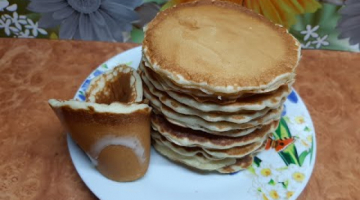
Best Syrniki (Eastern European Cottage Cheese Pancakes) - A Simple Recipe That Actually Works
Quick question before we cook: why are syrniki called “cheese pancakes” if there’s no cheddar, mozzarella, or anything remotely “cheesy” in the modern sense?
Because the word behind syrniki comes from an older Slavic meaning of “soft curd cheese” (think fresh curds-what Americans would call farmer cheese, quark, or a drier cottage cheese), not the aged, sliceable “cheese” most of us picture today.
And that’s exactly what this recipe is about: turning a humble pack of curds into a warm, golden breakfast that tastes like comfort but behaves like a system. Not a lottery. Not “maybe they’ll hold together.” A repeatable method you can trust on a sleepy Sunday morning.
If you’ve ever had your patties melt into a sad puddle of dairy on the skillet, or-worse-ended up with rubbery little hockey pucks… this is the fix. We’ll keep the cozy storytelling vibe, but we’ll also be brutally practical: moisture control, binding, shaping, heat management, and the small choices that decide whether your syrniki are tender and creamy or dense and stubborn.
You’ll finish with a breakfast that’s excellent with sour cream and jam, but just as at home with maple syrup, berries, or a spoonful of lemon curd.
What Are Syrniki?
Syrniki are traditional Eastern European curd pancakes-small, pan-fried patties made from a fresh curd cheese (tvorog/quark/farmer cheese/cottage cheese), egg, a little flour, sugar, and salt.
They’re not regular pancakes with curds tossed in. The curds are the batter. That’s why the texture can be magical: lightly crisp edges, a tender center that eats like cheesecake-meets-pancake, and that faint dairy sweetness that feels like childhood even if you didn’t grow up with them.
Why This Version Works in a U.S. Kitchen
In many traditional kitchens, syrniki are made with tvorog (a dense curd). In the U.S., the closest easy options are:
-
Farmer cheese (best if you can find it): drier, closer to tvorog
-
Whole-milk cottage cheese (most accessible): works great if you drain it properly
-
Ricotta (works, but makes a softer, more delicate syrnik-less classic)
The core problem in American kitchens is usually excess moisture. Cottage cheese can be wet, and wet batter forces you to add extra flour. Extra flour steals tenderness. So the “secret” isn’t exotic ingredients. It’s moisture discipline.
Ingredients (Makes About 6–7 Syrniki)
The base
-
Curd cheese / cottage cheese - 200 g (about 7 oz, roughly ¾ cup, depending on dryness)
-
All-purpose flour or oat flour - 2 heaping tablespoons, plus 1 tablespoon for dredging
-
1 large egg
-
Sugar - 2 heaping tablespoons
-
Salt - a pinch
-
Neutral cooking oil (avocado, canola, sunflower) - 3–4 tablespoons for frying
-
Vanilla - optional (a pinch of vanillin, or ½ teaspoon vanilla extract)
U.S. swaps that keep the spirit
-
If your cottage cheese is very wet, add 1 teaspoon cornstarch (instead of piling on flour).
-
If you want a slightly “healthier” feel, use oat flour; it tends to taste nuttier and more “breakfast-y.”
The “Why These Proportions” Logic
-
200 g curd gives you a practical yield-enough for two adults and a kid (or one hungry adult with ambition).
-
One egg is the sweet spot: it adds structure without turning the mixture into an omelet-in-disguise.
-
Flour is a knob, not a rule. You’re not “making dough.” You’re stabilizing curds. The less flour you can get away with, the more tender the center.
-
Sugar matters beyond sweetness. It helps create that thin, toasted surface because sugar begins to caramelize as heat climbs (caramelization is a real temperature-driven process, not a vibe).
Step 1: Pick (or Prep) Your Cottage Cheese Like You Mean It
This is where most syrniki fail.
If using farmer cheese
You’re already winning. Crumble it, mash it, and proceed.
If using cottage cheese
Drain it. Don’t negotiate with this step.
Fast method (10 minutes):
-
Put cottage cheese in a fine strainer.
-
Press with a spoon.
-
Let it sit while you prep everything else.
Better method (20–30 minutes):
-
Line a strainer with cheesecloth (or a clean kitchen towel).
-
Add cottage cheese.
-
Twist and squeeze until it feels noticeably drier-like thick ricotta, not like yogurt.
Moisture control is the entire game: too wet means too much flour, too much flour means heavy syrniki.
Step 2: Make the Mixture (Order Matters)
In a bowl:
-
Add the curd cheese.
-
Add salt and sugar.
-
Add the egg.
-
Mash and stir until the mixture is mostly smooth.
You don’t need it perfectly silky. A little curd texture is traditional and honestly pleasant. But you do want it cohesive-not crumbly, not watery.
Then:
5. Add flour (2 heaping tablespoons).
6. Mix gently.
7. Let it rest 5 minutes.
That short rest gives flour time to hydrate so the mixture firms up without you “fixing” it with extra flour out of panic.
Step 3: Shape Without Stress (The Ball Method)
There are two tribes: people who form patties immediately, and people who roll balls first.
Roll balls first. It’s cleaner, faster, and makes better texture.
-
Lightly wet your hands.
-
Pinch off about 35–40 g each (think “golf ball, but smaller”).
-
Roll into a quick ball.
-
Dredge in flour (light coat).
-
Press gently into a puck about 1½ cm thick (around ½–⅝ inch).
Why balls first?
A ball “seals” the moist center. When you flatten it after dredging, flour forms a thin outer film that fries into a delicate crust. Result: thinner crust, softer middle.
Step 4: Frying - Heat, Then Patience
Use a heavy skillet if you can (cast iron or a thick stainless pan). A thin pan spikes heat and burns the outside before the inside is set.
-
Add oil: you want a shallow layer, about 2–3 mm.
-
Heat over medium until oil shimmers.
-
Place syrniki in the pan with a little space.
Now the key move:
-
Drop heat to medium-low once they’re in.
Cook:
-
2–3 minutes first side (until deeply golden)
-
Flip
-
2 minutes second side
The first 30 seconds rule
Don’t touch them right away. Let the surface set. Sugar + flour + heat need a moment to form a crust; moving them too early encourages sticking and tearing.
Want less oil?
Do this hybrid method:
-
Pan-fry just until both sides are pale-golden (not dark),
-
Then finish on parchment in a 350°F (175°C) oven for 5–7 minutes.
You’ll get a lighter finish, and the center becomes that soft “soufflé-like” curd set.
How to Know They’re Done (Without Overcooking)
Perfect syrniki feel:
-
springy at the edges,
-
slightly soft in the center,
-
not jiggly-liquid.
If they brown too fast, your heat is too high. If they look perfect outside but raw inside, your patties are too thick or you rushed the temperature.
Serving Ideas That Make Them Taste Like a Restaurant
Syrniki love contrast. Sweet curds want something tangy, fruity, or lightly bitter.
Classic and unbeatable
-
Sour cream + jam (strawberry, cherry, blueberry)
-
Sour cream + a pinch of sugar (or powdered sugar)
Very American, very good
-
Maple syrup + berries
-
Greek yogurt + honey + toasted nuts
-
Peanut butter drizzle + banana slices (yes, it’s weird; yes, it works)
“Coffee shop” plate
-
Lemon zest stirred into yogurt
-
Warm berry compote
-
A dusting of powdered sugar
Kids’ favorite
-
Sweetened condensed milk (or a quick chocolate condensed milk sauce)
FAQ
Can I bake syrniki instead of frying?
Yes. The texture is a bit less crisp, more “soft-set.”
Bake at 375°F (190°C) on parchment for about 15 minutes. No need to flip.
What flour works besides all-purpose?
-
Oat flour (nutty, cozy)
-
Rice flour (lighter, a bit crisp)
-
Buckwheat flour (earthy, stronger flavor)
A good strategy is blending: 2 parts mild flour + 1 part “character” flour so the flavor doesn’t bully the curds.
How long do they keep?
-
Fridge: up to 3 days in a sealed container.
-
Reheat: best on a dry skillet with a lid over low heat (keeps them tender).
Can I freeze them?
Yes, and it’s honestly a power move.
Freeze formed, raw syrniki on a tray until solid, then store in a freezer bag. Cook from frozen: add about 1–1½ minutes per side and keep heat moderate.
Troubleshooting Table (Because Reality Happens)
Syrniki spread out in the pan
Cause: curds too wet, mixture too loose
Fix: drain more next time; now add 1 teaspoon cornstarch, chill mixture 10 minutes
Syrniki are tough / dense
Cause: too much flour or too high heat
Fix: reduce flour next batch; cook lower and slower
Raw center
Cause: too thick or heat too high
Fix: make them thinner; finish under a lid or in the oven
Bitter, dark crust
Cause: oil overheated past its comfort zone
Fix: use refined neutral oil and lower heat; refresh oil between batches if it’s smoking
Too sweet
Cause: heavy hand with sugar
Fix: add a pinch of lemon zest or a tiny squeeze of lemon to the mix, and serve with something tangy
Five Variations for People Who Get Bored (Or Curious)
1) Oat-cookie syrniki
Swap half the flour for finely ground oats and use brown sugar. It leans into a toasted, cookie-like aroma.
2) Poppy seed “fireworks”
Add 1 tablespoon poppy seeds. They crackle pleasantly and make each bite interesting.
3) Citrus wake-up
Add zest of ½ lemon or orange. Optional: a tiny pinch of turmeric for color (not enough to taste).
4) Chocolate marble
Add 1 tablespoon cocoa plus chopped dark chocolate. You’ll get little molten pockets and a brownie-ish mood.
5) Protein-lean version
Replace about 30% of flour with a vanilla protein powder, reduce sugar to 1 tablespoon, and add a splash of kefir or milk if needed for texture.
The Food Science (In Plain English)
When syrniki work, they work because of three quiet forces:
-
Milk proteins (casein) set when heated, giving structure to the curds.
-
Sugar caramelizes as temperature rises, adding browned flavor and helping create a delicate crust.
-
Egg helps bind water and fat, so you don’t get a watery, broken interior.
Know that, and you stop fearing the skillet. You start driving the process.
Nutrition Notes (Realistic, Not Magical)
Curd-based breakfasts can be surprisingly filling because cottage cheese is high in protein. Different brands vary, but common nutrition references put cottage cheese around ~11–12 g protein per 100 g, with calories often around ~84–103 per 100 g depending on fat level.
Your final numbers depend on:
-
how much oil is absorbed,
-
whether you use full-fat or low-fat curds,
-
how big you make each syrnik.
Practical takeaway: two or three syrniki can feel like a “real breakfast,” not a sugar crash in disguise-especially if you serve them with yogurt, berries, or a not-too-sweet topping.
A Small Story to Go With Your Coffee
Syrniki are one of those foods that travel well. People move countries, learn new languages, rebuild routines-and somehow these little curd pancakes still find a place on the table. Someone will serve them with maple syrup instead of jam, or with Greek yogurt instead of sour cream, and the recipe doesn’t get offended. It adapts.
That’s the charm: the base is humble and stable, but the plate can change with your life.
The “3G” Method (So You Remember It Forever)
-
Get everything close to room temp (mixes smoother).
-
Grind (mash) curds with sugar, salt, egg until cohesive.
-
Gold them slowly-medium-low heat, patient crust, soft center.
Fifteen minutes. Six or seven golden rounds. A breakfast that feels like you’ve got your life together, even if the rest of the day is chaos.
Final Tip (The One That Saves Batches)
If you’re unsure whether the mixture is right, do a one-syrnik test:
-
Shape one,
-
Fry it,
-
Check texture.
If it spreads: chill + a teaspoon of starch.
If it’s stiff: you added too much flour-next time drain curds better and stop earlier.
That’s it. Make them once with intention, and you’ll stop “trying” to make syrniki. You’ll just… make them.