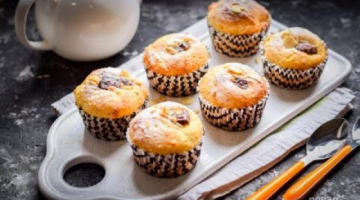
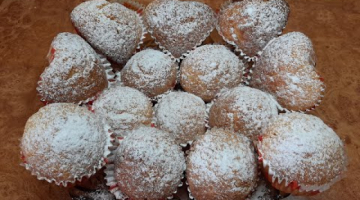
Pineapple Muffins (Ultra-Moist, Coconut-Kissed, Never Dry)
If you’ve ever pulled a tray of muffins from the oven and felt that familiar disappointment-golden tops, nice smell… and then a dry, crumbly center-this recipe is your reset button.
The fix isn’t “more oil” or “bake it less and hope.” The fix is smart moisture. And one of the easiest, most reliable moisture sources for muffins is canned pineapple.
Pineapple does a few things at once: it adds juicy pockets of fruit, a bright tropical aroma, and a gentle tang that plays beautifully with baking soda and baking powder. It also helps the crumb stay tender, so the muffins feel soft the next day-not like yesterday’s bread.
These muffins bake up with a rounded dome, a delicate crust, and a springy, moist center. They’re the kind you can pack into a lunchbox, set on a brunch table, or stash in a container for a “coffee moment” later. And yes-they stay moist for days if you store them right.
Why Pineapple Works So Well in Muffins
1) Moisture without heaviness
Pineapple brings water content and fruit fibers, which keep the crumb pleasantly damp. You get softness without turning the batter into a greasy cake.
2) Friendly acidity that helps leavening
Pineapple is naturally acidic. Canned pineapple tends to sit around pH ~3.5–4, depending on the product and syrup/juice. That acidity helps baking soda do its job-creating carbon dioxide bubbles for lift and a lighter crumb.
3) A tenderizing effect people love (but often misunderstand)
Pineapple contains bromelain, an enzyme known for breaking down proteins. But here’s the reality check: heat reduces bromelain activity significantly, and baking temperatures are high. So while pineapple can influence tenderness in some contexts, don’t count on “active bromelain after baking” as the main reason these muffins are soft. It’s mostly moisture + acidity + mixing technique.
4) Pineapple + coconut = a classic, reliable flavor pairing
Coconut adds aroma, gentle sweetness, and a slightly chewy texture. It also absorbs a bit of liquid, which helps the muffin feel plush instead of wet.
Ingredients (Makes 12 Standard Muffins)
Below are the original metric amounts, plus practical U.S. kitchen equivalents. Use whichever is easier.
Wet ingredients
-
Canned pineapple – 150 g, diced (about 1 cup diced, well-drained)
-
Pineapple juice from the can – 50 ml (about 3 Tbsp + 1 tsp)
-
Kefir (1–2%) – 170 ml (about ⅔ cup)
-
Substitute: plain yogurt thinned with 1–2 Tbsp milk/water
-
-
Neutral oil (canola, avocado, vegetable) – 80 g (about ⅓ cup)
-
Egg – 1 large, room temperature
Dry ingredients
-
All-purpose flour – 240 g (about 2 cups, spooned & leveled)
-
Cornstarch – 30 g (about ¼ cup)
-
Baking powder – 12 g (about 1 Tbsp)
-
Baking soda – ½ tsp
-
Unsweetened shredded coconut – 50 g (about ½ cup, depending on grind)
Yield
-
12 muffins (standard muffin pan)
What You’ll Need
-
Standard 12-cup muffin tin
-
Paper liners (recommended) or light greasing
-
Two mixing bowls
-
Whisk + spatula
-
Ice cream scoop or large spoon for even portions
Prep Notes That Prevent Dry Muffins
Pineapple: drain, save juice, then blot
Drain the pineapple and save the juice-you’ll use some in the batter. Then pat the pineapple pieces dry with a paper towel.
This step matters. If the pineapple is dripping wet, it can sink and create soggy pockets at the bottom. Dry-ish fruit stays suspended better.
Cut pineapple into small, even cubes-about ⅓ inch. Big chunks pull batter down and mess with the rise.
Bring the kefir and egg closer to room temperature
Cold ingredients slow down reactions and can make the batter tighten up. Muffin batter likes a comfortable room-temp vibe-nothing dramatic, just not ice-cold.
Flour + cornstarch: sift together
Cornstarch lowers the overall gluten strength and makes the crumb feel softer-closer to the tenderness people associate with bakery-style muffins. It’s a simple trick that works.
Step-by-Step Pineapple Muffin Recipe
Step 1: Preheat and set up
Preheat the oven to 350°F (175–180°C).
Line the muffin pan with paper liners, or lightly grease each cup. (Silicone molds usually don’t need greasing.)
Step 2: Mix the wet ingredients
In a large bowl, whisk together:
-
egg
-
kefir
-
oil
-
pineapple juice
Whisk about 40 seconds-not to make it fluffy, but to evenly distribute fat and liquid so the batter comes together smoothly.
Step 3: Mix the dry ingredients separately
In a second bowl, whisk:
-
flour
-
cornstarch
-
baking powder
-
baking soda
-
shredded coconut
Don’t skip the whisking. Baking soda likes to form little “salty surprises” if it isn’t evenly dispersed.
Step 4: Combine wet + dry (the critical moment)
Pour wet into dry.
Now: stir gently. Think “fold,” not “beat.”
Use a whisk or spatula and mix 10–12 strokes-just until you no longer see dry flour at the bottom. The batter should look a little lumpy. That’s not a mistake. That’s how you avoid tough muffins.
Overmixing activates gluten and turns soft muffins into elastic little bricks.
Step 5: Add pineapple
Fold in the diced pineapple gently, distributing it like you would raisins in a holiday bread-aiming for “even” without stirring forever.
Step 6: Portion the batter
Scoop batter into cups, filling each about ¾ full.
This gives the muffins enough structure to rise into a dome without spilling over.
Step 7: Bake
Bake at 350°F for about 18–22 minutes (typical U.S. timing).
Your original timing of 30–35 minutes may apply to some ovens or deeper molds, but in most standard U.S. muffin tins, muffins finish faster than that. Start checking at 18 minutes.
They’re done when:
-
tops are set and lightly golden
-
a toothpick comes out with crumbs, not wet batter
Step 8: Cool correctly (this keeps them beautiful)
Let muffins sit in the pan 5 minutes. This sets the structure while they’re still steaming gently.
Then move them to a cooling rack. If you leave them sitting in the pan too long, steam can make the bottoms damp.
Secrets for the Best Texture
Cornstarch + flour = a softer crumb
Cornstarch reduces the overall gluten “strength” and makes the bite more tender. It’s one of those quiet bakery techniques that works without making you feel like you’re doing chemistry.
Baking powder + baking soda is not redundant
Baking powder gives reliable lift. Baking soda reacts with acidity (kefir + pineapple) for extra rise and a nicer browning effect. That combo helps you get a dome without drying the crumb.
Coconut acts like a tiny sponge
Shredded coconut absorbs some liquid, then releases aroma as it bakes. It also adds texture-little soft flecks throughout the muffin.
Variations and Smart Swaps
Yogurt version
No kefir? Use the same amount of plain yogurt, but if it’s very thick, thin it with 1–2 Tbsp milk/water. The batter should be scoopable, not pourable.
Fresh pineapple option
You can use fresh pineapple, but it’s often juicier and less predictable. If you go fresh:
-
use about 170 g chopped pineapple
-
replace the pineapple can juice with orange juice (about 50 ml / 3 Tbsp + 1 tsp) to keep the acidity and fruitiness balanced
Whole grain twist
Replace ½ cup flour with whole wheat flour. Add an extra splash of kefir (about 1–2 Tbsp) if the batter feels thick-whole wheat drinks liquid.
Chocolate accent
Fold in ⅓ cup dark chocolate chips with the pineapple. Pineapple + dark chocolate is surprisingly good when the coconut is already in the room.
Gluten-free idea (more forgiving than you’d expect)
Use a blend like:
-
rice flour + corn flour + almond flour (roughly in thirds)
Increase cornstarch a little for tenderness. Gluten-free batters vary a lot, so watch batter thickness and bake time.
Serving Ideas That Feel “Special” Without Effort
-
Warm muffin + a spoon of vanilla Greek yogurt
-
Muffin split open + a thin swipe of salted butter
-
Brunch plate: muffin + fruit + scrambled eggs
-
Summer vibe: muffin + mango sorbet (yes, it works)
Storage and Freezing
Room temperature
Store in an airtight container up to 3 days. Put a paper towel under and over the muffins to manage moisture.
Refrigerator
Up to 5 days, but muffins can firm up when chilled. A quick warm-up fixes it.
Freezer
Freeze completely cooled muffins individually wrapped, then place in a freezer bag.
To reheat:
-
oven at 325°F for about 8–10 minutes, or
-
microwave 20–30 seconds (texture will be softer)
Nutrition (Per 1 Muffin, Approximate)
-
Calories: ~215
-
Protein: ~3.5 g
-
Fat: ~9 g
-
Carbs: ~29 g
-
Fiber: ~1–2 g
Exact numbers depend on the pineapple syrup/juice, coconut type, and oil used.
Troubleshooting: The Problems People Actually Have
“My muffins sank in the middle.”
Most common causes:
-
opening the oven too early (wait at least 15 minutes)
-
underbaking
-
batter overmixed (structure becomes weirdly weak)
-
cups filled too high
“My pineapple sank.”
-
pieces were too wet or too large
-
batter was too thin
-
you stirred too long after adding pineapple
Blot the fruit and keep the dice small. That alone fixes it for most people.
“They’re dry anyway. How?”
Be blunt with yourself here:
-
Did you measure flour by scooping with the cup straight into the bag? That packs flour.
-
Did you bake longer because you wanted “more color”?
-
Did you overmix until smooth?
Muffins are sensitive to those three mistakes.
FAQ
Can I reduce sugar?
There’s no added sugar in this formula, but canned pineapple can be packed in heavy syrup. If you want it less sweet, buy pineapple in juice (not heavy syrup), drain well, and blot.
Can I make mini muffins?
Yes. Bake at 350°F for about 10–13 minutes, checking early.
What can replace coconut?
Ground almonds are a great substitute. They add moisture and a gentle nutty note, and they play nicely with pineapple.
A Small Pineapple Baking Story (Because It’s Kind of Wild)
Canned pineapple didn’t just become “a pantry thing.” It was pushed into American home kitchens through aggressive marketing in the early 20th century.
A famous moment: a major pineapple recipe contest in 1925, run by the Hawaiian Pineapple Company (later associated with the Dole brand). It generated a flood of submissions and helped popularize pineapple-based baking-especially the pineapple upside-down cake that became a household classic.
That same idea-using pineapple to keep baked goods moist-never really went away. It just changed clothes. Today it shows up in carrot cake, hummingbird cake, quick breads… and yes, muffins that refuse to dry out.
Final Notes (Read This Once, Bake Better Forever)
These muffins don’t require special equipment, fancy flour, or extra sugar. They rely on a few practical decisions:
-
don’t overmix
-
blot the pineapple
-
use cornstarch for tenderness
-
bake until just done, not “extra done”
That’s it.
Turn on the oven, grab your muffin tin, and let the kitchen smell like tropical comfort for an hour. When you bite into a soft, juicy crumb tomorrow and realize it’s still tender-you’ll know this recipe did what it promised.