Apricot Shortbread Pie (Sour Cream Crust)
Shortbread-style pies have a funny talent: they can pull you back into childhood faster than sugar disappears in a glass of hot tea. One moment you’re simply waiting for the timer to ring, and the next you’re standing in a warm kitchen that smells like butter, vanilla, and fruit that’s still a little bit sun-kissed, even if it’s February outside.
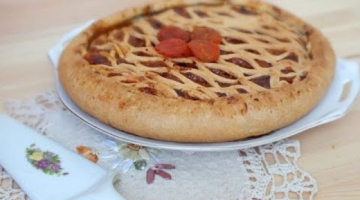
This apricot shortbread pie is exactly that kind of dessert-homey, generous, and quietly impressive. It’s not the classic grated “crumb pie” many of us grew up with (though it shares the same family tree). Here, we make a tender, slightly “moody” shortbread dough enriched with sour cream, so it stays delicate instead of turning dry and sandy. And instead of jam, we build a thick apricot filling from dried apricots that are simmered and blended into a smooth purée. The result is a pie that slices cleanly, tastes bright but balanced, and looks like you planned ahead-even if you didn’t.
If you like desserts where the crust is buttery and crisp, but the center is soft and velvety, keep going. This one is worth the flour on your sleeves.
Why You’ll Want to Bake This Pie
There are plenty of reasons, but here are the ones that matter on a real weekday:
-
It’s simple, but the payoff feels big. No complicated techniques, no fragile layers.
-
Dried apricots bring a concentrated fruit flavor that holds its shape in baking instead of turning watery.
-
The texture contrast is the whole story: crumbly, tender crust against a thick, smooth fruit layer.
-
Dried apricots are naturally rich in potassium and also provide fiber and beta-carotene (the body can convert it to vitamin A). That doesn’t make this “health food,” but it does make it feel less like a guilty secret.
Ingredients
This yields 6–8 generous slices (a standard 9–10 inch pie).
For the Sour Cream Shortbread Dough
-
Unsalted butter - 200 g (about 14 tablespoons / 7 oz), very cold
(You can use a good-quality baking spread, but butter gives the cleanest flavor.) -
Sour cream - 1 cup (about 240 g), around 15% fat if you can find it
(In the U.S., regular sour cream is usually higher-fat than that; it still works.) -
All-purpose flour - 3 to 3 ¼ cups (about 380–400 g), plus a little for dusting
-
Baking powder - 1 ½ teaspoons
-
Granulated sugar - ¾ to 1 cup (about 180–200 g)
-
Salt - a pinch
-
Vanilla - to taste (vanilla sugar, vanilla powder, or 1 teaspoon vanilla extract)
For the Apricot Filling
-
Dried apricots - 200 g (about 7 oz, roughly 1 ½ cups packed once chopped)
-
Sugar - taken from the total above (you’ll use part of it to sweeten the filling)
-
Warm water - enough to barely cover the apricots in the pan
Quick Ingredient Breakdown (So You Know What Each One Does)
Butter
Butter is the backbone here. Cold butter creates those tiny pockets that bake into a crumbly, short texture. If the butter gets soft too early, the crust becomes dense and less “shortbread-like.”
Sour Cream
Sour cream adds moisture and a gentle tang. It helps the crust stay tender and protects it from drying out. It also makes the dough easier to roll than a strictly butter-and-flour version.
Flour
All-purpose flour is ideal. A very high-protein flour can make the crust tougher than you want, because more gluten forms when liquid hits flour.
Dried Apricots
Dried apricots don’t collapse like fresh fruit. They don’t soak the crust. They bake into a stable, thick layer that slices beautifully.
How to Choose Dried Apricots and Sour Cream
Choosing Dried Apricots
Look for apricots that are plump, flexible, and not dusty. If they’re extremely bright orange, they were likely treated to preserve color. That isn’t automatically “bad,” but the flavor can be flatter. Many people prefer dried apricots with a deeper amber tone-they often taste rounder and more naturally fruity.
Avoid apricots that are:
-
hard as pebbles (they’ll take longer to soften and can stay chewy),
-
overly sticky with sugar coating,
-
gray-ish or dull with surface residue.
Choosing Sour Cream
Medium-fat sour cream is the sweet spot: tender crust, but still crumbly. If your sour cream is very thick and rich, the dough may feel softer-still workable, just keep it cold. If it’s very light, the crust can lean dry.
A Small Note on Apricot “Benefits” (Without Turning This Into a Lecture)
Dried apricots are concentrated fruit. That means concentrated flavor-and also concentrated natural sugars. But they also typically contribute:
-
Potassium, which many people don’t get enough of,
-
Fiber, which supports digestion,
-
Carotenoids (including beta-carotene), which the body can convert into vitamin A.
Think of it like this: it’s still dessert. It’s just dessert with a bit more character.
Prep Work That Makes Everything Easier
1) Soften the Apricots
Put dried apricots into a saucepan. Add warm water just until the fruit is barely covered. Let sit 20 minutes.
Then place over medium heat, bring to a simmer, and cook 10 minutes after it starts simmering.
Turn off the heat and let the apricots cool completely.
Why the cooling matters: warm filling can soften the butter in your dough too soon, and you’ll lose that crisp shortbread texture.
2) Sweeten and Blend the Filling
Take about half of your sugar (start with ½ cup, then adjust) and add it to the apricots. Blend until smooth.
Taste it. You want the filling clearly sweet with no sharp sour edge, because the crust is not super sweet and the overall balance depends on that.
No blender? Don’t panic. There’s a workaround in the FAQ below.
3) Keep the Butter Cold
Put your butter in the fridge (or even the freezer for 10 minutes). Cold butter is non-negotiable if you want that tender crumble.
How to Make the Perfect Shortbread Dough (Without Overworking It)
Shortbread dough has one big rule: minimal gluten development. That means: work quickly, don’t knead like bread, and stop as soon as it holds together.
Step-by-Step Dough
-
In a large bowl, combine:
-
cold grated butter,
-
about 3 cups (350 g) flour (hold back the rest),
-
baking powder,
-
pinch of salt,
-
sugar,
-
vanilla.
-
-
Using your fingertips, rub everything together quickly until you have fine crumbs.
Think “sand at the beach,” not “smooth dough.” -
Add sour cream and mix gently with a spoon or spatula, then finish with your hands.
If the dough feels sticky, add flour one tablespoon at a time. -
The moment it forms a cohesive ball, stop.
-
Wrap and refrigerate at least 30 minutes.
A quiet truth: it’s better to slightly undermix than to overmix. Overmixing makes the crust tough and “glued” instead of crumbly.
Shaping and Assembling the Pie
What You’ll Need
-
A 9-inch or 10-inch tart pan or springform pan
-
Parchment paper
-
Rolling pin
-
Fork
-
Knife (or lattice cutter, if you have one)
Assembly Steps
-
Preheat oven to 350°F (180°C).
-
Divide chilled dough into two uneven parts:
-
about ⅔ for the base
-
about ⅓ for the top lattice
-
-
Roll the larger piece into a circle about 11–12 inches wide (so you have enough for the sides).
Transfer to the pan lined with parchment. Press gently into the bottom and up the sides, aiming for 1–1 ½ inches tall. -
Prick the bottom with a fork in a few places.
-
Spread the apricot filling evenly.
-
Roll the smaller dough portion thin. Cut into strips about ½ inch wide.
Weave a simple lattice on top. Pinch the edges, and tuck them slightly inward so the crust looks neat and holds together.
Baking Time and What to Look For
Bake at 350°F (180°C) for about 40 minutes.
You want:
-
a golden crust (not pale),
-
a filling that looks set and slightly puffed in the center,
-
the surface not wet-looking.
Once baked, let the pie cool completely on a rack.
This matters more than people think. Hot shortbread crust is fragile. If you try to slice early, the edges can break and crumble dramatically, like they’re personally offended by your impatience.
8 Secrets So It Works the First Time
1) Don’t dump all the flour in at once
Flour varies by humidity and storage. Add extra only if needed, a little at a time.
2) Chill the dough properly
Warm kitchen? Chill twice: once after mixing and again after pressing into the pan. Cold fat equals crisp texture.
3) Keep the filling thick
If your purée is runny, simmer it longer to evaporate moisture. Thick filling prevents soggy crust.
4) Want shine? Add a quick glaze
For a glossy lattice, brush it near the end of baking with:
-
1 egg yolk + 1 teaspoon water, whisked
(No eggs? There’s an alternative in the variations section.)
5) A “perfumed” dusting makes it feel fancy
Mix powdered sugar with a pinch of cinnamon and dust the cooled pie.
6) Let the pan rest before moving the pie
Metal pans release heat fast. Give the pie 5 minutes after baking, then lift it out gently by the parchment.
7) Freezer shortcut for busy days
You can assemble the whole pie, wrap tightly, and freeze up to 1 month. Bake from frozen, adding about 10 minutes.
8) If your sour cream tastes extra tangy
If it’s noticeably sharp, you can stir ½ teaspoon baking soda into the filling. It softens that edge and keeps the flavor round.
A Brief Story of Shortcrust (Two Short Paragraphs)
Shortcrust pastry developed in Europe as a practical dough-flour and fat worked together to create a firm shell. In earlier centuries, these crusts were often used as edible “containers” for savory fillings. Butter was expensive, so other fats were common until dairy became more widely available and butter-forward pastries gained popularity.
Over time, that “rich” shortcrust style became what many of us now recognize as shortbread-like pastry: tender, crumbly, buttery, and luxurious in a quiet way. The version you’re making today belongs to that same lineage-simple ingredients, careful handling, and a texture that feels like comfort.
Variations for Different Moods (And Different Pantries)
Nutty Accent
Stir a handful of chopped walnuts or pecans into the apricot purée. It adds crunch and a faint bitterness that balances sweetness.
Chocolate Crust
Replace ½ cup flour with ½ cup unsweetened cocoa powder. The dark crust against orange apricot filling looks striking and tastes even better.
Whole-Grain Twist
Replace about ⅓ of the flour with whole wheat flour. You’ll get a slightly nuttier taste and a more rustic crumb.
Dairy-Free Version
Swap butter for refined coconut oil (solid), and use a thick dairy-free sour cream alternative. Skip heavy vanilla so the coconut aroma doesn’t clash.
Egg-Free Shine
Mix 1 tablespoon syrup (maple works, or any mild syrup) with 1 teaspoon neutral oil. Brush the lattice during the last 5 minutes for a gentle sheen.
How to Store It (And Keep the Crust Nice)
Room Temperature
Keep covered at cool room temperature for up to 3 days. A container or cake dome works well.
Refrigerator
Store up to 1 week, wrapped tightly or in a sealed container. To refresh the crust, warm slices at 325°F (160°C) for about 5 minutes.
Freezer
Freeze slices up to 2 months. Reheat:
-
10 minutes in the oven, or
-
about 30 seconds in the microwave (the crust won’t be as crisp, but the flavor stays wonderful).
What to Serve With Apricot Shortbread Pie
Unsweetened Greek Yogurt
The tang cuts the sweetness and adds a creamy contrast. Serve a spoonful beside the slice and sprinkle with chopped almonds.
Mint Tea
Fresh and clean. Especially nice if the pie is served slightly warm.
Warm Citrus Sauce
Heat orange juice gently with a small pinch of saffron (or a tiny pinch of turmeric for color) and a teaspoon of honey. Drizzle lightly-don’t drown the slice.
Vanilla Ice Cream
Classic for a reason. Warm pie + cold ice cream is simple, dramatic, and always welcome.
Frequently Asked Questions
Can I replace dried apricots with prunes or raisins?
Yes. Prunes add a deeper, slightly smoky flavor. Raisins lean sweeter and more honey-like. Use the same method: soak, simmer, blend, sweeten.
What if I don’t have a blender?
Simmer and soften the apricots well, then:
-
mince very finely with a knife, or
-
run through a meat grinder twice, or
-
mash thoroughly with a fork and then press with a spatula until smooth-ish
It won’t be perfectly silky, but it will still bake beautifully.
Why does my dough crumble when I roll it?
Usually one of two reasons:
-
not enough moisture, or
-
the dough was overworked and then chilled too long
Fix: lightly dampen your hands with water and quickly press the dough together, then roll between parchment sheets. Work fast.
What can I dust on top if I don’t have powdered sugar?
Mix fine sugar with cornstarch in a 1:1 ratio and dust lightly. It creates a soft, even finish without clumps.
Final Word
This apricot shortbread pie is warm kitchen talk, buttery crumbs on a plate, and that comforting feeling that some things in life still work the way they should. Follow the steps, keep the dough cold, don’t bully the flour into becoming gluten, and you’ll get a pie that tastes like it came from a house where someone always had time to bake.
Bake it. Cool it fully. Slice it neatly. Then watch how fast it disappears.