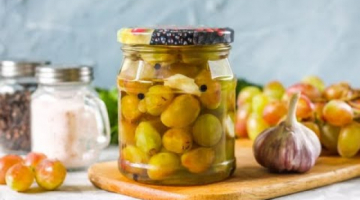
Pickled White Grapes (Sweet-Tangy, Garlicky, and Seriously Addictive)
Pickled grapes are for people who love contrast: sweet fruit with a sharp, salty bite, pepper warmth, and that gentle garlic perfume that lingers just enough to make you reach for “one more.” They’re unexpected on a snack board, brilliant with cheese, and oddly comforting in the middle of winter-like a small jar of September you can open when the weather turns gray.
“Cozy is the crunch of dried leaves under your shoes, the scent of late-season grapes at the market, and the quiet pssst! of a jar opened in winter.”
Every fall I catch myself repeating the same little ritual. I come home with a bag of sweet white grapes, set them on the counter like treasure, put on something mellow-jazz if I’m feeling dramatic, a calm playlist if I’m not-and start building a marinade that smells like pepper and garlic and possibility. Half an hour later the jars fog up, the kitchen feels warmer than it should, and somewhere inside me a practical kind of calm shows up: winter can do what it wants; I’ve got a jar that can change the mood of a whole dinner.
This recipe is the one I return to year after year. It’s simple, but it’s not bland. It’s familiar, but the flavor is not “ordinary pickles.” It’s sweet-tangy, a little spicy, and quietly glamorous-exactly the kind of pantry trick that makes guests stop mid-bite and ask, “Wait… what is this? And how did you make it?”
Below you’ll find a U.S.-friendly, fully localized version with clear measurements, smart swaps, and the small “home nuances” that make the difference between “fine” and “I need another jar immediately.”
Why Pickle Grapes?
A surprising upgrade for cheese boards
White grapes in a tangy brine do something magical next to creamy cheeses (brie, camembert), salty blues, and nutty aged varieties. Add toasted nuts, dried fruit, and a drizzle of honey and you’ve got a board that feels restaurant-level-without restaurant work.
A smart way to save fragile fruit
Grapes can split, bruise, and soften fast-especially if they were jostled on the way home. A short heat step plus an acidic brine helps them keep their character and stay enjoyable far longer than “fresh in a bowl.”
They have a thousand uses
Pickled grapes aren’t just a snack. They belong in salads, on crostini, alongside roasted poultry, and even in drinks where you want a quick twist of flavor without reinventing the wheel.
Light, bright, and not heavy
Grapes are naturally moderate in calories compared to many snack options, and this preparation keeps the vibe fresh and clean. You’re not making jam. You’re making a crisp, tangy garnish you can actually use.
The “wow” effect is real
Put out a small bowl of pickled grapes instead of the usual pickles or olives. People will try one politely. Then they’ll try another because the aftertaste is interesting. Then they’ll start “testing” them with cheese, with meat, with bread… and suddenly your jar is half empty and someone is asking if they can take the recipe home.
What Kind of Grapes Work Best?
Best choices
Look for white or green seedless grapes with:
-
Thin skins (so the brine can penetrate)
-
Firm flesh (so they don’t collapse after heating)
-
No splitting, bruises, or soft spots
In U.S. grocery terms, this often means:
-
Thompson Seedless (classic green grapes)
-
Sugraone / “Superior” (crisp green)
-
Any sweet, firm seedless variety labeled “green” or “white”
Sweetness matters (and here’s why)
The whole point is the sweet-tangy contrast. If your grapes are very sweet, the brine tastes sharper in a satisfying way. If your grapes are a bit tart, you can nudge the balance with a touch of sugar.
Avoid these, if you can
-
Very soft grapes (they’ll turn jammy)
-
Grapes with thick, tough skins (they stay “separate” from the brine and taste flat)
-
Grapes that are already cracked (they can ferment or lose texture faster)
Jar Choice and Prep (Don’t Skip This)
Pickling is forgiving in flavor, but not forgiving about cleanliness if you want a stable jar and a clean taste.
Best jar size
This recipe is ideal for a 1-pint jar (16 oz / 475 ml) or a 12 oz jar. If you prefer smaller portions, use a half-pint (8 oz) jar and split the spices.
Clean and heat your jars
-
Wash jars with hot soapy water and rinse well.
-
Heat them (either in hot water or a warm oven) so you don’t shock the glass with boiling liquid.
Lids
Use new, undamaged lids. Warm them according to package directions. The goal is a good seal and a safe, clean closure.
If you’re making a refrigerator pickle version (which many people prefer for maximum crunch), you still want clean jars-but you don’t need to stress about sealing the same way you would for pantry storage.
Ingredients (U.S.-Localized)
For 1 pint jar (about 16 oz)
Grapes
-
2 to 2 ½ cups green/white seedless grapes (about 10–11 oz / ~300 g)
Brine
-
1 cup water
-
½ teaspoon kosher salt (or fine salt; see note below)
-
1 tablespoon sugar (optional, but recommended if grapes aren’t very sweet)
-
¼ cup distilled white vinegar (5% acidity)
Flavor
-
10 black peppercorns
-
3 garlic cloves, peeled and halved
-
Optional: ½ teaspoon yellow mustard seeds
-
Optional “heat”: a small piece of dried chili or a pinch of red pepper flakes
Salt note (important for taste)
-
Kosher salt is less salty by volume than fine table salt (because of crystal size).
-
If you use table salt, start with a slightly smaller amount and adjust next time based on your preference.
The Method (With the Home Secrets That Matter)
Active time: about 15 minutes
Resting/cooling time: overnight (and then patience-at least 2 weeks for the best flavor)
Step 1: Prep the grapes
Pull the grapes from the stems. Try not to leave little stem “tails” attached-those can poke and damage other grapes in the jar.
Rinse in cool water. If you want the extra-clean version (especially if grapes are from an open market), soak them in a bowl of cool water for 5 minutes, then rinse again and drain well.
Let them dry on a towel or in a colander. Water clinging to the grapes won’t ruin anything, but less water means a brine that tastes exactly as intended.
Step 2: Pack the jar
Pack grapes into your warm, clean jar up to the shoulder. Don’t crush them; let them settle naturally. If you shake the jar gently on a towel, the grapes will nestle into place.
Step 3: The quick “heat wake-up” (my favorite trick)
Bring plain water to a boil (just water). Pour boiling water over the grapes in the jar until they’re covered.
Place the lid on top (don’t tighten hard yet) and let it sit 5 minutes.
Why this matters: it lightly warms the grapes, helps release trapped air, and makes the skins more receptive. Later, when the actual brine goes in, the flavor travels inward more evenly instead of staying only on the surface.
Step 4: Build the brine
Carefully pour the hot water from the jar into a small saucepan. This water now has a little grape essence in it-and that makes the brine taste more “round” and less sharp.
Add:
-
salt
-
sugar (if using)
Bring it to a boil, stirring until dissolved.
Remove from heat and stir in the vinegar.
A small but important detail: vinegar’s brightness is best preserved when you add it off-heat. You keep the punch without making the brine taste “cooked.”
Step 5: Add spices
To the jar, add:
-
peppercorns
-
garlic halves
-
mustard seeds (optional)
-
chili (optional)
Garlic goes in halved because it releases flavor gently and consistently-enough aroma to be intriguing, not so much that it bulldozes the grapes.
Step 6: Final pour and close
Pour the hot brine into the jar, covering the grapes completely.
Run a clean butter knife or chopstick along the inside edge to release trapped air pockets. This helps the brine reach every grape and keeps the look beautiful (no odd gaps).
Seal the jar:
-
For refrigerator pickles, just tighten and cool.
-
For a more traditional “sealed jar” approach, close the lid firmly while hot, then let cool undisturbed.
Turn the jar upside down for a couple minutes (optional) to check leaks, then set it upright to cool.
Step 7: Wait (yes, really)
You can taste after 3–5 days. You’ll get the idea.
But the real transformation happens later:
-
Minimum: 2 weeks
-
Best: 3–4 weeks
That’s when the garlic, pepper, and vinegar stop feeling like separate notes and become one flavor.
After opening, keep in the fridge and use within about a week for best texture.
Small Fixes That Save the Batch
If grapes are small or have thicker skins
Extend the initial hot-water step to 7 minutes. Not longer. You’re softening just enough-not cooking.
If you want more heat
Add:
-
a small piece of dried chili, or
-
a pinch of crushed red pepper, or
-
2 whole cloves for a warmer, deeper spice (cloves are powerful-go easy)
If you don’t want garlic
Swap garlic for a thin slice of fresh ginger (about ½ inch). It gives a bright, citrusy warmth that plays surprisingly well with grapes.
If you want a “lighter-colored” brine flavor
Use white wine vinegar (5% if possible) for a softer aroma. It keeps the grapes tasting elegant and less aggressively sharp.
A Little History (Because Food Always Has a Backstory)
Preserving fruit in acidic mixtures isn’t new-it’s one of humanity’s oldest tricks for stretching a harvest into the future. Across different regions and centuries, sweet fruit plus sour acid has shown up alongside rich meats, heavy winter dishes, and celebratory platters.
The logic is simple and timeless: fat loves acid, and sweet fruit becomes more interesting when it meets salt and spice. Pickled grapes feel modern because they’re unusual in many American kitchens, but the idea itself is old-practical, clever, and still oddly exciting.
How to Serve Pickled Grapes (7 Roles They Play Perfectly)
1) Cheese board secret weapon
Pair with:
-
brie or camembert
-
blue cheese
-
aged cheddar
Add honey and toasted walnuts. One bite can hit sweet, salty, tangy, creamy, and crunchy in the same moment.
2) A quick glaze for chicken
Mash or chop a small handful of pickled grapes, mix with a spoonful of honey, and brush onto chicken thighs or drumsticks near the end of roasting. It caramelizes lightly and tastes like you planned dinner days in advance.
3) Crostini that look fancy but aren’t hard
Toasted baguette + ricotta + one halved pickled grape + a few drops of olive oil. Add black pepper. Done.
4) A fast salad upgrade
Arugula, roasted squash (or sweet potato), salty cured meat (prosciutto works), pickled grapes, a little vinaigrette. It’s sweet-salty-bright and doesn’t need much else.
5) A winter drink twist
Drop a few grapes into a warm spiced drink or even into sparkling water with citrus. The brine note is subtle but makes the drink feel “crafted.”
6) Salmon tartare shortcut
Finely diced salmon, red onion, a small spoon of grape brine for brightness, then a few grapes on top. It tastes fresh and sharp, like a squeeze of lemon with extra personality.
7) Chutney-style sauce
Simmer pickled grapes with a little ginger and pepper until thick. Spoon next to grilled steak or pork. Sweet + acid + spice makes meat taste louder (in a good way).
Frequently Asked Questions
Can I use red grapes?
Yes. The brine will turn rosy or ruby, and it looks gorgeous. The flavor stays bold, but the look is more dramatic.
Can I do this without vinegar?
You can replace vinegar with lemon juice for a tangy version, but the flavor changes and the storage expectations change too. For U.S.-style safe pantry canning, acidity is not something to improvise casually. If you want a low-acid or vinegar-free version, treat it as a refrigerator pickle and keep it cold.
How sweet should it be?
If you want it more dessert-leaning, add another spoon of sugar and a tiny pinch of warm spice (like clove). You’ll get something that’s almost like a spiced compote-but still with a tangy tail.
How do I prevent jars from spoiling?
Clean jars, clean lids, fresh grapes, and don’t “wing it” with ingredients that change acidity. Also: once sealed and cooling, don’t disturb the jar for the first day. Let it settle and seal properly.
Nutrition Snapshot (Approximate, per 100 g)
Values vary by grape variety and how much brine is consumed, but in general this is a light snack:
-
Calories: ~60–80
-
Carbs: mostly natural fruit sugars
-
Fat: almost none
-
Protein: minimal
Grapes also naturally contain potassium and plant compounds that people often associate with antioxidant activity. (Just remember: this is still a treat food-enjoy it as part of a balanced plate.)
Three Flavor Variations (Same Technique, New Personality)
Mediterranean
Add to the jar:
-
a small sprig of rosemary
-
a thin lemon slice
-
a pinch of coriander seeds
Result: piney-citrus brightness. Incredible with fish and creamy cheeses.
Asian-leaning fusion
Add:
-
a thin slice of ginger
-
a star anise pod (just one)
-
a splash of rice vinegar (keep distilled vinegar as the main acid)
Result: aromatic, lightly sweet-spiced, elegant with duck or pork.
Smoky BBQ whisper
Add:
-
a pinch of smoked paprika
-
a bay leaf
Result: subtle smoke that makes burgers and bacon feel like they have a secret ingredient.
Storage and Safety Notes (Practical, No Drama)
-
Store sealed jars in a cool, dark place for best flavor stability.
-
Heat and sunlight can dull the bright taste over time.
-
After opening: refrigerate and aim to use within a week for best texture.
-
If anything looks foamy, smells “off,” or the lid behaves strangely, don’t bargain with it-toss it.
Final Thoughts: Why This Recipe Wins
You spend about 15 minutes and end up with a jar that can:
-
upgrade cheese and snacks instantly
-
make a simple dinner feel intentional
-
brighten heavy winter food
-
surprise guests without extra work
-
remind you, in one bite, that summer wasn’t a dream
And the best part is that it’s not fussy. No complicated steps, no endless boiling, no exhausting prep. It’s a recipe that fits into real life-and still gives you that small thrill when you open the jar and hear that clean little pssst.