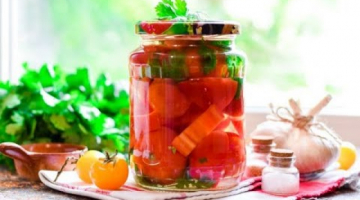
Salted Tomatoes With Sweet Bell Pepper (American-Style Pantry Pickle)
There’s a very specific moment at the end of summer when tomatoes stop acting “polite.” They show up everywhere-farm stands, grocery bins, your neighbor’s porch-soft-shouldered, sun-warm, a little bruised, smelling like the last loud days of August. And that’s exactly when you want a recipe like this: salted tomatoes with sweet bell pepper-bright, aromatic, gently tangy, and ridiculously snackable.
This is the kind of jar you open “just to taste,” and then-somehow-half of it is gone before dinner. A tomato slips onto a plate beside roast chicken. A pepper strip disappears straight from the fork. A splash of brine ends up in a sauce because, well, it smells too good to waste.
What follows is a localized, U.S.-friendly version of the recipe-same idea, same rhythm, same home-kitchen logic-just translated into American measurements, American pantry expectations, and with the kind of detail that helps you reproduce it confidently.
You’ll get:
-
a true step-by-step (no guesswork),
-
small “why it works” explanations (not lectures, just clarity),
-
a few smart variations that keep the spirit but change the mood,
-
serving ideas that make the jar feel like an ingredient, not a side note.
And yes-this is written to read like a real person wrote it, because someone did.
Why This Tomato Jar Is Worth Your Shelf Space
1) It’s versatile without being bland.
These tomatoes work on a Tuesday with mashed potatoes, and they also look perfectly at home on a holiday spread next to sliced brisket, roast turkey, or a board of cheeses and cured meats.
2) The flavor lands in the sweet spot.
Bell pepper brings natural sweetness and perfume; a little sugar rounds the edges; vinegar adds a clean, sharp “snap” without turning the whole jar into a mouth-puckering pickle.
3) Minimal ingredients, maximum payoff.
No exotic spices, no long shopping list. One pot, one jar, a handful of basics.
4) Texture matters-and this keeps it.
If you choose the right tomatoes and don’t overcook them, you get that ideal bite: tender skin, firm flesh, a tomato that doesn’t collapse into sauce when you lift it out.
5) It’s a “small batch” that still feels generous.
This recipe is designed for one 1-quart jar (or two pint jars). It’s enough to feel like you preserved something… without turning your kitchen into a canning factory.
Ingredient List (U.S. Measurements)
This is the original ratio, translated and made practical for U.S. kitchens.
Vegetables & Herbs
-
Tomatoes: 1.1 lb (about 500 g)
Aim for small, firm tomatoes-plum/Roma types are perfect. -
Sweet bell pepper: about 4 oz (about 120 g)
1 medium pepper, give or take. -
Fresh parsley: about 2 tablespoons chopped (or a small handful of sprigs)
Spices
-
Whole peppercorns: about 7 peppercorns (roughly 1 g)
Black peppercorns are the baseline; a couple allspice berries are optional.
Brine (for this jar size)
-
Water: 1 ¼ cups (about 300 ml)
-
Salt: 1 tablespoon
Use pickling salt or kosher salt (more on that below). -
Sugar: 1 ½ tablespoons
-
Vinegar: 4 teaspoons of 9% vinegar (about 20 ml)
If using standard U.S. distilled white vinegar at 5% acidity, see the note below.
Important vinegar note (so you don’t accidentally change the recipe)
In many U.S. kitchens, vinegar is typically 5% acidity (standard white vinegar). This recipe’s original vinegar is 9%, which is stronger and more concentrated.
-
If you only have 5% vinegar, you’ll need more volume to match the same acid “strength.”
-
A simple practical conversion: use about 2 ¼ teaspoons extra (roughly 6 ¼ teaspoons total) of 5% vinegar to approximate the acidity of 4 teaspoons of 9%.
Keep the flavor in mind: 5% vinegar has its own sharper “vinegar smell” simply because you’re using more of it.
If you want a more classic, strongly pickled U.S. profile, you can go beyond this and use a higher vinegar ratio-but that changes the taste and the character. This recipe isn’t trying to be a full-on deli pickle. It’s trying to be tomatoes that still taste like tomatoes, just upgraded.
Choosing Ingredients Like You Actually Want the Jar to Turn Out
Tomatoes: the difference between “crisp and proud” vs “sad and mushy”
-
Best type: Roma/plum, “paste” tomatoes, or any small, firm variety.
They have thicker walls and less watery interior, which helps them keep shape. -
Ideal size: roughly 1.5–2 inches wide (about 40–50 g each).
Small tomatoes heat more evenly and are less likely to burst. -
Ripeness: ripe but firm.
If it feels like it’s already halfway to sauce, it will not recover in hot brine.
Tiny trick that helps:
After washing, let tomatoes sit on a towel 10–15 minutes so they’re not slippery-wet. It makes packing the jar easier and reduces random dilution.
Bell pepper: pick for sweetness and aroma, not just color
-
Best choice: long, sweet peppers (often sold as Italian sweet, Ramiro-style, or similar).
Thin skin, deep sweetness, quick flavor transfer. -
Color: mix colors if you can.
Red gives depth, yellow brings a bright “sunny” note. Green is sharper and more grassy.
Parsley & spices: keep it clean and purposeful
-
Parsley: use the stems too.
Stems release aroma slowly, like a gentle background bassline. -
Peppercorns: 7 is enough.
You don’t want pepper to dominate; you want it to frame the tomato.
Optional flavor boosters (small, not loud):
-
½ bay leaf
-
a thin ring of fresh chili
-
1 small garlic clove (if you want a more savory direction)
Tools & Jar Setup (Keep This Simple)
What you need
-
One 1-quart jar with a proper lid
Or two pint jars. -
A medium pot (3-quart is comfortable)
-
A slotted spoon (or any spoon you trust with hot tomatoes)
-
A kettle or second pot to boil water
Sterilizing, realistically
For a small batch, you don’t need a complicated ritual.
-
Wash jar and lid with hot soapy water.
-
Rinse well.
-
Then either:
-
run through a dishwasher hot cycle, or
-
pour boiling water into the jar, let sit 2 minutes, then pour out, or
-
steam the jar over simmering water for 5 minutes.
-
The goal is not perfection for its own sake. The goal is: clean jar, hot jar, no random contamination.
Step-by-Step Recipe (Small Batch, Big Flavor)
Step 1: Prep the vegetables
Tomatoes
-
Rinse tomatoes under cool water.
-
Remove stems.
-
With a small knife, cut a tiny cone at the stem end (just the tough part).
That little cut is not just aesthetics. It helps brine move in and out more evenly.
Bell pepper
-
Remove seeds and the white ribs inside (they can taste bitter).
-
Cut into large diamond-shaped chunks or wide strips.
Micro-hack:
Pour boiling water over pepper pieces for 10 seconds, then drain.
It softens the skin just enough to pack well and reduces trapped air pockets in the jar.
Step 2: Build the flavor base in the jar
At the bottom of the jar:
-
parsley sprigs (and stems)
-
peppercorns (crush 1–2 lightly if you want faster aroma release)
Don’t overthink the arrangement. This isn’t a bouquet. It’s a foundation.
Step 3: Pack the jar (tomatoes + pepper like a puzzle)
Alternate tomatoes and pepper pieces.
-
Fill gaps with pepper chunks.
-
Press gently-firm, not violent.
-
Leave about ½ inch headspace at the top.
You want a jar that looks full and confident, not a jar where everything floats around like it’s confused.
Step 4: The double hot-water pour (two rounds)
This method does two things:
-
warms the jar and vegetables evenly,
-
reduces sudden temperature shock that can split tomato skins.
-
Boil water (make more than you need-about 4 cups is comfortable).
-
Pour boiling water into the packed jar up to the top.
-
Put the lid on loosely (or cover with something clean).
-
Let sit 15 minutes.
-
Pour the water out into a pot.
-
Bring it back to a boil.
-
Repeat: pour again, wait 15 minutes, then pour out again into the pot.
After the second pour, you’ve got a tomato jar that’s warmed through, less likely to burst, and ready for real brine.
Step 5: Make the brine
Take the hot liquid you poured out the second time. That’s your base.
To that liquid, add:
-
1 tablespoon salt
-
1 ½ tablespoons sugar
Bring to a boil and simmer 2 minutes, skimming any foam if needed.
Then add:
-
vinegar (either 9% as listed, or adjusted 5% as discussed)
Bring it just back to a boil, then turn off heat immediately.
Step 6: Final pour and sealing
Pour the hot brine into the jar in a thin stream.
-
Fill close to the top, leaving about ¼–½ inch headspace.
-
Wipe the rim clean (this matters more than people admit).
-
Seal with the lid.
Leak check:
Flip the jar upside down for 2 minutes. No leaks? Great.
Then flip it back and wrap in a towel until completely cooled.
Salt, Sugar, Vinegar: Small Choices That Change Everything
Salt
-
Best: pickling salt or kosher salt.
-
Avoid: iodized table salt (can cloud brine and sometimes affects color).
Kosher salt brands vary in crystal size, so “1 tablespoon” can be slightly different by weight. If your first batch tastes too salty or not salty enough, adjust next time-this is a home recipe, not a lab report.
Sugar
Sugar isn’t here to make this “sweet.” It’s here to smooth the edges.
-
White sugar gives a clean flavor.
-
Light brown sugar gives a warmer, slightly “country” feel, and deepens color a touch.
Vinegar
The vinegar is the steering wheel. Too little and the brine tastes flat. Too much and your tomatoes stop tasting like tomatoes.
A lot of U.S. pickle recipes lean heavy on vinegar. This one is more balanced and aromatic-pepper-forward, tomato-forward, with acidity as an accent.
Flavor Variations (Same Technique, Different Personality)
1) Korean-leaning twist (bright + savory)
-
Use rice vinegar (milder)
-
Add:
-
1 garlic clove
-
1 teaspoon toasted sesame seeds
-
optional: thin slices of ginger
-
Cut peppers into thin strips for faster infusion.
Result: less “pickle,” more “snack you keep stealing from the fridge.”
2) Mediterranean mood (herby, restaurant-energy)
Add to the jar:
-
pinch of dried oregano
-
small sprig of thyme
Optional: replace part of the vinegar with lemon juice for a softer brightness.
This turns into something you want next to roasted lamb, chicken, or a grain bowl.
3) “Green” version (sharper, fresher)
Use:
-
slightly underripe tomatoes (firm, pale red or orange-leaning)
-
green bell pepper or a mix of green and yellow
Reduce sugar to 1 tablespoon.
Underripe tomatoes already carry more tang.
How to Serve It So It Feels Like More Than a Side Dish
1) Classic cold appetizer
Take the jar out 15 minutes before serving.
Cold mutes aroma; a little room temperature brings it back.
Serve in a bowl with a spoonful of brine drizzled over the top.
2) “Upgraded toast” that feels like a meal
Toast thick bread. Rub with a cut garlic clove.
Add:
-
sliced tomato from the jar
-
pepper strips
-
a few greens (arugula is perfect)
Finish with olive oil if you want it to feel like something you’d pay for.
3) Two-minute sauce shortcut
Blend 4–5 tomatoes from the jar.
Simmer in a pan until reduced by half.
You get a quick, tangy tomato sauce that works on:
-
turkey cutlets
-
meatballs
-
pan-seared chicken
-
roasted vegetables
4) “Soup wake-up” trick
A spoonful of brine stirred into soup adds instant life.
It’s the lazy cousin of adding vinegar at the end-except it’s already seasoned and aromatic.
Storage and Food Safety (Straight Talk)
Here’s the honest line:
This method-hot brine, sealed jar, cooled-can work well, but shelf-stable safety depends on tested acidity and proper processing. General food safety guidance treats pH 4.6 as a key threshold for preventing botulism growth, and tomatoes can vary in acidity depending on variety and ripeness.
So, choose the storage approach that matches your risk tolerance and your setup:
Option A: Refrigerator storage (recommended for peace of mind)
-
Cool completely
-
Refrigerate
-
Best flavor after: 3–5 days
-
Good for: 2–4 weeks (keep jar clean, use clean utensils)
This option keeps the recipe’s personality exactly where it belongs: fresh, aromatic, bright.
Option B: Pantry storage (only if you use tested canning procedures)
If you want true pantry storage, use a proper water-bath canning process and follow tested ratios and processing times for tomato products/pickled tomatoes. Reliable preserving guidance emphasizes not altering vinegar/water proportions in recipes intended for shelf stability.
If you’re not water-bath canning, don’t pretend inversion alone is the same thing. It isn’t.
Visual warning signs (always take these seriously)
-
cloudy brine that wasn’t cloudy before
-
active bubbling
-
lid bulging
-
hissing/foaming on opening
-
off odors
If something feels wrong, don’t “taste to check.” Throw it out.
A Little Kitchen Science (In Plain Language)
Why the double hot-water pour helps
The first pour warms the tomatoes and drives air out of the jar’s little gaps.
The second pour finishes the warming and makes the final brine infusion more even.
Result: better texture, better flavor distribution, fewer split skins.
Why salt + sugar is magic here
Salt pulls water out of tomato cells (osmosis), which firms texture and seasons from the inside.
Sugar counterbalances that pull and smooths the “hard edge” of salt so the brine tastes round, not aggressive.
Why parsley + pepper smells “bigger” than the ingredient list suggests
Herbs and spices release aromatic compounds into warm liquid. Those compounds cling to oil-friendly surfaces (like pepper skin and tomato flesh). That’s why the jar smells alive even days later.
FAQ (Questions People Actually Ask After Making This Once)
Can I replace vinegar with citric acid?
Yes, but the flavor changes: it becomes “cleaner” and more lemony-sharp, less round.
If you do it for a refrigerator batch, it’s fine. For pantry canning, use tested guidance for acidification rather than guessing.
Do I need to poke tomatoes with a toothpick?
Not if they’re small and firm and you’re using the double-pour method.
Poking helps with large, very ripe tomatoes that tend to split-but those tomatoes are not ideal for this recipe anyway.
Why did my brine turn cloudy after a couple of months?
Common causes:
-
jar or lid wasn’t truly clean
-
rim wasn’t wiped before sealing
-
you used iodized salt
-
you dipped a used fork back into the jar
Cloudy brine doesn’t always mean danger, but it does mean “pay attention.” If you see gas, bulging, or off smell-discard.
Final Note: What This Jar Really Is
This isn’t a “one-note sour pickle.”
It’s not trying to overpower your plate.
It’s a jar of tomatoes that still taste like tomatoes-just dressed up: sweeter, brighter, more aromatic, with bell pepper acting like a supporting character that quietly steals the scene.
Make one jar first.
Then, when you realize how quickly it disappears, make two.