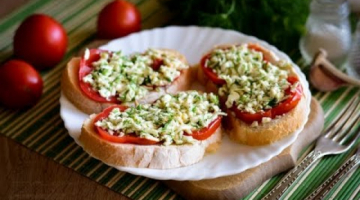
Hot Open-Faced Sandwich with Bryndza, Tomato, Dill, and Garlic (Ready in 5 Minutes)
A hot sandwich is one of those small kitchen “cheats” that saves a day. You’re hungry, you want something warm, you want something real-not a random snack you’ll forget in ten minutes. This open-faced sandwich with bryndza (a brined sheep’s-milk cheese), juicy tomato, dill, and a touch of garlic is exactly that: fast comfort with a sharp, sunny flavor and a surprisingly “fresh” finish.
It’s also a great answer to the most common weekday trap: coffee in one hand, phone in the other, and your brain insisting you don’t have time to cook. You do. Not a grand dinner-just a tiny, honest meal that flips your mood faster than a barista can pull a latte.
One bite: crisp bread edges, warm creamy cheese, tomato juice that tastes like late summer, and that green dill aroma that makes everything feel cleaner and brighter. It’s simple, but not boring. Quick, but not careless.
Let’s make it like a practical person who still respects food.
Why This Sandwich Works (And Why Bryndza Matters)
Bryndza has character. It’s brined, tangy, salty, and soft enough to melt quickly without turning into a rubbery slab-if you heat it wisely. Traditionally, bryndza is made from sheep’s milk (sometimes goat’s milk), usually without long aging, which is why it stays moist and crumbles easily.
What you get from bryndza:
-
Big flavor with minimal effort. The salt and tang balance tomato’s sweetness instantly.
-
Creamy melt without heavy sauce. You don’t need mayo or butter to make it satisfying.
-
Protein and calcium. Like most cheeses, it offers a decent protein boost and calcium support (exact numbers vary by brand and milk type, but it’s generally a nutrient-dense choice compared to “empty” snack foods).
The taste profile: bright tang, distinct saltiness, a little sharpness on the finish. It’s bold, but not aggressive-especially when paired with tomato and herbs.
If you live in the U.S. and bryndza isn’t easy to find, don’t panic. You can get very close with:
-
Feta (Greek or Bulgarian styles work well; Bulgarian tends to be creamier)
-
Sheep’s milk feta (often closest in tang and richness)
-
A mix: feta + a spoon of plain Greek yogurt (for extra creaminess)
-
Farmer cheese or queso fresco (milder; you’ll need more seasoning)
The goal isn’t to be “authentic” on a passport level. The goal is to hit the same balance: salty + creamy + fresh.
Ingredients (Makes 1–2 Servings)
Main ingredients
-
White bread - 2–3 slices
(Italian loaf, sourdough, ciabatta, sandwich bread-use what you actually have) -
Bryndza - about 2 oz (≈ 50 g)
(or substitute feta) -
Tomato - 1 medium
(firm, fragrant, not watery if you can choose) -
Fresh dill - 2–3 sprigs
(or swap parsley if dill isn’t your thing-flavor will change) -
Garlic - 1 clove
-
Salt - to taste
(careful: the cheese is already salty) -
Black pepper - to taste
(freshly ground makes a noticeable difference)
Optional but smart add-ons (if you want to level up)
-
A drizzle of olive oil
-
Red pepper flakes
-
A squeeze of lemon
-
A few microgreens or arugula for serving
Serving size note: If you’re cooking for more people, just multiply everything. This recipe scales with zero stress.
What to Expect: A Tiny Journey in Five Minutes
This is not a “perfect Instagram sandwich.” This is a real-life solution. It’s the kind of thing you make once, then you start making it on autopilot-because it’s reliable.
You’ll get:
-
crunch on the edges
-
warm, creamy cheese in the center
-
tomato sweetness and acidity
-
dill’s clean, green hit
-
garlic’s bite, but controlled
And if you do it right, the bread stays crisp and the toppings stay bright-not soggy, not sad.
Step 1: Prep Everything (Fast, But Not Sloppy)
Bread
Slice your bread at a slight angle if you can. It sounds like a small detail, but it increases surface area and gives you more crust edge-meaning more crunch after heating.
If your bread is soft and squishy (typical sandwich bread), consider lightly toasting it first. If it’s sturdy (ciabatta, sourdough), you can skip pre-toasting.
Cheese (Bryndza or Feta)
If it’s sitting in brine, let it drain for a minute or two on paper towels. Then:
-
grate it on a coarse grater or
-
crumble it finely with a fork into little “clouds”
Smaller crumbles melt more evenly. Big chunks melt unevenly and can stay cold in the middle.
Dill
Pull off the delicate fronds. Chop it fine. When you chop dill, don’t just “hack”-press the knife a bit so the herb releases its oils. That’s where the aroma lives.
Garlic
You have options:
-
mince it very finely
-
use a garlic press
-
grate it on a microplane
Avoid big chunks. One random garlic pebble can hijack a bite and make everything feel harsh.
Tomato
Slice into rounds about 1/4 inch thick (around 5–6 mm). Then do the most underrated step in sandwich-making:
Pat the tomato slices dry with a paper towel.
Not aggressively. Just enough to remove excess surface juice so your bread doesn’t turn into a sponge.
Step 2: Assemble Like You Want Your Bread to Stay Crisp
-
Place tomato slices on the bread.
-
Salt the tomato lightly-not the bread.
This matters. Salting bread encourages moisture to soak in and soften it. -
Add the cheese on top-loosely, not packed down.
Think “airy pile,” not “compressed layer.” -
Sprinkle chopped dill and garlic.
-
Add black pepper.
Taste logic: pepper boosts the perception of salt and makes the cheese taste deeper.
Balance tip: If your tomato slice covers the whole bread and is thick, use a little less cheese so the sandwich doesn’t slide around like it’s trying to escape.
Step 3: Heat It Without Ruining It (Microwave, Oven, or Skillet)
Option A: Microwave (fastest, still good)
-
Put the sandwich on a microwave-safe plate.
-
Heat on high for 60–90 seconds (typical 800–1000W microwaves).
You’re watching for the cheese to soften and relax-not to boil and separate. Overheating can make some brined cheeses turn chewy.
Microwave trick: If you want better texture, microwave for 45 seconds, pause for 10 seconds, then finish another 20–30 seconds. The rest time helps the heat distribute.
Option B: Oven or toaster oven (best crunch)
-
Preheat to 400°F (about 200°C).
-
Use broil/grill if you have it.
-
Heat for 4–6 minutes, watching closely.
This gives you the best crust and a more “baked” cheese finish. If you’ve got a toaster oven, this recipe becomes a habit.
Option C: Skillet with a lid (surprisingly great)
-
Heat a skillet over medium.
-
Lightly oil it (or use a tiny bit of butter).
-
Place the bread in the skillet for about 2 minutes to crisp the bottom.
-
Cover with a lid and cook another 1 minute so the cheese melts.
You get crisp bottom, melted top, and you feel like you actually cooked-without doing much.
Step 4: Serve It Like You Respect Yourself (Even If You’re Eating Standing Up)
We really do “eat with our eyes” more than we admit. Presentation isn’t about being fancy-it’s about making the moment feel real.
Try one of these:
-
Put it on a warm wooden cutting board.
-
Add a pinch of microgreens or arugula on top after heating.
-
Serve with a small bowl of tangy sauce (a tart plum sauce, a quick tomato sauce, or even a spoon of Greek yogurt with lemon).
Even a single green garnish makes the sandwich feel intentional.
A Quick Taste History (Because Food Always Has a Backstory)
Open-faced toasted bread with garlic has been around for centuries in many cultures. In parts of Europe, people toasted bread near a fire, rubbed it with garlic, and topped it with whatever they had-oil, herbs, cheese, tomatoes when they became common.
Bryndza belongs to a pastoral tradition: brined cheese was a practical way to preserve milk during long periods without refrigeration. The salt wasn’t just taste-it was survival.
This sandwich is basically two stories meeting in one bite:
-
toasted bread culture
-
brined cheese culture
And now it lives in your kitchen, on a Tuesday, when you’re too busy to be romantic about cooking-but you still want something good.
Variations (Push the Boundaries Without Losing the Soul)
1) Caramelized onion + bryndza
Slow-cook sliced onions in butter (or olive oil) for 15–20 minutes until golden and sweet. Use the onion instead of tomato, then add cheese on top. Sweet-salty perfection.
2) Broccoli + lemon zest + bryndza
Blanch small broccoli florets for 30 seconds, pat dry, place on bread, add cheese, then finish with lemon zest. Bright, clean, springy.
3) Dark bread + bryndza + honey + walnuts
Yes. This works. The salty cheese + honey combo is classic for a reason. Add chopped walnuts for crunch. Heat gently so the honey doesn’t burn.
4) Mini “pizza” version
Use baguette rounds. Add a thin swipe of pesto (or olive oil + garlic), cherry tomato halves, cheese crumbles, oregano. Broil until bubbly.
5) Protein upgrade
Add a thin slice of turkey between tomato and cheese. Suddenly it’s lunch, not a snack. Still fast, still balanced.
Common Questions (Real-Life FAQ)
1) Can I replace bryndza with feta?
Yes. Feta is the closest mainstream substitute in the U.S. Expect a slightly different tang and texture depending on brand. Sheep’s milk feta usually comes closer.
2) What if I don’t have a microwave?
Use the oven/toaster oven or a skillet with a lid. The skillet method is underrated and gives you great crunch.
3) How long does it keep?
This sandwich is best immediately. After about 30 minutes, the bread softens and the cheese cools-still edible, but the magic fades.
4) Can kids eat it?
Usually yes, but go easy on added salt, and watch garlic strength depending on the child. Also consider milk sensitivities.
5) Can I make a “no-dairy” version?
You can. Use firm tofu crumbled and marinated with lemon juice + salt. Add nutritional yeast for a cheesy vibe. It won’t be the same, but it can still be good.
Approximate Nutrition (Per 1 Serving)
Numbers vary by bread and cheese brand, but a typical serving lands around:
-
Calories: ~250–320
-
Protein: ~12–15 g
-
Fat: ~9–14 g
-
Carbs: ~25–35 g
If you want it lighter: use less cheese, more tomato, and a thinner slice of bread.
If you want it more filling: add turkey or a second slice.
Texture and Aroma Secrets (Small Moves, Big Difference)
Crisp crust vs soft center
Cut bread cleanly. A smooth cut means less moisture loss and a better texture after heating. Torn bread edges can dry out weirdly.
Warm cheese melts better
Let the cheese sit at room temp for 5 minutes while you prep. It melts faster and more evenly.
Dill timing changes everything
-
Add dill before heating for a gentler, infused herbal background.
-
Add dill after heating for that sharp, fresh “green pop.”
Both are valid. Choose your mood.
Garlic control
Garlic can be a bully. Keep it finely minced and modest. You can always add more next time; you can’t un-garlic a sandwich.
Mini Section: Mistakes and Fixes
Mistake: Cheese turns chewy or “rubbery”
Symptom: it stretches like gum
Fix: you overheated. Reduce heat time by 15–20 seconds. Use short bursts.
Mistake: Bread gets soggy
Symptom: soft, wet center; sad crust
Fix: pat tomato dry, salt the tomato (not the bread), and consider pre-toasting the bread.
Mistake: Flavor feels flat
Symptom: everything tastes “fine,” but not exciting
Fix: black pepper, a tiny squeeze of lemon, or a drizzle of olive oil. Even a pinch of red pepper flakes can wake it up.
Pairing Ideas (Coffee, Lemonade, Wine-Whatever Fits Your Day)
-
Morning: a latte or flat white. The milk balances the salt and tang.
-
Midday: unsweetened lemonade with mint or plain iced tea. Tomato + dill loves refreshment.
-
Evening: dry white wine (Sauvignon Blanc works well). The acidity matches tomato and cuts richness.
If you don’t drink alcohol, sparkling water with lemon does the same “clean finish” job.
What Else Can You Add Without Breaking It?
-
Seasonal herbs: basil in summer, rosemary in winter (use lightly), smoked paprika in fall.
-
Seeds: a pinch of chia or hemp seeds for extra nutrition without strong flavor.
-
Heat: red pepper flakes or a thin slice of jalapeño.
-
Greens: arugula after heating adds peppery bite and makes it feel like a café plate.
Final Thoughts: The Point Isn’t the Sandwich-It’s the Moment
This hot open-faced sandwich with bryndza isn’t trying to be a masterpiece. It’s trying to be a small win. A warm, salty, bright bite that reminds you: you can take care of yourself quickly, without drama, without a complicated plan, without pretending you have time for a perfect lifestyle.
Three minutes of prep. A minute of heat. A few seconds to make it look like something you chose on purpose.
Try it once. Then tweak it. Find your favorite bread, your best cheese substitute, your ideal garlic level. And the next time someone asks how you manage to stay functional on a chaotic day, you can tell the truth:
You don’t do magic.
You just feed yourself well-fast, warm, and honestly.
Enjoy your sandwich.