Canned Fish “Magic Pie” (Crustless) - A Simple Pantry Recipe That Eats Like a Party Appetizer
There are days when the fridge gives you that blank, unhelpful stare.
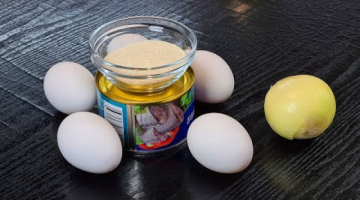
A lonely onion rolls around in the crisper like it pays rent. Eggs sit there looking respectable and boring. And somewhere on the shelf-quiet, patient, slightly dusty-waits a can of fish that was clearly bought “for emergencies,” then immediately forgotten.
Today we’re using that exact can.
And I’m going to prove (gently, but convincingly) that with a few everyday ingredients you can turn ordinary canned fish into something that feels… unexpectedly special. Not “fine, I guess.” Not “diet food.” Not “sad lunch.” I mean a warm, golden, sliceable, tender savory bake that people pick at like it’s the best thing on the table-then ask what’s in it.
It’s simple. It’s fast. It’s pantry-friendly. And it has that old-school kitchen magic: very little goes in, but something bigger comes out.
This is a crustless canned fish and egg pie-more like a fluffy savory custard bake-with caramelized onion, a touch of semolina to set it, and a cozy aroma that makes the whole house feel fed.
Why This Recipe Works So Well
Because it’s built on three things that make almost any savory dish feel satisfying:
-
Aromatics (onion, lightly sautéed until sweet and mellow)
-
Protein + richness (fish + eggs, the classic comfort combo)
-
A gentle binder (a couple spoonfuls of semolina to hold everything together without turning it heavy)
No fancy techniques. No obscure ingredients. No fussy timing.
Just: chop, sauté, mix, bake.
And the result lands right in that perfect zone: soft but not wet, hearty but not dense, savory but not fishy-in-your-face. It’s the kind of thing you can serve warm for dinner, room temp at a potluck, or cold from the fridge when you’re “not hungry” (and then somehow it’s gone).
Ingredients You’ll Need
This is the base version-clean, reliable, and surprisingly elegant once baked.
Main Ingredients
-
1 can canned fish (about 5–7 oz / 140–200 g)
Great options in the U.S.: sardines, mackerel, salmon, or tuna (in oil or water). -
1 medium onion, finely diced
-
5 large eggs
-
2 tablespoons semolina (fine)
If you can’t find semolina easily, see substitutions below. -
Salt and black pepper, to taste
-
1 tablespoon sunflower oil (or any neutral oil) for sautéing
Plus a little extra for greasing the baking dish
Optional (but honestly lovely)
-
A pinch of smoked paprika (especially if using tuna)
-
A handful of fresh dill, parsley, or green onions
-
A squeeze of lemon for serving
Choosing the Best Canned Fish (Without Overthinking It)
This dish is forgiving, but the fish does set the tone.
Sardines
Rich, savory, and deeply flavored. If they’re packed in olive oil, the bake comes out almost luxurious. Sardines also tend to mash beautifully while still leaving little pieces that feel “real,” not like paste.
Mackerel
Bold, meaty, and confident. If sardines feel too intense, mackerel can be a smoother ride-still flavorful, less sharp. Black pepper loves mackerel. So does lemon.
Canned Salmon
Milder, slightly sweet, and very “American pantry.” If you want a bake that even fish-skeptics tolerate politely… salmon is your diplomat.
Tuna
Tuna works, but choose a decent one. The bake can lean a bit dry if the tuna is very lean, so tuna in oil (or adding an extra teaspoon of oil) helps. Tuna also benefits from herbs and a tiny pinch of something smoky.
Quick Safety/Quality Check
-
Don’t use cans that are bulging, leaking, rusted through, or badly dented on the seam.
-
Use within the best-by date for best flavor and texture (not just safety).
A Tiny History Bite: Why Canned Fish Exists at All
Food preservation got serious when people started traveling, fighting, exploring, and generally living far from fresh kitchens.
Early modern canning grew out of the need to feed people reliably-especially soldiers and sailors-when fresh food couldn’t survive the journey. Once sealing and heat-processing became standard, canned fish quietly became one of the most practical protein sources on the planet: shelf-stable, affordable, nutrient-dense, ready when you are.
And today? With a pantry and a few eggs, you can pull off something that feels like comfort food with a twist-no emergency required.
Step-by-Step: How to Make the Savory Canned Fish Bake
Set yourself up for success: preheat the oven first. Everything else moves quickly.
Step 1: Preheat the Oven
Heat your oven to 350°F (175–180°C).
Yes, 350°F. The reliable “most things bake well” temperature.
Step 2: Sauté the Onion
Finely dice the onion into small cubes-think: neat, even pieces. Not minced to mush, not chunky enough to stand out like surprise rocks.
Warm 1 tablespoon oil in a skillet over medium heat.
Add the onion and sauté 2–3 minutes, just until it turns soft and fragrant. You’re not aiming for deep browning here-more like gentle sweetness. When the kitchen starts smelling like “something good is happening,” you’re done.
Let the onion cool for a minute so it doesn’t scramble the eggs later.
Step 3: Prepare the Fish
Open the can. Drain excess liquid.
If it’s packed in oil, you can drain most of it, but don’t feel pressured to get it bone-dry-some richness is welcome.
Transfer the fish to a mixing bowl and mash lightly with a fork. The goal is a texture somewhere between a spread and chunky flakes.
-
Too smooth = it becomes one-note and “pâté-like.”
-
Too chunky = slices crumble and feel uneven.
Aim for flake-forward, with visible pieces.
Step 4: Whisk the Eggs
In a separate bowl, crack 5 large eggs.
Whisk until just combined and lightly foamy-about 20 seconds of honest effort. You’re not making a meringue. You’re waking them up.
Step 5: Add Semolina, Seasoning, and Combine
Pour the eggs into the fish bowl.
Add:
-
2 tablespoons semolina
-
salt and pepper to taste
Mix gently but thoroughly. Add the sautéed onion. Mix again.
Now let the mixture sit 5 minutes.
That pause matters: semolina absorbs moisture and helps the bake set into clean slices instead of collapsing into soft scramble.
Step 6: Bake
Grease a small baking dish (an 8x8-inch dish works well, or a similarly sized casserole dish).
Pour in the mixture and smooth the top with the back of a spoon.
Bake 20–25 minutes at 350°F.
What happens in the oven is basically a small, delicious science project:
-
The eggs set into a tender structure.
-
The fish becomes part of the custard-savory, anchored.
-
The semolina stabilizes the whole thing so it holds a slice.
-
The top develops a light golden “cap” that makes it feel like real baked food, not just eggs-in-a-dish.
Step 7: Rest, Slice, Taste
When it comes out, let it rest 5–10 minutes.
This is not optional if you want clean slices. Hot custard-style bakes need a minute to calm down and firm up.
Then slice into squares or diamonds and serve.
How to Know It’s Done
Use whichever signal you trust most:
1) The Golden Top
The surface should look lightly browned-like warm toast, not pale.
2) The Jiggle Test
Gently shake the dish. The center should be set, maybe with the faintest soft wobble-but not liquid.
3) The Toothpick
Insert a toothpick in the center. It should come out mostly clean, with maybe a moist crumb-no wet egg.
4) The Smell
When you smell sautéed onion + warm savory fish + baked egg all at once, you’ll know. Your brain recognizes “food is ready” faster than timers do.
What This Tastes Like (So You Can Sell It to Your Family)
This isn’t “fishy.” It’s savory.
The onion turns sweet and soft. The fish tastes deeper and rounder after baking. The eggs make everything plush. The semolina disappears into the background, leaving structure instead of grit.
It eats like:
-
a gentle quiche without crust,
-
a savory breakfast casserole,
-
or a snackable appetizer bake that works warm or cold.
And yes-people who “don’t like canned fish” often like this. Because it doesn’t scream “I came from a can.” It whispers “I was baked on purpose.”
Nutrition (Approximate)
Exact numbers depend on the fish you choose (oil-packed vs water-packed changes things a lot), but this bake is generally a strong protein option without going overboard.
Per 100 g (rough estimate):
-
Protein: ~11–13 g
-
Fat: ~8–12 g
-
Carbs: ~4–8 g
-
Calories: ~150–190 kcal
If you want it lighter, choose fish in water and use minimal oil. If you want it richer (and more “party snack”), fish in oil is your friend.
Best Substitutions (If You Don’t Have Semolina)
Semolina is a gentle binder, but you can swap it.
Good substitutes
-
Farina / Cream of Wheat (closest texture in many U.S. stores)
-
Fine cornmeal (slightly more texture, a little sweetness)
-
Rice flour (for gluten-free; use 1–1½ tablespoons first, then adjust)
-
Oat flour (or very finely ground oats)
Not ideal, but works
-
Breadcrumbs (gives a more “stuffing” texture)
-
Crushed crackers (tastes great, less elegant, more snacky)
If your mixture looks very wet, add 1 extra teaspoon of your chosen binder and wait a couple minutes before adding more.
Variations That Make It Feel New Every Time
Once you’ve made the base version, you’ll start seeing options everywhere.
1) Fresh Herb Version
Add a small handful of chopped dill, parsley, or green onions. It instantly shifts from “pantry” to “springtime.”
2) Mediterranean Version
Add:
-
a spoonful of chopped olives or capers
-
a pinch of oregano
Serve with lemon.
It tastes like you planned it.
3) Cheesy Top (Highly Recommended)
Sprinkle a handful of shredded sharp cheddar or Parmesan on top during the last 5 minutes of baking.
You get a browned, savory crust that makes people hover near the oven.
4) Muffin-Tin Party Bites
Pour the mixture into a greased muffin tin and bake about 12–15 minutes.
Now you have grab-and-go savory bites for brunch or a game-day tray.
5) Spicy Version
Add a pinch of:
-
chili flakes, or
-
a few dashes of hot sauce, or
-
diced pickled jalapeños.
Canned fish handles spice surprisingly well.
Serving Ideas (From Casual to “Look, I Tried”)
For breakfast
Serve warm with:
-
sliced avocado
-
a spoon of salsa
-
black coffee and the feeling you’ve got your life together
For lunch
Slice and tuck into a sandwich with:
-
lettuce
-
a little mustard
-
pickles (pickle people will understand)
As an appetizer
Cut into small squares and serve with:
-
lemon wedges
-
a simple yogurt-dill sauce
-
fresh herbs on top
It looks fancy with almost zero effort, which is the best kind of fancy.
For a cozy dinner
Pair with:
-
a big crunchy salad
-
roasted potatoes
-
or warm bread and butter
This bake doesn’t need much company, but it behaves politely with sides.
Storage and Reheating
This is one of those dishes that’s almost better the next day.
To store
Cool completely, then refrigerate in an airtight container for up to 3 days.
To reheat
-
Oven: 300°F for 8–10 minutes (best texture)
-
Microwave: quick, but keep it gentle (it can toughen if overheated)
To serve cold
Yes. It works. Slice it straight from the fridge and eat it like a savory snack. You will not be the first.
Frequently Asked Questions
Can I use fish in tomato sauce?
You can, but the flavor shifts-more tangy, more assertive. If it tastes sharp, balance with a small pinch of sugar or serve with something creamy (like a yogurt sauce).
Why did my bake fall apart?
Most common reasons:
-
You didn’t let the semolina sit and absorb moisture.
-
The fish was extremely wet and needed better draining.
-
You cut it too hot (resting matters).
Next time: drain well, rest the mixture 5 minutes before baking, and rest the finished bake 5–10 minutes before slicing.
Can I make it gluten-free?
Yes-swap semolina for rice flour or fine cornmeal. Start small, because some gluten-free binders thicken quickly.
Can I add vegetables?
Yes, but keep them dry. Sautéed mushrooms, spinach (well-squeezed), or bell peppers (cooked down) work. Raw watery vegetables can make the bake too soft.
A Little Kitchen Scene (Because Food Is Never Just Food)
While it bakes, the kitchen changes tone.
The pan you used for onions sits on the stove, still giving off warmth. The bowl with egg streaks looks messy in that honest, lived-in way. The air carries two aromas at once: that sweet onion softness and the deeper, salty ocean note from the fish.
The oven hums steadily-like it’s doing something important, even if the world outside is loud and complicated.
Twenty minutes pass, and you open the oven to a golden top that looks far more confident than the ingredient list suggested.
You cut the first slice. The top gives a gentle crackle. The inside is tender, steaming, and surprisingly neat. Fish pieces are visible-present, not hidden. The onion has disappeared into sweetness. The semolina did its invisible job.
And suddenly this isn’t “just a can of fish.” It’s food. Real food. The kind that makes you stand at the counter for “one more bite,” then realize your plate is empty.
Final Thoughts: Simplicity Can Be the Most Impressive Thing on the Table
There’s a special pride in turning basic ingredients into something that feels intentional.
This savory canned fish bake isn’t trying to be trendy. It isn’t pretending to be restaurant food. It doesn’t need a crust or a sauce or a fancy name to earn its place.
It’s warm, straightforward, and unexpectedly charming-exactly the kind of recipe you keep for the days when you want a win without a struggle.
So grab that can. Chop the onion. Crack the eggs. Bake the whole thing into something that smells like comfort and tastes like you knew what you were doing all along.
If this becomes one of those recipes you make “just because,” I won’t be surprised.