Котлеты, Драники
-
Main Dishes

- Котлеты, Драники
Котлеты, Драники
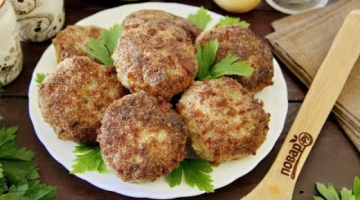
Vegetable & Cheese Meat Patties
ThuPMUTCE_January+0000RJanPMUTC_01 A juicy, budget-friendly dinner built for peak produce season A plain weeknight dinner can feel like a small holiday when three things line up at the same time: tender ground meat, the fresh sweetness of seasonal vegetables, and that soft, stretchy richness you only get when cheese melts into the center and then kisses the pan into a golden crust. These vegetable and cheese meat patties (think “cutlets,” but in a simpler, everyday American shape) are exactly that kind of meal. The ingredients are basic, the technique is forgiving, and the result tastes like you put in far more effort than you actually did. They come out tender, moist, and aromatic, and they pair with almost any side: mashed potatoes, rice, quinoa, roasted vegetables, a quick salad, even a sandwich bun when you want something handheld. This guide goes deep-because the small details are what separate “fine” patties from the kind your family asks for again. You’ll get the best ingredient choices, a step-by-step method, smart variations, make-ahead and freezer tips, serving ideas, quick sauces, troubleshooting, and a realistic nutrition overview. Recipe Summary Yield, timing, and what you’re making Yield: about 8–10 medium patties Servings: 4 (with seconds) or 6 (with sides) Prep time: 15–20 minutes Cook time: 15–25 minutes (depending on method) Total: 35–45 minutes You’re making juicy meat patties where grated onion, potato, carrot, and zucchini keep the interior soft and moist, while shredded cheese adds richness and helps form a more appetizing crust. Breadcrumbs (or a substitute) build a protective layer so the patties brown instead of drying out. A Small Kitchen Story Why this works so well when vegetables are at their best There’s a particular kind of morning that pushes you toward recipes like this. The produce looks brighter, the herbs smell sharper, and zucchini finally stops being an overpriced decoration and becomes what it’s meant to be-everyday food. Not fancy. Not complicated. Just generous. This is the kind of dish older generations often called “a quick lunch,” but the idea is smarter than it sounds: take something satisfying (ground meat), stretch it with vegetables that bring moisture and sweetness, and add a bit of cheese for comfort. The end result is budget-friendly, family-friendly, and surprisingly elegant on a plate-especially when the patties are browned properly and you let them rest for a few minutes before serving. Why These Patties Win Five reasons they’re worth repeating Balanced flavor. Meat gives depth, zucchini brings tenderness and moisture, carrot adds gentle sweetness, and cheese leaves a creamy finish. Better texture than plain ground meat. Vegetables keep the interior soft. Potato starch helps the mixture hold together without needing lots of breadcrumbs. Flexible and forgiving. You can switch meats, swap vegetables, and choose pan-fry, bake, air fry, or steam. Plays nicely with sides. Rice, mashed potatoes, roasted veggies, grains, slaws, salads-everything fits. Smart for meal prep. Mix once, cook once, and you’ve got dinner plus lunch the next day. Freeze extras and future-you will be grateful. Ingredients Simple grocery-store basics (US-friendly measurements included) Below are the core ingredients with both metric and common US equivalents. Don’t stress about being perfect-this recipe is flexible. Ground meat - 400 g (about 14 oz / 0.9 lb) Chicken, turkey, pork, beef, or a mix. (More on choosing below.) Onion - 1 medium Potato - 1 medium Egg - 1 large Garlic - 2 cloves Carrot - about 50 g (about 2 oz), roughly ½ cup grated Zucchini - about 100 g (about 3.5 oz), roughly 1 packed cup grated Cheese - 100 g (about 3.5 oz), roughly 1 cup shredded Cheddar, Gouda, Monterey Jack, or any flavorful melting cheese. Breadcrumbs (for coating) - as needed Plain or seasoned; panko also works. Fresh dill - to taste Or parsley if that’s what you keep. Salt and ground black pepper - to taste Oil - 2 to 3 tablespoons for pan-frying Neutral oil works best. Ingredient Roles What each one is doing (so you can swap intelligently) Ground meat: structure + protein + main flavor. Onion: moisture + sweetness + aroma. Potato: starch binder + soft texture. Carrot: color + sweetness + gentle bite. Zucchini: moisture + tenderness (but must be squeezed). Egg: “glue” that helps everything hold together. Cheese: richness + melt + better browning. Breadcrumbs: crisp exterior + protects moisture. Dill/greens: freshness that keeps the flavor from feeling heavy. Garlic + pepper: backbone seasoning. Choosing Products The details that quietly decide whether they’re juicy or dry Pick the right meat. If you want maximum juiciness, choose a mix with a little fat (ground beef 80/20, ground pork, or a beef/pork blend). If you want lighter patties, use chicken or turkey-but understand the tradeoff: lean poultry dries out faster, so don’t skip the zucchini and don’t overcook. Zucchini must be young-ish and squeezed. A tender zucchini with thin skin is ideal. Grate it, salt it lightly, wait 5 minutes, then squeeze. If you skip this, your mixture can turn loose and the patties may “swim” in the pan instead of browning. Grate the potato and carrot finely. Fine grating helps them blend into the mixture. Big shreds can break texture and make patties harder to shape. Choose cheese that melts well. Cheddar and Gouda give a clear “cheesy” taste. Monterey Jack is mild and melts beautifully. If you like a sharper finish, mix in a little aged cheddar. Herbs matter more than people think. Dill gives a fresh, slightly sweet herbal edge. Parsley is cleaner and more neutral. Green onion can work too, but don’t overdo it. Step-by-Step Recipe From prep to plate (with clean, repeatable steps) Step 1: Prep the vegetables Wash and dry the vegetables and herbs. Grate the zucchini on the small holes of a grater. Sprinkle with a pinch of salt, let it sit 5 minutes, then squeeze well. You want it damp, not dripping. Grate the potato and carrot finely. Grate the onion (or mince it very finely). If you grate it, you’ll get extra moisture and better texture-just what we want. Shred the cheese. Mince dill and press or mince garlic. Step 2: Mix the meat mixture In a large bowl, combine: ground meat grated/squeezed vegetables (zucchini, potato, carrot, onion) shredded cheese egg garlic and dill salt and black pepper Mix until evenly combined, but don’t knead it aggressively for minutes. Overmixing can make the patties dense. Aim for a cohesive mixture that still feels light. Texture check: If the mixture seems too wet to shape, add 1–2 tablespoons of breadcrumbs into the mix (not just for coating). If it seems too dry, add 1 tablespoon sour cream or plain Greek yogurt. Step 3: Chill briefly (small step, big payoff) Cover and refrigerate the mixture for 15 minutes. This helps the proteins and starches bind a bit, and shaping becomes easier. The patties also hold together better during cooking. Step 4: Shape and coat Set out a plate with breadcrumbs (or panko). Wet your hands with cool water. Portion the mixture into patties-about 2.5 oz (70 g) each. Shape into oval patties or classic rounds. Flatten slightly so they cook evenly. Coat each patty in breadcrumbs. Optional for extra crunch: Double coat. Breadcrumbs → beaten egg → breadcrumbs again. It’s a little messier, but the crust is fantastic. Step 5: Choose your cooking method Pick the method that fits your evening. Cooking Method 1 Pan-Fry (best crust, classic taste) Heat a heavy skillet over medium heat. Add 2–3 tablespoons oil and let it warm (not smoking). Place patties in a single layer with space between. Cook 3–4 minutes per side until golden. Reduce heat to low, cover with a lid, and cook 6–7 minutes more. Doneness note: For safety, ground meat should be cooked through. If you’re using poultry, aim for 165°F in the center. For beef/pork blends, many people target 160°F to be safe. Cooking Method 2 Oven-Baked (clean, hands-off, still juicy) Preheat oven to 375°F (190°C). Line a sheet pan with parchment, lightly oil it. Arrange patties and mist/spray tops lightly with oil. Bake 20–25 minutes, flipping once halfway. Tip: If you want more color, broil for 1–2 minutes at the end-watch carefully. Cooking Method 3 Air Fryer (fast and evenly browned) Preheat air fryer to 360°F (180°C). Lightly oil the basket or use perforated parchment. Cook 10–12 minutes, flipping once. Air frying gives a surprisingly crisp crust with less oil than pan-frying. Cooking Method 4 Steaming (lightest option) Steam about 25 minutes. You’ll lose the crust, but the patties stay soft and tender-good for kids and lighter diets. If you miss browning, sear them quickly after steaming. Secrets for Maximum Juiciness Small moves that change everything Squeeze zucchini properly. This is non-negotiable. Wet zucchini makes the mixture loose and can sabotage browning. Don’t smash patties too thin. A medium thickness keeps them juicy. Use a spoon of dairy if needed. 1 tablespoon sour cream or Greek yogurt boosts tenderness and gives a subtle creamy note. Spice gently, but don’t stay boring. A pinch of ground coriander or a tiny pinch of nutmeg works beautifully with carrot + cheese. Not enough to taste “spiced,” just enough to make the flavor feel fuller. Rest after cooking. Let patties sit 3–5 minutes before serving. Juices settle. Texture improves. Substitutions and Variations Swap without ruining the recipe Vegetable swaps Zucchini → peeled eggplant (squeezed), pumpkin/squash, or bell pepper (finely chopped). Squash adds sweetness; eggplant adds a soft, slightly smoky vibe. Binder swaps Potato → quick oats (finely ground) or cooked rice. Oats increase fiber and keep patties tender. Rice makes them softer and more “comfort food.” Cheese swaps Cheddar/Gouda → mozzarella (milder and stretchy), feta (saltier), smoked cheese (deeper flavor). If using feta, reduce salt. Breadcrumb swaps (including gluten-free) Panko for crunch Cornmeal for a slightly gritty crispness Oat flour for gluten-free Crushed gluten-free crackers for easy pantry use Flavor upgrades Add sun-dried tomatoes (finely chopped) for a savory punch. Mix in ½ teaspoon Dijon mustard for a “why is this so good?” note. Add a little smoked paprika if you want warmth without heat. Serving Ideas Five ways to make them feel new every time Classic comfort plate: Mashed potatoes + cucumber salad + extra dill. Mediterranean-ish dinner: Bulgur or couscous + yogurt sauce + lemon wedges. Fitness-friendly bowl: Quinoa + steamed broccoli + mustard-yogurt dressing. Sandwich mode: Brioche bun or soft roll + lettuce + tomato + BBQ sauce. (These patties behave like a very good burger.) Kid plate: Make mini patties, serve with rice and green beans. Add a simple ketchup or mild yogurt dip. Quick Sauces Five-minute options that match the patties Yogurt-Mustard Sauce ½ cup thick plain yogurt 1 teaspoon Dijon mustard pinch of salt optional: tiny drizzle of honey Fast Tomato Herb Sauce crushed tomatoes (or tomato puree) garlic oregano a spoon of olive oil Simmer 5–7 minutes if you want it thicker. Quick Cheese Sauce Melt 2 oz processed cheese with 2 tablespoons milk, whisk smooth. Add a pinch of turmeric if you want a warm color (optional). Mushroom Cream Sauce Sauté sliced mushrooms, add a splash of cream, simmer until thick. Salt and pepper to finish. Simple Dill Sour Cream Sour cream + chopped dill + salt + pepper. Sometimes the simplest one wins. Nutrition Snapshot What you’re roughly getting (per 100 g cooked, pan-fried) Approximate values will vary based on meat and cheese choices, and how much oil is absorbed. Calories: about 180–200 Protein: ~11–13 g Fat: ~10–12 g Carbs: ~7–9 g Fiber: ~1–2 g If baked or air-fried, calories and fat typically drop a bit because you use less oil. Storage and Freezing How to keep them great, not “sad leftovers” Refrigerator: Cooked patties keep well up to 2 days in a sealed container. Freezer option 1: Freeze raw patties (best for fresh texture later) Shape patties (you can skip coating for now). Freeze on a tray until firm. Transfer to a freezer bag. Storage: up to 3 months. Cook: coat with breadcrumbs right before cooking. Freezer option 2: Freeze cooked patties (fastest future meals) Cool completely, wrap individually, store in a container. Storage: up to 2 months. Reheating: Oven: 325°F (160°C) for about 10 minutes Microwave: medium power, short bursts (to avoid rubbery texture) FAQ Quick answers to common doubts Can I make them with no oil at all? Yes. Bake them on parchment or a silicone mat. You’ll lose some crunch, but they’ll still be juicy. What if my zucchini is super watery? Squeeze harder-and don’t toss the juice if you don’t want to waste it. Add it to a soup, stew, or sauce. Are these good for kids? Very. Use mild cheese, skip spicy seasoning, and choose a lean but not ultra-dry meat. Mini patties are usually an instant win. Why are my patties falling apart? Most common causes: zucchini not squeezed, mixture not chilled, patties flipped too early, or heat too high. Chill the mixture 15 minutes, squeeze zucchini well, and let the first side brown before flipping. Can I prep everything ahead? Absolutely. Mix the meat base in the morning, keep covered in the fridge, shape and cook in the evening. Flavor actually improves with a little rest. A Make-Ahead “Plan B” That Saves Busy Nights The easiest freezer strategy Make a double batch of the mixture. Shape patties, freeze them flat on a tray, then bag them. When life gets chaotic and dinner plans collapse, you’ve got a real meal ready to go-no takeout panic, no “we’ll just snack.” Coat frozen patties in breadcrumbs right before cooking. Cook a little longer and keep heat moderate so the outside doesn’t brown too fast while the center catches up. Final Notes The point of this recipe (and why it keeps coming back) Vegetable season is short, and it’s generous. This is one of those recipes that respects that generosity without turning it into a complicated project. You take what’s affordable and fresh, combine it with something satisfying, and you end up with patties that are: quick enough for a weeknight juicy and comforting flexible for different diets and budgets easy to make ahead genuinely tasty the next day Heat the pan, listen for that first quiet sizzle, and let the kitchen smell like garlic, herbs, and browned cheese for a while. That’s not “just dinner.” That’s a small reset.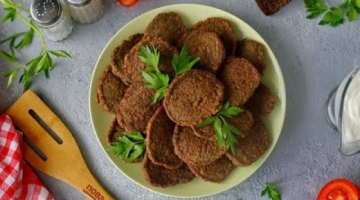
Liver Patties With Pork Fat (Salo-Style): A Tender, Old-World Dinner You’ll Want on Repeat
SatPMUTCE_January+0000RJanPMUTC_01 There are smells that don’t just fill a kitchen - they pull a door open in your head. For some people it’s cinnamon rolls. For others it’s tomato soup and grilled cheese on a rainy day. For me, it’s the quiet hiss of liver batter hitting warm oil, that first garlic note rising up, and the moment the edges turn golden before the middle has even decided what it wants to be: pancake, cutlet, or something in between. This recipe is exactly that kind of food. Practical. Fast. Deeply comforting. Surprisingly gentle when you cook it right. These liver patties (you can call them liver fritters or liver “cutlets”) are made juicy on purpose - not by drowning them in sauce later, but by mixing the liver with a small amount of pork fat (Eastern European “salo,” very similar to unsmoked fatback). That fat is the secret: it keeps the patties moist, soft inside, and forgiving even if you’re cooking on a regular weeknight with distractions everywhere. And yes: this works for adults and kids - you just change the size, the heat, and the crust. No fancy equipment is required. A blender makes it smoother, a grinder makes it more rustic, and a knife works if you’re stubborn and patient. The result is the same promise: tender patties, savory aroma, and a plate that empties fast. Why These Liver Patties Work So Well The “healthy but actually enjoyable” balance Liver is famously nutrient-dense (iron, B vitamins, vitamin A), but it can be dry and intense if treated like a regular meat. Pork fat fixes both problems: it rounds the flavor and prevents that chalky, overcooked texture. Two serving styles in one recipe Make full-size patties with a golden crust for grown-up plates. Make mini patties for kids, sliders, or lunchboxes. Quick timing that’s real From fridge to first batch on the plate is about 25–30 minutes - including chopping. Ingredients (Makes About 12–16 Small Patties) Below is the localized U.S. version with practical measures. If you love a scale, keep the grams - they’re reliable. Liver (chicken is the most tender) - 14 oz (400 g) Yellow onion - 1 medium Pork fatback / unsmoked salt pork / “salo” - 3 oz (80 g) Tip: slightly firm or partially frozen is easiest to chop. Egg - 1 large All-purpose flour - 2 to 3 Tbsp, heaping Garlic - 2 to 3 cloves Neutral oil for frying (canola, avocado, sunflower) - about 3 Tbsp (you may use more as needed) Ground nutmeg - 2 to 3 pinches Fine salt - to taste Black pepper - to taste (freshly ground is worth it here) Choosing Your Liver: Chicken, Beef, or Pork Chicken liver: mild, quick-cooking, soft texture - the easiest entry point. Beef liver: stronger flavor, firmer; many people prefer soaking it briefly in milk to soften the bite. Pork liver: somewhere in the middle, often richer than chicken but less sharp than beef. The Texture Secrets That Separate “Okay” From “Wow” 1) Keep everything cold Cold liver and cold fat chop cleanly. Warm fat smears and turns your mixture into something oddly glossy and less pleasant. 2) The ratio matters A dependable starting point is about 5 parts liver to 1 part fat by weight. Want lighter? Reduce the fat a bit. Want burger-level juiciness? Add a touch more - but don’t turn it into a grease sponge. 3) Decide your “grain” Blender: smooth, cohesive, almost creamy patties. Meat grinder: tiny bits stay visible; the texture has “bite.” Hand chop: rustic, uneven, very old-school. None is wrong. Pick your mood. Step-by-Step Recipe Step 1: Prep the ingredients Trim off obvious connective tissue if needed (especially for beef liver). Cut liver into chunks. Dice the pork fat into smaller pieces so your blender or grinder doesn’t struggle. Peel the onion and garlic. Step 2: Blend or grind Add liver + pork fat + onion + garlic into your blender or processor. Pulse until everything is combined. Don’t run it forever like a smoothie - you want it unified, but a little texture is a good thing. Over-blending can make the batter feel too uniform and “pasty.” Step 3: Build the batter Transfer to a bowl. Add: egg flour (start with 2 heaping Tbsp) salt pepper nutmeg Mix with a spoon or spatula. Correct consistency: thick pancake batter that slowly slides off a spoon and leaves visible trails. If it’s too loose (some liver is wetter), add: ½ Tbsp flour, or 1 tsp semolina and let it sit 5 minutes to hydrate. Step 4: Fry gently, don’t rush it Heat a skillet over medium heat. Add oil. Spoon batter into the pan, forming patties about 2.5 inches wide (6–7 cm). Keep them modest in size - liver cooks fast, and thick patties are easier to undercook in the center. Cook 2–3 minutes until the underside is browned and the edges look set. Flip carefully. Cook another 2 minutes. If your heat is too high, you’ll get a dark crust and a dry interior. If it’s too low, you’ll get pale patties that taste boiled. Medium is the sweet spot. Step 5: Let them rest Move patties onto a paper towel. Let them sit 2 minutes. This short rest matters: juices redistribute, texture settles, and everything tastes more “finished.” A Safety Note You Should Actually Follow Because liver is an organ meat and because this batter behaves like ground meat, treat doneness seriously. For poultry liver in particular, use the same mindset as chicken: fully cooked through. Food safety guidance for poultry is 165°F (74°C), and ground meats are commonly guided to 160°F (71°C). Best Side Dishes and Sauces (Flavor Duets That Don’t Miss) These patties love a “soft + bright” pairing: something creamy or starchy, plus something crisp or tangy. Pairing Why it works Small upgrade Mashed potatoes Classic comfort: soft meets savory Add chopped dill or scallions Buckwheat or brown rice Nutty grain balances liver richness Sauté onions until sweet and fold in Simple cabbage slaw Crunch + acidity resets your palate Lemon juice + a pinch of sugar Sour cream + mustard sauce Cool, tangy, lightly spicy Add a pinch of coriander Cranberry relish (warm) Sweet-tart lifts the whole dish Warm it slightly before serving If you’re in the U.S. and buckwheat isn’t your weekly staple, don’t overthink it. Mashed potatoes, rice, and a crunchy salad make this feel instantly familiar. How to Make It Kid-Friendly Without Making It “Boring” 1) Go mini Make patties about the size of a large coin. Kids handle small portions better. Adults snack on them without realizing they’ve eaten eight. 2) Softer cooking method Lower heat, cover the skillet for part of the cook. You’ll get a thinner crust and a tender middle. 3) Sneak in vegetables (quietly) Add ½ cup finely grated carrot or zucchini (squeezed lightly) into the batter. It softens the flavor and adds sweetness without turning the patties into veggie pancakes. A Lighter Version That Still Tastes Like the Real Thing If you want “less heavy” but you refuse bland food (good), do this: Replace the pork fat with 1–2 Tbsp butter (still gives richness, less heavy). Replace some flour with quick oats pulsed into crumbs. Sear quickly for color, then finish in the oven at 350°F (175°C) for about 8–10 minutes, depending on thickness. You’ll lose a bit of that classic juiciness, but you’ll gain a cleaner finish. FAQ: The Problems People Hit (And How to Fix Them) Why do liver patties taste bitter? Common reasons: the liver is older, stronger (beef especially), or there’s leftover bile/duct material. Fix: soak slices or chunks briefly in milk, then pat dry; also make sure you trim anything that looks like a tough tube. My batter is too runny and patties fall apart Add a binder: 1 Tbsp flour, or 1 Tbsp semolina and rest 5 minutes. Also check pan temperature: if the oil isn’t hot enough, batter spreads before it sets. Can I make these in an air fryer? Yes, with one adjustment: your batter needs to be thicker, and you need a base (parchment or a lightly oiled tray). A practical method: Scoop thicker patties onto parchment in the basket. Cook around 390°F (200°C) for 8 minutes, flip, then 5 more minutes - adjust by size and your air fryer’s personality. How do I store them? Cool completely. Store airtight in the fridge up to 2 days. For freezing: freeze in a single layer first, then transfer to a bag. Reheat gently in a skillet or air fryer so they don’t turn rubbery. Variations Worth Trying (Same Method, Different Mood) 1) Smoky and spicy Add: 1 tsp whole-grain mustard a pinch of smoked paprika 2) Gluten-free style Replace flour with: oat flour, or a spoon of buckwheat flour 3) Mediterranean shift Swap nutmeg for: dried oregano + a tiny pinch of thyme Serve with yogurt, lemon, and cucumber. 4) Nostalgic “surprise center” Tuck in: a crumb of hard-boiled egg a tiny piece of pickle It sounds odd until you taste it - then it’s suddenly “obvious.” Nutrition Reality Check (The Honest Part) Liver is genuinely packed with nutrients - especially iron and vitamin A - but “more” isn’t always better. Chicken liver, for example, is known to be extremely high in vitamin A and B12, and it’s also high in cholesterol. For most healthy adults, liver in reasonable portions is fine. But for pregnant people (or those trying), excess preformed vitamin A can be a concern, and many public health sources urge caution with liver during pregnancy. So: enjoy this as a powerful food, not an everyday food. A Few Small Tricks That Make a Big Difference Chill the liver for 15 minutes Not frozen solid - just firmer. It chops cleaner, blends neater, and splatters less. Caramelize half the onion Sauté half the onion until golden and sweet, then blend it in. You’ll get depth without adding sugar or extra spice. Perfume the oil Warm a couple garlic cloves in the oil for 30–60 seconds, then remove them before frying. The oil keeps the aroma; the garlic doesn’t burn. Always cook one test patty first Taste, adjust salt and pepper, then commit to the full batch. This saves you from “almost perfect” disappointment. A Fast Weeknight Dinner Plan (So It’s Actually Useful) Start potatoes (or rice) first. While they cook, blend the batter. Fry patties in two quick batches. Throw together a crunchy salad: cucumber + green onion + sour cream, or cabbage + lemon. Plate immediately. This is the kind of dinner that feels bigger than the effort. Serving Ideas When You Want Something Different Open-faced sandwich Toasted rye or sourdough + patty + mustard + pickles. “Farmhouse” burger Bun + patty + melty cheese + garlic mayo + crispy onions. It’s messy in the best way. Party skewers Mini patties + toothpicks + yogurt-lime dip. People will ask what they are, then keep eating them. Final Notes: What You’re Really Making Here These patties aren’t trying to be trendy. They don’t need to. They’re the kind of food that feeds a family without drama, that respects your time, and that still tastes like you cared. The liver brings depth and nourishment. The pork fat brings tenderness. The onion and garlic make the whole house smell like dinner should smell. Cook them gently. Let them rest. Serve something crisp on the side. And when someone takes the first bite and gets that quiet “mmm…” look - you’ll know exactly why this recipe survives generations.