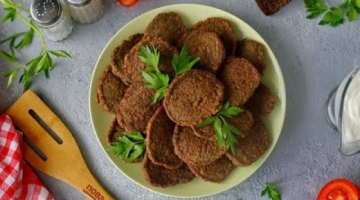
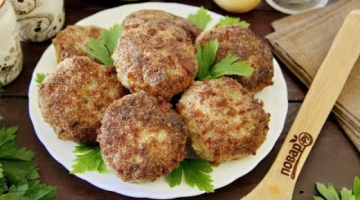
Crispy Potato Pancakes (Draniki) - The Real Deal With a Golden Crunch
There are dishes that feel like a shortcut to comfort. Not “fancy comfort,” not “restaurant comfort,” but the kind that starts the moment oil hits a hot skillet and the kitchen suddenly smells like home. Draniki-classic Eastern European potato pancakes-are exactly that. They’re humble, fast, and ridiculously satisfying: crisp edges, tender center, and that unmistakable potato sweetness that shows up only when you grate it raw and cook it right away.
In the U.S., you’ll often see them described as “potato pancakes,” and they sit in the same big family as latkes, rösti, and even some forms of hash browns. But draniki have their own personality: raw grated potatoes, onion for balance and color, a little binder, and a very specific approach to moisture. Get that part right and you’ll understand why people get weirdly emotional about a plate of these.
Today you’ll get a localized, American-kitchen-friendly version: the same soul, the same method, the same “how is this so good?” result-using ingredients you can find at any grocery store in the States.
What Are Draniki?
Draniki are traditional Belarusian-style potato pancakes made from grated raw potatoes, usually with onion, egg, and a small amount of flour. The name is commonly linked to the idea of “grating” (the whole dish starts with a grater, no shortcuts). In Eastern Europe, they’re a weekday staple and a weekend ritual-served with sour cream, sometimes with herbs, sometimes with something salty on top, and often eaten straight from the pan because waiting is unrealistic.
They became especially widespread in the 1800s, when potatoes were cheap, filling, and kept well through cold months-exactly the kind of ingredient that builds a cuisine around itself.
Why This Recipe Works (Even If You’ve Had “Soggy” Potato Pancakes Before)
The difference between “meh” potato pancakes and “I need to make these again tomorrow” comes down to three things:
-
Moisture control (the batter should be moist, not swimming).
-
Proper heat (hot enough to set a crust quickly, not so hot it burns before the center cooks).
-
Thin shape (thick pancakes turn into an outside-inside argument).
This guide leans hard into those details, because that’s where the magic lives.
Ingredients You’ll Need
This is the classic base-simple, affordable, and built for a crisp crust.
-
5 medium potatoes, peeled (about 1.5 lb / 680 g)
Best choice in the U.S.: Russet potatoes for higher starch and better crunch. -
1 large onion, peeled
-
1 large egg
-
3 tablespoons all-purpose flour, heaping
-
2 cloves garlic, minced
(or 1–1½ teaspoons garlic powder for a softer, background aroma) -
Salt, about 1½ teaspoons (adjust to taste)
-
Black pepper, to taste
-
Neutral oil for frying, like canola, vegetable, or sunflower
Optional (but smart) extras
-
A pinch of smoked paprika for warmth
-
Chopped dill or chives for serving
-
A squeeze of lemon in the sour cream sauce (sounds odd, tastes right)
Tools That Make Life Easier
-
Box grater or food processor with shredding disk
-
A clean kitchen towel or cheesecloth (for squeezing moisture)
-
Large skillet (cast iron or heavy nonstick both work)
-
Spatula that can really get underneath a crust
Step-by-Step: How to Make Crispy Draniki
1) Grate the potatoes fast
Peel and grate the potatoes on the medium holes of a box grater. Work relatively quickly-raw potatoes oxidize and darken when they sit in the air. Onion helps slow that down, but speed still matters.
2) Grate the onion right into the bowl
Grate the onion and immediately mix it into the potatoes. Onion isn’t only flavor-it’s balance. It adds sweetness, aroma, and helps keep the potatoes from turning gray too quickly.
3) Squeeze out the excess liquid (the real secret)
If your potatoes are watery (many are), you must squeeze.
-
Transfer the potato-onion mixture into a towel.
-
Twist hard and squeeze over the sink until the flow slows down.
-
Put the squeezed mixture back in a bowl.
Now here’s the part most people skip:
Let the squeezed liquid sit for 1–2 minutes. You’ll see white starch settle on the bottom. Carefully pour off the water and scrape that starch back into your potato mixture. That starch is a natural binder and helps build a crisp crust.
This single move makes your pancakes hold together better without dumping in extra flour.
4) Season, bind, and balance
Add:
-
egg
-
salt
-
black pepper
-
garlic (fresh or powder)
Mix well.
Then add the flour and stir until the batter looks evenly combined. It should not be paste-thick. It should also not be runny. Think: it holds together on a spoon and drops slowly, not like soup.
5) Heat the pan like you mean it
Pour oil into your skillet so you’ve got a thin layer-roughly ⅛ inch (2–3 mm). Heat over medium to medium-high.
You’re aiming for oil that shimmers and moves easily, but doesn’t smoke. If you drop a tiny strand of potato in and it sizzles immediately, you’re ready.
6) Fry in thin rounds (don’t build potato hockey pucks)
Scoop batter with a tablespoon and place it in the pan. Flatten gently.
Thickness goal: about ¼ inch (6–8 mm).
This is the difference between “crisp and cooked” and “brown outside, raw inside.”
Fry for 2–3 minutes per side until deep golden-like honey moving toward amber.
7) Drain the smart way
Instead of paper towels (which trap steam), place finished draniki on a wire rack set over a sheet pan. Airflow keeps them crisp.
If you must use paper towels, use them briefly and then move pancakes to a rack.
Three Rules for the Perfect Crust
Rule 1: Oil must be hot, not smoky
Hot oil sets the crust fast. Lukewarm oil makes pancakes absorb fat and go soft.
Rule 2: Don’t flip too early
The crust needs time to form and release. If you fight it with a spatula, you tear it.
Rule 3: Don’t crowd the pan
Overcrowding drops the oil temperature and creates steam. Steam is the enemy of crunch.
How to Serve Draniki (American-Kitchen Friendly)
The classic: sour cream
Use full-fat sour cream for the real experience. If you want a quick sauce that tastes like you tried harder than you did:
Herby Sour Cream Sauce
-
½ cup sour cream
-
1–2 tablespoons chopped dill or chives
-
black pepper
-
pinch of salt
-
½ teaspoon lemon juice
Other great toppings (very U.S.-friendly)
-
Applesauce (especially if you like the latke tradition-sweet + salty is a real thing)
-
Smoked salmon + thin sliced red onion
-
A fried egg on top (brunch energy, zero shame)
-
Greek yogurt with herbs (lighter, still creamy)
-
Mushroom sauté (turns it into a real dinner)
Variations That Still Taste Like Draniki
Cheese Draniki
Add ½ cup shredded cheddar or Parmesan. Cheddar gives crispy edges and a richer center. Parmesan makes them more savory and aromatic.
Mushroom-Stuffed Draniki
Sauté chopped mushrooms with onion until dry and browned. Spoon batter into the pan, add a small dollop of mushrooms in the center, then cover with a bit more batter. Flip carefully.
Gluten-Free Option
Swap flour for rice flour or cornstarch (start with 2 tablespoons, adjust). Rice flour can create a beautifully crisp shell.
Egg-Free (Plant-Based) Option
Use a “flax egg”:
-
2 tablespoons ground flaxseed
-
5 tablespoons water
Mix, wait 10 minutes until gelled, then add.
Texture changes slightly-still good, still crisp if you handle moisture correctly.
Oven-Baked Version (Less Frying, Still Good)
You won’t get the exact same skillet crunch, but it’s a solid compromise.
-
Heat oven to 425°F (220°C)
-
Oil a sheet pan generously
-
Spread batter into thin rounds
-
Bake 15–18 minutes, flip, bake 8–10 minutes more
Nutrition Notes (Realistic, Not Fear-Based)
Potato pancakes vary a lot based on oil absorption and size. A common estimate is about ~100 calories for a medium pancake around 37 g, and roughly ~268 calories per 100 g. Treat it as an approximation, not a lab measurement.
Potatoes themselves are known for potassium, and they also provide vitamin C-though heat and cooking method affect how much remains.
If you want draniki to feel more “meal-balanced,” serve them with:
-
protein (egg, yogurt sauce, salmon, chicken)
-
something fresh and acidic (pickles, salad, lemony herbs)
That combo makes them satisfying without feeling heavy.
A Quick History Bite (Because Food Has a Memory)
Draniki are commonly associated with Belarus and the broader Eastern European home-cooking tradition. Potatoes became a dependable backbone ingredient because they stored well, fed families cheaply, and turned into countless forms-soups, dumplings, bakes, and, yes, the crispy pancake that makes people hover near the stove. By the 19th century, dishes like these were widely cooked and recognized as everyday food, not special-occasion food.
And that’s the beauty of it: draniki aren’t trying to impress. They just work.
Troubleshooting: Why Your Potato Pancakes Might Fail
“They turn gray.”
-
You’re working too slowly, or the onion wasn’t mixed in early.
-
Fix: grate onion immediately and mix right away. Fry soon after mixing.
“They fall apart.”
-
Too much moisture + not enough heat.
-
Fix: squeeze harder, return settled starch, and heat the pan properly.
“They’re crispy outside but raw inside.”
-
Too thick or heat too high.
-
Fix: make them thinner and use medium heat so the center cooks.
“They soak up oil and get greasy.”
-
Oil not hot enough or pan overcrowded.
-
Fix: preheat longer and fry in batches.
Make-Ahead, Storage, and Reheating (So They Stay Crisp)
Can you grate potatoes ahead of time?
Honestly-best not to. The batter changes quickly. If you must prep:
-
grate potatoes
-
store submerged in cold water in the fridge briefly
-
drain and squeeze very well before mixing the batter
This saves time, but the flavor and texture are better when made fresh.
Storing leftovers
Cool completely, then store in an airtight container in the fridge for up to 3 days.
Best reheating method (crisp revival)
-
Toaster oven: 400°F for 6–8 minutes
-
Oven: 425°F on a rack for 8–10 minutes
-
Skillet: a tiny bit of oil, medium heat, 2 minutes per side
Microwave will soften them. That’s not a tragedy, but it’s not the point.
FAQ: Fast Answers to Common Questions
Can I use a food processor?
Yes. It’s faster and consistent. Just don’t puree-use the shredding disk.
Should I rinse grated potatoes?
Only if you’re trying to reduce starch on purpose (different dish). For draniki, starch helps bind and crisp.
What oil is best?
Neutral oils with higher smoke points: canola, vegetable, sunflower. Olive oil can work, but the flavor shifts and it can burn easier.
What potatoes work best in the U.S.?
Russets are the most reliable: higher starch, less watery, better crust.
A Small Sunday Story (Because This Dish Loves Mornings)
There’s a moment when the first batch hits the pan and the sound changes-the quiet kitchen becomes alive. It’s not loud, it’s not dramatic. It’s just that clean sizzle that makes you glance toward the stove like, “Yep. This is happening.” People wander in. Someone asks when they’re ready. Someone “just tastes one.” The stack on the plate shrinks before it grows.
That’s the real secret of draniki: they turn a regular day into a little gathering without asking permission.
Final Thoughts: Why You’ll Come Back to This Recipe
-
Minimal ingredients, maximum payoff
-
Fast enough for weekdays, satisfying enough for weekends
-
Easy to customize without losing the soul of the dish
-
Crispy outside, tender inside-if you respect moisture and heat
So grab a grater, keep the batter honest, heat the pan properly, and fry until the edges look like lace. Then serve with sour cream and watch how quickly “just one” turns into “make another batch.”