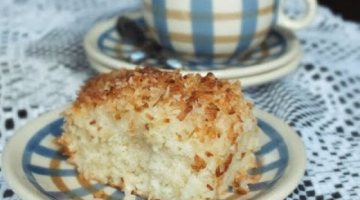
Coconut Kuchen (German Coconut Cream Cake)
There’s a particular kind of kitchen adrenaline that hits when someone texts, “We’re five minutes away,” and you look around thinking, I have nothing sweet. No cookies in a jar. No emergency chocolate. Just a calm oven, a bag of coconut flakes, and that one pan you always trust.
This is where Coconut Kuchen earns its nickname: the lifesaver cake. It’s the kind of bake that feels almost too simple for how comforting it turns out-soft, tender crumb underneath, a sweet coconut “crown” on top, and the signature move that makes people pause mid-bite: you pour cream over the hot cake right after it comes out of the oven. It hisses a little, steams, soaks in, and suddenly you’ve got a moist, bakery-worthy cake that tastes like you planned your entire day around it.
Below is the full, localized version for a U.S. kitchen-cups, teaspoons, Fahrenheit, and real-life substitutions-written in the same story-forward style 7 Strav loves: practical, warm, and detailed enough that you can bake it once and then keep it in your head forever.
Why It’s Called “Kuchen,” Not Just “Cake”
In German-speaking homes, Kuchen is more than a dessert category. It’s an event. The phrase you’ll hear in Germany is Kaffee und Kuchen-an afternoon pause where coffee is poured, something homemade is sliced, and the day becomes softer around the edges.
Coconut kuchen (often known as Kokoskuchen) carries a quiet history too: coconut used to feel “exotic” in a very ordinary pantry. Sweetened coconut flakes store well, travel well, and instantly perfume baked goods with a tropical note-sunny, nostalgic, slightly vacation-like. That’s why coconut cakes became a classic “company is coming” solution: dependable ingredients, minimal fuss, maximum aroma.
And the aroma matters here. Coconut doesn’t just taste sweet-it makes your whole kitchen smell like you’re winning at life.
What This Coconut Kuchen Is Like
Let’s be honest about texture, because that’s what decides whether you’ll bake it again.
-
The base is soft and tender, closer to a simple yogurt/coffee cake than a sponge.
-
The top is a coconut-sugar layer that turns lightly crisp in the oven, then becomes glossy and rich after the cream soak-still with bite, not mushy.
-
The finish is moist but not wet, sweet but not cloying, and somehow even better the next day.
It’s not a fragile cake. It travels well. It slices clean. It forgives small mistakes. It makes you look organized even if you aren’t.
Ingredients You Need (Simple List, Big Result)
This recipe is built around what many people already have. Here’s the lineup, translated for a U.S. pantry and standard measures.
For the Cake Batter
-
All-purpose flour - 1 1/2 cups
-
Kefir - 1 cup (see substitutions below)
-
Granulated sugar - 1/2 cup (100 g)
-
Large egg - 1
-
Baking powder - 2 1/2 teaspoons (about 12 g)
-
Vanilla - 1/2 teaspoon vanilla extract or a pinch of vanilla powder
For the Coconut Topping
-
Unsweetened shredded coconut - 1 cup (about 90–100 g)
-
Granulated sugar - about 1/2 cup minus 1 tablespoon (90 g)
For the Signature Cream Soak
-
Heavy cream - 3/4 cup + 2 tablespoons (200 ml)
(You can also use light cream/half-and-half with adjustments-more on that below.)
That’s it. No butter in the batter. No mixer required. No complicated frosting. Just a smart method.
Best Pan Size and Oven Settings (U.S. Standard)
-
Use a 9-inch springform pan (or an 8-inch if that’s what you have-see notes).
-
Oven temperature: 350°F
-
Bake time: 30–40 minutes, depending on your oven and pan color.
If you’re using a dark pan, your topping may brown faster-keep an eye on it around the 15–20 minute mark.
Ingredient Substitutions That Actually Work
This cake is flexible, but not chaotic. Here’s what you can swap without breaking the result.
No Kefir?
You can use:
-
Plain yogurt (thin it with a splash of milk until pourable)
-
Buttermilk (excellent substitute)
-
Sour cream (thin with milk)
-
Milk + 2 teaspoons vinegar or lemon juice (let sit 5 minutes)
The key is acidity, which helps baking powder lift the crumb and keeps it tender.
No Heavy Cream?
Options:
-
Half-and-half works, but use 1 cup instead of 3/4 cup to keep it juicy.
-
Light cream (coffee cream) is fine, same amount.
-
Coconut milk can work (full-fat is best), but the flavor shifts more tropical and less classic German.
Want Deeper Flavor?
A tiny addition changes everything:
-
1 teaspoon honey in the batter
-
1–2 teaspoons rum (or coconut rum) in the cream
-
A pinch of salt (highly recommended-sweet needs contrast)
Want a “More Whole-Grain” Version?
Replace up to 1/3 of the flour with whole wheat flour. More than that and the cake starts losing its soft, bakery crumb.
Step-by-Step: Coconut Kuchen in 5 Stages
This is the heart of the recipe. Read once, then bake by instinct.
1) Prep the Pan and Oven
-
Preheat oven to 350°F.
-
Grease the springform pan lightly.
-
Optional (but smart): line the bottom with parchment. It makes release effortless.
2) Mix the Wet Base
In a medium bowl, combine:
-
1 cup kefir
-
1 large egg
-
1/2 cup sugar
-
vanilla
Whisk with intention-not just to mix, but to add a bit of air. No need for foam, but you want the sugar to loosen and the mixture to look smooth and slightly lighter.
This step is your quiet texture insurance.
3) Add Dry Ingredients
In a second bowl (or directly over the wet bowl using a sieve), combine:
-
1 1/2 cups flour
-
2 1/2 teaspoons baking powder
Whisk or sift the dry ingredients first if you can. Then add to the wet mixture and stir just until no dry streaks remain.
Don’t overmix. Once flour hydrates, gluten wakes up. Too much stirring turns “tender” into “tight.” You’re aiming for a batter that looks like thick sour cream-pourable but not runny.
4) Pour Batter, Add Coconut “Crown”
Pour batter into the pan and nudge it level.
Now make the topping:
-
1 cup shredded coconut
-
about 1/2 cup minus 1 tablespoon sugar
Mix in a bowl, then sprinkle evenly over the batter like you’re tucking it under a blanket. Try to cover the whole surface. This topping becomes the signature layer.
5) Bake, Then Do the Magic Pour
Bake at 350°F for 30–40 minutes.
Start checking at 30 minutes:
-
A toothpick in the center should come out clean (a few moist crumbs are fine).
-
The topping should be golden, not dark brown.
If the coconut browns too fast:
-
Tent loosely with foil for the last 10 minutes.
-
If your oven runs hot, drop temperature to 325°F near the end.
When it’s done, pull it out and immediately pour the cream over the hot cake.
Yes, immediately.
Pour slowly and evenly across the top. You’ll hear a soft sizzle. The cream will disappear into the cake like it was always meant to be there. That’s the entire point of this kuchen.
Let the cake rest in the pan for 20–30 minutes so it can set and finish absorbing.
Cooling and Slicing (So It Looks Clean)
Here’s how to keep it pretty:
-
After 20–30 minutes, run a thin knife along the edge.
-
Release the springform ring.
-
Let it cool on a rack.
You can slice it warm, and it’ll still hold together, but for the cleanest slices, wait until it’s just slightly warm or room temperature.
If you want bakery-style edges, chill it for 1 hour, then slice.
Small Tricks People Forget to Mention
These are the details that separate “nice” from “wow.”
Room Temp Ingredients Help
Cold kefir and a cold egg can slow the rise. Not a disaster, but if you remember, let them sit out 15–20 minutes.
Don’t Open the Oven Too Early
Avoid opening the door during the first 15 minutes. The topping and cake structure are setting. Sudden temperature drops can make the center sink slightly.
Pour Cream Only on a Hot Cake
If the cake cools too much, the cream won’t soak evenly and you’ll get a wetter top with a drier base. Hot cake = even absorption.
Add a Pinch of Salt
Even if your sweet tooth is loud, salt makes coconut taste more like coconut.
Nutrition Snapshot (Approximate)
Nutrition will vary based on exact cream and coconut used, but a typical estimate per 100 g is roughly:
-
Calories: ~300–330
-
Protein: ~5–6 g
-
Fat: ~14–17 g
-
Carbs: ~35–40 g
Coconut contains fats that are metabolized differently than some long-chain fats, and cream adds richness that makes smaller portions feel satisfying. This is not a “diet cake.” It’s a real cake-the kind you enjoy deliberately, with coffee, without trying to pretend it’s something else.
How Coconut Kuchen Is Served (And Why It Works)
Coconut likes contrast. This cake is sweet, creamy, and aromatic, so pair it with something that snaps back.
Best Serving Ideas
-
Warm slice + vanilla ice cream (classic, always wins)
-
Fresh berries (blueberries and raspberries are perfect)
-
A little citrus zest (lime is surprisingly good)
-
Coffee (strong coffee makes the coconut taste deeper)
Picnic-Friendly Option
Cut into squares, wrap individually, and take it outside. It holds shape, doesn’t crumble into sadness, and tastes like a reward.
Regional-Style Variations (Same Soul, Different Mood)
Once you’ve baked it once, you’ll start imagining edits. Here are variations that stay true to the original structure.
Bavarian-Style Jam Layer
Brush a thin layer of apricot jam over the batter before adding coconut topping. It bakes into a subtle, fruity middle note.
Almond-Coconut Crunch
Add 2–3 tablespoons chopped almonds into the coconut topping. It becomes more nutty, slightly marzipan-adjacent.
Chocolate Coconut Kuchen
Replace 2 tablespoons flour with 2 tablespoons cocoa powder, and add chocolate chips on top after the coconut layer (so they don’t sink).
Citrus Version
Add the zest of one orange to the batter and a splash of orange extract (or a teaspoon of orange liqueur) to the cream.
Nutty American Twist
Use pecans in the topping. Coconut + pecan is a very U.S. comfort combo, like a friendlier cousin of pecan pie.
Storage and Freezing (Because It’s Even Better Later)
This cake stays good longer than most simple cakes because of the cream soak.
On the Counter
If your kitchen is cool:
-
Store covered for 1 day.
In the Fridge
Best option:
-
Store airtight for 3 days.
-
Let slices sit at room temp for 10 minutes before serving for best texture.
Freezing
Yes, it freezes well.
-
Cut into squares.
-
Wrap individually.
-
Freeze up to 2–3 weeks.
Reheat:
-
Oven at 300°F for 8–10 minutes, or
-
Microwave gently (short bursts), though oven keeps the topping nicer.
Troubleshooting (Quick Fixes)
“My topping browned too fast.”
Your oven runs hot or your pan is dark. Next time:
-
Tent with foil around minute 15–20.
-
Or bake at 325°F and extend bake time slightly.
“The cake is dense.”
Most common causes:
-
Overmixing the batter
-
Old baking powder
-
Ingredients too cold (less rise)
“Cream pooled on top.”
The cake may have cooled too much before pouring, or it needed 2–3 more minutes in the oven. Pour cream right away, and confirm center is baked.
“It’s too sweet for me.”
Reduce sugar in topping slightly (try 1/3 cup instead of nearly 1/2 cup). The coconut still shines.
FAQ (The Questions People Actually Ask)
Can I make it in a 9x13 pan?
Yes, but it becomes thinner and bakes faster.
-
Bake at 350°F for 20–25 minutes, start checking early.
-
Increase cream slightly (up to 1 cup) for even moisture.
Can I make it gluten-free?
You can try a 1:1 gluten-free baking flour blend. Texture may be slightly more delicate. Let it cool longer before slicing.
Can I use sweetened coconut?
You can, but reduce sugar in the topping by 2–3 tablespoons, otherwise it can get overly sweet.
Can I bake it ahead?
Absolutely. In fact, it’s one of those cakes that tastes more “together” the next day.
Final Note: Why This Recipe Deserves a Permanent Spot
Coconut kuchen isn’t trying to be trendy. It doesn’t need frosting towers or dramatic layers to feel special. It wins because it’s reliable-because it turns a small list of ingredients into a cake that smells like welcome, tastes like comfort, and looks like you had a plan even if you didn’t.
Make it once when you need a quick dessert. Then make it again when you don’t-just because you want your home to smell like coconut and vanilla, and because sometimes that’s the most practical kind of luxury.