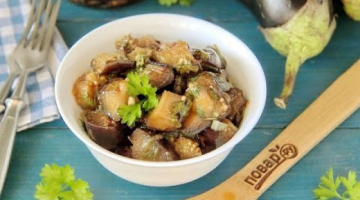
Lazy Winter Eggplant Snack with Garlic and a Big Handful of Parsley
A cozy, market-day jar of flavor for busy people who still want real food.
There’s a certain quiet that shows up in late fall. The farmers market thins out. The air smells like cold leaves and wool scarves. Tomatoes fade into memory, and the last glossy eggplants-deep purple, heavy for their size-sit like little leftovers of summer that refuse to surrender.
This is exactly the moment I love most for “lazy” preserving.
Not lazy in the careless sense. Lazy in the smart sense: minimum fuss, maximum payoff. The kind of recipe where you focus on the details that actually matter-how you cut the eggplant, when you stop stirring, how you wake up garlic-and then let time do the rest. Two days later, the flavors braid together so tightly you’ll wonder how something this simple can taste this deep.
This marinated eggplant with parsley and garlic is a flexible, everyday hero: it can be a snack, a side, a sandwich upgrade, a warm toast topping, a grain-bowl shortcut, or the “something bright” next to meat and potatoes when winter starts feeling endless.
One more important note up front, because I’m not going to sugarcoat it: true shelf-stable canning with oil and low-acid vegetables is a food-safety minefield if the recipe hasn’t been lab-tested. In the U.S., the safest approach for a recipe like this is refrigerator marinating (and/or freezing). I’ll give you options for both, and I’ll also explain what you’d need to do if you want long pantry storage the proper way.
Now-apron on. Let’s turn a handful of ingredients into a jar you’ll crave.
Quick Snapshot
What it is: Soft, golden eggplant cubes tossed with garlic, parsley, vinegar, salt, a touch of sugar, and oil.
Flavor: Bright-sour, gently sweet, garlicky, herby, savory.
Texture: Tender inside, lightly browned outside-never mushy if you cut it right.
Servings: About 4–6 as a snack/side.
Yield: Roughly 1 pint jar (16 oz) or a medium storage container.
Ingredients (U.S. Kitchen Friendly)
You can cook by feel here, but these ratios are solid and repeatable.
-
Eggplant: 1 medium (about 1.1 lb / 500 g)
-
Garlic: 1 whole head (yes, a full head-this is not the time to be shy)
-
Fresh parsley: 1 big bunch (about 1 packed cup, chopped)
-
Distilled white vinegar (5% acidity): 1 tablespoon
-
If you’re used to 9% vinegar, keep reading-U.S. vinegar is usually 5%.
-
-
Sugar: 1/2 teaspoon, or to taste
-
Salt: about 3/4 teaspoon (start here, then adjust)
-
Neutral oil (vegetable, canola, avocado, light olive oil): 1/4 cup
Why each ingredient matters
This is the “lazy” philosophy in a nutshell: fewer ingredients, but each one has a job.
-
Eggplant gives the meaty, satisfying bite that makes this feel like real food, not just a garnish.
-
Garlic is heat, depth, and that unmistakable “I’m hungry again” aroma.
-
Parsley is brightness and contrast-green against the richness of eggplant and oil.
-
Vinegar keeps the flavor awake and sharp; it also helps short-term preservation in the fridge.
-
Sugar doesn’t make it sweet. It rounds the vinegar so the whole thing tastes balanced.
-
Salt pulls flavor forward and helps the eggplant taste like itself, only louder.
-
Oil carries aroma and creates that silky “marinated” finish.
A Few Helpful Facts (the kind you actually use)
-
Eggplant behaves like a sponge when it first hits oil. But if the pan is hot enough and you don’t crowd it, you’ll use less oil than you think.
-
Older eggplants can be bitter because of mature seeds. Salting helps, but choosing the right eggplant helps even more. Pick ones that feel heavy, with smooth skin and a green stem cap that looks fresh.
-
Garlic flavor changes with how you treat it: chopped garlic is sharper; crushed garlic is punchier; garlic paste spreads evenly and “perfumes” the whole bowl.
-
Parsley isn’t just decoration. It’s one of the easiest ways to make winter food taste alive.
Tools You’ll Need
Nothing fancy. Just the basics:
-
Cutting board + sharp knife
-
Large skillet (preferably nonstick or well-seasoned)
-
Mixing bowl
-
Jar or airtight container
-
Spoon/spatula
-
Optional: paper towels, vegetable peeler
Step 1: Prep the Eggplant
Wash the eggplant and trim both ends.
Peel or don’t peel?
-
If you like a more structured bite and a little chew, leave the skin on.
-
If you want a softer, silkier texture, peel in stripes (like zebra lines). That way you get tenderness without losing all structure.
Cut into cubes about 1/2 inch (around 1–1.5 cm).
This size is not random.
-
Too small and it turns into spreadable mush.
-
Too big and the center won’t marinate properly.
If your eggplant is bitter
Not every eggplant needs salting, but if you suspect bitterness:
-
Toss the cubes with 1 teaspoon salt.
-
Let sit 10–15 minutes.
-
Blot dry with paper towels.
-
Proceed.
You’re not “removing toxins” in a dramatic way-you’re just drawing out moisture and some of that harsh edge, which can make the final flavor cleaner.
Step 2: Get the Golden Crust (Without Drowning It in Oil)
Heat a skillet over medium-not low, not screaming hot. You want steady heat.
Add about half the oil (2 tablespoons) and spread it around the pan.
Add the eggplant in a single layer if possible. If your pan is small, cook in two batches. Crowding is the number one reason eggplant turns pale and greasy instead of golden and irresistible.
Here’s the trick: don’t stir immediately.
Give it 2–3 minutes to grab the pan and brown. Then stir, and keep cooking until most sides look golden.
If the pan gets dry, drizzle in more oil slowly. Eggplant will take what it needs. You’re aiming for tender + browned, not deep-fried.
What “done” looks like
-
Cubes are soft when pierced with a fork
-
Edges are browned
-
The kitchen smells like toasted vegetables, not raw bitterness
Step 3: Garlic + Parsley, the Loud Duo
While the eggplant cooks:
Parsley
Rinse and dry it well. Chop it generously, not into dust. You want green pieces you can see and taste.
Garlic paste (fast, effective, evenly flavored)
Peel the cloves from one head of garlic.
Option A (knife paste):
-
Smash cloves with the flat of a knife
-
Sprinkle a pinch of salt
-
Drag the blade across until it becomes a rough paste
Option B (grater/microplane):
-
Grate the cloves into a paste
-
Add a pinch of salt
Option C (garlic press):
-
Press and stir in salt
Paste is worth the extra minute because it spreads flavor through the entire jar instead of giving you random “hot spots.”
Step 4: Build the Marinade While Everything Is Still Warm
In a deep bowl combine:
-
Hot eggplant cubes
-
Garlic paste
-
Chopped parsley
-
Salt (start with 3/4 teaspoon)
-
Sugar (1/2 teaspoon)
-
Vinegar (1 tablespoon of 5%)
-
Remaining oil (whatever you didn’t use in the pan)
Mix gently so you don’t crush the cubes.
Then let it sit on the counter 5–10 minutes.
That short rest matters: warm eggplant absorbs flavor like it was made for this job.
Taste and adjust (this is where it becomes “your” recipe)
After 5–10 minutes, taste a cube.
Want it brighter? Add a little more vinegar.
Want it rounder? Add a pinch more sugar.
Want it bolder? Add salt in tiny pinches until it wakes up.
Step 5: Storage (The Safe, Realistic Way)
Refrigerator method (best flavor, safest for this style)
Pack into a clean jar or airtight container.
-
Let cool to room temperature.
-
Refrigerate.
-
Best after 24–48 hours, when flavors fully marry.
-
Keeps well for 7–10 days, often up to 2 weeks if kept cold and clean (use a clean fork every time).
Freezer method (surprisingly great)
If you want “winter prep” without food-safety stress:
-
Cool completely
-
Pack into freezer containers or freezer bags
-
Freeze up to 3 months
-
Thaw overnight in the fridge
Texture softens slightly, but flavor stays strong. In winter, you’ll forgive everything when you open that container and smell garlic and herbs like it’s August again.
About shelf-stable canning
I’m going to be blunt: a recipe that includes oil + low-acid vegetables requires tested acidity and/or pressure-canning procedures to be shelf-stable safely. Water-bath processing times can’t be guessed, and “it worked for someone” is not a safety plan.
If you truly want pantry storage for many months, the smart approach is to use a tested, U.S.-approved canning recipe (often from Extension services or USDA guidance) designed for safe acidity and processing. That usually means different ratios and steps than a casual marinated snack.
So for this specific recipe style: refrigerator or freezer is the correct move. You still get the winter joy-just without gambling.
How to Serve It (So It Doesn’t Sit in the Fridge Forgotten)
This is where the recipe earns its keep.
1) Toast and “poor-person bruschetta”
Toast a slice of crusty bread. Spoon eggplant on top.
If you want to make it feel fancy without trying: add a smear of cream cheese or a little feta.
2) Grain bowls and quick lunches
Add a few spoonfuls to cooked couscous, quinoa, rice, bulgur, or farro.
Top with chickpeas or lentils and you’ve got a winter-proof lunch.
3) With grilled meat or roasted chicken
The vinegar brightness cuts richness beautifully. It’s the kind of side that keeps a plate from feeling heavy.
4) Winter salad shortcut
Toss together:
-
marinated eggplant
-
canned chickpeas (rinsed)
-
thin-sliced red onion
-
arugula or baby spinach
-
a drizzle of oil and a squeeze of lemon (optional)
It tastes like a deli case in the best way-bold, briny, alive.
5) Pasta rescue
Warm it slightly in a skillet, toss with pasta, add a little pasta water, finish with parmesan.
You just turned a jar snack into dinner.
Variations Worth Trying
When you learn the base, you can steer it anywhere.
Spicy “Caucasus-inspired”
-
Swap half the parsley for cilantro
-
Add chili flakes (start with 1/4 teaspoon)
-
Optional: a pinch of ground coriander
Mediterranean twist
-
Use lemon juice instead of vinegar (for fridge storage only)
-
Swap sugar for a small drizzle of honey
-
Add thyme or oregano
-
Finish with a few chopped olives if you want a salty punch
Smoky version
-
Roast the eggplant cubes on a sheet pan at 425°F for 20–25 minutes, tossing once
-
Add smoked paprika to the marinade
-
This gives that “grilled” vibe without needing an outdoor setup
Add bell pepper (bright and sweet)
Slice bell pepper thin and sauté it with the eggplant.
It adds color and a natural sweetness that feels festive.
Eggplant Troubleshooting (Honest Answers)
“My eggplant soaked up all the oil.”
Your pan likely wasn’t hot enough, or it was overcrowded. Next time: preheat properly and cook in batches.
“It tastes bitter.”
Older eggplant, big seeds, or a variety that runs harsh. Salt the cubes before cooking and choose smoother, heavier eggplants.
“It’s too vinegary.”
Add a pinch more sugar and a drizzle more oil. Let it rest overnight-sharpness calms down.
“I don’t like that fried smell.”
Use a nonstick skillet, medium heat, and add oil in smaller amounts. Or roast instead of pan-fry.
“Can I use dried parsley?”
You can, but you’ll lose the whole point-the fresh green brightness. If you must: use 1–2 tablespoons dried, and add a little scallion or dill if available.
Nutrition (Realistic, Approximate)
This will vary depending on how much oil your eggplant absorbs, but for a typical batch, per 100 g you’ll land roughly around:
-
Calories: 80–110
-
Fat: 6–9 g
-
Carbs: 6–9 g
-
Fiber: 2–4 g
-
Protein: 1–2 g
Eggplant is naturally low-calorie, but this dish isn’t pretending to be diet food. The oil is part of the comfort and the carrier of flavor. You can reduce it by roasting and using less oil in the bowl-just know the texture will be a little less silky.
Why This Recipe Works (Even When You’re Tired)
Because it respects real life.
It doesn’t demand that you stand at the stove for hours. It doesn’t require rare ingredients. It doesn’t punish you if you don’t measure perfectly. And yet it delivers something that feels almost luxurious in winter: color, aroma, sharpness, warmth, memory.
It’s the kind of food that makes you open the fridge “just to check” and then-mysteriously-half the container is gone.
Final Notes: Make It Once, Then Make It Yours
If you’re new to eggplant, this is an easy entry point: bite-sized, bold, forgiving. If you already love eggplant, you’ll appreciate how this recipe lets the vegetable stay the main character without burying it under heavy sauces.
So pick up a couple of firm, glossy eggplants. Chop them into neat cubes. Let them brown properly. Wake up the garlic. Throw in a ridiculous amount of parsley. And give the jar a day or two to do its quiet magic.
When winter hits hard, you’ll open the fridge, smell that garlicky green brightness, and feel-at least for a minute-that summer didn’t disappear. It just learned how to wait.