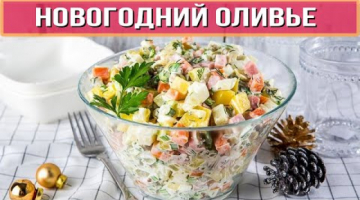
A Russian-Style Holiday Potato Salad With a Fresh, Modern Twist (Perfect for New Year’s and Beyond)
There are dishes that feed more than hunger. They feed memory.
For many Eastern European families, Olivier salad is the winter classic: creamy, chilled, neatly diced, and always waiting in the fridge like a promise that the holiday is real. In the U.S., people often meet it under a different name-Russian potato salad-and sometimes it gets dismissed as “that mayo salad.” Which is a shame, because when it’s done with care, it’s not a cliché. It’s a texture-driven, balance-forward, quietly brilliant dish that can be comforting and elegant at the same time.
This version keeps the recognizable core-potatoes, eggs, pickles, peas, and a mild sausage-yet adds one small, strategic accent: olives. Just a handful. Not enough to hijack tradition, but enough to deepen the flavor and make people pause mid-bite and think, Wait… what’s different?
If you want a holiday salad for a New Year’s table, a potluck, or meal-prep lunches that don’t taste like leftovers, this is it: classic spirit, sharper execution, and a couple of modern decisions that make the whole bowl feel intentional.
What Is Olivier Salad?
Olivier salad is a classic chilled salad built from small cubes of cooked potatoes and eggs, mixed with pickles, peas, and a protein (often bologna-like sausage or chicken), then dressed with mayonnaise. It’s creamy but not mushy, tangy but not sour, rich but not heavy-if you keep the proportions right and respect the texture.
In many families it’s the centerpiece of a winter spread, especially around New Year’s Eve, when the fridge is full and the room smells like citrus and pine needles and something sweet baking somewhere out of frame.
This dish is also a lesson: a salad can be more than raw greens. It can be a composed cold entrée, a side dish, a snack, a tradition, and a time machine-all in one bowl.
A Bite of History (Because It Makes the Flavor Deeper)
The salad is commonly traced back to Lucien Olivier, a chef associated with a famous Moscow restaurant in the 19th century. The original was reportedly far more luxurious than the home version most of us know today-think delicate meats, specialty add-ins, and a refined house sauce in the French style.
Then history did what history always does: it changed supply, access, and taste. Over time, the salad moved from restaurant glamour into everyday kitchens. The ingredients became simpler, more available, more practical-and that “simplified” version turned out to be the one with staying power. Not because it was cheap, but because it was repeatable, satisfying, and family-proof: it could survive imperfect chopping, noisy kitchens, and big gatherings.
Today, we’re lucky: we have options again. Which means we can treat the classic with respect and still give it a subtle upgrade.
Why This Version Works (Without Breaking the Canon)
This recipe keeps the familiar foundation, then makes a few choices that matter:
-
Texture is protected. No watery pickles turning the bowl into soup. No overmixed potatoes dissolving into paste.
-
Flavor is layered. Pickle tang + pea sweetness + egg richness + gentle sausage + a hint of olive depth.
-
The dice is consistent. Not for perfection points-because consistent dice makes a salad taste “clean.” Every bite carries the same structure.
And the olives? They don’t scream “Mediterranean fusion.” They whisper. They make the mayo taste slightly brighter, slightly more grown-up. The salad becomes more dimensional without becoming unfamiliar.
Ingredients for Olivier Salad (6–8 Servings)
Core Ingredients
-
Potatoes: 3 medium (about 1.5–2 lb total)
-
Dill pickles (salted/brined style preferred): 2 medium
-
Hard-boiled eggs: 3
-
Green peas: 200 g (about 1 cup) drained
-
Mild cooked sausage, bologna-style: 300 g (about 10–11 oz)
-
Pitted black olives: 10 (sliced)
-
Mayonnaise: 150 g (about 2/3 cup)
-
Salt: to taste
Best U.S. Substitutions (So You Don’t Have to Hunt Specialty Items)
Potatoes:
-
Yukon Gold = creamy and holds shape well
-
Red potatoes = firm, tidy cubes
-
Russets work, but they crumble faster; be gentle
Pickles:
-
The best match is a brined dill pickle (not sweet).
-
If your pickles are heavily vinegary, use a little less and pat them extra dry.
Sausage (“Doctor’s” style):
-
In the U.S., the closest flavor/texture is bologna, mortadella, or a mild deli loaf.
-
Avoid strongly smoked sausage here; it overpowers the salad’s classic character.
Peas:
-
Canned peas are traditional in many homes because they stay tender and blend well.
-
Frozen peas can work if briefly blanched and fully cooled, but they’re firmer and can change the texture vibe.
Mayonnaise:
Use a mayo you actually like by the spoonful. This is not the time for a “neutral” mayo you tolerate. The dressing is the stage light-if it tastes flat, everything tastes flat.
The Proportion Logic (Why These Amounts Matter)
This salad is essentially a balance equation. Each ingredient has a job:
Potatoes = Structure
They set the base and carry the dressing. Too many potatoes and the salad turns beige and sleepy. Too few and it loses its winter comfort.
Pickles = Snap + Acid
They wake up the mayo and cut the richness. Their crunch is the contrast that keeps the salad from feeling “soft.”
Eggs = Creamy Depth
Egg yolk adds richness that no sauce can fake. Eggs make the salad taste rounded and finished.
Peas = Sweet Pop
They bring freshness and little bursts of sweetness that keep each bite lively.
Mild sausage = Nostalgia + Protein
This is the “classic” note. Not fancy, not aggressive-just familiar and satisfying.
Olives = The Quiet Upgrade
A few slices scattered through the mix create little moments of savory depth-slightly briny, slightly buttery, almost mineral. It’s subtle, but it changes the whole mood.
Step-by-Step: How to Make Olivier Salad That Stays Crisp, Not Mushy
Step 1: Cook the Potatoes for Clean Cubes
You’ll hear two schools of thought:
-
boil potatoes whole in their skins, cool, peel, then dice
-
dice first, then boil briefly
This recipe leans into the second method because it’s efficient and helps control texture-if you’re careful.
Method: Dice-Then-Boil
-
Peel potatoes (optional if using thin-skinned potatoes, but peeling makes a cleaner cube).
-
Cut into 6–8 mm cubes (about 1/4 inch).
-
Bring a pot of water to a full boil and salt it well.
-
Add potatoes and simmer until just tender-about 6–9 minutes, depending on potato type and cube size.
-
Drain immediately and spread on a tray to steam off and cool.
Why this works:
When cubes cook quickly, they keep their edges. The outside sets, the inside becomes tender, and the salad doesn’t collapse into starchy paste when stirred.
Important: Don’t overcook “because it’s salad.” Overcooked potatoes turn into glue as soon as mayo touches them.
Step 2: Hard-Boil Eggs With Zero Drama
For eggs that peel cleanly and dice neatly:
-
Place eggs in a saucepan and cover with cold water by about an inch.
-
Bring to a gentle boil.
-
Turn off heat, cover, and let sit 10–12 minutes.
-
Shock in ice water to cool fully.
-
Peel and pat dry before chopping.
Dice eggs into cubes similar in size to the potatoes. The egg is part of the structure, not a garnish.
Step 3: Pickles-The Moisture Trap (Fix It)
Pickles are the reason many Olivier salads turn watery overnight. The solution is simple and slightly unromantic:
-
Dice pickles into the same cube size.
-
Spread them on paper towels.
-
Press gently.
-
Let sit for 2–3 minutes.
-
Press again if needed.
This one step can save your entire bowl.
Step 4: Dice the Sausage Cold for Cleaner Cuts
If you dice room-temp bologna, it can smear. If you dice it cold, it behaves.
-
Place the sausage in the freezer for 5 minutes (not longer).
-
Dice into tidy cubes.
Optional lighter approach: Replace half the sausage with cooked chicken breast. The salad becomes leaner and slightly drier, but the protein balance improves.
Step 5: Drain the Peas and Slice the Olives
-
Drain peas well in a sieve. Let them sit 5 minutes to drip dry.
-
Slice olives into thin rounds so they distribute evenly.
You want olives to appear as small accents in many bites, not as a few big chunks in only two bites.
Mixing and Dressing Without Destroying Texture
Step 6: Combine in a Wide Bowl
Use a wide bowl so you can fold the salad instead of compressing it.
Add:
-
potatoes
-
eggs
-
pickles
-
peas
-
sausage
-
olives
Then add mayonnaise: about 2/3 cup.
Season lightly with salt, remembering: pickles and sausage already carry salt.
Folding Technique (Yes, It Matters)
Use a spatula or wooden spoon and fold like you’re mixing a delicate batter.
8–10 slow folds is enough. Overmixing breaks potato edges and turns the salad into a thick, dense mash.
Step 7: Chill to Let It Become “One Salad”
This salad needs time to merge flavors.
Cover and refrigerate for at least 1 hour.
If you can give it 3–4 hours, it becomes deeper and more coherent.
The potato absorbs flavor. The mayo firms slightly. The whole bowl stops tasting like separate ingredients and starts tasting like a single dish.
Lighter Dressing Option (Without Ruining the Classic Feel)
If you want it less heavy but still creamy:
-
Mix mayonnaise 50/50 with thick Greek yogurt.
You’ll get a brighter, fresher taste and a lighter texture-still comforting, but less “mayo-forward.” This is especially nice if you’re serving Olivier alongside richer mains.
How to Serve Olivier Salad Like It Belongs at a Party
Olivier doesn’t need to look like a mound on a plate. Presentation changes perception.
Option 1: Ring Mold for Elegant Portions
Pack the salad into a ring mold, lift it cleanly, then top with:
-
a sprig of dill or parsley
-
one halved cherry tomato (or a tiny pickle slice for a wink)
It turns humble salad into a plated appetizer.
Option 2: Family-Style Bowl With Smart Garnish
Keep it simple, but add intention:
-
a few extra olive slices on top
-
chopped dill
-
a dusting of mild pepper
Option 3: Mason Jar Lunch Portions
Spoon into 8-oz jars or small containers, chill, grab-and-go. It’s one of the rare “mayo salads” that actually holds up well if you treated the pickles correctly.
Variations: Keep the Spirit, Change the Mood
Salmon Olivier (Holiday Upgrade)
-
Replace sausage with 8–9 oz of lightly salted salmon or smoked salmon
-
Add 1 teaspoon lemon juice
The salad becomes brighter and more “special occasion” without losing its identity.
Fitness-Style Olivier (Lower Calorie, Still Satisfying)
-
Use only 1 potato
-
Replace mayo with an avocado-based dressing (mashed avocado + lime juice + a little olive oil + garlic)
The texture is creamy but different-fresh, green, and modern.
Spicy-Korean Inspired Twist (Bold and Fun)
-
Add about 1/3 cup finely chopped kimchi
-
Mix mayo with 1 teaspoon gochujang
It turns slightly orange and gets a warm, spicy undertone. This version surprises people-in a good way-if they’re adventurous.
Olive-Haters Alternative (Still Works)
If someone truly cannot stand olives:
-
swap olives for pitted prunes, sliced thin
The effect is smoky, sweet, and mysterious-less briny, more autumnal.
Nutrition Snapshot (Approximate, Per 100g of Classic Version)
Values vary by brand of mayo and sausage, but a typical range looks like:
-
Calories: ~170–200
-
Protein: ~4–6 g
-
Fat: ~11–14 g
-
Carbs: ~12–15 g
-
Fiber: ~1–2 g
This is not “light salad.” It’s winter food. It’s meant to satisfy and hold you through a long evening.
Storage and Food Safety (The Unsexy Part That Saves Your Holiday)
How long does Olivier salad last?
-
Ideally: up to 24 hours for best texture
-
Safely: up to 3 days if kept cold and handled cleanly
Important rules:
-
Keep it refrigerated at 40°F / 4°C or colder.
-
Don’t leave it at room temperature longer than 2 hours (less if the room is warm).
-
Don’t freeze it. Mayo-based salads separate and become watery and grainy after thawing.
If you’re serving it at a party, set the bowl over a larger bowl of ice and put the salad back in the fridge between rounds.
Common Mistakes (And How to Avoid Them)
Mistake 1: Cutting everything into “crumbs”
Olivier should be chewable, with clean little cubes. That’s the entire pleasure. Aim for 6–8 mm dice across ingredients.
Mistake 2: Over-salting
Pickles + sausage already bring salt. Taste after chilling, then adjust.
Mistake 3: Too much mayo
Olivier should be coated, not swimming. If your spoon drags through a mayo pool, you’ve gone too far. Add gradually.
Mistake 4: Wet pickles
This one destroys texture overnight. Dry them. Seriously.
Mistake 5: Overmixing
A dozen aggressive stirs can turn potatoes into paste. Fold gently.
How to Fit Olivier Salad Into a Modern American Menu
This is where the salad becomes useful beyond nostalgia.
Holiday table
Pair it with:
-
roast chicken or turkey
-
baked ham
-
roasted vegetables
-
citrusy salads to brighten the spread
Picnic or potluck
Serve with:
-
crusty bread
-
grilled chicken skewers
-
a crisp slaw for contrast
Summer twist
Wrap it into a tortilla with romaine for a hearty roll-up.
Or spoon it into small tart shells for a party bite (yes, it works-strangely well).
A Little Atmosphere (Because Food Is Never Just Food)
There’s a specific sound a spoon makes against a bowl when you’re mixing this salad. It’s not loud-more like a soft chime. And if you grew up with Olivier somewhere in your family orbit, that sound feels familiar in your chest before your brain names it.
Potato steam fogs the bowl for a moment. The peas roll like green beads. Pickle cubes land with a wet, sharp smell that slices through the richness in the air. Someone passes by and steals a pea or two like it’s a secret.
You don’t need a perfect kitchen for this salad. You need a knife, a bowl, and a little attention.
And that’s the whole point: Olivier is simple, but it rewards care. If you treat the dice like it matters, if you respect moisture, if you keep the balance, the salad stops being “that old holiday thing” and becomes a real dish again-one that can hold a place on a table next to anything modern.
Final Touch: One Small Trick That Makes People Notice
Right before serving, try this:
-
Crush a pinch of dried dill between your fingers (or use fresh dill, finely chopped).
-
Add a tiny sprinkle of mild pepper (pink peppercorn is lovely if you have it, but regular black pepper works).
-
Dust the top lightly.
It doesn’t change the identity of the salad. It changes the finish. The aroma rises first, then the flavor follows, and the olives suddenly make sense-like the dish took one step toward elegance without leaving home.
Serve it cold. Let the bowl sit on the table like it belongs there. And if someone asks, “What did you do differently?”-smile and let them guess.
Because this is still Olivier.
Just… the version that feels like a fresh holiday again.
Enjoy, and happy celebrating.