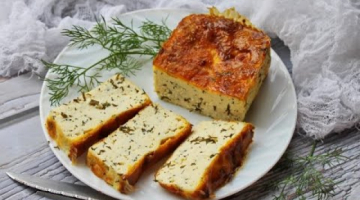
Oven-Baked Homemade Cheese (with Dill): A Golden, Melt-in-Your-Mouth Kitchen Ritual
There are days when you don’t want “just food.” You want something that slows the evening down. Something that warms the house the way a good lamp warms a dark corner-quietly, without asking permission.
Homemade cheese is exactly that kind of cooking. It starts with plain ingredients you can pronounce, turns into soft curds you can hold in your hands, and ends in the oven-where it melts, settles, and takes on a toasted, almost caramel-like top. The kind of crust you “accidentally” test with a fork before anyone sees.
This is oven-baked homemade cheese with dill: simple, fragrant, and surprisingly rich for how little it asks of you. You’ll make fresh curds on the stovetop (think “farmer cheese” energy), press them into a firm round, then bake until golden.
It’s comfort food… but smarter.
Why Bake Homemade Cheese Instead of Stopping at Fresh Curds?
Fresh homemade cheese is already a win. But baking takes it into a different category-somewhere between a crustless savory cheesecake and a young, tender cheese you’d proudly put on a board.
Here’s what baking changes:
Texture becomes layered.
Inside: soft, sliceable, slightly springy.
Outside: a thin browned “skin” that smells like warm milk and toasted butter.
Flavor deepens.
The gentle sweetness you add doesn’t make it dessert-sweet-it just nudges the milkiness forward, and the top browns more beautifully.
It’s easier to serve.
Fresh curds can crumble. Baked cheese slices cleanly, cubes neatly, and melts politely on toast.
A nutrition reality check (the honest version).
Minerals like calcium don’t “burn off” with heat the way some vitamins can; minerals are generally stable during cooking. Vitamins-especially some B vitamins-can be more sensitive to heat. The good news: dairy still remains a solid source of high-quality protein and key minerals after heating.
Ingredients for Oven-Baked Homemade Cheese
This batch makes about 4 servings (or more if you slice thin and share like a decent person).
What You’ll Need
-
Whole milk - 2 liters (about 2.1 quarts / 8½ cups)
Best choice for richness and yield. Ultra-pasteurized works, but the texture can skew firmer. -
Kefir - 600 ml (about 2½ cups)
This is your natural “coagulant.” It helps milk proteins separate into curds and whey. -
Large eggs - 2
They help bind the curds so the baked cheese slices cleanly instead of crumbling. -
Salt - 6 g (about 1 teaspoon fine salt)
Adjust if your salt is coarse. -
Sugar - 20 g (about 1½ tablespoons)
Not for sweetness-mostly for balance and browning. -
Fresh dill - 50 g (about 1 to 1½ cups chopped)
Dill gives this cheese its “summer kitchen” personality. -
Egg yolk - 1 (for brushing)
This is how you get that bakery-level golden top.
Ingredient Notes That Actually Matter
Milk: If you can get good local milk, use it. If you’re shopping in a regular U.S. grocery store, pick the freshest whole milk you can find. Avoid anything close to its date. Freshness affects flavor and curd quality.
Kefir: Plain, unsweetened. If it’s thick and tangy, you’re in the right zone.
Dill: Wash it, then dry it well. Excess water makes the cheese softer and slightly looser.
What This Cheese Tastes Like
Warm: creamy, milky, slightly tangy, with dill popping through like a fresh green note.
Cooled: firmer, clean slicing, gentle salt, and a mellow finish that makes you reach for “just one more piece.”
If you grew up around farmer cheese, it will feel familiar. If you didn’t, think of it as a homemade, savory cheese you can slice like a soft block-without the store price tag.
Step-by-Step: From Milk to Golden Crust
Prep Before You Start
-
A large heavy-bottom pot (prevents scorching)
-
A whisk
-
A colander
-
Cheesecloth (or a clean thin kitchen towel)
-
A weight for pressing (about 2 pounds / 1 kg)
-
A baking dish with at least 2-inch sides
-
Parchment paper
1) Mix the Kefir Base
In a bowl, combine:
-
kefir
-
2 eggs
-
sugar
-
salt
Whisk until smooth. Don’t overbeat-this isn’t a cake. Your goal is to dissolve the salt and sugar and unify the mixture.
2) Heat the Milk Gently
Pour the milk into a heavy pot. Heat over medium until you see the first signs of near-boiling:
tiny bubbles at the edges, steam rising, that “milk is waking up” smell.
Do not let it roar into a hard boil. Milk foams fast and burns faster.
3) Pour in the Kefir Mixture and Watch the Magic
Lower the heat slightly. Now pour the kefir mixture in a thin stream, stirring continuously.
Within a minute, you’ll see curds forming-soft white flakes-while the liquid becomes more yellowish and clearer. That’s the whey separating.
This is the turning point. Slow down. Keep stirring gently, like you’re trying not to startle the curds.
4) Simmer Briefly (Don’t Overcook)
Once curds clearly form, reduce heat to low and simmer about 2 minutes.
Overcooking is how homemade cheese turns rubbery. Two minutes is enough. Turn off the heat.
5) Add the Dill
Add your chopped dill and stir gently-just a few folds.
This is the moment your kitchen smells like spring.
6) Drain and Press
Line a colander with cheesecloth or a clean thin towel. Set it over a bowl (save the whey).
Pour the curds and whey into the lined colander. Let it drain for a few minutes.
Then gather the cloth, shape the curds into a mound, and place something flat on top (a plate works). Add your weight: about 2 pounds.
Press for 3 hours.
By the end, you’ll have a firm round-like a young farmer cheese that’s ready for its second act.
7) Bake for the Golden Finish
Preheat oven to 350°F (175°C).
Line your baking dish with parchment and lightly grease it (a whisper of oil or butter is enough).
Place the pressed cheese inside and gently press it into an even layer.
Brush the top with 1 egg yolk (you can loosen it with a teaspoon of water if needed).
Bake for 30 minutes on the middle rack, using regular bake (top and bottom heat if your oven allows it).
You’re looking for:
a top that turns golden-like toasted cream-without cracking aggressively.
8) Cool Briefly, Then Slice
Let the cheese cool 15 minutes in the dish. This sets the structure.
Then lift it out by the parchment, peel the paper away, and slice.
Warm slices are tender and slightly elastic. Cooled slices are firmer and cleaner.
The Whey: Don’t Toss It
The leftover whey isn’t waste-it’s a useful kitchen ingredient. It adds gentle acidity and softness to doughs and batters.
Use it for:
-
pancakes or waffles
-
quick breads
-
yeast dough (swap for water)
-
soups (a small splash adds depth)
Chef-Level Tips (Small Things That Change Everything)
Keep the Milk Calm
A hard boil makes curds seize up fast. That’s where dry, tough cheese starts.
Pressing Is Your Texture Dial
Less pressing time: softer, more tender cheese.
Full 3 hours: sliceable, neat texture that bakes beautifully.
Want a More “Italian” Looking Top?
Five minutes before the end, place a couple of very thin butter slices on top. It boosts browning and aroma-without turning the cheese greasy.
Probiotics: The Straight Truth
Kefir is a fermented product, but high heat generally reduces the survival of live probiotic cultures. What you do keep, though, is the flavor complexity from fermentation and the overall nutritional value of dairy proteins and minerals.
Flavor Variations (Same Method, Different Personality)
1) Spicy and Smoky
Add to the curds with dill (or instead of dill):
-
½ teaspoon smoked paprika
-
½ teaspoon garlic powder
-
pinch of black pepper
This turns the cheese into something you want with roasted potatoes and cold beer.
2) Nutty Crunch
Stir in:
-
⅓ cup chopped toasted hazelnuts (or walnuts)
Toasting the nuts first matters. Raw nuts taste flat. Toasted nuts taste alive.
3) Salted-Caramel Twist (Still Savory)
Try:
-
salt: reduce to ¾ teaspoon
-
sugar: increase to 2½ tablespoons
-
optional: 1–2 teaspoons honey
You’ll get a deeper browned top and a more rounded flavor-great with tart jam.
4) Lighter Version
Use lower-fat milk and kefir if you want, but be honest with expectations: the cheese will be less rich and slightly firmer.
Still good. Just different.
Nutrition and Health Notes (No Fairy Tales)
-
Protein: Fresh cheeses are generally protein-forward, especially compared to many snack foods.
-
Calcium: Dairy remains a reliable calcium source; minerals like calcium are stable with heat, though exact amounts vary by milk and yield.
-
Blood pressure and dairy: Some large observational research has found dairy intake associated with a lower risk of developing hypertension in certain populations, though this is not a guarantee and depends on the whole diet (and sodium matters).
If you salt heavily, eat it like a main food group, and ignore vegetables for a week-no cheese will rescue that. Balance wins.
How to Serve Oven-Baked Homemade Cheese
Sweet-leaning pairings (surprisingly good)
-
Toast with cranberry or cherry preserves
-
Honey drizzle with cracked black pepper
-
Apple slices and warm cheese (yes, it works)
Savory pairings
-
Roasted beets + arugula + cubes of this cheese
-
Rye bread grilled with a thick slice on top (quick open-face melt)
-
Omelet fold: add cubes inside right before folding
Party move
Cut into neat rectangles, serve with pickles, olives, and a mustardy dip. People will assume it’s “a special cheese.”
FAQ: Quick Answers
Can I make it without eggs?
Yes, but the baked cheese will be more crumbly and less sliceable. If skipping eggs, increase kefir slightly (up to about 3 cups) and press a bit longer.
What can I use instead of kefir?
Plain unsweetened yogurt works. Buttermilk can work too (cultured, not sweet). The key is gentle acidity.
Can I use ultra-pasteurized milk?
Yes. Expect a slightly tighter texture. It still works.
How long does it keep?
In the fridge, up to 5 days, sealed. For best texture, wrap it well so it doesn’t dry out.
Can I freeze it?
Yes, up to 1 month, tightly wrapped. Texture will become a bit more crumbly after thawing, but it’s still great melted or cubed into dishes.
Can I make this in a slow cooker?
You can form curds in a controlled low-heat setting, but baking is what gives the crust. For this recipe’s “signature,” the oven is the point.
A Short Note on Cheese History (Because It Makes Dinner Feel Bigger)
Cheese isn’t new. Humans have been processing milk for thousands of years, and archaeologists have identified early evidence of cheesemaking practices in Neolithic Europe using perforated pottery-often interpreted as cheese strainers-dating back over 7,000 years.
So yes-when you press curds in your kitchen, you’re doing something deeply old.
Just with cleaner towels.
Final Thoughts
Oven-baked homemade cheese is one of those recipes that quietly upgrades your kitchen confidence. It doesn’t require rare ingredients or special gadgets. It requires attention-small, steady attention-and in return it gives you something warm, real, and proudly homemade.
Make it once exactly as written.
Then make it again the way you want: more herbs, less salt, a smoky edge, a sweeter crust.
That’s how a simple recipe turns into a house recipe.