The “7 Strav” full guide: ingredient choices, step-by-step method, smoothing technique, and decoration ideas
If you’ve ever stared at a finished cake and thought, “The flavor is there… but the outside looks homemade,” you’re not alone. In the U.S., a lot of bakers solve this with fondant (for the ultra-smooth look) or with classic American buttercream (for stability). But fondant can taste like sweet modeling clay, and buttercream-especially when it’s very sweet-can feel heavy.
This frosting is a different route.
It’s built around processed cheese (the kind that’s soft, spreadable, and designed to melt smoothly), plus butter, powdered sugar, a little sweetened condensed milk, and vanilla. The result is a cream that can look fondant-smooth when chilled and smoothed properly, yet it stays soft, creamy, and genuinely tasty when you slice and eat the cake.
It’s also surprisingly forgiving-once you understand the “why” behind the steps. And that’s what this guide is for.
Why this frosting is worth trying
A “fondant look” without a fondant taste
After chilling, the surface becomes firm, smooth, and clean-edged, which makes it ideal for sharp sides and neat tops. But the bite stays pleasant: creamy, lightly tangy, and not chalky.
Only five core ingredients
No gelatin, no fancy stabilizers, no specialty powders. Just ingredients many home kitchens already have (or can grab at a regular grocery store).
Versatile for both smoothing and piping
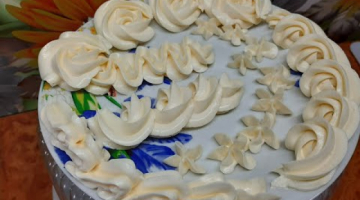
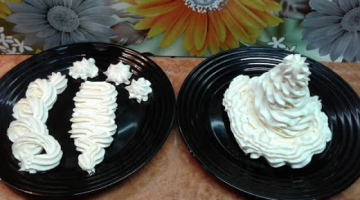
You can use it as a smoothing coat and also pipe rosettes, borders, and simple decor-especially after a short chill.
Holds shape for transport
When the butter sets and the cheese emulsion tightens in the fridge, the cake becomes far less fragile than many soft frostings.
A quick kitchen backstory
Picture a weekend evening. Your cake layers are cooling on the counter, and your brain is doing that familiar spiral:
“I want it smooth.”
“I want it pretty.”
“But I don’t want it to taste like a sugar sculpture.”
That’s the exact moment this frosting shines. Processed cheese-humble as it seems-has a specific superpower: it’s engineered to become uniform and glossy when blended. When you build a butter-based frosting around it, you get plasticity (easy spreading), sheen, and that satisfying “professional finish” once it chills.
The trick is treating it like a controlled emulsion: temperature matters, blending order matters, and over-whipping matters. Do it right, and you’ll get a frosting that feels like a cheat code.
Ingredients (U.S.-friendly) and what each one does
What you’ll need
-
Processed cheese – 2 pieces / about 6–7 oz total (170–200 g)
-
Sweetened condensed milk – 3 Tbsp (about 45–50 ml)
-
Powdered sugar – ½ cup (about 50–70 g), plus more to taste
-
Vanilla sugar or vanilla extract – 1–2 tsp (or ½–1 tsp extract)
-
Unsalted butter, very soft – 14 Tbsp (200 g)
Ingredient notes for U.S. kitchens
Processed cheese (this is the key)
You want a product that’s smooth, creamy, and blendable, not crumbly. In many U.S. stores, the closest equivalents are:
-
soft processed cheese spread (from a tub)
-
processed cheese “brick” or loaf that’s known to melt smoothly
What to avoid:
-
very dry processed cheese slices (they can work, but the texture is harder to control)
-
crumbly “cheese product” that breaks into grains even when warm
-
anything strongly flavored (smoke, herbs) unless you want that flavor in a dessert cake
Goal: a cheese base that becomes glossy and uniform after blending.
Butter (soft means soft)
This frosting is not the place for cold butter. You need butter that’s soft enough that a finger press leaves a deep dent, but it still holds its shape-think room temperature, not melted.
If your kitchen is hot and butter gets oily fast, soften it more carefully (tips below).
Sweetened condensed milk (small amount, big impact)
This adds:
-
a gentle caramel-milky sweetness
-
a smoother mouthfeel
-
extra bind that helps the frosting set nicely in the fridge
You don’t need much. Too much can make the frosting overly soft.
Powdered sugar (texture control)
Powdered sugar does three jobs:
-
sweetness
-
structure
-
smoother spread (especially after chilling)
It’s adjustable. Start with the base amount, then tweak for your taste and desired firmness.
Vanilla (covers the “cheese note”)
Vanilla doesn’t just add aroma-it helps the frosting read as dessert instead of dairy product. If you want a more bakery-style flavor, add a little more vanilla.
Equipment
You don’t need a professional setup. Here’s what helps:
-
Immersion blender (or a small food processor) for the cheese
-
Hand mixer / stand mixer for whipping butter
-
Silicone spatula for folding
-
Offset spatula for spreading
-
Bench scraper (or even a clean plastic card) for sharp sides
-
Optional: turntable for smoothing (makes life easier)
Step-by-step method
Step 1: Prepare the processed cheese base
-
Unwrap the cheese.
-
Cut into chunks (so it blends evenly).
-
Blend until it becomes smooth, glossy, and paste-like.
This part matters more than people expect. If the cheese isn’t fully smooth, you’ll feel tiny grains later-and once butter is added, those grains get harder to fix.
Texture target: thick, shiny, uniform paste.
If it looks grainy: keep blending. Scrape down the sides. Blend again. Don’t rush this.
Step 2: Whip the butter into a “vanilla cloud”
-
Put very soft butter in a mixing bowl.
-
Add powdered sugar and vanilla.
-
Beat for about 2 minutes, until lighter in color and fluffier.
-
Pour in the sweetened condensed milk in a thin stream while mixing. Beat 30 seconds more.
You’re building a fluffy base, but don’t chase maximum volume. Over-whipped butter can trap too much air, which later shows up as bubbles and tiny holes on the cake surface.
Step 3: Combine the two mixtures (the calm way)
-
Add the smooth cheese paste into the butter mixture.
-
Fold with a spatula using short movements: from the edges toward the center.
-
Once mostly combined, mix briefly (low speed) until uniform.
Important: Don’t whip aggressively for a long time.
You want smoothness, not a foam party.
Step 4: The final “polish” blend (optional but powerful)
If you want that extra-clean finish:
-
Use the immersion blender for 5–10 seconds to knock out micro-lumps and reduce air pockets.
Stop as soon as it looks glossy and uniform. Too long can warm it and soften it.
Yield and what it covers
You’ll get roughly 2½–3 cups of frosting (around 600–700 g).
That’s usually enough to:
-
smoothly coat an 8-inch (20 cm) cake with moderate height,
-
plus pipe a simple border or a few rosettes.
For a tall cake or heavy piping, consider making 1.5x the batch.
The consistency test (touch matters)
Right after mixing, the frosting should feel like soft velvet and fall from a spatula in a slow ribbon.
After 20–30 minutes in the fridge, it firms up noticeably and becomes easier to smooth into sharp edges.
After overnight chilling on the cake, it becomes stable and clean, with a satin-like surface.
Pinch test:
Pinch a small bit between fingers. If it bends without cracking at the edges, you have good plasticity for smoothing.
How to smooth a cake with this frosting
The “half-turn” technique for clean sides
If you want the cake to look bakery-finished, don’t fight the frosting-use cold and repetition.
1) Apply a base coat (crumb coat)
-
Spread a thin layer over the cake to trap crumbs.
-
Chill 10–15 minutes.
2) Add the main coat
-
Place a generous dollop on top (about ½ cup).
-
Push frosting outward to the edges.
-
Add frosting to the sides and roughly smooth.
3) Smooth the sides with a scraper
-
Hold the scraper at about a 30° angle.
-
Turn the cake slowly.
-
Remove excess frosting and fill gaps as needed.
4) Chill again, then do a final pass
Chill 10 minutes and repeat smoothing. The second pass is where the magic happens: the chilled base “grabs” the new thin layer and becomes dramatically smoother.
Pro move (works insanely well):
Run your metal spatula under hot water, wipe it dry, and do a final gentle sweep. Warm metal + cold frosting = clean, glossy finish.
Coloring and decorating
This frosting accepts color well, especially gel colors.
How much color to use
-
Pastels: 1 drop per ⅓ cup (about 100 g)
-
Bold colors: 3–4 drops per ⅓ cup
-
Marble look: mix color only about 80%, leaving streaks
Piping tips that work nicely
-
Open star tip (like 1M style): rosettes, swirls, cupcake tops
-
Leaf tip (like 67 style): leaves, ruffles, small accents
-
French star / fine ridges: textured borders, shell patterns
Best practice: chill the frosting 10 minutes before piping details. It holds sharper ridges.
Flavor variations (keep it interesting)
1) Chocolate mocha
-
1 Tbsp cocoa powder
-
1 tsp instant espresso (or very strong coffee concentrate)
Adds depth and cuts sweetness. Great for chocolate cake layers.
2) Pistachio “silk”
-
Replace about 2 Tbsp of butter with pistachio paste
-
Add a drop of almond extract (optional)
Luxury vibe with minimal effort.
3) Citrus breeze
-
Zest of ½ orange (microplaned)
-
Swap a small portion of condensed milk for a splash of citrus liqueur or lemon juice
If using lemon juice, add slowly. Too much liquid can soften the frosting.
4) Salted caramel balance
-
Add a tiny pinch of salt
-
Add ½ tsp caramel extract (optional)
This is the easiest way to make it taste more “grown-up.”
Common problems and how to fix them
Problem: The frosting slumps or “melts” on the cake
Likely cause: butter too warm, kitchen too hot, over-mixed and warmed the fat.
Fix:
-
Chill the bowl for 5–10 minutes, then beat briefly to restore structure.
-
Next time: soften butter gently, don’t let it get oily.
Problem: Grainy texture (“sand” feeling)
Likely cause: cheese not fully blended, powdered sugar not sifted, or both.
Fix:
-
Blend the finished frosting for 10–15 seconds with an immersion blender.
-
Sift powdered sugar next time (it’s annoying, but it works).
Problem: Too sweet
Likely cause: condensed milk too sweet or too much powdered sugar added.
Fix:
-
Add a tiny pinch of salt.
-
Add a few drops of lemon juice (careful-don’t thin it too much).
-
Or increase the cheese portion slightly in your next batch.
Problem: Too soft to pipe cleanly
Likely cause: warm frosting.
Fix:
-
Chill 10–15 minutes, then stir gently and pipe.
-
For sharp rosettes, colder is better (but don’t let it turn stiff like a brick).
Storage, food safety, and transport
Storage guidelines
-
In a bowl (covered): up to 2 days in the fridge
-
On a finished cake (covered): up to 3 days refrigerated
-
Freezing: you can freeze it, but texture after thawing depends on your cheese product. If you freeze, thaw in the fridge overnight and re-mix briefly.
Transport tips
-
Chill the cake until the frosting is firm.
-
Keep the cake in a box or carrier.
-
If your trip is long or the car is warm, use a cooler bag or cold packs around the box (not touching the cake).
This frosting is much happier when it stays cool. Heat is the enemy of sharp edges.
Cakes that pair beautifully with this frosting (U.S.-style favorites)
Honey cake / medovik-style layers
The gentle tang of the cheese balances honey’s deep sweetness.
Chocolate cake
It softens cocoa bitterness and makes the whole bite feel smoother.
“Napoleon” or layered puff pastry cakes
A thin layer between layers gives a creamy contrast to crunch.
Red velvet
The bright white finish looks dramatic, and the mild tang works naturally with red velvet flavor.
Vanilla or confetti cake
A clean canvas-perfect for color, piping, and party decorations.
FAQ
Can I use low-fat processed cheese?
You can, but it often makes the frosting looser and less stable. If you have to use it, compensate by:
-
chilling longer, and/or
-
adding a little more butter, and/or
-
adding a touch more powdered sugar for structure
What can replace sweetened condensed milk?
Options that keep a similar texture:
-
maple syrup (use cautiously; it’s thinner)
-
corn syrup (structure-focused, less flavor)
-
invert sugar (if you bake often)
Each substitute changes flavor. Condensed milk gives that classic creamy sweetness.
Can I use this frosting on cupcakes?
Yes. Chill the frosting slightly before piping so the ridges hold. At normal indoor room temperature, it stays neat for a while, but for longer events, keep cupcakes cool.
Does it work under fondant?
You can use it as a smoothing layer, but if you’re using fondant, you typically want a very stable base and minimal moisture migration. If you’re not experienced with fondant, this frosting is honestly better used as the final finish-because it already gives you that clean look.
Final word
This frosting is a practical little miracle: five simple ingredients, a clean professional finish, and a texture that doesn’t punish you with pure sugar. It’s the kind of recipe that feels almost too easy-until you realize the secret is in the small decisions: smooth the cheese fully, keep butter truly soft (not melted), don’t over-whip, and use the fridge like a tool, not an afterthought.
If you treat the process with patience, the frosting pays you back with shine, smoothness, and sharp edges that make people assume you bought the cake.
Cook with curiosity, decorate with confidence, and remember: perfection is rarely about expensive ingredients. It’s almost always about technique.
Enjoy your baking.