Cabbage and Chickpea Salad (With Potatoes, Tomato, and a Garlicky Dressing)
There are days when you want something genuinely homey-something that tastes familiar the second you take a bite-but you also want a small surprise. Not a “fusion for the sake of fusion” surprise. More like the kind that makes you pause, smile, and think: wait, why haven’t I been making this all along?
That’s exactly what this cabbage and chickpea salad is.
Crunchy white cabbage has that unmistakable “everyday kitchen” vibe. It’s the backbone of countless Eastern European salads, winter slaws, and quick side dishes-honest food, no drama. Chickpeas, on the other hand, bring a different energy. They’re mellow, slightly nutty, and satisfying in a way that feels substantial without being heavy. Put them together and you get a salad that can live in two worlds at once: bright and fresh, but also filling enough to stand in for a side dish-or even a full lunch.
And then there’s the potato. Not always expected in a salad like this, but it’s the quiet hero. Potatoes smooth out sharp edges, make the textures feel “complete,” and help the dressing coat everything in a way that turns a bowl of ingredients into a real dish.
This is the kind of salad that fits into a normal weekday without asking you to “perform” in the kitchen. A bit of slicing, a bit of mixing, a short rest so the flavors can settle-and you’re done. It’s also one of those recipes that invites personalization: swap the dressing, change the fresh vegetable, add crunch, add herbs, go lighter, go richer. The base holds.
Why You’ll Want to Make This Salad More Than Once
It’s satisfying without feeling heavy
Chickpeas bring protein and fiber, cabbage brings volume and crunch, and potatoes give comfort. You feel fed, not weighed down.
It’s a budget-friendly “big bowl” recipe
Everything here is easy to find in the U.S., and none of it is fussy. You can make two generous portions for the price of a single takeout meal.
It’s flexible
Use canned chickpeas or cooked-from-dry. Use tomato or cucumber. Use mayo, Greek yogurt, sour cream, or even tahini. You can steer this salad toward classic comfort or toward a lighter, sharper vibe.
It’s meal-prep friendly (with one small rule)
If you want the best crunch, keep the dressing separate until serving. If you don’t mind a softer texture, mix it all at once and enjoy it the next day.
What This Salad Tastes Like
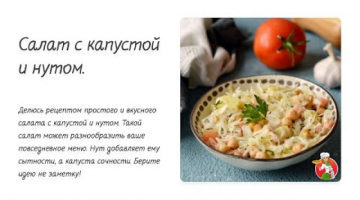
Imagine the clean crunch of lightly salted cabbage, the soft bite of potatoes, and the gentle richness of chickpeas. Tomato adds a juicy, slightly acidic pop. Garlic gives a quick flash of heat and aroma. Dill pulls everything into that unmistakable “bright, savory, fresh” direction.
If you go with mayo, it’s creamy and classic. If you go with yogurt, it’s lighter and tangier. If you go with tahini, it becomes more earthy and almost “Mediterranean-adjacent,” in the best way.
Ingredients (2 Large Portions)
Below are the core ingredients, plus the easiest swaps-so you can cook from what you already have.
Main ingredients
-
White cabbage (green cabbage) - 200 g (about 7 oz), thinly shredded
-
Chickpeas - 150 g (about 5 oz) cooked, or canned and rinsed/drained
-
Tomato - 1 medium, diced
-
Potatoes - 2–3 medium, cooked “in their jackets” (skin-on), cooled, diced
-
Garlic - 1–2 cloves, minced or grated
-
Mayonnaise - 2–3 tablespoons (adjust to taste)
-
Salt - to taste
-
Black pepper - to taste
-
Fresh dill - to taste, chopped
Easy swaps and add-ins
-
Cabbage: Napa cabbage, shredded kale (massage it), or lightly steamed broccoli florets
-
Chickpeas: cannellini beans, great northern beans, or cooked lentils
-
Potatoes: roasted sweet potato cubes, roasted winter squash, or parsnip
-
Tomato: cucumber (crunchy), bell pepper (sweet), or even diced celery
-
Garlic: green onions, shallot, or a small spoon of garlic paste
-
Dressing: Greek yogurt, sour cream, a yogurt-mustard blend, or tahini + lemon
-
Herbs: parsley, cilantro, chives, or a mix
One small but important tip about canned chickpeas
If you’re using canned chickpeas, rinse them well under cold water and drain. It improves flavor and helps remove excess salt from the canning liquid.
Tools You’ll Need
Nothing special:
-
A cutting board and sharp knife
-
A medium or large bowl
-
A small bowl (if mixing dressing separately)
-
A pot (for boiling potatoes if you’re not baking them)
If you have a mandoline or a slicer for cabbage, it’ll go faster-but a knife works perfectly.
Step-by-Step: How to Make Cabbage and Chickpea Salad
Step 1: Shred and “wake up” the cabbage
Shred the cabbage as thinly as you can. Thin cabbage makes the whole salad feel more delicate and cohesive, and it also needs less dressing to become creamy.
Place the cabbage in a bowl, sprinkle generously with salt, and massage it with your hands for about 30–40 seconds. Don’t overthink it-just squeeze and rub gently.
You’ll feel it change:
-
It softens slightly
-
It becomes juicier
-
It stops being “sharp” and starts being “salad-ready”
Set it aside for a few minutes while you handle the rest.
Step 2: Cook the potatoes (two good options)
You want potatoes cooked and cooled. They should hold their shape when diced, not crumble into mash.
Option A: Boil skin-on (“in their jackets”)
-
Place potatoes in cold water
-
Bring to a boil
-
Simmer until fork-tender (often 15–25 minutes depending on size)
-
Drain and cool
-
Dice into neat cubes
Option B: Bake skin-on (more flavor, less water)
-
Bake at 400°F (about 200°C) until tender
-
Cool
-
Dice
Baked potatoes have a deeper taste and slightly firmer texture, which is great in salads.
Step 3: Prep the chickpeas
If using cooked chickpeas: drain and let them dry a bit.
If using canned: rinse, drain well, and shake off extra water.
If you want an extra layer of flavor, you can briefly toss chickpeas with a pinch of salt and black pepper before adding them to the salad bowl.
Step 4: Dice the tomato and chop the dill
Dice the tomato into small cubes so it distributes evenly.
Chop dill to taste. Dill is powerful-start with a small handful and adjust later. In this salad, dill is not just decoration. It’s a key flavor.
Step 5: Assemble
In a large bowl, combine:
-
Massaged cabbage (including the juice it released)
-
Diced potatoes
-
Chickpeas
-
Diced tomato
-
Minced garlic
-
Chopped dill
-
Black pepper
Mix gently. You want the potatoes intact and the cabbage evenly distributed.
Step 6: Dress it (choose your style)
Add your dressing of choice (mayo, yogurt, sour cream, etc.), mix again, then taste.
Finally, let the salad rest for 10 minutes.
This pause matters. Garlic calms down, dill blooms, cabbage relaxes, and the whole bowl tastes more “finished.”
Dressing Options: Classic, Light, or Vegan
This salad can change character depending on what you stir in. Here are three versions that work beautifully.
Classic creamy (the comfort version)
-
2–3 tbsp mayonnaise
-
Optional: a squeeze of lemon (small, but helpful)
-
Black pepper
This gives you that familiar creamy salad feel-rich but still fresh thanks to cabbage and tomato.
Light and tangy (the “everyday healthy” version)
-
3 tbsp plain Greek yogurt
-
1 tsp Dijon mustard
-
1 tsp olive oil
-
Salt and pepper to taste
This version tastes cleaner, a little sharper, and perfect if you’re eating this for lunch and want energy instead of heaviness.
Vegan tahini (deep, nutty, slightly sweet)
-
2 tbsp tahini
-
1 tbsp lemon juice
-
A splash of water to thin
-
A tiny touch of maple syrup (optional, but it balances bitterness)
-
Salt and pepper
This transforms the salad into something more earthy and “rounded,” while still keeping the cabbage crunch.
Seasonal Variations That Actually Make Sense
You can keep the base concept and lean into the season. Here are versions that feel natural, not forced.
Spring: young cabbage + sprouts
Use young cabbage if you can find it. Add pea shoots or microgreens. Keep the dressing light (yogurt + lemon). The salad becomes ultra-fresh and herb-forward.
Summer: cucumber instead of tomato
Swap tomato for cucumber for a colder, crunchier bite. Add a lime-leaning dressing if you like. This version is picnic-perfect and holds up in warm weather.
Fall: roasted squash + smoked paprika
Replace some or all of the potatoes with roasted squash cubes. Add smoked paprika. The salad becomes sweet-smoky and more “comfort bowl” than “side salad.”
Winter: sauerkraut twist
Replace part of the fresh cabbage with a small amount of sauerkraut (not too much-this is a twist, not a takeover). Add diced pickles. This version wakes up winter meals when everything feels too heavy.
Serving Ideas: How to Make It a Real Meal
This salad can be a side, but it also plays well as a main dish. Here are easy pairings:
For a simple lunch
-
Serve it as-is with a slice of toasted bread
-
Or spoon it into a wrap with extra greens
For a protein-forward version
-
Add a hard-boiled egg
-
Or add diced chicken
-
Or mix in canned tuna (especially with yogurt dressing)
For a “good dinner without cooking much”
-
Serve with a pan-seared fish fillet
-
Or with rotisserie chicken
-
Or with a simple soup (tomato soup + this salad is surprisingly great)
For a party table
Serve it in a wide bowl and top with something crunchy:
-
toasted sunflower seeds
-
roasted pumpkin seeds
-
crushed pita chips
-
or fried onions (yes, those crispy ones)
Crunch on top makes it feel “special” in a low-effort way.
Nutrition Notes (Practical, Not Pretend)
Exact nutrition depends on your dressing choice and portion size, but here’s what’s generally true:
-
Chickpeas add protein and fiber, which helps you feel full longer.
-
Cabbage adds volume and crunch for very few calories, plus useful vitamins.
-
Potatoes provide carbs that feel satisfying, especially when paired with fiber and fat (dressing).
If your goal is to keep it lighter, the easiest lever to pull is the dressing:
-
choose Greek yogurt instead of mayo
-
and reduce the potato portion slightly
If your goal is to make it more athletic-friendly or protein-focused:
-
increase chickpeas
-
add egg, chicken, or fish
-
keep the dressing moderate
Storage and Meal Prep
This salad is friendly to “cook once, eat twice,” but it has one weakness: cabbage releases moisture over time.
Best strategy for meal prep
-
Store chopped cabbage (lightly salted) separately
-
Store chickpeas and potatoes separately
-
Store dressing in a small jar
-
Assemble when you’re ready to eat
If you already mixed it
It will still be good the next day, but:
-
crunch decreases
-
the salad becomes softer and juicier
-
garlic becomes more mellow (some people prefer it that way)
Try to eat it within 24 hours for best texture.
Prep shortcut that saves real time
Cook chickpeas in bulk (or keep canned on hand). Cook potatoes ahead. Then the “active work” becomes 5–10 minutes of chopping and mixing.
Frequently Asked Questions
Can I use chickpeas straight from the can?
Yes. Just rinse and drain them well. That small step improves taste and reduces the “canned” vibe.
What if I don’t want potatoes?
You can skip them, but the salad will feel sharper and lighter. If you still want a “rounded” texture, replace potatoes with:
-
roasted sweet potato
-
roasted squash
-
parsnip
-
or even cooked brown rice (different, but surprisingly good)
Can I use Napa cabbage?
Absolutely. Napa cabbage is more tender and doesn’t need as much massaging. Just salt lightly and let it sit 5 minutes.
I hate dill. What now?
Use parsley or chives. If you want a bolder herb profile, cilantro also works-especially with tahini dressing.
My garlic feels too sharp. How do I soften it?
Two easy options:
-
Use less, and let the salad rest 10–15 minutes
-
Briefly warm minced garlic in a teaspoon of oil for about 20 seconds (don’t brown it). It becomes nuttier and less aggressive.
Small Chef Tricks That Make a Big Difference
Thin cabbage is everything
The thinner the cabbage, the more “expensive” the texture feels, and the less dressing you need. It’s the simplest upgrade.
Mix while the potatoes are barely warm
Not hot-just slightly warm. The dressing melts a touch and clings better. It’s subtle, but it makes the salad feel unified.
Add a crunch topping right before serving
Sunflower seeds, pumpkin seeds, crushed crackers, crispy onions-anything. The salad instantly shifts from “weekday bowl” to “I meant to do this.”
Taste after resting
Don’t over-salt at the start. Let it rest, then taste again. Cabbage and potatoes both “absorb” seasoning over a few minutes.
A Short Food History Moment (Because It Fits This Salad)
Cabbage and chickpeas come from very different culinary paths. Cabbage is a long-time staple across Europe, especially in colder climates where sturdy vegetables matter. Chickpeas have deep roots in Middle Eastern and Mediterranean cooking, where legumes are everyday fuel-humble, practical, and endlessly adaptable.
Putting them together doesn’t require a grand explanation. It simply works: crunch meets creaminess, freshness meets satiety, simple meets interesting. A bowl that feels familiar, but not boring.
Final Thoughts
This cabbage and chickpea salad is one of those recipes you keep in your back pocket. It doesn’t demand special ingredients or special moods. It can be creamy or light, classic or slightly daring. It can sit next to dinner or become dinner.
A few minutes of chopping. A short rest for flavor to settle. A bowl that feels alive-crunchy, juicy, garlicky, and satisfying.
Make it once, and you’ll start seeing all the places it fits. Enjoy your meal.