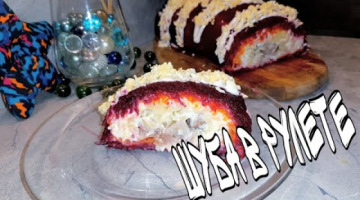
Herring Under a Fur Coat Roll (Shuba Roll): The Iconic Layered Salad, Reimagined for a Show-Stopping Slice
There are dishes that don’t just taste good - they mean something. They carry a decade, a family table, a familiar clink of plates, the feeling that a holiday is officially happening.
“Herring Under a Fur Coat” (often called Shuba) is exactly that kind of food. Traditionally it’s a layered salad: salted herring tucked under soft vegetables, eggs, and a creamy mayo blanket, finished with that unmistakable beet color that makes the whole thing look like it dressed up for the party.
Today we’re taking that classic and turning it into a roll - the same flavors, the same comforting logic, but in a format that looks modern, slices cleanly, and instantly makes people ask, “Okay… how did you do that?”
You don’t need special tools. You don’t need chef-level tricks. You just need a little patience, good prep, and one simple secret: the roll is built for control. It holds its shape, portions beautifully, and makes the most ordinary ingredients feel like a planned centerpiece.
Why This Shuba Roll Works So Well
Let’s be honest: the classic layered version is delicious, but it can be a little messy on the plate, especially when you’re serving a crowd. The roll version solves that without changing the soul of the dish.
Here’s what you gain:
-
Clean slices with clear, pretty layers (hello, “wow factor”).
-
Better portioning for guests, potlucks, and holiday platters.
-
More stable structure - it doesn’t slump or spread as easily.
-
A smoother balance of flavors because each slice contains every layer.
And yes, it’s still rich, still comforting, still deeply “holiday table” energy.
A Quick Cultural Note (So You Know What You’re Making)
Shuba became a staple of festive winter tables across Eastern Europe in the late 20th century because it was brilliant in its simplicity: inexpensive ingredients, easy prep ahead of time, and a flavor profile that feels complete - salty fish, sweet beets and carrots, mellow potatoes, a little bite of onion, and creamy binding.
If you’ve never eaten it, imagine a cross between:
-
a composed potato salad,
-
a beet salad,
-
and a savory seafood spread…
…but layered into one dish that somehow tastes more elegant than the ingredient list suggests.
That’s the magic.
Ingredients for the Shuba Roll
This makes a generous roll that feeds about 8–10 people as an appetizer (or 6–8 if everyone is slicing “just one more”).
Core Ingredients
-
1 salted herring (or about 7–8 oz / 200–230 g herring fillets)
-
2 medium carrots
-
2 medium beets
-
1 medium onion
-
5 large eggs
-
3 medium potatoes (Yukon Gold are ideal; russets work too)
-
Mayonnaise, about ⅔ cup (150–170 g)
Optional but Helpful
-
Fresh dill or chives for garnish
-
Lemon wedges (for serving)
-
A touch of black pepper
-
Plastic wrap (strongly recommended)
Ingredient Choices That Make a Noticeable Difference
Herring
Use salted herring that’s firm and clean-tasting. If it’s aggressively salty, you have options:
-
Soak pieces in milk for about 20–30 minutes, then pat dry.
-
Or rinse briefly and let it sit on paper towels to calm down.
In many US grocery stores, look for herring in the refrigerated section (sometimes near smoked fish), Eastern European markets, or specialty deli counters. If you can only find jarred herring, pick a version that isn’t overly sweet.
Beets
You can boil them, but if you want deeper flavor, roast them. Roasting intensifies sweetness and reduces watery runoff (which helps the roll stay neat).
Potatoes
Choose potatoes that hold shape:
-
Yukon Gold: creamy but stable - best overall.
-
Russet: fluffier, still works, just compress gently.
Mayo
A medium-rich mayo is perfect. You want it creamy but not oily. If you use something extremely light, it can get watery. If you use something extremely heavy, it can overpower.
Prep First, Then Assemble Fast
This recipe is easiest when you treat it like a small production line: cook, cool, grate, chop, and only then build the roll.
Step 1: Cook the Vegetables (and Eggs)
-
Boil or roast the beets until tender.
-
Boil the potatoes and carrots (skin-on is best) until fork-tender.
-
Boil the eggs until hard-cooked.
Important: Let everything cool completely before grating. Warm vegetables + mayo = slippery, unstable layers.
Step 2: Grate With Intention (Yes, It Matters)
Use different grater sizes to control structure:
-
Beets: fine grate (more even color and smoother layer)
-
Carrots + eggs: medium grate
-
Potatoes: large grate (creates a springy, supportive layer)
This isn’t being precious. It’s physics. The roll holds because each layer behaves differently.
Step 3: Prepare the Herring and Onion
-
Herring: remove skin and any small bones, then dice into small cubes.
-
Onion: finely chop.
If raw onion feels too sharp for your crowd:
-
Pour boiling water over it for 10 seconds, drain well.
-
Or quick-marinate for 10 minutes in a splash of apple cider vinegar + pinch of sugar + pinch of salt.
Step 4: The “Pastry Bag” Mayo Trick
Spoon the mayo into a zip-top bag, snip off a tiny corner, and you’ve got instant control for neat lines. It makes assembly cleaner and prevents over-mayoing.
How to Assemble the Shuba Roll (Step by Step)
1) Build Your Workspace
Lay down two layers of plastic wrap on the counter, overlapping slightly. You want a rectangle large enough to hold the roll with room to wrap.
Think of plastic wrap as your mold. It’s not optional if you want a clean roll.
2) Layer One: Beets (The Red Carpet)
Spread the grated beets into a thin, even rectangle. Press gently with a spoon or spatula so it forms a cohesive base.
Don’t make it too thick. Thick beet layer = heavier roll = more squeeze-out when rolling.
3) Mayo Veil
Pipe a light mayo grid over the beets, then smooth it into a thin layer. The goal isn’t “mayo salad.” The goal is glue.
4) Layer Two: Carrots
Spread carrots evenly, leaving about ½ inch margin around the edges so filling doesn’t escape during rolling. Add another light mayo grid.
5) Layer Three: Eggs
Spread grated eggs evenly. Reserve a few tablespoons for garnish later. Add a thin mayo grid again - light, steady, controlled.
6) Layer Four: Potatoes (The Structural Layer)
Add the potatoes. This is where the roll earns its stability. Potatoes act like a soft brace.
Here you can use a slightly more generous mayo layer - not drowning, just confident. Smooth gently.
7) Onion Layer
Sprinkle onion evenly. This is the “spark” layer - it brightens everything and keeps the dish from tasting flat.
8) The Center: Herring
Place diced herring in a line (or narrow band) down the length of the rectangle, slightly off-center toward the edge you’ll roll from. Shape it like a tidy log.
This is the heart of the roll - treat it like you’re making sure every slice gets a fair share.
9) Roll It Using the Plastic Wrap
Lift the plastic wrap edge closest to you and start rolling away from you, keeping it tight but not crushing.
The plastic wrap should do the work:
-
roll a little,
-
tug the wrap to tighten,
-
roll a little more.
10) Seal and Chill
Wrap the roll tightly and twist the ends like a candy wrapper. Refrigerate at least 2 hours, ideally 4–6 hours.
Chilling is not just “resting.” It’s when the layers bond, moisture equalizes, and the roll becomes sliceable instead of mushy.
Finishing Touches That Make It Look Like a Centerpiece
Unwrap and Plate
Gently remove plastic wrap and place the roll seam-side down on a platter.
Decorate Simply
-
Pipe a thin mayo zigzag or grid on top.
-
Sprinkle the reserved grated egg over the top for contrast.
-
Add chopped dill, chives, or microgreens if you want it fresh-looking.
A little greenery makes the beet color pop and signals “this is intentional.”
How to Slice It Without Smearing the Layers
Use a very sharp knife.
Here’s the move:
-
Dip the knife in cold water.
-
Wipe it quickly.
-
Slice straight down with a confident motion.
Repeat the rinse/wipe every 2–3 cuts.
When you do it right, the slices look almost jewel-like: pale potato, golden carrot, soft egg, and that deep beet background framing the glossy herring center.
Make-Ahead Tips (Because This Dish Loves Planning)
This roll is perfect for holidays because it gets better with time.
You can:
-
cook and grate everything the day before,
-
store components separately in the fridge,
-
assemble the roll the next morning,
-
serve that evening.
Or assemble fully the day before, keep wrapped tight, and slice right before serving.
Nutrition and “Lighter” Options Without Ruining the Dish
Shuba is naturally rich - it’s a mayo-bound celebration salad. But you can adjust it.
Typical Nutrition (Approximate)
A classic version averages around 190–210 calories per 100 g, depending on mayo amount and herring fat level. A standard appetizer portion (about 150 g) often lands in the 280–320 calorie range.
Easy Ways to Lighten It
-
Replace half the mayo with plain Greek yogurt (50/50).
You still get creaminess, but it tastes fresher and less heavy. -
Use less mayo overall, but spread it thinner and more evenly.
-
Add a thin layer of grated green apple (pressed dry) for brightness - it tricks your palate into feeling the dish is lighter.
-
Use roasted vegetables to concentrate flavor so you need less sauce.
If you go too far with “light,” you risk losing what makes Shuba feel complete. The goal is balance, not punishment.
Flavor Facts About the Main Ingredients (Practical, Not Pretend)
-
Herring is rich in omega-3 fats and vitamin D, and it delivers that savory depth that turns simple vegetables into something special.
-
Beets bring natural sweetness and color, plus compounds that support the body’s metabolic processes.
-
Carrots add beta-carotene and a gentle sweetness that softens the saltiness of fish.
-
Potatoes cooked in their skins retain more nutrients and hold better texture.
-
Onion cuts through richness and makes the whole roll taste more “awake.”
This dish is indulgent, yes - but it’s not empty food. It’s built from real ingredients with real value.
Variations That Actually Work (Without Breaking the Logic)
1) “Creamier” Version
Add a thin layer of grated sharp cheese between egg and potato. It makes the roll richer and more modern-tasting.
2) Bright Apple Twist
Add 1 tart green apple, grated and squeezed dry, layered over carrots. It gives a clean acidity and makes each slice feel lighter.
3) Mushroom Option
Replace the potato layer with sautéed mushrooms and onions (cooled). It’s earthier and less starchy.
4) No-Egg Option
Skip eggs and add an extra layer of carrots or potatoes. The roll will still hold, just adjust mayo slightly for cohesion.
5) Fully Plant-Based Interpretation
Use a creamy spread like a thick chickpea-based sauce and swap the fish center for something briny (capers + seasoned roasted veg). It won’t be the same dish, but it can follow the same architectural idea.
Serving Ideas for a US Holiday Table
This roll fits beautifully into American-style entertaining because it slices clean and looks composed.
Serve it:
-
as an appetizer platter with crackers or rye toast points,
-
alongside pickles, olives, and a simple green salad,
-
at a holiday buffet where people can grab a neat slice without needing a spoon,
-
at a potluck - it travels well when wrapped and chilled.
A squeeze of lemon on the plate (not on the roll itself) gives guests a bright option without overwhelming the beet flavor.
FAQ: Real Questions People Ask Once They Try This
Can I make it 24 hours ahead?
Yes - and honestly, it often tastes better. Keep it tightly wrapped so it doesn’t absorb fridge odors.
My beets stain everything. How do I keep layers clean?
Two fixes:
-
Make sure layers are fully cooled and patted dry if watery.
-
Use a thin mayo layer as a “seal” between beet and the next layer.
My roll cracks when I slice it. Why?
Usually one of these:
-
vegetables were warm during assembly,
-
layers were too thick and heavy,
-
not enough chilling time,
-
or potatoes were too dry and not bound well.
Can I use cooked beets from the store?
Yes. Just make sure they’re not pickled and not overly wet. Pat dry and grate.
Can I substitute another fish?
If you must, choose something salty and firm (like certain cured fish), but be careful: Shuba is built around herring’s specific salty richness. Many fish substitutions taste “wrong” in this structure.
Final Notes: The Roll That Connects Generations
There’s a funny, quietly powerful thing about this dish: it brings different people to the same place.
Someone older tastes it and instantly remembers the old version - the layers, the holidays, the familiar comfort. Someone younger sees the clean slices and the modern presentation and thinks it’s new, almost trendy.
That’s the best kind of recipe: one that respects where it came from, but still knows how to show up красиво - elegantly - in the present.
So take your time with the prep, roll it tight, chill it properly, and slice it proudly. And when someone asks for the recipe (they will), you’ll know you didn’t just make a salad.
You made a moment.