Tuna-Stuffed Deviled Eggs (Easy, High-Protein Appetizer)
Stuffed eggs are one of those dishes that feel almost impossible to “reinvent” without turning them into something unrecognizable. And honestly? You don’t need to reinvent them. What you can do is make the classic version so balanced, so neat in texture, and so confident in flavor that people stop calling it “just eggs” and start treating it like a real appetizer.
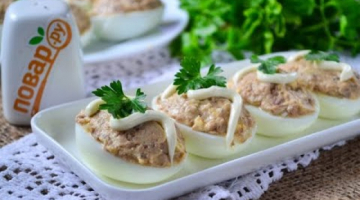
Today’s recipe is eggs stuffed with canned tuna-a quick, elegant, very American-party-friendly twist that sits right between “retro comfort” and “modern high-protein snack.” You’ll get a filling that’s creamy but not heavy, savory but not fishy, and structured enough to pipe красиво… or scoop casually with a spoon and still look good.
In this guide, you’ll find:
-
how to choose eggs and tuna so the flavor stays clean
-
the method to cook eggs without that gray ring
-
tricks for the perfect filling texture (not watery, not dry)
-
easy variations: Mediterranean, Niçoise-inspired, keto, picnic-crunch
-
storage, food safety, make-ahead plan, and serving ideas
-
practical nutrition notes (without fairy tales)
Let’s cook.
Why Tuna-Stuffed Eggs Work So Well
Stuffed eggs have been around in different forms for centuries-boiled eggs seasoned, filled, dressed up for gatherings. The reason the dish survives every era is simple: it’s convenient finger food with built-in portion control.
Now add tuna:
-
Eggs bring a mild, buttery base and that unmistakable “home” vibe.
-
Tuna brings savory depth (umami), protein, and a subtle ocean note that feels more “grown-up” than plain mayo filling.
-
A bit of onion and herbs sharpens everything and keeps the bite from feeling flat.
This is the kind of appetizer that works at a birthday party, game-day table, office potluck, brunch buffet, or “friends showed up unannounced and I need something fast.”
Ingredients (Makes 10 Egg Halves, Serves 3–4)
Core ingredients
-
5 large eggs
-
1 can tuna in water (about 5 oz / 140 g), drained well
-
1/2 small onion, very finely diced (or 2–3 tablespoons)
-
Mayonnaise, 1–2 teaspoons to start (add gradually)
-
Fresh herbs (dill, parsley, or chives), to taste
-
Salt and black pepper, to taste
Optional but smart additions (choose 1–2)
-
Lemon juice, 1 teaspoon (brightens tuna instantly)
-
Dijon mustard, 1/2 teaspoon (adds depth without making it “mustardy”)
-
Sweet pickle relish or chopped cornichons, 1–2 teaspoons (tiny sweet-acid pop)
-
Paprika (smoked or classic), for a gentle finish
Equipment You’ll Actually Use
-
Medium saucepan (for boiling eggs)
-
Bowl of ice water (this is not optional if you want easy peeling)
-
Small mixing bowl
-
Fork + fine grater or small sieve (for silky yolks)
-
Knife + cutting board
-
Piping bag with a round tip (optional, but makes it look “catered”)
If you don’t have a piping bag: a zip-top bag with the corner snipped works. Or just use a teaspoon-rustic is a style too.
Ingredient Selection Tips (The Stuff That Changes Everything)
Eggs: size and freshness matter
-
Large eggs are the standard in the U.S., and they work perfectly here.
-
Very fresh eggs can be harder to peel. If your eggs are extremely fresh, don’t panic-ice bath + gentle rolling still saves you.
Quick freshness check: place an egg in cold water.
-
Sinks and lies flat = very fresh
-
Stands upright = older but still usable
-
Floats = skip it (use a new carton)
Tuna: keep it clean and not watery
Choose tuna in water if you want a lighter, brighter appetizer. Tuna in oil is delicious too, but it’s richer and needs less mayo.
Key move: drain the tuna thoroughly.
Watery filling is the #1 reason tuna-stuffed eggs taste “sad.” Drain, then press lightly with a fork in a sieve. You want tuna that’s moist-not wet.
Onion: tame the bite
Raw onion can dominate. You want a crisp sparkle, not a punch.
Best method:
-
Dice very small.
-
Pour boiling water over it for 10 seconds.
-
Drain and rinse with cold water.
Result: clean crunch, no harsh aftertaste.
Herbs: keep them leafy
Use the leaves and tender parts. Thick stems can taste bitter and look messy.
How to Boil Eggs Without the Gray Ring
That gray-green ring around the yolk isn’t “dangerous,” but it screams “overcooked.” It happens when eggs cook too long and sulfur reacts with iron.
Here’s the clean method:
Step 1: Boil with timing, not hope
-
Bring a pot of water to a boil.
-
Carefully lower eggs into boiling water (a spoon helps).
-
Reduce to a steady simmer.
-
Cook 9 minutes for firm yolks that stay bright.
Step 2: Ice bath immediately
Transfer eggs straight into ice water for at least 5 minutes.
This stops cooking and makes peeling easier.
Step 3: Peel like a pro
Tap, roll gently, peel under a thin stream of cool water.
If the shell fights you, don’t “wrestle”-start peeling from the wider end where the air pocket usually is.
Step-by-Step: Tuna Stuffed Eggs
1) Slice cleanly
Cut eggs lengthwise with a thin, sharp knife.
Pro trick: wipe or rinse the blade between cuts. It keeps the edges smooth instead of ragged.
Gently pop the yolks into a mixing bowl.
2) Make the filling texture silky
Mash yolks with a fork first.
If you want that “restaurant” finish: push yolks through a fine sieve or grate them. It’s a small step that makes the filling feel refined.
3) Build the flavor
Add:
-
drained tuna (flaked with a fork)
-
diced onion
-
chopped herbs
-
salt + pepper
Now the important part: add mayo gradually.
Start with 1 teaspoon, mix, and assess. You want a filling that:
-
holds its shape
-
feels creamy
-
doesn’t slide or leak liquid
-
doesn’t taste like mayo first and tuna second
If the mix feels dry, add a touch more mayo. If it feels heavy, add lemon juice instead of more mayo.
Optional (and genuinely helpful): 1 teaspoon lemon juice.
It makes tuna taste fresher, cleaner, and more “alive.”
4) Fill the egg whites
-
For clean, high-end presentation: pipe it in a swirl.
-
For casual charm: spoon it and form a generous mound.
Aim for even distribution: about 1 tablespoon filling per egg half (roughly). You’ll feel it out naturally.
5) Finish
Top with:
-
chopped dill or parsley
-
a tiny dot or thin ribbon of mayo (don’t flood it)
-
paprika or black pepper
Done.
7 Secrets for Better Flavor (Without Turning It Into a Science Project)
1) Texture contrast is everything
A soft filling needs a little crunch. Add one:
-
toasted sesame seeds
-
finely chopped pickles
-
crushed rye crackers
-
crispy fried onions (a few pieces, not a snowstorm)
2) Don’t let tuna become “cat food”
That happens when the filling is too wet and under-seasoned. Drain tuna well, season confidently, add acid.
3) Use acid as your flavor amplifier
Lemon juice, a splash of pickle brine, or a tiny touch of vinegar instantly makes the filling taste sharper and more interesting.
4) Add onion-but keep it polite
You want a crisp note that lifts the filling, not a raw onion aftershock.
5) Pepper matters more than you think
Freshly ground black pepper gives warmth and depth. It makes the tuna taste less “canned.”
6) Chill before serving (usually)
These are best slightly chilled, especially for parties. The filling firms up and tastes more structured.
7) Don’t decorate like you’re hiding something
When people see a mountain of toppings, they assume the base is weak. Keep garnish intentional.
Variations People Actually Want to Eat
Mediterranean-Style Tuna Stuffed Eggs
-
Swap some mayo for a little garlic aioli (or add a tiny pinch of garlic powder)
-
Add chopped Kalamata olives
-
Finish with lemon zest and parsley
Flavor vibe: bright, briny, confident.
Niçoise-Inspired (Salad in One Bite)
Mix into the filling (small amounts):
-
finely chopped green beans (cooked and cooled)
-
chopped cherry tomatoes (seeded if very juicy)
-
a touch of Dijon
Serve on romaine leaves like little appetizer boats.
Keto-Friendly Rich Version
-
Use tuna in olive oil (drain lightly, don’t squeeze dry)
-
Use homemade mayo or avocado-oil mayo
-
Add capers + smoked paprika
This version tastes deeper and feels more “cocktail hour.”
Picnic-Crunch Version (Fun, Not Fancy)
This is for when you want people to say “wait, what is that?”
-
Lightly dust egg whites with fine cornmeal or breadcrumbs
-
Quick fry for 15–20 seconds (just to crisp)
-
Make the filling denser (less mayo)
Crunch outside, creamy inside-very snackable.
What to Serve With Tuna Stuffed Eggs
Crunchy companions
-
rye toast points
-
crackers (whole grain, seeded, or simple)
-
breadsticks
-
celery sticks (yes, classic, and it works)
Fresh balance
-
mixed greens with citrusy vinaigrette
-
cucumber salad with dill
-
tomato wedges with flaky salt
Drinks (non-alcoholic included)
-
sparkling water + lemon
-
cucumber-mint lemonade
-
iced tea with citrus
If you’re pairing wine at a party: crisp whites tend to play well with tuna and herbs, but keep it simple-this is still finger food, not a tasting menu.
Nutrition Notes (Realistic, Not Marketing)
Stuffed eggs with tuna are naturally:
-
high in protein
-
low in carbs
-
satisfying, which makes them useful for snacking without spiraling into random pantry decisions
Eggs are known for nutrients like choline, which plays a role in normal metabolism and is commonly discussed in relation to brain and liver function. Tuna contributes protein and, depending on the type, some omega-3 fats.
A single egg half with a modest amount of tuna filling is often in the neighborhood of 40–70 calories, depending on how much mayo you use and whether your tuna is in oil.
If you’re aiming lighter: tuna in water + minimal mayo + lemon + herbs.
If you’re aiming indulgent: tuna in oil + more mayo/aioli + capers.
Food Safety and Storage (Important for Fish + Mayo)
This appetizer is party-friendly, but it’s not a “leave it on the counter all day” situation.
-
Keep chilled until serving.
-
Follow the practical rule: don’t leave out longer than 2 hours at room temperature (less if it’s hot).
-
Store in an airtight container in the fridge at 40°F / 4°C or below.
How long do they last?
Best texture and flavor: within 24 hours.
You can stretch to 2 days, but the egg whites dry out and the filling loses freshness.
Can you freeze them?
No. Egg whites turn rubbery and unpleasant after freezing. This isn’t the dish to fight physics.
Make-Ahead Plan (So You Don’t Panic Before Guests Arrive)
The best strategy
-
Boil and peel eggs up to 1 day ahead
-
Make filling up to 1 day ahead
-
Store separately
-
Fill the eggs 1–2 hours before serving
This keeps whites from drying out and keeps the filling tasting bright.
FAQ: Quick Answers That Save You Time
How do I get eggs to peel easily?
Ice bath helps most. If peeling is consistently annoying, try adding a pinch of baking soda to the water. Also: slightly older eggs often peel easier than ultra-fresh ones.
What can I use instead of mayo?
-
Greek yogurt (thicker, tangy)
-
whipped cottage cheese (surprisingly good if blended smooth)
-
cream cheese (richer)
-
hummus (earthier)
-
mashed avocado (soft and mild-add acid and salt)
If you remove mayo, add acid and salt more deliberately. Otherwise the filling tastes muted.
My filling is watery-how do I fix it?
-
Drain tuna better next time
-
Add more yolk (if you have an extra boiled egg, steal its yolk)
-
Add a spoon of mashed avocado or a bit of cream cheese to stabilize
-
Chill the filling 15–20 minutes before filling eggs
My filling is dry-how do I fix it?
Add a tiny amount of:
-
mayo
-
Greek yogurt
-
lemon juice + a small drizzle of olive oil
Dry filling often just needs moisture and seasoning.
Mini Guide: Choosing Tuna for This Recipe
Tuna in Water
-
Clean taste, lighter texture
-
Best for bright, “classic appetizer” vibe
Tuna in Olive Oil
-
Richer, smoother, more luxurious
-
Great for keto or cocktail-style serving
Solid / Chunk
-
Better texture, nicer mouthfeel
-
Looks and tastes more “premium”
Flakes
-
Convenient, mixes easily
-
Can feel less elegant if very fine
One more practical point: tuna is a fish with a real world behind it-different brands and types vary. If you’re serving this often, test a couple and stick to the one that tastes clean to you.
Friendly Timing Cheat Sheet (25 Minutes)
-
0:00–0:02 - gather ingredients
-
0:02–0:12 - boil eggs (9 minutes cook + transfer)
-
0:12–0:17 - ice bath + peel
-
0:17–0:22 - mix filling
-
0:22–0:25 - fill + garnish
-
0:25 - serve
How to Fit This Into a Healthy Day (Example)
-
Breakfast: oatmeal + 2 egg halves
-
Snack: apple or carrots
-
Lunch: big salad bowl (Niçoise-style is perfect)
-
Afternoon: yogurt + nuts
-
Dinner: grilled veggies + 4 egg halves
This kind of snack/appetizer is useful because it’s protein-forward and doesn’t require a complicated prep session. It’s one of those “small wins” foods: fast, reliable, and satisfying.
Final Thoughts: A Classic That Doesn’t Need Apologies
Tuna-stuffed eggs don’t pretend to be trendy. They don’t need to. They work because they hit the basics: good texture, clean savoriness, easy portioning, and that quiet feeling of “someone took the time.”
Make them once as written. Then adjust:
-
more lemon if you want brightness
-
more herbs if you want freshness
-
pickles if you want that American potluck snap
-
aioli + olives if you want them to feel like an upscale canapé
And when someone reaches for “just one more,” you’ll know you nailed it.