A soft, bakery-style cookie you can make at home (classic method)
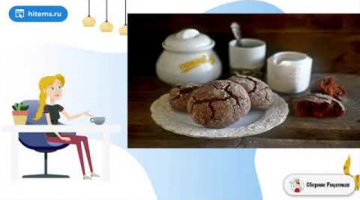
If you love chocolate, this is the kind of cookie that makes you pause mid-bite. It’s soft all the way through, intensely cocoa-forward, and it wears that snowy powdered-sugar coat that cracks open in the oven like a tiny dessert sunrise. No fancy equipment, no tricky pastry techniques-just a straightforward dough, a short chill, and a hot oven.
These cookies don’t try to be elegant. They try to be comforting. They taste like a chocolate brownie decided to become a cookie-then got dressed up in powdered sugar and went to a coffee date.
Make them when you want something that feels “special” without turning your kitchen into a disaster zone. Make them when the day was long. Make them because your coffee deserves company.
Why these crinkle cookies work so well
What you get in the end
-
A soft, fudgy center (think brownie-like, not cakey)
-
A thin, crisp sugar shell that melts into a delicate crust
-
Bold chocolate flavor with a subtle espresso edge that deepens cocoa instead of shouting “coffee!”
-
Reliable crinkles-the kind that look like you know what you’re doing
Why the recipe is forgiving
This dough is thick and slightly sticky by design. The chill time firms the butter and dries the surface a bit-two small details that prevent cookie “pancakes” and help the cracks form dramatically.
Ingredients (U.S. measures)
Makes about 18-22 small cookies (6 servings depending on how you count “serving”)
Wet base
-
4 tablespoons unsalted butter, softened (about 57 g)
-
2/3 cup light brown sugar, packed
-
1 large egg
-
1 tablespoon milk (any kind)
Chocolate + dry mix
-
4 teaspoons instant espresso powder (or instant coffee, see notes)
-
1/4 cup unsweetened cocoa powder (natural or Dutch-process-both work)
-
1/2 cup all-purpose flour
-
1 teaspoon baking powder
-
1/8 teaspoon salt
-
4 ounces dark or semisweet chocolate, chopped (about 113-120 g)
For the “glaze” coating
-
Powdered sugar, for rolling (about 3/4 cup, often more)
Ingredient notes (so you don’t get surprises)
-
Espresso powder: Best flavor and easiest. If you only have instant coffee, use it-but the flavor will be softer and slightly more bitter.
-
Chocolate bar vs chips: A chopped bar melts into pockets and streaks. Chips hold their shape more. Either works; chopped chocolate tastes more “bakery.”
-
Cocoa: Natural cocoa is brighter and slightly tangy; Dutch-process is darker and smoother. Your cookies will be delicious either way.
-
Butter: Softened, not melted. If it’s melting or oily, your dough will spread too much.
The texture secret: why the cracks happen
Crinkles are basically controlled chaos.
-
The outside dries slightly (chill time + powdered sugar)
-
The inside expands in the oven (steam + baking powder lift)
-
The set outer layer can’t stretch fast enough, so it splits into cracks
-
Powdered sugar stays pale in those cracks, giving you that dramatic black-and-white contrast
If you want bold cracks, you need:
-
A thick dough
-
A properly hot oven
-
A generous powdered-sugar coat
-
Cookies pulled before they dry out
Step-by-step instructions
Total active time: ~25-30 minutes
Chill time: 40 minutes (minimum)
Bake time: ~12-15 minutes per batch
Oven: 375°F
1) Cream the butter and sugar
In a medium bowl, beat softened butter with light brown sugar until it looks fluffy and lighter in color-about 1-2 minutes with a mixer, or a bit longer by hand.
You’ll hear and feel the sugar at first. Give it time. That gritty sound softens into a smooth, creamy texture. This step builds structure and helps the cookies stay tender.
2) Add the egg (and milk)
Beat in 1 large egg until the mixture looks glossy and cohesive. Then stir in 1 tablespoon milk.
This is where the dough stops looking like sweet butter and starts looking like “cookie batter.”
3) Add the chocolate
Stir in the chopped dark or semisweet chocolate.
If your chocolate is chopped fine, it will melt more and create fudgy streaks. If you chop it chunkier, you’ll get pockets. Choose your personality.
4) Mix the dry ingredients separately
In a separate bowl, whisk together:
-
flour
-
cocoa powder
-
baking powder
-
salt
-
instant espresso powder
Whisking is not busywork here. Cocoa loves to clump, espresso powder can hide in pockets, and baking powder needs even distribution.
5) Combine wet + dry
Add the dry mix into the wet mixture. Stir with a spatula until no dry flour remains.
The dough should be thick, dark, and slightly sticky. It shouldn’t pour. It should feel like it wants to cling to your spoon.
6) Chill the dough (40 minutes)
Cover the bowl and chill for at least 40 minutes.
This is the difference between:
-
elegant thick cookies with cracks
and -
flat cookies that spread and lose their drama
Short on time? Chill 25-30 minutes, but know your cookies may spread a bit more.
7) Preheat oven and prep your pan
Preheat to 375°F. Line a baking sheet with parchment paper.
Pour powdered sugar into a small bowl.
8) Scoop and roll
Scoop dough into balls about the size of a walnut (roughly 1 tablespoon dough per cookie). Roll gently between your palms-just enough to form a ball.
Then roll each ball generously in powdered sugar.
Tip for extra-bold cracks: roll once, let the ball sit 30-60 seconds, then roll again. That second coat sticks better and stays whiter.
9) Bake (12-15 minutes)
Place cookies about 2 inches apart.
Bake 12-15 minutes, depending on your oven and cookie size.
How to know they’re done:
-
The tops have deep cracks
-
The cookies look set around the edges
-
The centers still look slightly soft (not wet, just not firm)
If you wait until they look “fully done,” they’ll be dry the next day. Pull them while they still look a little tender.
10) Cool correctly
Let cookies cool on the pan for 5 minutes, then transfer to a rack.
Warm, they’re soft and almost brownie-like. Cool, they become slightly chewier with that delicate sugar crust.
What’s happening in the oven (simple food science, real-life useful)
-
Cocoa + heat intensifies aroma and deepens flavor.
-
Baking powder creates lift and helps form that crackly dome.
-
Egg moisture turns to steam, expanding the inside.
-
Powdered sugar forms a thin shell-part crust, part candy-like finish.
This is why the cookies crack: the inside rises, the outside resists, and the top splits.
Common mistakes (and how to avoid them)
“My cookies spread into flat rounds.”
Most likely causes:
-
Butter was too warm or partially melted
-
Dough wasn’t chilled long enough
-
Oven runs cool
Fix:
Chill longer (even 60-90 minutes), use a thermometer if your oven is unreliable, and make sure butter is softened-not melty.
“No cracks!”
Most likely causes:
-
Too little powdered sugar
-
Powdered sugar absorbed moisture and got clumpy
-
Oven not hot enough
Fix:
Coat more heavily, use fresh powdered sugar, and bake at a true 375°F.
“They’re dry inside.”
Most likely cause:
-
Overbaking
Fix:
Pull them earlier. Crinkles should look slightly underdone in the center when they come out.
“The sugar turned yellow/brown.”
That usually happens if:
-
Oven is too hot
-
Cookies are too close to the top element
-
Baking too long
Use the middle rack and avoid pushing bake time past the crack stage.
Flavor variations (keep the texture, change the mood)
1) Mexican chocolate vibe
Add:
-
1/4 teaspoon cinnamon
-
A tiny pinch of chili powder (start small)
Result: warm, spicy chocolate that pairs beautifully with coffee.
2) Orange-chocolate espresso
Add:
-
Zest of 1/2 orange
Optional: a few drops of orange extract
Result: brighter aroma and a “fancier” finish without extra effort.
3) Extra espresso punch
Add:
-
+1 teaspoon espresso powder
Reduce: -
brown sugar by 1-2 tablespoons (optional)
Result: more roasted depth, less sweetness.
4) “Snowy” softer chocolate profile
Use:
-
half Dutch-process cocoa + half natural cocoa (if you have both)
Or mix in: -
2 ounces chopped white chocolate alongside the dark
Result: gentler sweetness, still rich.
5) Gluten-free swap (best-effort option)
Swap flour with a cup-for-cup gluten-free baking blend.
Result: slightly more delicate/crumbly texture, still very good. Chill time becomes even more important.
Serving ideas Americans actually use (and why they work)
Coffee pairings
-
Straight espresso: sharp contrast, classic café feel
-
Pour-over or drip coffee (medium roast): smooth, balanced
-
Cold brew: makes the chocolate taste rounder and sweeter
Kid-friendly
-
Cold milk (dairy or oat milk are both great here)
-
Hot chocolate (yes, double chocolate-because why not)
Dessert upgrade
-
Sandwich vanilla ice cream between two cookies and freeze 10 minutes.
-
Crumble over Greek yogurt with berries for a “breakfast that isn’t really breakfast.”
Nutrition (estimated, per 1 small cookie)
Approximate values (will vary with chocolate brand and cookie size):
-
Calories: ~110-130
-
Protein: ~1-2 g
-
Fat: ~6-7 g
-
Carbs: ~12-15 g
This is a treat. But it’s a treat with real cocoa, and cocoa naturally contains plant compounds that are widely discussed for their antioxidant properties. In plain language: it’s dessert, not medicine-but it’s also not empty air.
Storage and freezing (so they stay soft)
Store at room temp (best for texture)
-
Keep in an airtight container 3-4 days
-
Add a small piece of bread in the container if your kitchen is very dry (it helps maintain softness)
Refrigerate (if you need longer)
-
Up to about 10 days, airtight
-
Bring to room temp before eating for best texture
Freeze baked cookies
-
Freeze airtight up to 2 months
-
Thaw at room temp 30-60 minutes
Freeze dough balls (my favorite method)
-
Roll dough into balls
-
Freeze on a tray until solid
-
Transfer to a freezer bag/container
-
Bake straight from frozen, adding 1-2 minutes to bake time
-
Roll in powdered sugar right before baking (or roll, freeze, then re-roll)
A short, cozy origin note: why “crinkle cookies” became a classic
Crinkle cookies became popular in American home baking because they’re visually impressive while still being simple: roll, coat, bake, done. You don’t need piping bags, icing skills, or special pans-just a thick chocolate dough and powdered sugar. Over the decades, people kept making them because they reliably look like a holiday cookie even on a random Tuesday.
And honestly, that’s part of their charm: they’re modest in technique and generous in payoff.
FAQ (SEO-friendly, real answers)
How do I keep chocolate cookies soft?
Two rules:
-
Don’t overbake-pull them when centers still look a touch soft.
-
Store airtight once fully cooled.
Can I use brewed espresso instead of espresso powder?
Not in the same way. Brewed espresso adds too much liquid and can throw off texture. Espresso powder gives flavor without changing the dough structure.
What if I only have cocoa and no chocolate bar?
You’ll lose those melted pockets of chocolate, but you can still make a great cookie. Increase butter slightly (about 1 tablespoon) and add 1-2 extra tablespoons cocoa if you want more intensity. Texture will be a bit less “fudgy-streaked,” still delicious.
Can I use dark brown sugar?
Yes. Dark brown sugar adds deeper molasses notes and slightly more chew. If the dough feels softer, extend chill time.
Why did my cookies collapse after baking?
Usually:
-
Too much leavening
-
Overmixing after adding flour
-
Oven too hot (outer sets fast, inner collapses)
Keep baking powder measured carefully and mix only until combined.
Final note: the small cracks are the whole point
These cookies are proof that you don’t need complicated pastry techniques to make something that feels special. The cracks are not a flaw. They’re the signature. Each cookie comes out with its own map of lines and ridges-like it decided how it wanted to look the moment the oven door closed.
Make a batch. Brew coffee while the dough chills. Let the kitchen smell like cocoa and calm for a while.