Jam-Filled Shortbread Cookies (Buttery “Sand” Cookies) for Tea, Coffee, and Everything in Between
There are recipes you learn from a cookbook, and there are recipes you inherit-quietly, almost like a secret. No fancy techniques, no chef theatrics. Just the warm breath of the oven, the smell of butter turning golden at the edges, and that first bite that breaks with a soft snap and then melts into crumbs.
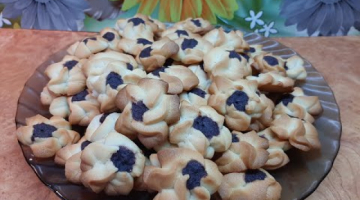
This is one of those recipes: classic shortbread-style cookies piped into little rosettes and finished with a spoonful of jam-a simple idea that feels like a celebration on an ordinary day. It’s the kind of cookie you make “just for tea,” and then somehow the plate is empty before the kettle boils again.
If you want a cookie that looks bakery-pretty but is still deeply homemade-this is it. The dough is forgiving when you respect the basics: room-temperature ingredients, good butter, gentle mixing, and a hot oven that sets the shape fast.
Make yourself a mug of tea or coffee. Open a window if you can. Let the kitchen feel alive. And let’s bake.
Why These Are Called “Shortbread” or “Sandy” Cookies
In everyday language, people often call this style of cookie “shortbread,” “butter cookies,” or “sandy cookies.” They all point to the same idea: high fat, low liquid, tender crumb.
Butter coats flour particles and slows down gluten formation. Less gluten means less chew and more crumble. That’s why the texture feels “sandy” and delicate, like it’s breaking into tiny buttery flakes rather than stretching like bread.
The jam in the center isn’t just decoration. It’s contrast-sweet and tangy against rich butter. It’s the little bright note that makes you reach for another cookie without thinking.
Ingredients (Everything Must Be Room Temperature)
This is not negotiable. Room-temperature butter and egg whites blend smoothly and create a stable dough that pipes cleanly and bakes into neat rosettes. Cold ingredients can cause splitting, cracking, and a dry, uneven texture.
What You’ll Need
-
Unsalted butter (82% fat if possible) - 200 g (about 7 oz / 14 Tbsp)
-
Powdered sugar - 100 g (about ¾ cup + 1 Tbsp, depending on how you scoop)
-
Egg whites (from large eggs) - 2 whites (about 80 g / ⅓ cup)
-
Vanilla sugar - 1 tsp
-
US swap: 1 tsp vanilla extract or ½ tsp vanilla extract + ½ tsp extra powdered sugar
-
-
All-purpose flour - 300 g (about 2½ cups, spooned and leveled)
-
Jam or thick fruit preserves - 2 Tbsp
-
Cornstarch - 1 tsp
Best Jam Choices (So It Doesn’t “Lava” Out)
Pick something thick: apricot preserves, raspberry jam, strawberry preserves, plum butter, fig jam, cherry preserves. If your jam is loose and syrupy, it will try to escape in the oven. We’ll fix that with cornstarch-but starting thick helps.
Quick Kitchen Notes Before You Start
Equipment That Makes Life Easier
-
Stand mixer or hand mixer
-
Large piping bag
-
Large open star tip (any big star works; you don’t need a specific number)
-
Parchment paper
-
Baking sheet
-
Small spoon (or the back of a teaspoon)
The One-Hour Head Start
Take butter and eggs out 60 minutes before baking. You want butter that presses easily but isn’t oily or half-melted. The goal is soft, not shiny.
Five Small Secrets for Perfect “Sandy” Cookies
1) Use real butter
This cookie is basically butter wearing a flour coat. If the butter is great, the cookie is great.
2) Powdered sugar beats granulated sugar here
Powdered sugar dissolves quickly and gives you that soft, delicate bite. Granulated sugar can leave tiny crunch crystals. Some people love that, but for a classic rosette cookie, powdered sugar wins.
3) Whip, but don’t whip forever
You want air in the butter, yes. But if you take it too far, the dough can become overly fluffy and fragile, and the cookies may spread or lose detail.
4) Flour goes in gently
Once flour arrives, gluten can form. Mix only until the flour disappears-then stop.
5) Cornstarch is the jam insurance policy
One teaspoon turns runny jam into a stable filling that stays put and looks clean.
Step-by-Step: Jam-Filled Shortbread Cookies With a Warm, Homemade Rhythm
Step 1: Whip the butter until pale and creamy
Place soft butter in a mixing bowl. Beat on medium speed for about 3 minutes.
At first it looks yellow and heavy. Then it turns creamy, lighter, and slightly fluffy. You’re looking for butter that’s pale and smooth, like a thick whipped cream-this is the foundation of that tender crumble.
Step 2: Add powdered sugar in “soft snowfall”
Add the powdered sugar in 2–3 additions, mixing well after each. Don’t dump it all at once unless you enjoy sugar fog.
Beat another 2 minutes until the mixture looks airy and very light. The bowl will smell like sweet butter, which is basically happiness.
Step 3: Add egg whites gradually
Lightly whisk the egg whites with a fork just to break them up. Then add them one tablespoon at a time, mixing on medium-low.
At first, the mixture may look like it’s trying to separate. Keep going gently. It will come back together into a glossy, creamy batter-like base.
Step 4: Add vanilla
Mix in vanilla sugar (or vanilla extract). The scent is subtle now, but the oven will wake it up. Later, people will walk in and ask, “What are you baking?” before they even take off their coat.
Step 5: Add flour in portions-then stop right on time
Sift the flour (optional, but helpful for smooth piping). Add it in 3 additions, mixing on low speed.
As soon as the flour disappears-stop. Overmixing is the fastest way to turn tender shortbread into something tougher and drier.
The finished dough should be soft, pipeable, and able to hold shape. If it feels too stiff to pipe, it may be too cold or too flour-heavy. If it feels loose and shiny, the butter may be too warm.
Step 6: Pipe rosettes (or any shape you love)
Line a baking sheet with parchment.
Fit a piping bag with a large star tip. Fill the bag with dough. Pipe rosettes or spirals, leaving about 1 inch (2–3 cm) of space between cookies. They don’t spread like pancakes, but they do relax a little.
No piping tip? You can still make these:
-
Roll small balls, flatten slightly
-
Press with a fork
-
Or shape into small rings
Rosettes are pretty, but the flavor doesn’t care what shape you chose.
Step 7: Make jam filling that behaves
Mix 2 Tbsp jam + 1 tsp cornstarch until smooth. It should become thicker and more stable-almost like fruit paste.
Transfer to a small bag and snip the corner, or just use a small spoon.
Step 8: Make a little “nest” and fill it
Use the back of a teaspoon (dip it in water to prevent sticking) to press a small indentation in each cookie center.
Fill each indentation with a small amount of jam-don’t overfill. The jam should sit like a jewel, not like a puddle.
Step 9: Bake hot and confident
Preheat your oven well.
Bake at 400–425°F (200–220°C) for 15–20 minutes.
Your timing depends on your oven and cookie size.
You’ll know they’re ready when:
-
The edges are light golden
-
The bottoms are set
-
The center is still fairly pale (that’s normal)
If you push past “golden” into “deep brown,” you’ll lose some of the buttery softness. These should be crisp at the edges and tender through the middle.
Step 10: Cool in two stages (this matters)
Let cookies rest on the baking sheet for 10 minutes. They’re fragile right out of the oven.
Then transfer to a rack to cool completely. This keeps the bottoms dry and preserves the piped design.
Troubleshooting: If Something Goes Wrong, Here’s Why
Cookies spread and lose their shape
Possible causes
-
Butter was too warm or oily
-
Dough was over-whipped
-
Flour measurement was light
Fix
-
Chill piped cookies 20 minutes before baking
-
Next time: stop mixing earlier, measure flour carefully (spoon and level)
Cracks on the sides
Possible causes
-
Egg whites were cold
-
Oven ran too hot or cookies baked too long
Fix
-
Bring ingredients fully to room temperature
-
Reduce oven temp slightly or shorten bake time
Jam leaked onto the pan
Possible causes
-
Jam too thin
-
Not enough cornstarch
-
Overfilled centers
Fix
-
Use thick preserves or add a pinch more cornstarch
-
Fill modestly-just enough for a glossy center
Cookies aren’t crisp
Possible causes
-
Underbaked
-
Cookies piped too thick
Fix
-
Add 1–2 minutes (watch closely near the end)
-
Pipe slightly smaller rosettes next batch
Flavor Variations (Same Dough, New Personality)
1) “Lavender Morning” (gentle and floral)
Replace vanilla with a tiny pinch of culinary lavender (crush it first).
Use lemon curd or thick lemon preserves in the center.
The result tastes like sunshine and clean linen-soft, bright, elegant.
2) “Nutty Gold” (almond twist)
Replace ½ cup (50–60 g) of flour with almond flour.
Fill with apricot preserves.
This version feels bakery-classic: buttery, fragrant, and a little richer.
3) Gluten-Free Version (surprisingly good)
Use a gluten-free blend designed for baking, or try this homemade mix:
-
60% rice flour
-
30% corn flour
-
10% almond flour
Add ½ tsp xanthan gum for structure.
Pipe gently and chill before baking. The texture will be slightly different, but still tender and delicious.
4) “Holiday Spice” (when the air smells like December)
Add:
-
½ tsp cinnamon
-
a pinch of ginger
Fill with cranberry preserves or cherry jam.
These taste like cozy evenings and warm mugs.
Serving Ideas That Make Them Feel Special
Classic tea-time plate
Arrange cookies on a simple plate and pair with:
-
black tea (Earl Grey is amazing here)
-
coffee (espresso or a strong drip)
-
hot cocoa for kids
Dessert upgrade (the “company is coming” move)
Serve with:
-
vanilla ice cream
-
whipped cream
-
fresh berries
-
a sprinkle of powdered sugar
Suddenly your simple cookie turns into a restaurant-style dessert with almost no extra work.
Gift tin version
Layer cookies in a tin with parchment between layers.
Add a small handwritten note.
It’s the kind of gift people remember because it feels personal and real.
How to Store Them (So They Stay Crisp and Pretty)
-
Store in an airtight container at room temperature for up to 7 days.
-
If your kitchen is humid, add a small piece of paper towel inside the container (not touching the cookies) to help absorb moisture.
-
Refrigeration can extend life to about 2 weeks, but it may dull the buttery aroma. If you refrigerate, let cookies come back to room temperature before serving.
Can you freeze them?
Yes.
-
Freeze baked cookies (preferably unfilled or filled with very thick jam) in a container.
-
Thaw at room temp, uncovered, to avoid condensation.
They’ll still taste wonderful-especially with coffee.
Nutrition Snapshot (Approximate)
If the batch makes about 24 cookies, one cookie is roughly:
-
Calories: ~125–135
-
Fat: ~7–8 g
-
Carbs: ~13–15 g
-
Protein: ~1–2 g
These numbers vary depending on cookie size and the jam used.
FAQ: The Questions People Always Ask
Can I use salted butter?
Yes, but skip any additional salt. Salted butter varies by brand, so taste can shift slightly. If you love that sweet-salty contrast, salted butter can be a nice twist.
Can I swap butter for oil?
Technically you can, but it becomes a different cookie-less “sandy,” less fragrant, less classic. This recipe is built around butter. If butter is expensive where you are, it’s worth saving it for recipes like this where it truly shines.
Why only egg whites?
Egg yolks add richness and color, but they also make the crumb heavier and a bit denser. Egg whites keep the cookie light and crisp. This version is about delicate crumble and clean butter flavor.
Powdered sugar vs. granulated sugar-does it matter?
It matters for texture. Powdered sugar makes the cookie finer and more tender. Granulated sugar leaves sparkle and a tiny crunch. If you like that crunch, you can replace up to half the powdered sugar with fine granulated sugar.
My dough is hard to pipe-what do I do?
Most likely the butter cooled down too much or the flour is a bit heavy. Try:
-
Let the dough sit 5–10 minutes at room temp
-
Knead it lightly in the bag with your hands to warm it
-
Next time, weigh flour if possible for accuracy
A Small Behind-the-Scenes Note
Sometimes in baking, you discover something by accident. You whip the butter a little too much, it turns extra airy, and you panic-then the cookies come out with a surprisingly velvety bite. That’s the quiet joy of a home recipe: it’s not a laboratory, it’s a living thing. You learn your oven, your flour, your hands.
So don’t be afraid of small improvisations. Respect the core rules-room temperature, gentle flour mixing, thick jam-and let the rest be yours.
Final Word: Your Turn
If you’ve made it this far, you can already hear that buttery crunch, right? Don’t wait for a “special day.” Preheat the oven. Pipe the rosettes. Drop that little jewel of jam into the center. And when the kitchen starts smelling like vanilla and warm butter, you’ll understand why these cookies keep getting passed along.
May your tea be hot, your home be warm, and your cookies be crisp and tender at the same time.
Enjoy your jam-filled shortbread cookies.