Yakut Waffles (Yakutskie Vafli): The Soft Northern Waffle You’ll Want on Repeat
There are waffles you make for a photo. And then there are waffles you make because you want your kitchen to feel warm, calm, and a little bit protected from whatever the day is throwing at you.
Yakut waffles belong to the second category.
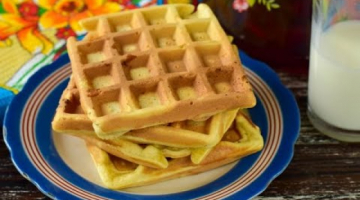
They’re not the tall, bakery-style Belgian kind with deep pockets and a dramatic crunch. They’re thinner, gentler, and noticeably softer-even after they cool down. That “stays tender” quality is the whole point. One batch can sit on a plate while everyone wakes up, and it still tastes like a real breakfast, not a stale snack.
If you grew up anywhere near old-school stovetop waffle irons, you’ll recognize the vibe immediately: simple pantry ingredients, quick mixing, and that first hit of warm sweet dairy in the air. If you didn’t-perfect. This is an easy way to build a new tradition with almost no fuss.
Below is a localized, U.S.-friendly version of the recipe, with the same structure and mood, but with American measurements, equipment tips, and realistic substitutions you can actually use with what you find in a typical U.S. grocery store.
What Are Yakut Waffles?
Yakut waffles (often written as “Yakutskie vafli”) are thin, lightly sweet waffles with a soft, elastic crumb-not rubbery in a bad way, more like “springy and tender.” Think: the comfort zone between a pancake and a classic crisp waffle.
The name points toward Yakutia (the Sakha Republic), a place famous for intense winters and huge distances. Whether the recipe originated there or traveled and adapted over time, the “northern logic” makes sense: a waffle that doesn’t turn into a brittle shard the minute it cools down is simply more practical in cold air and busy households.
Yakutia is also one of the most sparsely populated regions on Earth-its population density is around a fraction of a person per square kilometer. In places like that, home cooking isn’t a trend; it’s infrastructure. And a reliable waffle recipe is exactly the kind of small domestic technology people keep for decades.
Why You’ll Love This Recipe
-
Soft even when cool (that’s the signature)
-
Minimal ingredients and no butter required
-
Fast mixing-one bowl, one whisk
-
Flexible sweetness: make it breakfast-light or dessert-sweet
-
Works in electric waffle makers and stovetop irons
Ingredients (U.S. Measurements + Metric)
This is a small batch-perfect for a cozy breakfast without leftovers taking over your counter.
You’ll need:
-
1 large egg
-
Pinch of salt
-
1 1/2 to 2 tablespoons sugar (or up to 3 tablespoons if you want it dessert-sweet)
-
1/2 cup milk (room temperature is best)
(120 ml) -
1/2 teaspoon baking soda
-
2/3 cup all-purpose flour
(about 80 g)
Yield
-
About 3 servings, depending on waffle iron size
-
Typically 5–7 thin waffles in a standard home waffle maker
Quick Ingredient Notes (The “Why” Behind the Simple List)
Egg
One egg gives structure and just enough elasticity so the waffle bends a little instead of snapping. That’s a big part of why these stay soft.
Sugar
The sugar is intentionally moderate. You’re aiming for “warm and sweet,” not “cupcake.” If you plan to top with sweetened condensed milk, jam, or ice cream, keep the sugar closer to 1 1/2 tablespoons.
Milk
Milk is the cushion. It creates tenderness and helps the batter spread into a thin layer without becoming gluey.
Baking Soda
Yes-baking soda usually likes an acidic partner. But it can still contribute lift and browning once heat hits the batter, and even a small amount can loosen texture. If you switch to sour cream, buttermilk, or kefir, baking soda becomes even more effective and the waffles brown more richly.
Flour
80 grams is the sweet spot: enough to hold shape, not enough to turn dense. If you scoop flour with a cup straight from the bag, you may accidentally pack it and add too much. If you can, spoon flour into the measuring cup and level it.
Smart Substitutions (Without Losing the Character)
Milk swaps
-
Buttermilk (best for flavor + browning): use the same amount
-
Kefir: same amount, slightly tangier
-
Sour cream (10–15%): use about 1/3 cup sour cream + 2–3 tablespoons water to thin it
Baking soda swap
-
Replace 1/2 tsp baking soda with 1 teaspoon baking powder
If you do this, letting the batter sit 5 minutes can help it relax and bake more evenly.
Sugar swaps
-
Honey: use 1 tablespoon honey and reduce milk by 1 tablespoon (honey adds liquid)
-
Granulated monk fruit blend: works 1:1 (choose a blend meant for baking)
-
Stevia: only if it’s a baking blend; pure stevia can turn bitter and “thin” the flavor
Flour swaps (gluten-free option)
-
Use a 1:1 gluten-free baking flour (with xanthan gum included), same amount by volume
If your blend has no binder, add 1/2 teaspoon xanthan gum for better elasticity.
Equipment: What Works Best
Electric waffle maker (easiest)
-
Preheat fully. If it has a dial, start around medium.
-
A light oil spray can help, especially with older nonstick surfaces.
Stovetop waffle iron (classic style)
-
Use steady, medium heat. Too hot and the outside burns before the inside sets.
-
Flip carefully and give it time. Stovetop irons often need 2–2 1/2 minutes per side, depending on thickness and heat.
No waffle maker?
You can still capture the spirit:
-
Use a well-heated cast iron skillet or grill pan.
-
Pour a thin layer like a pancake, cook until set, flip gently.
-
You’ll lose the deep grid, but keep the tenderness and aroma.
Step-by-Step: Batter That “Breathes”
This batter doesn’t need fancy technique, but small details matter because you’re working with a thin waffle where texture changes fast.
1) Whisk the egg until lightly foamy
Crack the egg into a bowl and whisk until you see a light foam on top. You’re not trying to whip it like meringue-just introduce air so the waffle doesn’t bake flat and tight.
2) Add sugar and salt
Whisk again. The sugar crystals help break up the egg structure slightly and create a finer foam. Salt doesn’t make it salty; it makes it taste more like… itself.
3) Add milk (room temperature)
Cold milk can tighten the batter and slow the first rise. Room-temp milk mixes smoother and bakes more evenly.
A good real-life trick: pour milk into a cup and let it sit on the counter while your waffle maker preheats.
4) Add baking soda
Whisk it in thoroughly. You want it evenly distributed-no tiny pockets of soda that can taste metallic.
If you’re using buttermilk or sour cream, this step becomes even more effective because the soda has more acidity to react with.
5) Sift or fluff the flour, then add it
If you can, whisk the flour in a separate bowl first, or at least stir it to loosen it. Then add and whisk until smooth.
You’re aiming for a batter that pours easily but isn’t watery. Think: slightly thinner than pancake batter.
6) Final mixing (don’t overdo it)
Once the flour disappears and the batter looks smooth, stop. Overmixing can make the waffle tougher.
Let it sit 2–3 minutes while you set your plate and toppings. This tiny pause helps flour hydrate and the texture becomes more consistent.
Baking: Minutes That Decide Everything
Your first waffle is your test waffle. That’s normal and honestly useful.
How much batter?
For many waffle makers, 2–3 tablespoons is enough for a thin waffle. Pour into the center and close the lid gently.
Timing guide (adjust to your machine)
-
1–1 1/2 minutes: very thin, delicate, “lacy” waffles
Great for rolling with cream or fruit. -
1 1/2–2 minutes: classic Yakut style
Soft inside, lightly crisp at edges. -
2–2 1/2 minutes: sturdier snack waffle
Better if you want to spread thick toppings like dulce de leche.
Heat balance trick
If your waffle maker browns unevenly (top cooks faster than bottom), you can very carefully rotate the appliance for a short moment during baking-only if your model is stable and safe to handle. Many people skip this and just adjust timing.
Serving Ideas That Feel “American,” But Keep the Northern Soul
Yakut waffles are polite. They don’t demand complicated toppings. They just want something cozy.
1) Sweetened condensed milk (classic comfort)
Use thick, spoonable condensed milk. Put a small dollop in the center of a warm waffle and let it melt outward like caramel.
If you want a U.S. pantry alternative: dulce de leche gives a deeper caramel note.
2) Fresh berries (bright + clean)
Blueberries, cranberries, lingonberries (if you can find them), raspberries-anything with a little sharpness is perfect against the soft waffle.
A very American move that still fits: blueberries + a squeeze of lemon + a pinch of sugar.
3) Honey-mascarpone or honey-cream topping
Mix mascarpone (or cream cheese) with honey and a pinch of salt. Spread lightly. Add berries if you want.
4) “Grown-up dessert” version
Warm waffle + vanilla ice cream + a small splash of coffee liqueur or Irish cream-style liqueur. The waffle heat wakes up the vanilla and turns it into a real dessert, not just ice cream on bread.
5) Peanut butter + jam (unexpectedly good)
Because these waffles are soft, they handle spreads beautifully. A thin layer of peanut butter and a spoon of strawberry jam turns it into a grab-and-go breakfast.
How to Store and Reheat (So They Stay Good)
Room temperature
-
Up to 2 days in an airtight container
They’ll remain soft, but edges may lose crispness.
Freezer
-
Up to 1 month, tightly wrapped or in a freezer bag
Separate layers with parchment paper so they don’t stick.
Best reheat methods
-
Toaster (fast): about 30–60 seconds, medium setting
-
Oven: 300°F for 6–8 minutes
-
Air fryer: 300°F for 2–3 minutes
“Second life” trick
If reheated waffles feel a bit dry, a tiny mist of water (or sparkling water) on the surface before toasting can bring back that freshly-baked softness inside. Don’t soak-just a whisper of moisture.
Nutrition (Reality-Based, Approximate)
Since waffle size and toppings vary, treat this as a rough estimate for one thin waffle from the batch (without toppings):
-
Calories: ~120–170
-
Protein: ~3–5 g
-
Fat: ~2–5 g
-
Carbs: ~18–28 g
If you top with condensed milk or ice cream, the numbers obviously climb fast-but that’s dessert math, and dessert math is not meant to be punished.
Yakut vs Belgian vs Viennese Waffles (Quick Comparison)
Yakut Waffles
-
Thin (about 1/4 inch or less)
-
Soft and elastic even after cooling
-
Not overly sweet
-
Simple batter, quick mixing
Belgian Waffles
-
Thick and airy, deep pockets
-
Often made with baking powder or yeast
-
Crisp outside, fluffy inside
-
Built for syrup and heavy toppings
Viennese-Style Waffles
-
More buttery, richer batter
-
Softer than Belgian but usually denser
-
Often dessert-forward
Yakut waffles are the “quiet one” in the room-but they’re the one you’ll actually make on a Tuesday.
Troubleshooting (Because Waffles Love Drama)
“They stick to my waffle maker.”
Most common causes:
-
Maker wasn’t fully preheated
-
Nonstick surface is worn
-
Too much sugar for your machine (sugar caramelizes and sticks)
Fix:
-
Preheat longer than you think you need
-
Lightly oil the plates
-
Reduce sugar slightly if sticking keeps happening
“They’re too dense.”
Possible causes:
-
Too much flour (packed measuring cup)
-
Overmixed batter
-
Batter too thick
Fix:
-
Fluff flour before measuring
-
Mix only until smooth
-
Add 1–2 tablespoons milk to loosen
“They taste a little metallic.”
That’s usually too much baking soda or uneven mixing.
Fix:
-
Measure carefully
-
Whisk soda thoroughly
-
Consider switching to baking powder if you prefer a cleaner flavor
“They’re pale and bland.”
Possible causes:
-
Heat too low
-
Not enough sugar for browning
-
Using very low-fat milk
Fix:
-
Increase heat or cook slightly longer
-
Keep sugar at least 1 1/2 tablespoons
-
Whole milk browns better
Frequently Asked Questions
Can I replace sugar with honey or a sugar-free sweetener?
Yes, but adjust liquid if using honey. For sugar-free, pick a baking-friendly blend. Pure stevia can turn bitter and give the waffle a weird aftertaste.
How do I get a clean grid pattern?
Don’t overfill. Leave a small border so the batter can spread evenly when the lid closes. Also: preheat fully-grid definition improves with stable heat.
Can I make the batter ahead?
With baking soda, it’s best used soon after mixing. If you want to prep ahead, switch to baking powder and store the batter covered in the fridge for up to 12 hours. Stir gently before using.
Can I make it dairy-free?
Yes:
-
Use unsweetened oat milk or soy milk
-
Consider adding 1 teaspoon neutral oil for tenderness (optional)
-
Browning may be slightly lighter
Can I double the recipe?
Absolutely. Double everything and mix in a larger bowl. Just remember: bigger batches encourage overmixing. Mix gently and stop early.
A Small Story You Can Eat
Yakut waffles aren’t trying to impress anyone. They’re not “viral,” not loud, not trendy. They’re a quiet kind of smart: minimal ingredients, dependable texture, and that specific warmth you get from batter meeting heat.
Make them once and you’ll understand why they stick. Not because they’re complicated. Because they’re useful-and because they feel like someone cared enough to make breakfast simple.