Snow-White Angel Food Cake (Egg-White Sponge) - Fluffy, Light, and Honestly “Too Good for How Simple It Is”
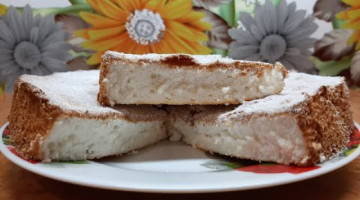
There’s a reason people call this cake “angelic.” The crumb is snowy white, the slice looks like a soft cloud, and the texture feels almost weightless-springy, airy, and delicate without being dry. If you’ve ever baked something rich (custard, crème brûlée, ice cream base, butter cookies) and ended up with extra egg whites, this recipe is the most satisfying way to use them up. You’re basically turning leftovers into a cake that looks like you planned it all along.
In the U.S., this style is best known as Angel Food Cake-a classic American dessert that became popular in the late 1800s and remains a staple for light layer cakes, berry desserts, and summer gatherings.
What makes it special is also what makes it a little strict: no yolks, no butter, and no oil. The structure comes almost entirely from properly whipped egg whites and gentle folding. That’s it. It’s simple… but it demands attention, because this cake is fragile in the best way.
This is a localized, U.S.-kitchen-friendly version of the original text and method: same idea, same rhythm, same love for detail-just adapted to American ingredients, measurements, and the way people in the States actually bake and serve it.
Why This Cake Works (And Why It’s So White)
Angel food cake stays pale because it contains only egg whites (no yolks to tint the crumb) and usually relies on an acid to stabilize the foam. In many American recipes that acid is cream of tartar; here, we use citric acid, which works beautifully if measured correctly. The result is a cake that’s:
-
tall and airy (if the foam is stable)
-
tender but not greasy (there’s no fat in the batter)
-
sweet in a clean way (confectioners’ sugar gives softness)
-
perfect with basically any topping (berries, whipped cream, lemon curd, chocolate mousse-anything)
And yes: you can absolutely eat it plain with a snowfall of powdered sugar. It’s that kind of cake.
A Quick, True History Bite (No Fairy Tales, Just Context)
Angel food cake developed in the United States during the 19th century, evolving from earlier “white sponge” styles made with whipped egg whites and sugar. It gained wider popularity as tools like rotary egg beaters and specialized pans made it easier to whip whites and bake tall, stable cakes.
That “cool upside down” habit isn’t just tradition-it’s function. The cake sets as it cools, and gravity helps keep the foam structure from collapsing.
What You’ll Need (Pan Size + Temperature for U.S. Ovens)
-
Oven: 350°F (that’s 180°C)
-
Bake time: about 25–30 minutes
-
Pan:
-
For a taller layer: 7-inch (about 18 cm) round pan
-
For a slightly wider, lower layer: 8-inch (about 20 cm) round pan
-
If you own an ungreased tube pan (classic angel food cake pan), it’s even easier to get height and even baking.
-
Important: Do not grease the sides of the pan. The batter needs to cling to the metal as it climbs. Grease makes it slip-and sinking follows.
Ingredients (For a 7-inch / 18 cm Pan)
Here’s the heart of the cake. Keep it clean, keep it precise.
Main Ingredients
-
5 large egg whites (about 150 g total whites), room temperature
-
100 g confectioners’ sugar (powdered sugar), sifted
-
60 g all-purpose flour, sifted (see flour note below)
-
Vanilla sugar (or 1–2 teaspoons vanilla extract; details below)
-
Citric acid: 1/3 teaspoon
-
A pinch of fine salt
Flour Note (U.S. Reality)
All-purpose flour works, but for an even more delicate crumb you can use cake flour. If you only have all-purpose, you can fake something close:
-
For each 1 cup (120 g) of flour, remove 2 tablespoons and replace with cornstarch, then sift.
Here we only need 60 g, so you can simply add 1 teaspoon cornstarch to the flour and sift well for a slightly finer texture.
Vanilla Note
Vanilla sugar is common in Eastern European baking. In the U.S., most people use:
-
vanilla extract, or
-
vanilla bean paste, or
-
a little vanilla powder
Use what matches your style. If you want that soft “bakery vanilla” aroma: vanilla sugar + a splash of extract is a beautiful combo.
The Non-Negotiables (Before You Start)
This cake will forgive many things, but not these:
1) Your bowl and whisk must be grease-free
Any fat = weak foam. Even a tiny smear of yolk can ruin volume. If you’re not sure, wipe your bowl and whisk with a little lemon juice or vinegar, then dry.
2) Egg whites whip best at room temp
Cold whites can whip, yes, but they take longer and can be less stable. Give them about 30 minutes on the counter.
3) Don’t rush the folding
Overmix and you knock out the air. Undermix and you get flour pockets. You want calm, steady, careful folding.
Step-by-Step: Snow-White Angel Food Cake
Step 1: Prepare the egg whites
Separate your eggs carefully. No yolk. Not even a drop.
Start mixing the whites on low speed for about 30 seconds until foamy. Add:
-
the pinch of salt
Then increase to medium speed.
Step 2: Build a stable foam
Once the foam looks thick and soft (like cappuccino foam), begin adding about half of the confectioners’ sugar gradually-one spoonful at a time.
Add:
-
citric acid
-
vanilla (sugar or extract)
Keep mixing until you reach soft peaks. Soft peaks mean: lift the whisk, and the peak bends over like a bird’s beak. It should look glossy and smooth-not dry, not chunky.
This matters. Overwhipping is one of the easiest ways to destroy this cake.
Step 3: Strengthen the foam (without turning it into styrofoam)
Add the remaining confectioners’ sugar in a thin stream. Mix about 1 minute more-just until the sugar is integrated and the foam looks stable and satiny.
Step 4: Fold in the flour
Sift the flour (and cornstarch, if using) directly over the whipped whites.
Now switch to a spatula and fold gently:
-
scrape from the bottom
-
lift up and over
-
rotate the bowl
-
repeat
You’re aiming for a batter that looks airy but uniform. No flour streaks.
Step 5: Pan and bake
Pour the batter into an ungreased pan. If using a round pan:
-
line only the bottom with parchment
-
leave the sides bare (no butter, no spray)
Tap the pan lightly on the counter once or twice to pop huge air bubbles-don’t get aggressive.
Bake at 350°F for 25–30 minutes.
Check doneness with a toothpick or skewer: it should come out clean or with a few dry crumbs.
Step 6: The upside-down cool (this is not optional)
As soon as the cake comes out of the oven, invert it.
If you have a tube pan, many have little feet for this exact reason. If you have a round pan, flip it carefully onto a cutting board or cooling rack (choose a stable setup).
Let it cool upside down until completely cool-at least 1 hour.
This prevents collapse while the structure finishes setting. This isn’t superstition; it’s physics.
Step 7: Release and slice like a professional
Once cool, run a thin knife around the sides. Lift the cake out.
To slice cleanly:
-
use a long serrated knife, very sharp
-
wipe the blade between cuts
-
or briefly warm the blade in hot water and dry it
Angel food cake cuts best when you treat it gently and don’t saw aggressively.
Let It “Mature” (If You’re Making a Layer Cake)
If you’re using this as a layer for a real-deal cake:
Wrap the cooled cake tightly and let it rest 4–6 hours (or overnight). The crumb stabilizes, slicing becomes cleaner, and you’ll lose fewer crumbs during assembly.
10 Practical Tricks So It Works the First Time
-
Stainless steel or glass bowl beats plastic. Plastic can hold a greasy film.
-
Sift everything-powdered sugar, flour, even cornstarch. Air matters here.
-
Stop at soft peaks. Stiff peaks can turn the foam grainy and brittle.
-
If you accidentally get yolk in whites, don’t “hope it’s fine.” Start over with clean whites.
-
Don’t open the oven for the first 20 minutes. Temperature swings = collapse risk.
-
If using convection/fan, reduce to about 340°F to prevent drying.
-
Don’t grease the pan. The cake needs grip to climb.
-
Cool upside down-always.
-
If your kitchen is humid, work a little faster once the whites are whipped.
-
For extra stability, you can add a tiny pinch (about 1/4 teaspoon) of egg white powder (albumen) if you have it-helpful on rainy days or when whites feel “weak.”
Flavor Variations and Pairings (American-Style Serving Ideas)
This cake is a blank canvas. Here are variations that still respect the “angel” structure.
Lemon Snow
Add:
-
1 teaspoon finely grated lemon zest (fold it into the flour)
Best with:
-
lemon curd
-
whipped cream
-
fresh berries
Coconut Cloud
Replace:
-
20 g flour with 20 g finely shredded unsweetened coconut
Best with:
-
cream cheese frosting
-
pineapple compote
-
toasted coconut on top
Matcha Breeze
Add:
-
1–2 teaspoons matcha powder (sifted with the flour)
Best with:
-
white chocolate ganache
-
cherries
-
lightly sweetened whipped cream
Chocolate Haze
Replace:
-
10 g flour with 10 g unsweetened cocoa powder (sifted)
Best with:
-
chocolate mousse
-
raspberry jam
-
espresso whipped cream
Winter Spice Version
Add:
-
a pinch of cinnamon + cardamom + clove (very light-don’t overpower)
Best with:
-
orange cream
-
cranberry sauce
-
candied citrus peel
Nutrition (What’s Realistic to Say in the U.S.)
Angel food cake is typically very low in fat because it’s made without yolks or butter, but it can still be moderate in calories depending on sugar and serving size. Many U.S. nutrition databases place classic angel food cake around ~257–258 calories per 100 g, with very low fat and mostly carbs.
That’s why people love it as a “lighter” dessert: it feels light, it’s low-fat, and it pairs well with fruit instead of heavy frosting.
FAQ (Localized Answers for U.S. Kitchens)
1) Can I make it gluten-free?
Yes, but use a real gluten-free baking blend designed for cakes, or try:
-
rice flour + cornstarch (1:1), plus
-
a small amount of binder like psyllium husk (about 1/2 teaspoon)
Expect the crumb to be slightly different-still good, just less elastic.
2) My cake sank in the middle-why?
Most common reasons:
-
whites were overwhipped (dry, brittle foam)
-
pan was greased
-
oven was opened too early
-
batter was folded too aggressively and lost air
Next time: soft peaks, clean pan, patience.
3) How do I store it?
-
Room temp: up to 3 days in a container
-
Fridge: 5–6 days wrapped well (it can dry out faster in the fridge, so wrap tightly)
-
Freezer: up to 2 months, sliced and wrapped individually
4) What should I soak it with for a layer cake?
Because it’s light, you don’t need heavy syrup. Great options:
-
citrus syrup (lemon/orange + sugar + water)
-
berry juice reduced slightly
-
lightly sweetened tea
-
yes, even a splash of sweet dessert wine if you’re making an adult version
5) Can I use aquafaba instead of egg whites?
Technically yes:
-
about 150 ml aquafaba ≈ 5 egg whites
But the texture will usually be a bit less fine and less “bouncy.” Still workable, just not identical.
The 7 Most Common Beginner Mistakes (And How to Avoid Them)
-
Pan too large → cake looks flat and “sad.”
-
Whipping to stiff peaks → foam becomes dry, cake can collapse.
-
Adding sugar too fast → unstable foam.
-
Skipping sifting → dense pockets.
-
Greasing the pan → cake can’t climb.
-
Opening the oven early → sudden drop = collapse.
-
Trying to remove the cake while hot → the sides tear and deform.
This cake isn’t hard. It just refuses chaos.
Serving Ideas Americans Actually Love
Strawberry Shortcake Style
Slice thick pieces, top with:
-
macerated strawberries
-
whipped cream
-
a small drizzle of vanilla syrup
It’s classic for a reason.
“Cloud Cups” Dessert
Cube the cake and layer into glasses:
-
cake cubes
-
yogurt mousse or whipped cream
-
passionfruit or berry puree
Chill and serve cold.
Light Trifle for a Party Table
In a big glass bowl:
-
cubes of cake
-
vanilla pudding or mascarpone cream
-
berries
-
repeat
It looks fancy, tastes easy, disappears fast.
Ice-Cream Cake Version
Freeze layers with:
-
softened ice cream
-
berry swirl
-
crushed nuts on top
Slice straight from the freezer-clean, bold, fun.
Mocha Forest Mini Cakes
Chocolate variation of the cake + coffee cream + pecans.
This one feels “grown-up bakery,” especially with a light dusting of cocoa.
“7 Strav” Test-Kitchen Notes (How We Dialed It In)
When we refined this recipe, the biggest improvements came from small, unromantic details:
-
Flour with moderate protein (not too strong) gives a tender crumb.
-
Humidity matters more than people admit. If your kitchen feels damp, work efficiently once whites are whipped.
-
A tiny amount of egg white powder can improve stability in unstable conditions-especially if you’re baking during rainy weather or if your whites seem watery.
None of this is mandatory. But if you’re chasing that perfect tall, even crumb-details are where it’s hiding.
Final Words
This snow-white angel food cake is more than a “use up egg whites” recipe. It’s the philosophy of lightness in edible form: minimal ingredients, maximum texture, endless ways to serve it.
Bake it once, flip it upside down like you mean it, let it cool fully, and slice it carefully. You’ll get a cake that feels gentle but tastes confident-soft, vanilla-sweet, and clean on the palate. Add berries and cream for a classic American finish, or keep it plain with powdered sugar and call it what it is: a cloud you can eat.
Enjoy your baking-and keep the bowl clean.