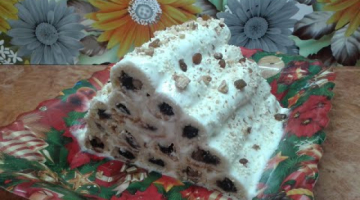
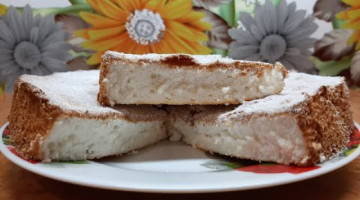
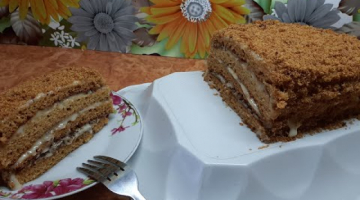
A legendary layered cake with warm honey-caramel notes, tender sheets, and a cream that turns everything into velvet.
There are desserts you bake once, enjoy, and forget. And then there are desserts that keep coming back-quietly, stubbornly-because the flavor is tied to people, to kitchens, to “remember when…”. Honey cake is exactly that kind of recipe.
It’s not flashy in the modern “one-bowl, ten-minute” sense. It asks for attention. A small pot. A whisk. A calm hand when the honey foams up. A little patience while the layers soak. But when you cut the first slice-when the knife glides through soft honey layers and you catch that gentle caramel aroma-suddenly the effort feels like a bargain.
This version is a classic Medovik built on a honey-caramel base (honey + sugar + butter + baking soda), baked into thin, tender sheets, and layered with a smooth stovetop custard cream. The result is rich but not heavy, sweet but not cloying, and unbelievably “together” after it rests.
If you’ve ever wanted a honey cake that tastes like the best possible homemade memory-this is it.
Why This Honey Cake Works
Medovik isn’t just “honey-flavored cake.” The personality comes from a specific reaction: when warm honey and sugar meet baking soda, the mixture foams, deepens in color, and develops that signature toffee-caramel backbone. That’s the soul of the cake.
A few more things make it reliably great:
-
Thin layers bake quickly and stay flexible once they’ve absorbed cream.
-
Custard cream brings a mellow dairy sweetness that balances honey’s intensity.
-
Rest time is not optional. The cake becomes truly tender only after it has time to hydrate and settle.
You’ll taste the difference the next day. But you won’t regret cutting into it sooner, either.
Flavor Profile (So You Know What You’re Getting)
Expect: warm honey, gentle caramel, buttery pastry notes, and a creamy vanilla finish. If you add toasted walnuts, you get a pleasant crunch that breaks up the softness and makes each bite feel “complete.”
Ingredients for the Honey Cake Layers
This recipe is written for a U.S. kitchen, with measurements that make sense at home. Use a kitchen scale if you can-it makes everything calmer and more consistent.
For the honey cake batter (thin sheet layers)
-
Unsalted butter (or good-quality margarine), 150 g (about 10 1/2 tablespoons)
-
Large eggs, 2
-
Granulated sugar, 180 g (about 3/4 cup + 2 tablespoons)
-
Baking soda, 1 teaspoon (level, not heaping)
-
Honey, 2 tablespoons (preferably floral or buckwheat-style for deeper caramel notes)
-
All-purpose flour, about 190–210 g (roughly 1 1/2 cups, spooned and leveled)
-
Walnuts, optional, a handful, lightly toasted and chopped
Choosing honey (small detail, big impact)
Honey changes the entire tone of the cake. Lighter honey (like clover) gives a softer, more delicate sweetness. Darker honey (like buckwheat) pushes the cake toward bold caramel and deeper aroma. Either is good-just pick the mood you want.
Ingredients for the Custard Cream
This cream is the “velvet engine” of the cake: it soaks into the layers and turns them from baked sheets into a unified, sliceable dessert.
-
Whole milk, 500 ml (about 2 cups + 2 tablespoons)
-
Granulated sugar, 120 g (about 1/2 cup + 1 tablespoon)
-
Large eggs, 2 (or 3 egg yolks for a richer, more luxurious cream)
-
Cornstarch, 35 g (about 1/4 cup, leveled)
-
Unsalted butter, 60 g (about 4 tablespoons)
-
Vanilla, 1 teaspoon extract or a pinch of vanilla powder
Tools You’ll Want (Nothing Fancy)
-
Medium saucepan
-
Whisk + silicone spatula
-
Two sheet pans (or bake in batches)
-
Parchment paper
-
Offset spatula (nice, not required)
-
Knife or cake ring to trim layers
-
Plastic wrap
The Method: Step-by-Step Honey Cake, No Drama
Read through once before you start. Not because it’s difficult-because timing matters.
Step 1: Make the honey-caramel base
-
In a saucepan over low heat, combine: butter, sugar, and honey.
-
Stir until the butter melts and the sugar dissolves. You want gentle warmth, not an aggressive boil.
-
When the mixture looks smooth and glossy and you see small bubbles around the edge, remove from heat.
-
Add baking soda and stir immediately.
It will foam up fast. That’s correct. The color shifts toward warm amber, and the aroma turns from “sweet” to “caramel-honey.” This is the moment where Medovik becomes Medovik.
Step 2: Add eggs without scrambling them
-
In a separate bowl, lightly whisk the 2 eggs until just foamy.
-
Let the honey mixture cool for 2–3 minutes (it should be hot but not scorching).
-
Slowly drizzle the honey mixture into the eggs while whisking constantly.
If you pour too fast or the mixture is too hot, you risk bits of cooked egg. Take your time-this is a quiet step.
Step 3: Add flour and aim for the right texture
-
Sift the flour (yes, do it-twice if you want ultra-lightness).
-
Add it in portions, mixing until smooth.
You’re aiming for a batter that resembles thick sour cream: it should spread easily but not run like pancake batter. Flour amounts vary a little depending on humidity and how you measure, so let the texture guide you more than the number.
Step 4: Bake thin cake sheets (fast, gentle, consistent)
-
Preheat your oven to 350°F (180°C).
-
Line a sheet pan with parchment. Lightly grease the parchment.
-
Spread a portion of batter into a thin, even layer-about 1/8 inch (3–4 mm).
Bake for 12–15 minutes, or until the surface is golden and a toothpick comes out clean.
Repeat until all batter is baked. You can bake one sheet at a time if needed-just keep the thickness consistent.
Step 5: Trim and prepare crumbs for the finish
While the sheets are still manageable (not brittle), stack them and trim the edges so they’re all the same size. This gives you a neat cake and also creates the best topping: honey cake crumbs.
Set the trimmings aside.
Then cut each baked sheet in half if you want more layers (and you do). More layers = more cream distribution = more tenderness.
Custard Cream: Smooth, Glossy, and Not Grainy
Custard sounds intimidating until you make it once. The secret is whisking and controlled heat.
Step 6: Cook the custard
-
In a saucepan, heat about half the milk with the sugar until it’s steaming and just starting to tremble at the edges. Not a rolling boil.
-
In a bowl, whisk eggs + cornstarch + remaining milk until completely smooth.
-
Slowly pour the egg mixture into the hot milk while whisking constantly.
-
Return to medium heat and whisk continuously.
It will thicken quickly-sometimes in under a minute once it starts. When it becomes a silky pudding-like texture, remove from heat.
Step 7: Finish with butter and vanilla
Stir in butter until melted and glossy. Add vanilla.
Now cover the surface with plastic wrap pressed directly onto the custard. This prevents a skin and keeps it creamy.
Let it cool until warm-not cold, not hot. Warm cream spreads beautifully and soaks layers faster.
Assemble the Cake: “Soak It to Bring It Alive”
This is where everything becomes one.
Step 8: Layer and cream
-
Place the first cake sheet on a plate or board.
-
Spread a generous layer of custard.
-
If using walnuts, sprinkle a little on top.
-
Add the next layer and repeat.
Don’t be shy with cream. Medovik is supposed to be generously filled. Press lightly with your palm as you stack-just enough to settle layers, not enough to squeeze cream out.
Step 9: Coat the outside
Use remaining custard to coat the top and sides. It doesn’t need to be perfect; crumbs will cover everything.
Step 10: Make the crumbs and finish
Dry the trimmings in the oven for 5 minutes at 325°F (160°C) if they feel soft, then crush them into crumbs (food processor or hands).
Press crumbs onto the sides and sprinkle thickly over the top. This “honey dust” is not decoration-it’s protection. It keeps the cake moist and gives it that iconic look.
Resting Time: The Real Magic
Refrigerate the cake for at least 4 hours, ideally 8–12 hours.
This is when the layers soften, the honey aroma spreads into the cream, and the whole cake becomes sliceable and plush. Day-two Medovik is often the best Medovik.
Practical Secrets (No Pathos, Just Truth)
Don’t shock the eggs
If the honey base is too hot, eggs scramble. Let it cool a couple minutes and drizzle slowly.
Baking soda is not optional
Baking soda reacts with honey’s natural acidity and helps create that signature flavor and color. Baking powder won’t give the same result.
Toast the nuts
If you use walnuts, toast them for 7–8 minutes. The flavor becomes warmer, less bitter, more “bakery.”
Custard loves movement
Whisk constantly when thickening. And always cool it with plastic wrap touching the surface-skin becomes lumps later.
Variation: Sour Cream Frosting Instead of Custard
Sometimes you want lighter, tangier, and simpler. Traditional sour cream frosting works beautifully.
-
Sour cream, 400 g (about 1 2/3 cups, thick/full-fat)
-
Powdered sugar, 150 g (about 1 1/4 cups)
-
Vanilla to taste
Whip until smooth and airy. This version tends to soak in overnight and tastes bright and clean, especially if you add a little lemon zest.
Honey in Baking: Useful Notes (Without Myths)
Honey isn’t just sugar with a different name. It brings aroma compounds that survive baking surprisingly well, especially when the honey is warmed gently rather than boiled hard. Darker honeys generally carry stronger mineral notes and deeper flavor, which is why they can make baked goods taste more “caramelized” even at the same bake time.
One more practical point: honey attracts moisture. That’s part of why Medovik ages well-those layers keep softening instead of drying out.
FAQ: Common Problems and Fixes
Why did my layers turn out too hard?
Most likely:
-
You baked them too long, or
-
The layers were too thick, or
-
You added too much flour.
Fix: next time spread thinner (3–4 mm) and pull them at light golden. Also measure flour carefully-spoon and level, don’t scoop.
Can I use spread instead of butter?
You can, but you’ll lose flavor depth. Butter gives the cake a richer, rounder finish. If you’re making Medovik for the first time, use butter and learn the baseline taste.
My custard got lumpy-what now?
Strain it through a fine sieve while warm, then whisk again. It’ll still be delicious.
How do I make it hold shape in warm weather?
If your kitchen is hot, you can stabilize the custard:
-
Bloom 1 teaspoon powdered gelatin in 2 tablespoons water, melt gently, and whisk into warm custard.
Chill thoroughly before slicing.
Can I make it ahead?
Yes-actually, you should. Make it the day before serving and let it rest overnight. The texture improves dramatically.
Serving Suggestions (Simple, Correct, Pleasant)
-
Serve slightly chilled, about 45–50°F (7–10°C).
-
Pair with black tea, lightly floral tea, or coffee.
-
For a clean slice, use a long knife dipped in hot water and wiped dry between cuts.
Storage
-
Refrigerate, covered, up to 3 days.
-
After that, the aroma starts to fade and the cake can pick up fridge smells.
-
Freezing is possible (wrap tightly), but the crumb coat may soften; the flavor still holds up surprisingly well.
Medovik as a Kitchen Ritual
There’s a moment while you’re making this cake-usually right after the baking soda hits the warm honey-when the kitchen smells like honeyed caramel and butter and something old-fashioned in the best way. It’s not just “dessert.” It’s a small ceremony.
Layer by layer, cream by cream, crumb by crumb, you’re building a cake that doesn’t scream for attention. It simply earns it. And when you finally cut into it-when you hear that faint walnut crunch, feel the softness of soaked layers, and taste that warm honey glow-time slows down for a second.
That’s why people keep returning to Medovik. Not because it’s trendy. Because it’s reliable joy.
Summary
-
Active time: about 30–40 minutes
-
Rest time: 4–12 hours (worth it)
-
Yield: 8–10 servings
-
Result: tender honey layers + silky custard + that unmistakable caramel-honey aroma