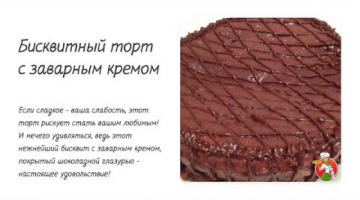
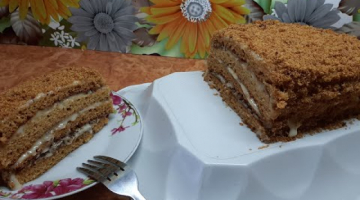
Sponge Cake with Vanilla Custard and Two-Chocolate Glaze (A Tender Classic for American Kitchens)
If you have a soft spot for sweets, this cake has a real chance of moving in and never leaving. It’s the kind of dessert that doesn’t need fireworks to impress: a feather-light sponge, a silky vanilla custard that tastes like warmth, and a glossy chocolate finish that cracks ever so slightly under a fork before melting into the crumb.
It’s comforting, a little dramatic, and surprisingly doable at home-even on an ordinary day when you just want something truly good on the table.
This guide walks you through the whole process in a calm, practical way: how to get a sponge that rises evenly, how to cook custard without lumps or panic, and how to make a glaze that looks like you knew what you were doing all along. I’ll keep the storytelling structure, but I’ll also give you the exact cues that matter: texture, timing, temperatures, and those small “this is what you’re looking for” moments that separate a decent cake from a memorable one.
Quick Overview: What You’re Making
This is a two-layer sponge cake filled with classic vanilla custard, then coated in a two-chocolate glaze (dark + milk) for a balanced flavor-deep, sweet, and not flat.
Servings: 6–8
Pan: 8–9 inch round (20–22 cm)
Oven: 350°F (180°C)
Skill level: Beginner-friendly, if you follow the cues
Ingredients (U.S. Measurements + Metric)
For the Sponge Cake
-
4 large eggs (room temperature)
-
1 cup granulated sugar (about 200 g)
-
1 tablespoon vanilla sugar or 2 teaspoons vanilla extract
-
1 cup all-purpose flour (about 120–130 g, depending on how you scoop)
-
1/2 teaspoon baking powder
-
Pinch of salt (not in the original list, but it helps the flavor behave)
For the Vanilla Custard
-
1 large egg
-
1/2 cup granulated sugar (about 100 g)
-
1 tablespoon vanilla sugar or 1–2 teaspoons vanilla extract
-
2 tablespoons all-purpose flour
-
1 cup milk (240 ml)
-
7 tablespoons unsalted butter (100 g), softened
For the Two-Chocolate Glaze
-
3.5 oz (100 g) dark chocolate, chopped
-
3.5 oz (100 g) milk chocolate, chopped
-
3 tablespoons milk (45–50 ml)
-
2 tablespoons unsalted butter (about 30 g)
Why This Works (And Why It’s Worth It)
Some cakes are about architecture. This one is about texture.
The sponge is basically air held together by a careful batter. When you beat eggs and sugar long enough, you create a stable foam-tiny bubbles that expand in the oven and lift the cake without needing a heavy fat base.
The custard is the opposite: slow, gentle heat and steady stirring until it turns from “sweet milk” into “soft velvet.” You’re not just cooking it-you’re guiding it.
And the two-chocolate glaze? That’s your compromise between bold and friendly: dark chocolate brings depth, milk chocolate brings comfort. Together, they taste rounder, like a chord instead of a single note.
A Short (Tasty) Time-Travel Detour
Sponge-style cakes have been around for centuries because they do something magical with basic ingredients: eggs, sugar, flour-no yeast, no fuss. Different countries refined the idea in their own directions: airy sponge, elegant genoise, the classic afternoon-tea style layer cake.
Custard has its own long life in European kitchens too. It’s a close cousin of old cream sauces and egg-thickened desserts, where the rule is simple and strict: heat gently, don’t boil, don’t walk away.
That’s the beauty of this cake: it carries old technique into a modern home oven, and it still feels special.
Ingredient Notes: Small Choices That Matter
Eggs
Fresh eggs whip better and hold structure longer. If your eggs are cold, you can warm them (in the shell) in a bowl of warm-not hot-water for 5 minutes. You want them close to room temperature, not cooked.
Flour
For sponge cakes, how you measure flour matters. If you can, spoon flour into the cup and level it, rather than scooping straight from the bag (which packs flour and makes the cake heavier).
Vanilla
Vanilla sugar is lovely, but most U.S. kitchens have vanilla extract. Use what you have. The goal is aroma-soft, warm, and steady.
Chocolate
Use chocolate you’d actually eat. A glaze can’t hide bad chocolate. It only makes it shinier.
Equipment Checklist (Your “Stage Setup”)
-
8–9 inch round cake pan
-
Parchment paper for the bottom
-
Mixer (hand or stand)
-
Large mixing bowl (very clean, no grease)
-
Fine mesh sieve (for flour)
-
Rubber spatula
-
Saucepan with a thick bottom (for custard)
-
Whisk
-
Offset spatula or butter knife (for smoothing)
-
Long serrated knife (for slicing cake)
-
Optional: thermometer (helpful for custard, not required)
-
Optional: piping bag (for a decorative swirl)
Prep your pan:
Line the bottom with parchment. Grease the sides lightly, then dust with flour. Tap out excess.
Preheat the oven to 350°F (180°C).
A small practical trick: place a slightly damp towel under the mixing bowl while whipping eggs. It keeps the bowl from sliding like it’s trying to escape.
Step 1: The Sponge Cake That Rises Like It Means It
1.1 Beat Eggs and Sugar Properly (This Is the Whole Foundation)
-
Crack 4 eggs into a clean bowl.
-
Add 1 cup sugar and vanilla (sugar or extract).
-
Start mixing on low for 30 seconds (helps sugar dissolve).
-
Increase to high and beat until pale, thick, and fluffy-usually 7–10 minutes, depending on mixer power.
The ribbon test:
Lift the whisk. The batter should fall in thick ribbons and sit on the surface for 3–4 seconds before melting back in.
If you hear gritty sugar when you rub a little batter between fingers, beat another minute. Sponge cakes don’t reward impatience.
1.2 Add Dry Ingredients Without Killing the Air
-
Sift flour + baking powder (and pinch of salt) twice.
-
Add the dry ingredients in 2–3 additions.
-
Fold gently with a spatula: scoop from the bottom, lift, fold over-rotate the bowl as you go.
You’re not “mixing.” You’re protecting the air you created.
1.3 Bake
-
Pour batter into the pan.
-
Tap the pan once or twice on the counter to pop large air pockets.
-
Bake about 35–45 minutes.
Important: Do not open the oven for the first 25 minutes. Sponge cakes are sensitive. A rush of cool air can collapse the center.
Doneness cues:
-
Top is golden and springs back when gently pressed
-
A toothpick comes out clean or with a few dry crumbs
-
The cake pulls slightly from the sides
Cool in the pan 10 minutes, then run a knife around the edge and turn out onto a rack. Remove parchment. Let it cool completely before slicing.
Step 2: Vanilla Custard (Silky, Not Lumpy, Not Scrambled)
Custard is one of those things that teaches you patience fast. The heat has to be low enough that you stay in control.
2.1 Mix the Base
In a bowl, whisk together:
-
1 egg
-
1/2 cup sugar
-
vanilla
-
2 tablespoons flour
Whisk until smooth-no dry pockets, no flour lumps.
Add 1 cup cold milk slowly while whisking. You’re building a smooth liquid base.
2.2 Cook Gently Until Thick
Pour into a thick-bottomed saucepan.
Cook over low heat, whisking constantly. If you stop stirring, the bottom thickens first and you get lumps before you even know what happened.
What you’re looking for:
-
The mixture thickens gradually
-
It begins to “breathe”-slow bubbles appear
-
The custard coats a spoon and leaves a clean track if you swipe your finger across it
If you have a thermometer, aim for around 170–175°F (about 77–80°C). Don’t boil.
2.3 Add Butter for That “Melt-On-The-Tongue” Finish
Take the custard off the heat.
Add softened butter (100 g / 7 tbsp) and beat with a mixer for about 1 minute until glossy and smooth.
Press plastic wrap directly onto the surface (touching the custard) so it doesn’t form a skin. Let cool to room temperature.
Step 3: Two-Chocolate Glaze (Shiny, Balanced, Not Streaky)
In a heatproof bowl combine:
-
dark chocolate (100 g)
-
milk chocolate (100 g)
-
3 tbsp milk
Melt gently using a double boiler method (bowl over simmering water). Stir until smooth.
Remove from heat and stir in 2 tbsp butter until glossy.
Key temperature cue:
Let the glaze cool until it feels warm but not hot-think about 95°F (35°C). Too hot and it runs off; too cool and it thickens before you can smooth it.
Assembly: Two Layers, One Cream, and a Calm Confidence
1) Slice the sponge
Once fully cool, slice horizontally with a long serrated knife. Go slow. Rotate the cake as you cut. Let the knife do the work.
2) Fill
Place the bottom layer on a plate or cake stand.
Spread about 3/4 of the custard evenly over the bottom layer.
3) Top and align
Place the top layer on. Press gently with your palm-just enough to help it settle, not enough to squash the air out.
4) Frost the sides
Use the remaining custard to coat the sides lightly. This is optional, but it makes the final glaze look more polished.
5) Glaze
Pour the glaze into the center and rotate the plate so it flows outward naturally. Don’t chase it too hard. Let gravity do its job.
Optional decoration (simple “web” pattern)
If you saved a small spoonful of contrasting chocolate, pipe a spiral on top and drag a toothpick from center outward in lines. It creates a spiderweb effect that looks fancy and takes 30 seconds.
Chill the cake for at least 1 hour before slicing. This is where the flavors settle, the custard firms up, and the glaze becomes that satisfying thin shell.
Variations That Still Respect the Cake
Rum Soak (for a grown-up version)
Mix:
-
2 tbsp dark rum
-
1 tbsp simple syrup
Brush lightly onto the cut sides of the sponge before adding custard.
Fruit Accent
Add a thin layer of apricot preserves (or raspberry jam) between sponge and custard. It gives brightness and cuts richness.
Nut Crunch
Fold chopped toasted hazelnuts into the custard. The flavor becomes more “praline-like,” and the texture gets interesting.
Gluten-Free Option
Replace the flour in the sponge with a 1:1 blend of rice flour + corn flour (by weight). The crumb becomes slightly more tender, slightly more delicate. Handle gently.
A practical rule: when you change ingredients, don’t replace more than a small portion at once unless you’re ready to troubleshoot structure. Sponge cakes are polite but picky.
Common Mistakes (And How to Save the Day)
Sponge didn’t rise
Most likely: eggs were cold, or you didn’t whip long enough.
Fix next time: warm eggs, beat until ribbon stage, fold gently.
Custard got lumps
Most likely: heat was too high or stirring wasn’t constant.
Rescue: use an immersion blender while custard is still warm. It can become smooth again.
Glaze looks dull
Most likely: chocolate overheated or seized slightly.
Fix: melt a fresh small batch gently and pour a thin top layer at the right warmth.
Serving, Storage, and The “Best Temperature” Secret
Serve at 65–70°F (18–21°C) if possible.
At that temperature, custard is creamy, sponge is soft, and glaze still has a delicate snap.
Best pairings:
-
Light-roast coffee with floral notes
-
Black tea
-
Tart hibiscus tea
-
A simple glass of milk (yes-classic, and it works)
Storage:
-
Refrigerate up to 3 days, covered
-
For longer storage: slice into portions, wrap in parchment, then foil, and freeze
Thaw in the fridge overnight, then let sit 20 minutes at room temp before eating.
Nutrition (Approximate, per 100 g)
-
Calories: ~325
-
Protein: ~6 g
-
Fat: ~16 g
-
Carbs: ~39 g
It’s dessert, no pretending. But as a portion-around 3 oz (80–90 g)-it’s a perfect finish to a weekend meal without turning the day into a sugar marathon.
FAQ
Can I replace butter with margarine in the custard?
Technically, yes. Honestly, it won’t taste the same. Butter gives custard that clean, melting finish. Margarine tends to taste flat and a little artificial in a dessert like this.
Why use both dark and milk chocolate?
Because one-note glaze tastes like… glaze. Dark chocolate adds depth and a slight bitterness; milk chocolate adds softness and caramel warmth. Together, the flavor feels layered.
Will the sponge work without baking powder?
It can. The main lift comes from whipped eggs. Baking powder is a small safety net-especially useful if your whipping wasn’t perfect.
Can I make the custard ahead?
Yes. Make it the day before, cool it with plastic wrap touching the surface, and refrigerate. Before using, let it soften slightly at room temp and whisk briefly to smooth it.
Small Science Notes (So You Know What You’re Doing)
-
Egg proteins begin to set as they warm, which is why custard thickens on gentle heat-but if you boil it, proteins tighten too fast and turn grainy.
-
Baking powder releases gas as it heats, expanding bubbles in the batter and helping lift.
-
Chocolate shine is partly about how cocoa butter crystals set as it cools-too hot or too rushed, and you lose that clean gloss.
You don’t need to memorize this. Just remember: gentle heat, steady motion, and patience pays you back.
A Mini Table Story You Can Tell While Slicing
Imagine an old kitchen where the biggest luxury isn’t gold leaf-it’s time. Someone beats eggs until their arm aches because the reward is a cake that rises without yeast, without heavy fat, just air and effort. Later, someone stirs milk and egg into a custard and learns the hard way that boiling is not the point. Centuries pass, ovens change, mixers get faster, but the core stays the same:
Whip air into sweetness.
Cook cream into velvet.
Pour chocolate like a promise.
And then you slice it, and everyone at the table gets quiet for a moment-not because they’re being polite, but because the cake is doing its job.
Final Note
This cake isn’t just a “recipe.” It’s a small, repeatable way to prove to yourself that you can make something beautiful with ordinary ingredients and a steady hand. Put on music you actually like. Clear your counter. Beat the eggs until they’re ready. Stir the custard until it turns into silk.
Then let the glaze shine.
Enjoy your baking-and enjoy the quiet satisfaction that comes right after the first perfect slice.