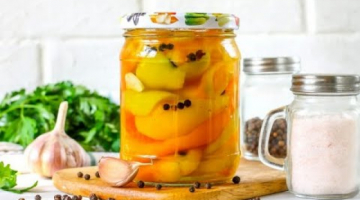
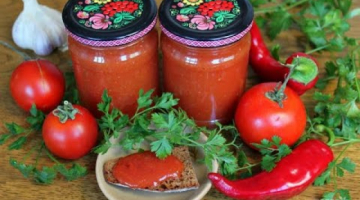
Bell Pepper Winter Cooking Base (Russian-Style Vegetable “Zazharka”)
A spoonful of summer you can stash away-then drop into soups, stews, grains, and weeknight dinners all winter long.
Some recipes don’t feel like “a dish.” They feel like a shortcut you earn. Your grandmother made it because it was practical. Your mom kept making it because it worked. And now you make it because modern life doesn’t always leave room for chopping onions and carrots every single time you want a pot of soup to taste like it’s been loved.
This bell pepper cooking base is exactly that kind of recipe.
It’s not a salsa. It’s not marinara. It’s not a relish. In many Eastern European kitchens it sits in the background like a quiet hero: a cooked mix of onions, carrots, peppers, tomatoes, garlic, and herbs-soft, fragrant, gently sweet, lightly tangy-ready to turn “plain” into “finished.” One spoon transforms broth into a real soup. Two spoons make rice taste like it came from a cozy café. A few more and your skillet chicken suddenly has a sauce that looks like you planned ahead.
And that’s the whole point: you did plan ahead-once.
Below you’ll find a fully localized version for U.S. home kitchens: clear measurements, realistic jar yields, options for heat level, and the most important part-safe storage guidance so you don’t gamble with pantry canning.
Why You’ll Want This in Your Kitchen (All Winter)
It’s concentrated flavor.
Bell peppers and ripe tomatoes bring brightness, onions and carrots bring sweetness, herbs bring that “fresh” note-even after cooking.
It’s wildly versatile.
Soup base, skillet sauce, grain booster, potato topper, braise starter, quick “vegetable gravy” for meat or poultry-this mix plays nice with almost everything.
It saves real time.
Weeknights aren’t the moment to dice onions and grate carrots. This is the prep you do once, then borrow from repeatedly.
It’s made from normal ingredients.
No dyes, no mystery powders, no “natural flavors.” Just vegetables, oil, salt, and a pinch of sugar for balance.
What This Recipe Tastes Like
Think: roasted-pepper-and-tomato warmth, but softer and more homey. It’s not sharp like salsa. It’s not heavy like pasta sauce. It’s a gentle, savory-sweet vegetable base with garlic and herbs that wakes up whatever you stir it into.
Ingredients (U.S. Kitchen-Friendly)
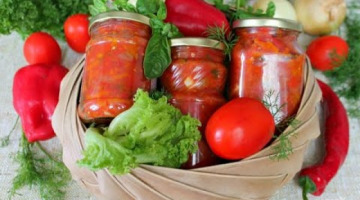
This makes about 5 to 6 cups of cooking base-roughly two pint jars (or four half-pints), depending on how much you simmer it down.
-
Bell peppers (sweet) - 1.1 lb (about 4 medium), any color, red is sweetest
-
Tomatoes - 1.3 lb (about 4–5 medium), very ripe is best
-
Yellow onion - 1 large (or 2 small)
-
Carrot - 1 large
-
Garlic - 3 to 6 cloves (use your family’s comfort level)
-
Hot pepper - about ⅓ of a small chile (optional; adjust to taste)
-
Fresh herbs - 1 generous bunch (parsley + dill is classic; parsley alone works fine)
-
Sunflower oil - 4 tablespoons (neutral oil is fine too: canola, avocado)
-
Kosher salt - about 1 teaspoon (adjust to taste)
-
Sugar - 1 teaspoon (helps balance tomato acidity)
Optional, but very helpful
-
1 tablespoon apple cider vinegar added at the end for brightness (not for “making it safe for pantry canning”-more on that below)
Equipment You’ll Need
-
Large skillet or wide sauté pan (a wider pan reduces faster and tastes richer)
-
Cutting board + sharp knife
-
Box grater (for carrots)
-
Blender / food processor (optional, for tomato puree)
-
Clean jars with tight lids (mason jars are perfect)
-
Ladle and funnel (nice to have, not required)
Choosing Great Produce (Because It Actually Matters Here)
This recipe is simple, so ingredient quality shows up immediately.
Bell peppers
Look for peppers that feel heavy for their size, with smooth, glossy skin and no wrinkles. Thick-walled peppers give you that “meaty” texture and a fuller flavor.
Tomatoes
Use the ripest tomatoes you can stand to chop. The kind that smell like summer and feel like they might burst if you squeeze them. Riper tomatoes bring natural sweetness and a deeper tomato taste, which means you won’t have to “fix” the sauce later.
Onion + carrot
Nothing fancy-just fresh, firm, not dried-out. Onion brings sweetness and body. Carrot adds color and a subtle caramel note that makes this base taste finished.
Garlic + hot pepper
Garlic should be firm, not sprouting. Hot pepper should be glossy and fresh. If you’re sensitive to heat, remove seeds and the pale inner ribs.
Herbs
Parsley and dill are the classic duo. Dill gives that unmistakable Eastern European “winter pantry” aroma. If dill is too polarizing in your house, go all-parsley and nobody complains.
Food Safety Reality Check (Read This If You Plan to Store It)
This mixture contains low-acid vegetables and oil. That combo is the reason you should be careful.
If you want the honest, practical U.S.-kitchen approach:
-
Best option for most households: store it in the refrigerator (short-term) or freezer (long-term).
-
If you’re serious about shelf-stable canning: use a tested, properly acidified recipe or pressure canning guidance designed for vegetable mixtures. Don’t improvise pantry canning with oil-rich vegetable bases.
So in this article, I’ll give you storage methods that keep the flavor and keep you safe-without pretending every jar is automatically “pantry safe.”
You’ll still get that “open a jar in winter” feeling-just with refrigerator jars or freezer jars, which are incredibly common in U.S. meal prep.
Step-by-Step Recipe
Step 1: Prep jars (simple, clean, ready)
If you’re storing in the fridge/freezer, you don’t need dramatic sterilization rituals-but you do need cleanliness.
-
Wash jars and lids with hot soapy water.
-
Rinse well.
-
Let them air-dry or dry with a clean towel.
If you want extra peace of mind: rinse jars with very hot water right before filling so they’re warm when the hot mixture goes in.
Step 2: Build the aromatic base (onion + carrot)
-
Dice the onion into a small, neat cube.
-
Heat 4 tablespoons oil in a large skillet over medium heat.
-
Add onion and cook 3–5 minutes, stirring, until soft and lightly golden.
-
Grate the carrot on the large holes of a box grater.
-
Add carrot to the skillet, stir, cover with a lid, and cook 5 minutes, stirring occasionally.
You’re not just “softening” vegetables here-you’re creating a sweet backbone that makes everything else taste richer.
Step 3: Add bell peppers (and let them relax)
-
Remove seeds and stems from the bell peppers.
-
Chop into large squares (not tiny pieces-this is a base, not a salad).
-
Add peppers to the skillet and cook about 10 minutes, stirring.
You want the peppers to become half-soft: they should bend, not snap.
Step 4: Add tomato puree (the color and body)
Turn tomatoes into puree using one of these methods:
-
Blender/food processor: quickest
-
Box grater: grate tomatoes over a bowl and discard skins
-
Knife-chop + mash: rustic, works fine
Pour the tomato puree into the skillet with the vegetables. Stir well.
Step 5: Season and balance
Add:
-
1 teaspoon salt
-
1 teaspoon sugar
-
Hot pepper (a small piece, to taste)
Now simmer the mixture 7–10 minutes covered, stirring occasionally. The sauce should thicken slightly and smell like sweet peppers and tomatoes had a long conversation and decided to get along.
Step 6: Add garlic + herbs (timing matters)
-
Finely chop herbs.
-
Slice garlic thinly (slicing gives aroma without harshness).
Add herbs and garlic, stir, and cook 2–3 minutes.
If you love stronger garlic: add half of the garlic earlier (during the simmer), and the rest in the last minute. That gives you “depth + sparkle.”
Step 7: Jar it up
While the mixture is hot:
-
Spoon into clean jars, leaving a little headspace (about ½ inch).
-
Close lids.
-
Let cool at room temperature, then refrigerate or freeze.
If you want the classic “flip-the-jar” ritual for tradition’s sake-fine. Just remember: flipping a jar doesn’t magically make it shelf-stable. It just helps you check for leaks.
Texture and Flavor Secrets (The Stuff You Only Learn After Making It Twice)
Carrots thicken naturally.
They soften into the sauce and give it that silky, spoon-coating texture.
Sugar isn’t for sweetness.
It’s there to round tomato acidity so the pepper flavor feels warmer, not sharper.
Hot pepper without seeds = warmth, not pain.
If you’re cooking for a family, start small. You can always add heat later in the dish you’re making.
Herbs are not decoration here.
They’re the little green signal that says, “this isn’t just tomato paste with peppers.”
Want extra “grandma pantry” flavor?
Add 1 tablespoon apple cider vinegar at the end. It brightens the whole mixture and makes the pepper taste sweeter. (Again: flavor, not a canning shortcut.)
How to Store It (Refrigerator and Freezer Options)
Refrigerator storage (most convenient)
-
Cool completely, then refrigerate.
-
Use within 7–10 days for best flavor and freshness.
Freezer storage (best for long-term)
This base freezes beautifully.
Options:
-
Freeze in wide-mouth jars designed for freezing, leaving extra headspace.
-
Freeze flat in zip-top freezer bags (easy to stack).
-
Freeze in silicone muffin cups or ice cube trays, then pop into a bag (perfect “spoon portions”).
Freezer shelf life: up to 6 months for best flavor (often longer, but taste is brightest in the first months).
If you insist on pantry storage
Then treat this as a separate project and use tested, proper canning methods designed for vegetable mixtures-especially because of oil and low-acid ingredients. Don’t “wing it.” Not because you’re careless-because food safety doesn’t reward confidence.
How to Use This Cooking Base (Fast U.S. Weeknight Scenarios)
1) Quick chicken soup that tastes like it simmered all day
-
Bring 6 cups chicken broth to a simmer.
-
Add 2–3 tablespoons of the base.
-
Add chopped potatoes or a handful of frozen mixed veggies.
-
Simmer until tender.
Result: a soup that tastes like you did prep work.
2) Rice or quinoa that isn’t boring
Cook your grain as usual, then stir in 2 tablespoons of the base at the end. Add a little butter or olive oil and a pinch of black pepper. It turns “side dish” into “why is this so good?”
3) Skillet chicken thighs with instant sauce
Sear chicken thighs until golden, remove.
Add 2–4 tablespoons of the base to the skillet with a splash of broth.
Return chicken, cover, and simmer 10–15 minutes.
That’s dinner.
4) Ground turkey or beef for tacos-quietly upgraded
Brown meat with salt, cumin, and paprika. Stir in 2 tablespoons of the base.
It won’t turn it into salsa. It’ll turn it into juicy, flavorful filling with depth.
5) Potatoes that taste like a real meal
Roast potatoes, then spoon this base over them with a little sour cream or Greek yogurt. Add chopped green onion if you’re feeling fancy.
6) Beans that taste “slow-cooked”
Stir 1–2 tablespoons into canned white beans with a splash of broth. Warm gently. Top with herbs. Suddenly it tastes like a cozy bowl you paid for.
Flavor Variations (Make It Yours Without Breaking It)
Sweeter and deeper
Use mostly red bell peppers and add an extra grated carrot.
More savory
Add:
-
½ teaspoon smoked paprika
-
A pinch of black pepper
-
A bay leaf during the simmer (remove before jarring)
More heat
Add more hot pepper, or stir in red pepper flakes at the end.
More garlic-forward
Add garlic in two stages: half mid-simmer, half at the end.
Chunky vs smooth
-
For chunky: chop tomatoes, don’t puree.
-
For smooth: blend the finished base briefly with an immersion blender.
Nutrition Notes (Practical, Not Preachy)
This is vegetable-dense, fiber-friendly, and naturally bright. Sweet peppers are known for being one of the stronger natural sources of vitamin C among common vegetables. Tomatoes contribute helpful plant compounds, and cooking them tends to make some of those compounds easier to use. Carrots bring beta-carotene. Garlic and herbs add aroma compounds that make food feel more satisfying-often the difference between “meh” and “I want a second bowl.”
But the real “health benefit” you’ll notice first is simpler: when food tastes good fast, you’re less tempted to default to ultra-processed shortcuts.
Troubleshooting (So You Don’t Waste a Batch)
“My base is too watery.”
Two fixes:
-
Simmer uncovered for 5–10 minutes to reduce.
-
Use wider pan next time (more surface area = faster evaporation).
“It tastes too acidic.”
Add a pinch more sugar, or stir in a tiny knob of butter when using it in a dish. Acid varies wildly between tomato varieties and seasons.
“It tastes flat.”
Usually it needs one of these:
-
A little more salt
-
A bit more garlic
-
Fresh herbs added at the end
-
A small splash of vinegar when using it in a dish
“The oil separates.”
Totally normal. Stir before using. Separation doesn’t automatically mean anything went wrong-especially in a vegetable mix with oil.
“It’s too spicy.”
When using it later, dilute with broth, tomato sauce, or a spoon of sour cream/yogurt. Heat can be softened; it can’t be removed.
FAQ
Can I replace sugar?
Yes. You can use a small spoon of honey, or skip it entirely if your tomatoes are very sweet. Sugar is mainly there for balance.
Can I add eggplant or zucchini?
Yes, but be realistic: watery vegetables change texture. If you add zucchini, reduce longer. If you add eggplant, consider adding 1 extra tablespoon oil because eggplant drinks it up.
Can I make it without sautéing, all in one pot?
You can, but flavor will be flatter. Sautéing onion and carrot first creates that caramelized sweetness that makes the base taste “built,” not just “boiled.”
Can I use canned tomatoes?
Yes-especially in winter when fresh tomatoes are sad. Use crushed tomatoes, then simmer a bit longer to thicken. The flavor will be slightly different but still very good.
How much should I add to a recipe?
Start with 1 tablespoon per serving of whatever you’re cooking. Taste. Add more if you want it bolder.
Is it a pasta sauce?
Not exactly. But it can become one: warm it with a splash of cream or a little butter, and you have a quick sauce for noodles, gnocchi, or meatballs.
Final Thoughts
This bell pepper winter cooking base is one of those quiet recipes that makes life easier without announcing itself. You spend a little time once-when peppers are cheap, tomatoes are ripe, and herbs smell like actual summer-and you get paid back all season long.
When January feels long and dinner needs to happen now, you open a jar, spoon in a little color, and your kitchen suddenly smells like a sunny market instead of a rushed Tuesday.
Make it once, and you’ll understand why people keep “just a couple jars” like insurance.