Spicy Tomato Ketchup for Winter Canning (Cozy, Homemade, and Honestly Better Than Store-Bought)
Picture a chilly October evening. Outside, the last leaves are hanging on, the air smells like damp earth and smoke from somebody’s fireplace, and your kitchen is doing what kitchens do best-turning a pile of ordinary produce into something that feels like comfort you can bottle.
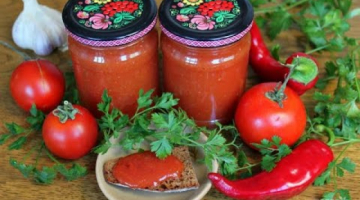
On the stove, a pot of tomatoes is quietly simmering down into a thick, brick-red puree. You lift the lid and get hit with it all at once: the sweetness of fully ripe tomatoes, the warm perfume of bay leaf and allspice, the clean bite of garlic, and that quick sting of hot pepper that makes you blink and smile.
Homemade ketchup isn’t just a condiment. It’s a way to stretch summer into the dark months-one spoonful at a time-so your winter dinners don’t feel flat. And if you’ve only ever known ketchup from a plastic bottle, this version will surprise you: deeper, brighter, more “real,” with a heat that you control.
Below is a detailed, step-by-step guide that keeps the narrative spirit of your original recipe, but is localized for U.S. home cooks (measurements, jar language, kitchen rhythm, and safety notes included). The result is a long-form, human-sounding, SEO-friendly article with clear headings-no external links, no site mentions.
Why Homemade Ketchup Wins Every Time
You control the ingredient list
A typical commercial ketchup label can read like a chemistry quiz. Homemade ketchup is the opposite: tomatoes, apples, garlic, a hot pepper, salt, sugar, and spices. You know exactly what’s in it-because you put it there.
You control the flavor (and it actually tastes like food)
Homemade ketchup doesn’t taste “sweet-red.” It tastes like roasted tomato sweetness, fresh acidity, real spice, and a slow-building warmth from pepper. Want more heat? Keep the seeds. Want it kid-friendly? Remove them and lean on smoked paprika for warmth without fire.
You control the texture
Thick and spoonable? Pourable but still rich? Silky smooth? Rustic with a little body? Your call.
It’s budget-friendly and less wasteful
About 2.2 pounds of ripe tomatoes plus a couple of apples turns into roughly 2 pints (around 4 cups / ~950 ml) of concentrated ketchup, depending on how much you reduce it. You’ll also skip a couple of plastic bottles, which is never a bad thing.
A Quick Note About “For Winter” Storage (Food Safety, No Drama)
Your original method relies on very clean jars and cool storage. In the U.S., many people hear “for winter” and assume room-temperature shelf canning.
Here’s the honest truth:
-
Tomatoes are borderline-acidic, and when you add low-acid ingredients (like apples, peppers, garlic), the overall acidity can shift.
-
Shelf-stable canning requires tested acidity and processing instructions.
-
This recipe, as written (without added vinegar/bottled lemon juice and without a tested processing method), is best treated as:
-
Refrigerator ketchup (short-term), or
-
Freezer ketchup (longer “winter” storage), or
-
A base you can adapt using a tested canning approach if you already follow approved canning standards.
-
So I’ll give you two safe paths:
-
Refrigerator / Freezer Method (recommended for this exact ingredient list)
-
Shelf-Stable Canning Option (guidance only, without risky untested times)
You’ll still get the same cozy, homemade ketchup-just stored the smart way.
Ingredients for Spicy Tomato Ketchup
Main ingredients
-
Tomatoes - 1 kilogram (about 2.2 pounds)
-
Apples - 2 medium
-
Hot pepper - 1 (jalapeño, serrano, or a small red chili)
-
Garlic - 7–8 cloves
-
Salt - 1 teaspoon
-
Sugar - 2 teaspoons
-
Bay leaves - 2
-
Allspice berries - 4–5
-
Ground nutmeg - 1 pinch
-
Cardamom - to taste
-
Starch - 1 teaspoon (cornstarch is the common U.S. choice)
Yield
Approximately 2 pints (about 4 cups).
Servings: think of it as two pint jars, or roughly 16–20 servings if you use it like a condiment.
What Each Ingredient Does (The “Secret Power” Section)
Tomatoes: the whole foundation
Choose deep red, fully ripe tomatoes-no pale streaks, no hard green shoulders. The riper and meatier they are, the thicker your ketchup becomes without extra help.
A useful kitchen fact: cooked tomatoes tend to deliver more usable lycopene than raw tomatoes. In plain language: simmering doesn’t “kill everything.” Some good compounds become easier for the body to access after cooking.
Apples: natural thickener + gentle sweetness
Apples do two jobs:
-
They add pectin, which naturally thickens the sauce.
-
They soften tomato acidity without needing a ton of sugar.
In the U.S., go for tart-sweet apples like Granny Smith (for brightness) or Honeycrisp (for sweeter depth). If your tomatoes are super sweet, use a tarter apple.
Hot pepper: heat and aroma
The seeds and membranes carry most of the heat. The flesh carries more of the pepper’s fruity character. You can choose your heat level without changing the recipe structure.
Garlic: sharpness that mellows into sweetness
Crush the cloves with the flat side of a knife first, then chop. Crushing helps release the garlic’s aroma and gives you a stronger “garlic presence” without needing more cloves.
Bay leaf + allspice: classic warmth
Bay gives that savory “sauce” smell. Allspice adds a cozy clove-cinnamon-pepper vibe without tasting like dessert.
Cardamom + nutmeg: the grown-up finish
Used lightly, these make the ketchup taste like it came from a serious kitchen. Too much, and it’ll taste like spiced tea. Keep it subtle.
Salt + sugar: balance, not candy
Salt makes tomato taste more tomato. Sugar softens harsh acidity. This is not meant to be sweet like a fast-food ketchup-just balanced.
Starch: quick thickening without a long reduction
Old-school ketchup gets thick by cooking forever. Starch lets you get a smooth, clingy texture in a modern kitchen schedule.
Equipment You’ll Want (U.S. Kitchen Version)
-
Large heavy-bottom pot or Dutch oven
-
Knife + cutting board
-
Fine mesh strainer or food mill
-
Wooden spoon or heatproof spatula
-
Measuring spoons
-
Clean Mason jars (pint size works perfectly), plus lids
Optional but helpful
-
Immersion blender (for smoothing before straining)
-
Funnel (less mess when filling jars)
-
Labels + marker (you’ll thank yourself in January)
Prep: Set Your Kitchen Up Like a Canning Day
1) Clean and prep your jars
If you’re doing refrigerator/freezer storage:
Wash jars well, rinse, and let them dry. You can still sterilize for extra safety, but it’s not as strict as shelf canning.
If you’re planning to store in the freezer:
Use freezer-safe containers or leave enough headspace in jars (more on that below).
2) Get your workflow right
From the first chop to the final jar, plan for about 45–60 minutes, depending on how much you reduce and how fine you strain.
Step-by-Step: Spicy Tomato Ketchup (With Small “Chef Tricks”)
Step 1: Chop the tomatoes (keep the juicy parts)
Cut the tomatoes into large chunks. Don’t obsess over neatness-this is a simmered sauce. Keep the seed pockets and juices. They carry tons of flavor and give the sauce body.
Tip: If you want a deeper savory taste, don’t drain anything. Tomato juice belongs in ketchup.
Step 2: Add apples (skin on)
Core the apples and slice them. Leave the peel on-apple peel carries a lot of the natural pectin that helps thicken.
Step 3: Add garlic and hot pepper
Add garlic cloves and your hot pepper.
Heat control choices:
-
Medium heat: remove seeds and white membranes
-
Hot: keep most seeds
-
Very hot: add a second small chili or drop in a pinch of crushed red pepper later
Step 4: Add the first round of spices
Add:
-
bay leaves
-
allspice berries
Hold back the nutmeg and cardamom until later. If you cook them too long, they can get dull or slightly bitter.
Step 5: Simmer gently (don’t let it aggressively boil)
Bring the pot up to a simmer, then turn it down so it stays calm-gentle bubbling, not volcanic eruption.
Simmer for about 20 minutes, stirring occasionally.
Why gentle heat matters:
-
It protects color and keeps the flavor from turning “cooked flat.”
-
It also reduces splatter-tomato splatter is basically kitchen napalm.
Step 6: Strain for silk (or keep it rustic)
Remove bay leaves first (they’ve done their job).
Now strain the mixture through a fine mesh strainer, pressing with a spoon.
Goal: remove:
-
tomato skins
-
pepper skins (if tough)
-
any fibrous bits
Keep:
-
thick tomato-apple pulp
If you have a food mill, this is where it shines: fast, smooth, and less arm workout.
Step 7: Season and build the final flavor
Return the strained puree to the pot. Add:
-
salt
-
sugar
-
nutmeg (pinch)
-
cardamom (a tiny pinch or a small shake-go easy)
Taste carefully. You’re looking for a clean tomato base, warm spices, and a heat that arrives politely… then stays a moment.
Step 8: Thicken with starch (no lumps allowed)
Mix 1 teaspoon cornstarch with about 3 tablespoons (45 ml) cool water until smooth.
With the ketchup simmering gently, drizzle the slurry in slowly while stirring constantly.
Cook for 5–7 minutes until the ketchup turns glossy and thicker.
The texture you want:
-
It should coat the back of a spoon in a smooth layer.
-
When you drag a finger through it, the line should stay for a second before slowly filling in.
Step 9: Final taste check (this is your moment)
Now adjust, if needed:
-
Too acidic? Add ½ teaspoon sugar or a tiny pinch of baking soda (careful-too much tastes weird).
-
Not hot enough? Add a pinch of cayenne or a few thin slices of chili and simmer 2–3 more minutes.
-
Want a smoky note? Add smoked paprika (start with ½ teaspoon). This is a very U.S.-friendly twist-barbecue-adjacent, but still “ketchup.”
Storage Options for Winter
Option A: Refrigerator Ketchup (simple and safe)
-
Cool the ketchup slightly.
-
Pour into clean jars.
-
Refrigerate.
Best quality: about 10–14 days in the fridge (use a clean spoon every time).
Option B: Freezer Ketchup (best “winter” solution for this recipe)
-
Let ketchup cool completely.
-
Use freezer-safe containers or jars.
-
Leave headspace (very important): liquids expand when frozen.
Headspace guideline:
-
For pint jars, leave at least ¾ inch at the top.
Freeze up to 4–6 months for best flavor.
Thaw in the fridge overnight. Stir well.
Option C: Shelf-Stable Canning (only with a tested method)
If you truly want pantry storage, the ketchup needs:
-
properly controlled acidity (usually vinegar and/or bottled lemon juice in specific proportions)
-
tested processing times based on jar size and altitude
I’m not going to throw random times at you-that’s how people get hurt.
If you already follow approved canning standards, treat this recipe as a flavor blueprint and use a verified ketchup-canning framework.
How to Customize Heat and Flavor Like It’s a Game
If you want it kid-friendly
-
Use a jalapeño with seeds removed, or skip the hot pepper completely.
-
Add ½ teaspoon smoked paprika for “warmth” without heat.
If you want the heat to bloom slowly
-
Use serrano (seeds partially removed).
-
Add the pepper early, but add a pinch of cayenne at the end.
If you want a smoky, barbecue-adjacent ketchup
-
Add smoked paprika.
-
Add a tiny pinch of ground cumin.
-
Optional: a spoon of molasses for deeper sweetness (this changes the vibe-more “BBQ ketchup”).
If you want it sharper and brighter
-
Use a tarter apple.
-
Keep sugar low.
-
Add a small splash of apple cider vinegar right at the end (refrigerator storage only unless you’re using a tested canning method).
A Short Ketchup History (Because It’s Fun and You’ll Taste It Differently)
Ketchup didn’t start as tomatoes in a bottle.
Early ketchup ancestors were fermented sauces-salty, funky, savory-more like a thin umami seasoning than anything sweet. Tomatoes arrived later and basically stole the show. Over time, ketchup became the bright red comfort-food anchor we know now.
Your homemade version is closer to the “real food” tradition: thick cooked tomatoes, fruit sweetness, spices that smell like winter, and heat that makes it feel alive.
7 Ways to Use Spicy Homemade Ketchup (Beyond Fries)
1) Rib glaze that looks like you know what you’re doing
Mix ketchup with a salty umami element (like a splash of Worcestershire-style sauce) and brush it on ribs in the last 5–10 minutes of cooking.
2) Quick pizza sauce
Spread 2 tablespoons on dough, add cheese, bake hot. It’s “lazy pizza,” and it works because your ketchup already has cooked tomato depth and spice.
3) Roasted eggplant upgrade
Brush eggplant slices with ketchup, add a little oil, roast until caramelized. The ketchup concentrates and turns jammy.
4) Wing marinade (weeknight version)
Mix ketchup with plain yogurt or kefir-style cultured dairy, plus a squeeze of lemon and a pinch of cumin. Coat wings, rest 30 minutes, bake or air-fry.
5) Dip sauce for breadsticks or grilled cheese
Stir ketchup with a spoon of olive oil and a pinch of cumin. It becomes silkier and tastes less like “ketchup,” more like a restaurant dip.
6) Add depth to beans or chili
A couple tablespoons at the end gives beans a glossy tomato richness and a slightly caramel finish.
7) Secret spoon in beet soup or hearty stew
A spoonful at the end can deepen color and add a gentle sweet-heat undertone. Use it like a flavor accent, not the main character.
Troubleshooting: Questions People Actually Ask
Can I skip the starch and just reduce longer?
Yes. But expect an extra 30–45 minutes of gentle simmering and frequent stirring to prevent scorching. Starch is the modern shortcut.
Why did my ketchup separate in the jar?
Usually it’s either:
-
not fully cooked/thickened, or
-
it sat long enough that natural water and solids separated (common, not always dangerous in fridge storage)
Fix: pour into a pot, simmer 3–5 minutes, whisk, cool, and store again.
Can I make it without sugar?
Yes. Increase apples to 3, and simmer a little longer. The sauce will taste more “tomato-forward” and less rounded, but still good.
How long does an opened jar keep?
In the fridge, aim for up to 2 weeks for best quality. Always use a clean spoon.
Nutrition (Estimated, Per 2 Tablespoons / 30 g)
Because homemade ketchup varies by tomato sweetness and reduction level, this is a practical estimate:
-
Calories: ~15–25
-
Carbs: ~3–6 g
-
Fat: ~0 g
-
Protein: ~0–1 g
-
Sugar: depends on your tomatoes + apples (and how much you reduce)
If you reduce more, the numbers concentrate. If you make it looser, they drop.
Texture and Color Tricks (Small Moves, Big Payoff)
Keep the color bright
Simmer gently, don’t scorch, and avoid long aggressive boiling. Burnt tomato turns dark and bitter fast.
Make it silky
After straining, let the puree sit 1–2 minutes and skim foam if needed. Less foam = smoother mouthfeel.
Want extra velvet?
You can blend two starches (cornstarch + potato starch) half and half, but keep the total amount small. Too much starch makes ketchup taste like sauce that’s trying too hard.
Future Variations You’ll Probably Want to Try
“Herb Garden” version
Add thyme and a small rosemary sprig during simmering. Remove before straining.
Smoky-spiced version
Smoked paprika + tiny pinch of cumin. This one pairs ridiculously well with burgers.
Lower-carb version
Skip starch, reduce longer, and sweeten lightly with a sugar alternative if you use them. The flavor will be sharper and more “tomato sauce-ish.”
Creamy chili twist (refrigerator only)
Stir in a small amount of coconut milk near the end. It becomes a spicy, silky sauce that feels unexpectedly modern.
Final Note: The Real Reason This Ketchup Feels Special
There’s a moment-right before you pour it into jars-when the ketchup looks like satin. Thick, warm, red. The spoon moves through it slowly, and the kitchen smells like something you can’t buy in a bottle.
That’s the point.
This isn’t just ketchup. It’s the sound of a knife on a cutting board, the quiet simmer, the steam on the window, the feeling that you made something that will still be good when the weather is ugly and the days are short.
Make it once, and you’ll start seeing ketchup differently.