Salt Brine for Fermented Tomatoes (1 Liter Water): The Big, No-Vinegar Guide
There’s a special kind of kitchen magic that shows up every summer, usually when the day is still warm but the evening already smells like damp garden soil and tomato vines. A bowl of ripe tomatoes sits on the counter. Someone says, almost casually, “Don’t forget the salt,” and you feel-truly feel-that this is not just food. It’s a small ritual against chaos.
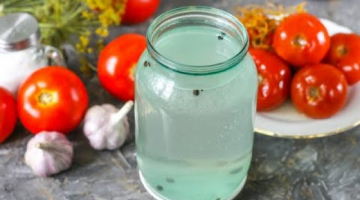
This guide is about the simplest brine you can make for fermenting tomatoes: cold water, salt, optional sugar, black pepper. No vinegar. No lemon acid. No oil. Just a clean, restrained formula that lets natural fermentation do what it has done for centuries: preserve, deepen flavor, and turn ordinary tomatoes into something tangy, lively, and strangely addictive.
If you grew up with jars in a pantry, you already understand the point. If you didn’t-welcome. This is the version that doesn’t require you to own a canning kettle or sterilize a small universe. You’re not “canning,” you’re fermenting.
And when fermentation goes right, it’s almost unfair how good it tastes.
Quick Recipe: Brine for Tomatoes (Per 1 Liter / 1 Quart Water)
This is the base brine for lacto-fermented tomatoes.
Ingredients (Per 1 Liter / ~1.06 Quarts Water)
-
Cold water - 1 liter (about 4 ¼ cups)
-
Salt - 2 tablespoons (about 30–32 g)
-
Sugar - 1 teaspoon (optional, about 5–6 g)
-
Black peppercorns - 10–15 pieces
Yield: enough brine for a 1-quart jar, depending on how tightly you pack tomatoes.
What kind of salt?
Use a clean, additive-free salt if you can: pickling salt, canning salt, kosher salt (check brand grain size), or plain sea salt.
A note you’ll hear a lot: “Never use iodized salt.” In practice, fermentation often still works with it, but iodized table salt can include anti-caking agents that sometimes make brine cloudy and can slightly change texture. If you want predictable results, choose non-iodized, additive-free salt and move on with your life.
Why the Cold Brine Method Works Better Than Hot “Marinade”
Hot brine has its place-especially for vinegar pickles-but for fermentation it’s a different story.
When you pour boiling liquid over tomatoes, you’re doing two things at once:
-
You’re softening the skin and flesh fast (sometimes too fast).
-
You’re knocking back the wild microbes that help fermentation start.
Cold brine doesn’t shock the tomatoes. It keeps their structure firmer, and it allows the naturally present lactic acid bacteria to wake up and get to work. That’s how you get that clean, bright, slightly fizzy sourness-without vinegar’s one-note sharpness.
Cold fermentation gives you:
-
Less fuss: no boiling, no waiting for brine to cool, no heat stress on jars.
-
A deeper flavor: fermentation builds layers-acids, aromatics, that “alive” taste you can’t fake.
-
Better texture: tomatoes stay more plump and resilient, not collapsed and watery.
-
A living food: fermented vegetables naturally contain beneficial microbes (the final result depends on temperature, salt %, and time).
The “1–2–1–15” Formula (Memorize This)
Per 1 liter cold water:
-
2 tablespoons salt
-
1 teaspoon sugar (optional)
-
10–15 peppercorns
That’s it. It’s almost annoyingly simple, which is exactly why it’s worth learning. Once you have the base, you can customize the aromatics without losing the foundation.
Choosing Tomatoes for Fermentation (This Matters More Than People Admit)
Tomatoes are not cucumbers. They’re delicate, full of water, and their skins vary wildly by variety. If you choose the wrong ones, you’ll get mush. Not “soft.” Mush.
Best tomato traits for fermenting
Variety
Look for plum-shaped, paste-type tomatoes:
-
Roma
-
San Marzano-style types
-
“Plum” tomatoes in general
They have thicker skin and denser flesh, so they don’t burst as easily.
Size
Small to medium is ideal (roughly 2–2.5 inches / 5–6 cm).
Huge beefsteaks take longer to salt through and are more likely to go cottony.
Ripeness
Aim for firm-ripe: fully colored, but still tight.
Overripe tomatoes will collapse during fermentation.
No damage
Skip anything with cracks, bruises, or soft spots. Fermentation is controlled spoilage; you don’t want to give harmful microbes a head start.
Jar Prep (Clean Beats “Sterile”)
You don’t need to do full canning sterilization for fermentation, but you do need clean. Seriously clean.
Basic jar prep
-
Wash jar and lid with hot soapy water.
-
Rinse well.
-
Optional but smart: rinse with boiling water and let dry upside down on a clean towel.
-
Check the lid: bent, rusty, or warped lids cause leaks and invite surface issues.
Step-by-Step: Fermented Tomatoes in Cold Brine (1-Quart Jar Method)
This is a practical method that matches the brine recipe above and turns it into a real jar of fermented tomatoes.
Step 1: Put salt (and sugar) in the jar
Add 2 tablespoons salt to the bottom of the jar.
If using sugar, add 1 teaspoon.
Why bottom-first? Because you’ll dissolve it fully before tomatoes go in, so you don’t get undissolved crystals stuck to skins.
Step 2: Add black peppercorns
Drop in 10–15 peppercorns.
Black pepper gives structure and gentle heat. It also helps the brine smell “clean,” not flat.
Step 3: Add cold water
Pour in cold water (filtered, spring, or dechlorinated tap water).
Ideal temp: 60–68°F (15–20°C)-comfortable room temperature, not icy.
If your tap water is heavily chlorinated, let it sit uncovered for a few hours, or use filtered water. Chlorine can slow fermentation.
Step 4: Stir until fully dissolved
Use a clean spoon handle or chopstick and stir the bottom until salt (and sugar) fully disappears.
You should have a clear brine, not a gritty one.
Step 5: Add garlic and tomatoes
Peel 2–3 garlic cloves and add them (optional but highly recommended).
Pack tomatoes in firmly but gently. Tight packing is good: fewer air pockets means fewer surface problems later. But don’t crush them.
Step 6: Keep everything submerged (weight matters)
Fermentation needs an anaerobic environment. Tomatoes floating above the brine invite mold and yeast films.
Use one of these:
-
A fermentation weight
-
A small clean glass ramekin that fits inside
-
A zip-top bag filled with water (and sealed well) as a makeshift weight
Goal: every tomato under the brine line.
Step 7: Ferment at room temperature, then chill
Set the jar on a plate (fermentation can bubble over).
Ferment at 65–72°F (18–22°C).
Typical timeline:
-
Day 2–3: brine starts turning slightly cloudy, little bubbles appear
-
Day 4–5: active bubbling, tangy smell
-
Day 6–7: activity slows down; flavor rounds out
At that point, move the jar to the fridge (or cold cellar). Cold slows fermentation and stabilizes texture.
How to Tell If Fermentation Is Going Right
You’re watching for signs of healthy lactic fermentation, not “perfect clarity.”
Normal signs
-
Cloudy brine
-
Small bubbles rising
-
Tangy, pleasantly sour smell
-
Tomatoes looking slightly more “plump” as they absorb brine
Signs something’s off (and what to do)
Surface film (white, thin, flat)
Often yeast (a harmless film), not always mold. It can smell slightly funky but not rotten.
What to do: remove film, make sure tomatoes stay submerged, keep lid clean, move jar cooler.
Fuzzy mold (green/blue/black, hairy texture)
That’s real mold.
What to do: safest choice is to discard the batch. Fermented foods are not the place to gamble.
Strong acetone / nail polish smell
That can happen when the wrong microbes dominate (often too warm, too much oxygen exposure).
What to do:
-
Remove any film
-
Add a bit more salt (small correction, not a salt bomb)
-
Move jar to colder storage
-
Ensure full submersion
Flavor Tweaks That Don’t Break the Base
Once you trust the basic brine, small additions can make your tomatoes taste like a house specialty.
Add leaves for crunch
-
Grape leaves
-
Currant leaves
-
Horseradish leaves
These contain tannins that can help maintain firmness.
Add mustard seed (mold insurance)
A small pinch (about ½ teaspoon) can help keep the surface calmer and adds a gentle bite.
Add dill
-
Dill fronds for freshness
-
Dill heads for that classic “pickle” aroma
Add chili for heat
A small dried chili or a slice of fresh chili gives a clean kick without overpowering the tomato.
Food Safety Notes (Real Talk, No Drama)
Fermentation is safe when you control three things:
-
Salt concentration
-
Temperature
-
Submersion (no oxygen exposure)
This recipe is roughly a 3% brine, which is a common fermentation range for vegetables. Lower salt can ferment faster, but it also becomes easier for unwanted microbes to compete. Higher salt slows things down and can keep tomatoes firmer, but can taste overly salty.
If your kitchen is hot (above 75°F / 24°C), fermentation speeds up and texture can suffer. In warm conditions, aim for:
-
shorter room-temp fermentation (2–4 days)
-
then move to fridge earlier
FAQ
Can I replace sugar with honey?
Yes. Use about ½ teaspoon honey per liter. Sugar (or honey) can help fermentation start faster and round out the flavor, but it’s optional. Tomatoes already have natural sugars.
My brine turned thick or “stringy.” What happened?
That can be a type of fermentation imbalance (sometimes called ropy brine). It’s more common when temperatures swing warm.
What to do:
-
Pour off about ⅓ of the brine
-
Replace with fresh salted water (keep a similar salt level)
-
Move jar to the fridge
Can I mix tomato varieties in one jar?
You can, but expect uneven results. Soft varieties may slump sooner; firmer ones stay intact. If consistency matters, stick to one type per jar.
Do I need an airlock lid?
Not required, but it helps. A regular lid works if you “burp” the jar carefully during active fermentation. If you seal it tightly while it’s producing lots of gas, pressure builds.
If you use a standard lid:
-
Keep it lightly tightened during the first days, or
-
Open briefly once a day over the sink to release pressure
Nutrition Notes (What Fermentation Changes)
Tomatoes are known for lycopene, a carotenoid antioxidant. Fermentation and microbial activity can help release certain compounds and slightly change bioaccessibility (how available compounds become during digestion). You don’t need to treat fermented tomatoes as medicine-this is food, not a miracle cure-but it’s fair to say that fermentation can make a good thing even more interesting.
Also: fermented foods can contain compounds produced or transformed by microbes during the process. The exact profile depends on conditions, ingredients, and duration.
Common Mistakes That Ruin Fermented Tomatoes
Mistake 1: Too warm a spot
Above 75°F / 24°C, tomatoes soften faster and off-odors become more likely.
Fix: ferment cooler, shorten countertop time, refrigerate earlier.
Mistake 2: Tomatoes floating above brine
This is the #1 reason people get surface problems.
Fix: use a weight, pack tighter, top up brine as needed.
Mistake 3: Dirty tools or oily residue
Fermentation hates grease. Even a small film can invite trouble on the surface.
Fix: clean jar, clean hands, clean utensils.
Mistake 4: Under-salting
Salt isn’t just seasoning-it’s the gatekeeper.
Fix: follow the ratio; don’t eyeball unless you’re experienced.
Serving Ideas (Because a Jar Shouldn’t Just Sit There)
Fermented tomatoes are bold. They want simple partners.
Classic pairings
-
Boiled or baked potatoes with butter and herbs
The starch softens the acidity beautifully. -
Rye bread or sourdough
Tang meets tang. It works. -
Roast pork, smoked sausage, or bacon
Fat + acidity is always a good deal. -
Creamy dishes (like chicken in a sour cream sauce, or a mild stew)
Fermented tomato cuts richness and wakes everything up.
And yes-these tomatoes are incredible chopped into:
-
potato salad
-
bean salad
-
grain bowls
-
sandwiches (especially with sharp cheese)
Storage: How to Keep Them All Winter
Once the tomatoes taste right (usually around day 7), move them to cold storage:
-
Refrigerator: best for most people
-
Cold cellar: great if it stays around 38–45°F (3–7°C)
Temperature behavior
-
Near 32°F / 0°C: fermentation nearly stops
-
38–45°F / 3–7°C: fermentation continues slowly; flavor deepens over time
Over weeks, the taste becomes more rounded and complex. Think of it as the difference between a young cheese and a slightly aged one-same product, deeper personality.
Quick Pre-Fermentation Checklist
-
Jar: clean, intact, 1 quart / 1 liter
-
Tomatoes: firm, undamaged, preferably plum type
-
Water: filtered or dechlorinated
-
Salt: 2 tbsp (additive-free recommended)
-
Sugar: 1 tsp optional
-
Peppercorns: 10–15
-
Garlic: 2–3 cloves (optional but great)
-
Weight: something clean to keep tomatoes submerged
-
Plate under jar: because it may bubble over
Final Thoughts
This brine is minimalism with backbone. It doesn’t need vinegar to scream. It doesn’t need tricks. It just needs time, salt, and a little respect for the process.
Make it once and you’ll start to recognize the signs: the first clouding of the brine, the tiny bubbles, that clean sour smell that signals “this is alive.” A week later you open the jar and suddenly the kitchen feels warmer, even if it’s freezing outside.
Ferment a batch. Keep the formula. Adjust the aromatics slowly. And when you find your perfect version-peppery, garlicky, maybe with dill-you’ll stop thinking of it as “a brine recipe.”
It becomes one of those quiet kitchen skills that makes you feel oddly prepared for anything.