A rich, cozy make-ahead fish preserve that tastes like summer
“Putting food up is a small message to your future self: today you capture aroma, and later you open it like a memory.”
Juicy tomatoes, sweet onions, bay leaf, black pepper-and thick, tender pieces of mackerel that hold their shape instead of falling apart. This is the kind of jar you crack open on a gray evening and suddenly the kitchen smells like late August.
Before we get into it, one important, very American-friendly note about expectations: this is not shelf-stable, room-temperature “canned fish.” In the U.S., true shelf-stable fish canning requires a pressure canner and specific time/pressure rules. What we’re making here is a cold-storage preserve-meant for the fridge, a very cold cellar, or the freezer. The flavor is exactly what you want for winter; the storage method just needs to be safe.
Table of Contents
Why mackerel works so well
The tomato choice that makes the jar taste expensive
Tools you’ll actually use
Fish prep: five non-negotiable rules for clean flavor
The marinade logic: how the taste stays balanced
Step-by-step recipe with “why” behind each move
Flavor variations and smart upgrades
Storage without surprises: how to avoid spoilage and disappointment
Winter serving ideas: fast meals from one jar
FAQ
Why Mackerel Works So Well
Mackerel is one of those “thank-you” fish: it gives back. It’s naturally rich, with a firm texture and a bold ocean taste that doesn’t disappear once it’s cooked with tomatoes. Lean fish can turn dry, chalky, or bland in a jar. Mackerel stays lush.
It’s also a fish people in the U.S. often overlook-until they try it done right. If someone in your house “doesn’t like fish,” this recipe has a good chance of changing that. Tomatoes and onions soften the edges of the sea flavor, bay leaf adds that old-world pantry warmth, and the final splash of vinegar brings everything into focus.
Fresh mackerel is wonderful if you can get it quickly and keep it cold. But good frozen mackerel is absolutely acceptable for this recipe-and for many home cooks it’s the more realistic option. The key is how you thaw it.
Best thawing method:
-
Thaw the fish slowly in the refrigerator (on a plate, loosely covered) overnight.
-
Avoid hot water and microwaves. They “cook” the outside, weaken the fibers, and the fish loses its juices before it ever hits the pot.
A calm thaw gives you firm, clean slices that stay intact later when the tomatoes simmer down.
The Tomato Choice That Makes the Jar Taste Expensive
The recipe calls for the “сливка” type tomato-what most U.S. stores label as Roma or plum tomatoes. This is a big deal.
Roma/plum tomatoes are:
-
meatier (less watery),
-
lower in seeds,
-
better at holding shape,
-
and they cook into a sauce that tastes concentrated instead of thin.
That’s how you get a jar where the tomato pieces still look like tomatoes, but the liquid around them turns into a savory, amber-red broth.
If you’re shopping in the U.S., look for:
-
Roma tomatoes that feel heavy for their size
-
smooth skin, no wrinkling
-
deep red color (a little orange is fine if they finish ripening on the counter)
Onion matters too. A basic yellow onion is perfect. If you have a sweet onion (like Vidalia), it will taste great-but it can soften faster. Yellow onion holds structure better during simmering, which is exactly what you want in a layered jar.
Tools You’ll Actually Use
You don’t need a fancy setup, but the right pot makes your life easier.
Helpful tools
-
Dutch oven or heavy-bottomed sauté pan with a lid
Even heat = fewer scorched tomato bits and a gentler simmer for the fish. -
Kitchen tongs
Turning fish with a spatula is how it breaks. Tongs let you move pieces like you actually care about them. -
A clean pint jar (16 oz) with a tight lid
A wide-mouth jar is easiest for layering. If you’re using two smaller jars, that’s fine too. -
Small fish-bone tweezers (optional)
Not mandatory, but if you’ve got kids or picky guests, removing a few larger bones makes the jar feel “restaurant-level.”
About sterilizing
For cold-storage preserves, you don’t need the same sterilization ritual as shelf-stable canning-but you do need cleanliness. Wash jars and lids well, and rinse with very hot water right before filling. The jar should be warm when hot food goes in.
Fish Prep: Five Non-Negotiable Rules for Clean Flavor
This is where the recipe either becomes elegant… or turns into “fishy jar regret.”
1) Thaw slowly, fully
If ice crystals remain inside, the fish releases water into the pot and dilutes your tomato base. Fully thawed fish cooks cleaner.
2) Remove the gills and the dark inner membrane
If you’re working with a whole fish: gills and the dark belly lining can taste bitter and smell stronger when cooked. Clean them out.
3) Rinse briefly and pat dry
A quick rinse is fine. Then pat dry with paper towels. Wet fish steams; dry fish braises and holds texture.
4) Slice at a slight angle
Cut into pieces about 1 to 1½ inches thick. An angled cut gives you similar thickness across pieces so they cook evenly. It also looks nicer in the jar-small detail, big effect.
5) Use a separate cutting board
Fish absorbs aromas. If your board smells like garlic, apples, or last night’s spicy chicken, your “summer-in-a-jar” turns into “mystery jar.”
The Marinade Logic: How the Taste Stays Balanced
This recipe tastes balanced because it quietly hits three notes:
-
gentle acidity,
-
natural sweetness,
-
clean salt.
Instead of dumping sugar in, we rely on the tomatoes and onion to carry the sweetness. The vinegar is there to brighten and preserve flavor-not to make the jar taste sour.
What you’re building
-
Acid: distilled white vinegar (9% in the original; in the U.S., standard white vinegar is usually 5%).
-
Sweetness: tomatoes + onion, especially once the onion softens and sweetens.
-
Salt: just enough to wake everything up.
Vinegar strength (important U.S. localization)
If you have 9% vinegar, use the amount listed.
If you only have standard U.S. 5% distilled white vinegar, you can still make this work:
-
Flavor-wise: 1 tablespoon is fine.
-
Preservation-wise (cold storage): it’s okay, but don’t treat it like shelf-stable canning.
If you want a brighter finish with 5% vinegar, you can add an extra teaspoon at the end-taste and decide. The goal is balance, not sharpness.
Ingredients (U.S.-Friendly)
For 1 pint jar (about 2–3 servings)
-
1 whole mackerel (about 1 pound / 450 g), cleaned and cut into pieces
-
1 yellow onion, sliced into rings or half-moons
-
5–6 Roma (plum) tomatoes, sliced thick
-
2/3 cup warm water (150 ml)
-
1/4 teaspoon salt (start here; adjust after cooking if serving immediately)
-
Black pepper, a few generous pinches
-
2–3 bay leaves
-
1 tablespoon vinegar (9% if you have it; otherwise standard distilled white vinegar)
Step-by-Step Recipe (With the “Why” Behind Each Move)
Step 1: The first aroma-onion goes in dry
Set a Dutch oven or heavy pan over medium heat. Add the onion slices with no oil.
Why no oil?
Onion releases its own moisture and creates a gentle “pillow” that prevents sticking early on. It also keeps the base flavor clean and tomato-forward, not greasy.
Let it warm for 2–3 minutes until the onion starts to soften and smell sweet.
Step 2: Tomatoes take the stage
Layer the tomato slices over the onions.
Slice thickness matters: about the width of your finger. Too thin and they melt into sauce immediately; too thick and they don’t break down enough to create that rich cooking liquid.
Step 3: Add mackerel like you’re building structure
Place the mackerel pieces over the tomatoes. Tight placement is good-it reduces movement while simmering, which reduces breakage.
A practical trick: place pieces in a loose spiral from center outward. It sounds dramatic, but it genuinely helps with stability.
Step 4: Season on top
Sprinkle the salt over the fish. Add black pepper and bay leaves.
If you want a little more bay fragrance, snap each bay leaf in half before adding. You’re releasing aromatic oils.
Step 5: Add warm water-gently
Pour the warm water down the side of the pot. Don’t pour directly on top of the fish.
Why?
Direct pouring can shift the layers and break delicate tomato slices. Side-pouring keeps your structure intact.
Step 6: Simmer slowly, lid slightly ajar
Bring the pot to a gentle simmer. Then reduce heat to low-medium so it stays calm-not violently boiling.
Cover with the lid slightly cracked open. Simmer 25–30 minutes.
Why lid ajar?
You want some evaporation so the flavor concentrates, but you also need enough moisture to keep the fish tender.
Step 7: Add vinegar at the end
Two minutes before turning off the heat, add the vinegar.
Why not earlier?
If added too soon, acid can tighten fish protein and make the texture drier. Late addition keeps the fish juicy while still giving you that bright, “finished” taste.
Step 8: Remove the bay leaves
Turn off heat. Fish out the bay leaves. They’ve done their job.
Leaving bay leaves in the jar can make the flavor harsh over time.
Step 9: Pack the jar while hot
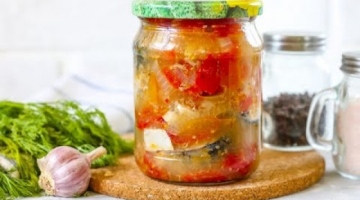
Spoon fish pieces into the warm jar, alternating with tomatoes and onions. Then pour in enough hot cooking liquid to cover everything.
A good jar is a tight jar: less air space, better texture preservation.
Step 10: Seal, cool, and move to cold storage
Close the lid while everything is still hot. Let it cool at room temperature on a towel, then refrigerate.
If you want that comforting “flip the jar” ritual, you can invert it briefly-just don’t treat that as a guarantee of shelf stability. It’s a habit, not a safety system.
Flavor Variations and Smart Upgrades
This recipe is strong as-is, but it’s also flexible-like a base coat you can tint.
Warm ginger note
-
Add a thin slice of fresh ginger (about 1/2 inch)
What it does: gentle heat, faint citrus warmth, fresher finish.
Mild curry glow
-
Add 1/2 teaspoon mild curry powder
What it does: turns the broth golden-red and adds a cozy spice profile that feels almost “winter holiday.”
Thyme for depth
-
Add a pinch of dried thyme
What it does: emphasizes the earthiness of tomatoes and makes it taste more “slow-cooked.”
Mustard seed crunch
-
Add 1 teaspoon mustard seeds
What it does: subtle pop, extra aroma, and a traditional preserving vibe.
One warning: if you add strong spices like clove or cinnamon, reduce bay leaf so the jar doesn’t become a potpourri situation.
Storage Without Surprises
Here’s the blunt truth: fish preserves demand respect.
Cold storage rules
-
Refrigerator: best flavor in the first 3–7 days; still usable longer if kept very cold and spotless, but quality declines.
-
Freezer: best option for “winter planning.” Freeze in jars with freezer-safe headspace or move to freezer containers. For quality, aim to use within 2–3 months.
If you truly want a jar that lives in a pantry at room temperature: you need pressure-canning methods designed specifically for fish. Different game.
Signs you should throw it out immediately
-
bulging lid
-
cloudy liquid that wasn’t cloudy before
-
fizzy bubbles
-
yeast/alcohol smell
-
anything that makes you hesitate
This is not a “maybe I’ll taste a little” situation. If it looks wrong or smells wrong, it’s trash.
Why pantry storage is a bad idea here
At warmer temperatures, natural sugars from tomatoes become food for fermentation. Vinegar helps, but it’s not a magical shield-especially without pressure canning.
Winter Serving Ideas: Fast Meals From One Jar
This is where the recipe starts paying you back.
1) Hot open-faced “lazy fisherman” toast
Warm the jar contents gently in a skillet. Spoon onto toasted rye or sourdough. Top with green onion or dill.
Fast, salty, comforting.
2) Weeknight Mediterranean-style pasta
Toss together:
-
cooked spaghetti (about 7 oz / 200 g)
-
half a jar of mackerel and tomatoes
-
a handful of sliced olives (optional)
Warm in a pan for 3–5 minutes. Dinner tastes like you planned it.
3) Potato bake that feels like a real meal
Layer in a baking dish:
-
mashed potatoes
-
mackerel + tomatoes
-
shredded cheese
Bake at 350°F (175°C) until hot and bubbly, about 15–20 minutes.
4) Rice bowl, pantry style
Warm the jar. Spoon over rice. Add cucumber slices and a squeeze of lemon if you like contrast. It’s oddly perfect.
FAQ
Can I replace vinegar with lemon juice?
You can for flavor, but lemon acidity varies and it’s not reliable for preserving. For this style of cold-storage jar, vinegar is the steadier choice.
What if I want to add carrots?
Carrots add sweetness, which can encourage fermentation in storage. If you insist, sauté the carrot first until lightly caramelized, then add. But keep expectations realistic and store cold.
Can I use canned tomatoes instead of fresh?
Yes, but it changes the personality. Fresh Roma tomatoes give you structure and a clean summer taste. Canned tomatoes give you deeper cooked flavor, less brightness, and a softer texture.
If using canned: choose whole peeled tomatoes, drain a little liquid, and simmer slightly longer to concentrate.
Can I sterilize jars after sealing?
For this recipe: no. Extra boiling can wreck the fish texture and still won’t turn this into safe pantry canning.
Do I have to remove bones?
Not mandatory. Mackerel bones soften with cooking, but some larger ones remain. If you want a “no surprises” eating experience, use bone tweezers during prep.
Can I scale this up?
Yes-just keep the pot wide enough so the layers don’t compress into mush. Cook time stays similar if the simmer remains gentle. For big batches, it’s often better to use two pots than one overloaded pot.
A Final Note
Some recipes are about impressing people. This one is about taking care of yourself in the future.
On a winter night, you open the jar and it smells like a warm kitchen and ripe tomatoes and something steady. The fish is tender. The tomatoes taste like they remember the sun. And suddenly dinner doesn’t feel like a fight.
Make one jar first. If you love it, make three more-and freeze them. That’s the simplest way to keep summer on standby, ready when the season turns.