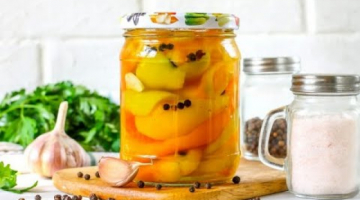
When the days get short and the sky turns that familiar steel-gray, your kitchen starts craving color. Not “a cute garnish” color-real, loud, summer-on-a-plate color. This is where honey-pickled bell peppers come in.
One twist of a lid and the whole room changes: warm sweetness, bright pepper aroma, a gentle vinegar tang, and that quiet little garlic note that makes you reach for bread before you even think. These peppers disappear fast. They’re the kind of pantry jar you open “just to taste,” and suddenly you’re standing there with a fork, fully committed, wondering why you didn’t make a double batch.
This recipe is built for real life: a short ingredient list, quick active time, and a result that tastes way more “special occasion” than it has any right to. The honey doesn’t make it dessert-sweet. It makes it rounded. Cozy. Balanced. And if you do it right, the peppers keep their shape while turning silky inside-like they’ve been gently persuaded, not overcooked.
You’ll end up with a pint jar of sun you can pull out in January.
Why You’ll Want This Recipe on Repeat
1) It’s fast, but tastes slow
The hands-on work is quick, and the rest is just gentle simmering. The flavor, though? It has depth-sweet, tangy, peppery, and aromatic in layers.
2) Minimal ingredients, maximal payoff
Bell peppers, honey, vinegar, garlic, peppercorns, a bit of salt, water, neutral oil. That’s it. Nothing weird, nothing “specialty aisle.”
3) The pepper itself does a lot of heavy lifting
Bell peppers are naturally high in vitamin C-raw peppers can easily top 100 mg per serving range, depending on type and serving size.
4) A smart acidity target
For shelf-stable pickled foods, acidity matters. A common safety line you’ll see referenced is keeping the pH at or below 4.6 to reduce risk from harmful bacteria.
This recipe relies on vinegar plus correct proportions. Don’t freestyle the acid down.
5) The flavor is genuinely hard to stop eating
Honey doesn’t just sweeten. It also helps build those subtle browned, rounded notes as it heats-part of what makes this taste more “cooked” and complex than a cold quick-pickle.
What These Peppers Taste Like
Think: bright bell pepper + gentle honey warmth + a clean vinegar sparkle. The garlic stays polite (if you slice it thick), the peppercorns give a quiet tingle, and the marinade becomes its own thing-salad dressing, sandwich sauce, spoon-over-rice magic.
It’s sweet, but not candy-sweet. It’s tangy, but not harsh. It’s the kind of balance that makes you keep “adjusting” bites until the jar looks suspiciously empty.
Yield and Timing
-
Yield: about 1 pint jar (16 fl oz / 2 cups)
-
Servings: 2–4 as a side, more as a condiment
-
Active time: ~20 minutes
-
Simmer time: 15–20 minutes
Ingredients (US-Friendly Measurements)
This is scaled for one pint jar.
-
Bell peppers (red and/or yellow): 14–16 oz (about 3 medium peppers)
-
Honey (mild, runny): 1 1/2 tablespoons
-
Table salt: 1/4 teaspoon
-
White vinegar (5% acidity) OR 9% vinegar if you use it: 1 1/2 tablespoons
-
Black peppercorns: 10
-
Garlic: 3 cloves, lightly crushed and sliced into thick pieces
-
Neutral oil (canola, grapeseed, sunflower): 1 tablespoon
-
Water: 2/3 cup (about 5 fl oz)
Quick note on vinegar
In the original version, vinegar strength is listed as 9%. In the U.S., the most common is 5% distilled white vinegar. If you’re using 5%, keep the recipe proportions as written for your version consistently-don’t randomly reduce vinegar “to make it softer.” If you want a gentler taste, you can blend distilled vinegar with apple cider vinegar, but keep total vinegar amount the same.
Choosing the Peppers (This Actually Matters)
Go for thick-walled peppers
You want peppers that feel heavy for their size. Thick walls hold up during simmering and stay pleasantly meaty in the jar instead of turning floppy and sad.
Color isn’t just pretty
Red and yellow peppers are sweeter and more aromatic than green. Green peppers work, but they taste more “grassy.” If you mix them, do it intentionally: 1 part green to 2 parts red/yellow gives complexity without letting green dominate.
Avoid peppers with micro-cracks
Little splits near the stem or along the sides can turn mushy faster. Save those for a stir-fry tonight.
Picking the Honey (Don’t Let It Bully the Peppers)
Use a mild honey: wildflower, clover, or light floral styles are ideal. Strong, dark honey can overpower the peppers and make the jar taste like “honey first, everything else second.”
If your honey is crystallized, warm it gently just until it loosens. Don’t boil it. You’re not making candy.
Why honey works here (without making it dessert)
Honey has multiple properties that contribute to stability and flavor. Its sugars lower available water activity, and enzymatic reactions can produce small amounts of hydrogen peroxide when diluted-one reason honey is often discussed in antimicrobial contexts.
In plain terms: honey is not just sweetness. It’s structure.
Gear You’ll Need
-
1 wide skillet or shallow pot (wide is better than tall)
-
1 pint jar with a good lid
-
Tongs or a slotted spoon
-
A kettle or pot of boiling water (for warming the jar/lid)
-
Clean towel
Prep: The Small Rituals That Make It Taste “Right”
1) Wash and inspect
Rinse peppers under warm water and rub the skin lightly with your hands. You’ll catch dents you’d miss otherwise.
2) Core cleanly
Cut off tops, remove membranes and seeds.
Simple trick: hold the pepper upright (stem side up) and tap the bottom gently-seeds tumble out with less mess.
3) Slice for the jar
For a pint jar, you want pieces that pack well and stay pretty:
-
Cut peppers into wide strips or boat-shaped wedges, about 2–2.5 inches long.
Big chunks look gorgeous, but if they’re too big, the marinade won’t penetrate evenly. Aim for “fork-friendly.”
4) Garlic: crush, don’t mince
Smash each clove with the flat side of a knife, then slice thickly. Thin minced garlic can turn the marinade sharp and aggressive over time.
5) Warm your jar and lid
Wash well. Then rinse the jar with boiling water or keep it hot near steam for a few minutes. Simmer the lid briefly. The goal is simple: hot jar + hot peppers + hot marinade reduces thermal shock and helps create a strong seal.
Step-by-Step: Honey Marinade and Gentle Simmer
Step 1: Build the marinade base
In a bowl, whisk together:
-
honey
-
oil
-
vinegar
-
salt
Whisk until the honey loosens and the mixture looks glossy.
Step 2: Add water
Pour in 2/3 cup water and whisk again until smooth.
Step 3: Layer the pan
Scatter peppercorns across the bottom of your pan. Arrange pepper pieces in a snug layer (it’s fine if they overlap slightly).
Add the garlic slices.
Step 4: Pour and heat
Pour the marinade over everything.
Bring it up over medium heat until you hear that first confident simmer. Then lower to gentle bubbling.
Leave the lid slightly ajar or off. You want some steam to escape so the liquid reduces a touch and flavors concentrate.
Step 5: Simmer until “silky but standing”
Simmer 15–20 minutes, stirring carefully once or twice.
You’re looking for:
-
peppers that are softened but still hold their shape
-
skins that stay attached (not peeling off in sheets)
-
a marinade that smells warm, slightly caramelized, and balanced
That subtle browning complexity comes from heat-driven reactions between sugars and amino compounds-often described under the umbrella of Maillard chemistry and melanoidin formation.
Step 6: Pack hot, seal hot
Using tongs, pack peppers into the hot jar, pressing gently to reduce air gaps.
Pour hot marinade over the top until peppers are fully covered, leaving a little headspace (don’t overflow to the rim).
Seal immediately.
Cooling and the Seal Check
Set the jar on a towel, flip it upside down for a short rest, then turn it back upright.
Let it cool completely, undisturbed.
A good seal usually shows as:
-
lid pulled slightly inward
-
no leaking
-
no rising bubbles after it settles
If you’re unsure, refrigerate and eat first.
Storage: Keep the Flavor Bright
-
Store in a cool, dark place (pantry, cabinet, cellar)
-
Avoid direct sunlight-light dulls color and flavor over time
-
Don’t freeze: peppers can turn watery after thawing
Once opened, keep it in the fridge and use within a reasonable time.
How to Serve Honey-Pickled Peppers (The Fun Part)
These are not just “a side.” They’re a tool.
Sandwiches and wraps
Layer peppers into turkey, roast chicken, or veggie wraps. Add a slice of provolone or mozzarella and suddenly it tastes like you planned lunch, not just assembled it.
Warm salad shortcut
Toss:
-
arugula or baby greens
-
feta or goat cheese
-
toasted nuts
-
a spoonful of the jar marinade as dressing
It’s fast, bright, and tastes like a café salad you’d overpay for.
Pasta upgrade
Warm a few pepper strips in a skillet, add a splash of the marinade, toss with pasta, finish with parmesan. Sweet-tang + salty cheese is a reliable win.
Grain bowl cheat code
Spoon peppers (and a little marinade) over rice, quinoa, or buckwheat. Add shredded chicken or chickpeas. Dinner suddenly has personality.
Soup finisher
A few strips on top of creamy squash soup or tomato soup add contrast: sweet, tangy, and aromatic.
Variations (Same Soul, Different Mood)
Spicy version
Add half a small chili pepper to the jar. The heat blooms slowly and stays friendly.
Herb twist
A small sprig of thyme or rosemary is great-just don’t leave a giant bouquet in there forever. Herbs can go bitter if they steep too long.
Citrus edge
Add a strip of orange peel (only the colored part, no white pith). It gives a gentle “holiday” note.
Honey + mustard (BBQ-adjacent)
Whisk 1 teaspoon whole-grain mustard into the marinade. It adds a subtle American barbecue vibe without turning it into a sauce.
Food Safety Notes (Straight Talk)
Pickling is about acidity and balance. Many guidelines highlight pH control, often calling out pH 4.6 and below as a safety line for preventing dangerous bacterial growth in preserved foods.
So:
-
Don’t reduce vinegar to “make it milder.”
-
If you want softer tang, blend vinegars (distilled + apple cider), but keep the overall amount.
-
Use clean jars and lids, and keep everything hot when packing.
If a lid bulges, hisses, or smells off later-don’t debate it. Toss it.
FAQ
Can I use green peppers?
Yes, but expect a more herbal, less sweet flavor. Mixing green with red/yellow is usually better than all-green.
What if I’m allergic to honey?
You can use maple syrup, but know it changes the flavor profile. Sugar content matters for balance, and honey has unique characteristics-so this will be a different jar, not an identical swap.
Can I use olive oil?
Technically yes, but it adds its own flavor. If you want the peppers to stay the star, use a neutral oil.
Why did my peppers turn too soft?
Usually one of these:
-
peppers were thin-walled
-
simmer ran too hard/too long
-
slices were too small
Next time: thicker peppers, gentler heat, slightly larger pieces.
Why did the lid puff up?
Either the seal failed or something fermented/spoiled inside. Don’t taste it.
A Quick Ingredient Benefit Snapshot (No Hype, Just Useful Context)
-
Bell peppers: well-known source of vitamin C, plus carotenoids (especially in red peppers).
-
Honey: contributes sweetness and can support preservation conditions through its sugar concentration and enzymatic activity in certain contexts.
-
Garlic: adds sulfur compounds and a savory edge that keeps the jar from tasting flat.
-
Black peppercorns: bring gentle spice and aroma.
-
Vinegar + salt: the backbone of pickling balance and stability.
Flavor Map: What You Taste, In Order
First hit: honey warmth-light caramel, floral edges.
Then: bright pepper juice-sweet, fresh, almost fruity.
Then: garlic-soft and aromatic, not harsh.
Then: vinegar-clean sparkle that wakes everything up.
Finish: peppercorn tingle-quiet heat that lingers just enough to feel “grown-up.”
In fancy words, it’s “a long finish.” In normal words: you’ll go back for more.
Final Thought: A Pint Jar of Summer You’ll Be Glad You Made
This is one of those recipes that feels bigger than the ingredients. It’s not just a preserved vegetable. It’s a mood shift in the middle of winter. It turns plain food into something you want to sit down for-warm bread, a bowl of something simple, and a spoonful of bright, sweet-tang pepper that reminds you the world still has color.
Make one jar if you must. But you already know what will happen: you’ll open it “just once,” and then you’ll wish there were three more lined up behind it.
So do the sensible thing.
Make extra.