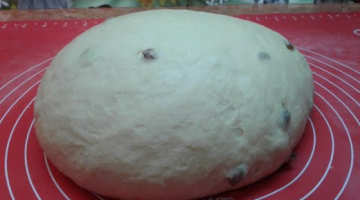
Булки, Хлеб
-
Baking

- Булки, Хлеб
Булки, Хлеб
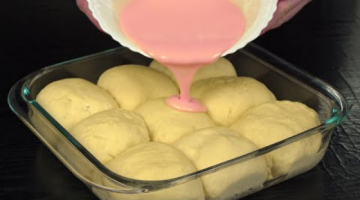
Fluffy Cottage Cheese & Banana Buns With Yogurt Glaze
MonAMUTCE_January+0000RJanAMUTC_01 Fluffy Cottage Cheese & Banana Buns With Yogurt Glaze (Sesame-Topped “Puffy” Sweet Rolls) Pour it on, and you’ll honestly be shocked by the result. These are the kind of buns that make a kitchen feel louder-because people keep wandering in, “just to check,” and somehow a warm roll disappears from the rack every time you turn around. They’re extra fluffy, softly sweet, and filled with a tender cottage cheese-banana center that tastes like comfort without being heavy. Then comes the simple trick: a quick yogurt-and-egg-yolk glaze brushed over the buns before baking. That glaze is the whole game. It bakes into a delicate, glossy coating that keeps the crust from drying out, gives the top that bakery sheen, and makes the sesame seeds cling like they were meant to be there. The final texture is what people remember: pillowy crumb, gentle chew, creamy fruit filling, and a top that looks fancy even though you barely tried. If you’ve ever wanted “weekend bakery buns” without spending your entire weekend, this is the one. What Makes These Buns Special 1) They’re big on fluff, low on drama You’re working with enriched sweet dough (homemade or store-bought). The shaping is straightforward, the filling is one bowl and a fork, and the bake time is predictable. 2) The filling tastes “thoughtful,” not just sweet Banana brings natural sweetness and aroma. Cottage cheese (or farmer’s cheese) brings a mild tang and creamy richness. Together, they taste balanced-like a dessert that still feels at home on a breakfast table. 3) The yogurt glaze is a quiet secret Yogurt adds gentle acidity and moisture. Egg yolk adds color, shine, and a little extra richness. Brushed on right before baking, it protects the surface and helps the buns brown evenly without turning tough. 4) They look bakery-level Individual buns always look more polished than a single big pie. And sesame on top? That tiny crunch makes people think you did something complicated. You didn’t. Ingredients (US-Style + Notes) For the buns Sweet enriched dough - 2.2 lb (about 1 kg) Use your favorite homemade sweet yeast dough, brioche-style dough, or store-bought refrigerated/frozen sweet dough. Neutral oil (for the pan) A thin coating is enough. Sesame seeds - 1 to 2 tablespoons White sesame is classic, but use what you have. For the filling Cottage cheese or farmer’s cheese - 3.5 oz (100 g) If using cottage cheese, drain it well. If you can find farmer cheese or dry-curd cottage cheese, even better-closer to traditional “tvorog.” Banana - 1 medium Ripe, but not collapsing-soft. You want sweetness and aroma, not a runny filling. Granulated sugar - 1/4 cup (about 50 g) Adjust slightly depending on banana ripeness. For the yogurt glaze Plain yogurt - about 1/3 cup + 1 tablespoon (100 ml) Thick yogurt works best (Greek-style is great). Unsweetened. Egg yolk - 1 Quick Prep Notes Before You Start What dough should feel like Enriched dough should be soft and slightly tacky, not dry. If it’s stiff, it won’t puff the way you want. If it’s extremely sticky, lightly oil your hands instead of dumping flour everywhere-extra flour can make the buns dense. Best yogurt choice Use plain, unsweetened yogurt. A thicker yogurt gives a smoother glaze that stays on top instead of sliding to the edges. Pan + spacing Give the buns room-about 1 inch apart. They’ll expand during proofing and again in the oven, and that “baked close together” look is part of the charm. Step-by-Step: How to Make Puffy Cottage Cheese Banana Buns Step 1: Make the filling Add the cottage cheese to a bowl. Add the sugar. Peel the banana and dice it small-think tiny cubes, around 1/4 inch. Mash everything with a fork. Don’t overdo it. You’re not making baby food. A few banana “islands” are perfect-they turn into little pockets of sweetness when baked. Small but important detail: Cottage cheese acts like a sponge. During baking it holds some banana moisture, which helps prevent the filling from leaking or turning watery. Step 2: Divide and shape the dough Divide the dough into equal pieces-about 2 to 2.5 oz each (60-70 g). Roll each piece into a smooth ball. Flatten each ball gently with your palm into a small disk. You’re not rolling thin like a dumpling wrapper. Just a soft disk with a thicker center is ideal. Step 3: Fill and seal Place about 1 heaping teaspoon of filling in the center. Bring the edges up toward the center like a little pouch. Pinch the seams tightly. Flip seam-side down and gently round the bun again. If the dough fights you, let it rest for 3-5 minutes and try again. Dough relaxes when you stop arguing with it. Step 4: Arrange and let them rest (proof) Lightly oil a baking sheet or line it with parchment and grease the parchment. Place buns seam-side down with space between them. Cover with a towel. Let them rest at room temp for 30 minutes. This isn’t optional if you want that “puffy bun” magic. During this short proof: yeast wakes up and produces gas, gluten relaxes, the surface smooths out, and the buns rise like they suddenly remembered their purpose in life. While they proof, preheat the oven. Step 5: Preheat the oven 350°F (about 180°C) Step 6: Make the yogurt glaze In a small bowl, whisk together: plain yogurt egg yolk The glaze should look like thin sour cream-pourable, but not watery. If it feels too thick (some yogurts are extremely dense), thin it with 1-2 teaspoons warm milk or even a little water. You want a glaze that brushes on smoothly and coats in a thin layer. Step 7: Glaze and top with sesame Brush each bun generously with the yogurt glaze. Sprinkle sesame seeds over the top. Don’t press the sesame down hard. Let the glaze be the glue. Step 8: Bake Bake at 350°F for about 35 minutes. Rule that saves buns: Do not open the oven for the first 20 minutes. Early temperature drops can cause enriched dough to sink and bake up heavy. At around the 30-minute mark, peek quickly. You’re looking for: a warm golden top, a glossy finish, a firm but springy surface. Step 9: Cool (just a little) before eating When they come out, move buns to a cooling rack and let them rest 10 minutes. Yes, you’ll want to rip one open immediately. But that brief cooling time matters: steam finishes the crumb, filling thickens slightly, crust sets without turning hard. After 10 minutes… it’s fair game. What They Taste Like (So You Know You Did It Right) A good batch feels light when you pick one up. The crumb pulls apart in soft layers. The filling is creamy, lightly fruity, and not overly sugary. The top has that subtle tangy richness from yogurt, plus sesame crunch that makes each bite feel “finished.” This is the kind of bun your grandma would approve of-because it’s generous, simple, and actually comforting, not just pretty. Ingredient Guide: Smart Substitutions That Still Work Cottage cheese options Farmer’s cheese: best match for traditional texture. Dry curd cottage cheese: excellent if you can find it. Regular cottage cheese: works, but drain well and mash slightly. Ricotta: works in a pinch; use whole milk ricotta and reduce banana a bit if it’s very wet. Banana swaps Apple: use finely diced apple and add 1 teaspoon cornstarch to bind juices. Pear: same rule as apple-juicy fruit needs a little starch. Berries: choose firmer berries; add a pinch of starch to avoid leaks. Sesame alternatives Poppy seeds Sliced almonds (watch browning-cover loosely with foil near the end if needed) Coarse sugar for a sweeter finish Yogurt glaze alternatives Sour cream thinned slightly Milk + egg yolk (classic wash, less tang) Kefir + yolk (similar vibe, a little thinner) Common Mistakes (And How to Avoid Them) Mistake 1: Under-proofing What happens: buns bake up tight and heavy. Fix: give them the full 30 minutes, and make sure the room isn’t cold. If your kitchen is chilly, proof near (not on) a warm oven. Mistake 2: Adding too much flour while shaping What happens: dry crust, dense crumb, uneven rise. Fix: oil your hands lightly instead of flouring the world. Mistake 3: Glaze too thick What happens: the top bakes into a heavy, rubbery layer. Fix: thin with a teaspoon of warm milk until it brushes easily. Mistake 4: Opening the oven too soon What happens: buns deflate and bake up sad. Fix: don’t peek before 20 minutes. Trust the process. Storage, Reheating, Freezing Room temperature Store in a paper bag or loosely covered container for up to 1 day. They stay softer than most buns thanks to the glaze. Refrigerator For up to 3 days, keep in an airtight container. Reheat before eating so they don’t taste “cold bread-ish.” Reheating (best results) Oven: 300°F for 5-7 minutes Air fryer: 300°F for 3-4 minutes Microwave: 10-15 seconds (works, but softens the top) Freezing Freeze fully cooled buns in a freezer bag. They hold up well. To reheat from frozen: Bake at 320°F for about 10-12 minutes No need to thaw first. Nutrition Notes (Simple, Practical, Not Lecture-y) Cottage cheese brings protein and minerals that support everyday energy and satiety. Banana contributes potassium and gentle carbs that feel comforting, especially in the morning. Together, the filling tends to feel more “steady” than a purely sugary jam filling-sweet, but not empty. And yes: these are still buns. They’re meant to be enjoyed. The point is, they taste like comfort and leave you satisfied, not searching for another snack five minutes later. Variations That Keep the Spirit but Change the Mood Citrus version Add 1 teaspoon lemon or orange zest to the filling. Suddenly the whole bun tastes brighter, like it belongs next to coffee. Chocolate version Stir in 2 tablespoons mini chocolate chips. They melt into little pockets and make the banana taste even more banana. Cinnamon comfort Add 1/2 teaspoon cinnamon to the filling. It turns “banana bun” into “banana bread energy,” but fluffier. Less-sweet version Reduce sugar to 3 tablespoons and use a very ripe banana. You’ll keep flavor without pushing it into dessert territory. Frequently Asked Questions Can I make these with homemade dough? Absolutely. Any sweet yeast dough works. If your dough is very rich (lots of butter and eggs), it may need a slightly longer proof to get that big lift. How do I know they’re baked through? They should be deeply golden on top and feel light. If you tap the bottom of a bun, it should sound hollow-ish. If they brown too fast, loosely cover with foil for the last 8-10 minutes. Can I prep them ahead? Yes. Shape the buns, place on the tray, cover well, and refrigerate overnight. The next day, let them sit at room temp until puffy (often 45-75 minutes), glaze, then bake. My filling seems wet-what should I do? Drain the cottage cheese better, and use a banana that’s ripe but not liquefying. If needed, add 1 teaspoon cornstarch to the filling to stabilize moisture. Final Note (The Part That Feels Like Home) Fresh baked buns aren’t only about food. They’re about that moment when the kitchen smells warm, the house gets curious, and everyone suddenly has time. You pull a tray from the oven and for a few minutes life slows down on its own. Make these once, and you’ll understand why the yogurt glaze trick feels almost unfair. Bake them. Tear one open while it’s still a little warm. Let the sesame crackle quietly. And if the first batch disappears faster than you expected-good. That’s exactly how these buns are supposed to behave.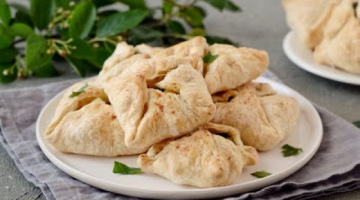
Puff Pastry Potato Turnovers (With Spinach + Melty Vegan “Cheese”)
SatAMUTCE_January+0000RJanAMUTC_01 Puff Pastry Potato Turnovers (With Spinach + Melty Vegan “Cheese”) There are recipes that don’t ask for a special mood. They don’t demand an empty house, a calm day, or a perfectly planned menu. They’re the kind of food you can pull off even when life is loud: unexpected guests, a last-minute picnic, or one of those nights when you’re still working and you realize you haven’t eaten anything real. For me, these puff pastry potato turnovers are exactly that kind of recipe. I keep a box of frozen puff pastry in the freezer “just in case.” Not because I’m trying to be fancy, but because it’s one of the fastest ways to put something warm and comforting on the table. In about half an hour, you get golden, crackly layers around a filling that’s hearty (potatoes), bright (spinach), and-if you add vegan cheese-melty in the best way. The big win: it tastes like a cozy bakery snack, but it’s made from very normal ingredients, with normal effort, in a normal home kitchen. Below you’ll find the full step-by-step method, plus the little details that matter: how to keep puff pastry flaky, how to prevent soggy bottoms, and how to adapt the ingredients easily in the U.S. (including frozen spinach, different vegan cheeses, and store-bought puff pastry sheets). Quick Summary What you’re making: flaky puff pastry “envelopes” stuffed with potato cubes, spinach, and vegan cheese Skill level: easy, but the timing matters Best for: quick lunches, warm snacks, party trays, meal prep Time: about 15 minutes prep + 25–35 minutes baking Serves: 2–4 (depending on appetite and whether it’s a snack or a meal) Ingredients For the filling Potatoes - 500 g (about 1.1 lb) Choose starchy or all-purpose potatoes that cook tender (Russet or Yukon Gold work well). Spinach - about 40 g (roughly 1½ cups loosely packed fresh, or ½ cup thawed frozen spinach after squeezing dry) Vegan cheese - 100 g (about 3.5 oz, or 1 cup shredded if using shredded style) Use a mozzarella-style melt for best texture, or a cheddar-style for sharper flavor. Salt - to taste Granulated garlic - ½ teaspoon For the pastry Puff pastry (store-bought, thawed) - 500 g (about 17–18 oz) In the U.S., this is often sold as two sheets per box. Use what you have-this recipe is flexible. Optional (but helpful) All-purpose flour - for dusting Non-dairy milk or a light oil brush - for better browning (optional) Black pepper or smoked paprika - for extra warmth (optional) Why This Combination Works Potatoes make the filling satisfying and stable. Spinach brings color and a clean, slightly sweet-green note that keeps everything from feeling heavy. Vegan cheese does what cheese is supposed to do here: it ties the filling together and gives that “warm, stretchy comfort” moment when you bite in. And puff pastry? Puff pastry is the shortcut that still feels like a small celebration-because that flaky, layered crunch makes even the simplest filling feel special. A Note on Puff Pastry (So You Actually Get Those Layers) Puff pastry is basically a “cold fat + dough” system that puffs because water turns to steam and lifts the layers as it bakes. The most common reason homemade turnovers don’t look layered is simple: the pastry warmed up too much before it hit the oven. So the rule is blunt: Keep it cold. Work quickly. If it feels soft or sticky, chill it. That’s it. No drama. Just temperature. Step 1: Prep the Potato + Spinach Filling 1) Cut the potatoes Peel (or don’t-your choice), then cut into small cubes, about ¼ inch (5–6 mm). This size is not random. Small cubes cook quickly, but they still keep structure. You don’t get mashed potato paste. You get a filling with texture. 2) Cook until tender You have two good options: Option A: Steam (best texture, less water) Steam the potato cubes for 12–15 minutes, until fork-tender. Option B: Boil (still fine, just drain well) Boil in salted water for 8–10 minutes, then drain thoroughly. 3) Add the spinach at the end If using fresh spinach: chop it, then add it to the hot potatoes for the last 2–3 minutes of cooking (or toss it into the steaming basket near the end). It wilts fast. If using frozen spinach: thaw completely and squeeze it very dry. This matters more than people think. Wet spinach is one of the fastest ways to ruin puff pastry from the inside. 4) Add vegan cheese + seasonings Cut vegan cheese into small cubes or use shredded. Add: salt granulated garlic (optional) black pepper or smoked paprika Stir gently. You want the cheese to soften slightly, not disappear. 5) Dry the filling (the “anti-soggy” trick) If the filling looks moist, spread it on a plate lined with a paper towel for a minute or two. Puff pastry loves a drier filling. Moist filling = steamed pastry = sad layers. Step 2: Thaw and Handle Puff Pastry Correctly Thawing Best: thaw in the fridge overnight. Faster: thaw at room temp for 30–45 minutes, but don’t forget it on the counter. If the sheets become floppy and sticky, slide them onto a tray and chill them for 10 minutes before you start cutting. Rolling (optional) If your pastry sheets are thick, roll them gently to about ⅛ inch (3 mm). Dust the counter lightly with flour. Roll from the center outward. Don’t smash it like pie dough. You’re not “working” the dough-you’re shaping it. Cutting Cut into squares, roughly 4x4 inches (10x10 cm). Bigger squares = more filling and fewer turnovers. Smaller squares = party snacks. You can adjust without wrecking the recipe. Step 3: Fill and Fold (The Envelope Method) 1) Add filling Place 1 to 1½ tablespoons filling in the center of each square. Don’t overfill. It’s tempting. It’s also how you end up with leaks and broken seams. 2) Fold into a “diamond envelope” Bring two opposite corners toward the center so they overlap slightly. Then bring the other two corners in the same way. You get a neat “envelope” look. 3) Seal the seams Press gently. If needed, dab a tiny bit of water on your fingertips to help it stick. If you want extra insurance, crimp lightly with a fork-but don’t crush the edges so hard that you weld the layers together. Puff pastry needs room to expand. Optional: Cut vents A small slit on top can help steam escape, especially if your filling is warm. Step 4: Bake Until Loud and Golden Oven settings 375°F (190°C), conventional bake (top/bottom heat) If you only have convection, reduce to 350°F (175°C) and watch closely. Baking time 25–35 minutes, depending on size and your oven. Rotate the pan at about the halfway mark if your oven bakes unevenly. How to tell they’re done The top should be deeply golden and the pastry should feel light, not soft. A properly baked puff pastry turnover sounds slightly hollow when you tap the bottom. If they look golden but feel soft underneath, give them 5 more minutes. Puff pastry can fake “done” on the outside. Serving Ideas (Simple, But Not Boring) These turnovers are great plain, but you can make them feel like a full plate with one quick extra. Fresh herbs Chopped dill, parsley, or arugula on top gives a clean contrast. Quick tangy sauce Mix: unsweetened plant yogurt (or vegan sour cream) a squeeze of lemon a tiny spoon of Dijon mustard salt and pepper It turns the pastry into a real meal. Drinks Mint tea, light sparkling water with lime, or even a simple black tea. Anything that cuts richness works. Storage, Reheating, and Make-Ahead Tips Storing baked turnovers Fridge: up to 3 days, in a container (paper towel underneath helps reduce softness) Reheating (best method) Oven or toaster oven: 350°F (175°C) for 8–12 minutes This brings back crispness. Microwave works for warming, but it turns puff pastry soft. If you must microwave, do it briefly, then crisp in a hot pan for a minute. Freezing You can freeze them unbaked: Assemble turnovers Place on a tray and freeze until firm Transfer to a freezer bag Bake from frozen at 375°F (190°C), adding 8–12 minutes. This is honestly one of the best reasons to make a double batch. Variations (So You Don’t Get Bored) Add mushrooms Sauté mushrooms quickly until they release moisture and the pan looks dry. Mix into filling. Flavor effect: deeper, savory “umami” note. Add slow-cooked onions Cook sliced onions low and slow until soft and sweet. Cool completely before mixing. Flavor effect: cozy sweetness and extra comfort. Smoked paprika Add ½ teaspoon smoked paprika. Flavor effect: subtle “campfire” warmth. Add tofu Replace half the vegan cheese with crumbled firm tofu plus a pinch of salt. Flavor effect: higher protein, slightly lighter. Make it spicy Add chili flakes at the end. Flavor effect: sharper bite that wakes up the potatoes. Nutrition Notes (Realistic, Not Pretend-Precise) These turnovers are generally filling because potatoes provide slow-digesting carbs, and puff pastry is naturally rich. Vegan cheese varies wildly by brand-some melt beautifully, some are lighter, some are mostly oil-based-so the nutrition changes a lot depending on what you buy. If you want a lighter version without losing the “cozy” feeling: use less cheese (still tasty) add more spinach make smaller turnovers and serve with a big salad choose a vegan cheese with a shorter ingredient list and lower saturated fat (when possible) FAQ Can I use yeast-raised puff pastry? Yes. It usually bakes a little puffier and may need a few extra minutes. Watch for deep golden color and crispness. Why did the bottom turn soggy? Most common causes: filling was too wet (spinach is often the culprit) pastry warmed up too much before baking oven wasn’t fully preheated pan was overcrowded (steam gets trapped) Fix: drier filling + colder pastry + hot oven. Can I use frozen spinach? Absolutely. Just thaw and squeeze it very dry. If you skip this step, you’ll pay for it in soggy pastry. What if I don’t have vegan cheese? You can: omit it completely (still good-more like a classic potato turnover) add nutritional yeast for a “cheesy” note use a different plant-based creamy element sparingly (but keep the filling dry) Should I egg-wash puff pastry? If you’re not vegan, egg wash gives strong browning and shine. If you are vegan, brush with a little non-dairy milk or a thin swipe of oil. Totally optional-many store-bought puff pastries brown well without it. Mini Guide: Puff Pastry Troubleshooting Layers don’t show Cause: pastry got too warm, fat melted into the dough Fix: chill the pastry if it softens; work fast; keep the kitchen cool if possible Turnovers look pale Cause: oven temperature too low Fix: preheat longer; verify oven temp; bake a little longer for true golden color Seams opened Cause: weak seal or overfilling Fix: use less filling; press seams gently; add a tiny dab of water to help seal Final Thoughts These puff pastry potato turnovers with spinach are not a “project recipe.” They’re a reliable, comforting move you can keep in your back pocket. You get crisp layers, warm filling, and that feeling of “I cooked something real” without spending your whole day in the kitchen. Potatoes keep it hearty, spinach keeps it fresh, vegan cheese makes it melt-in-the-middle cozy. And the freezer-friendly nature of puff pastry means you can always have the ingredients ready-quietly waiting for the moment you need them. Make them once, and you’ll start keeping puff pastry around on purpose.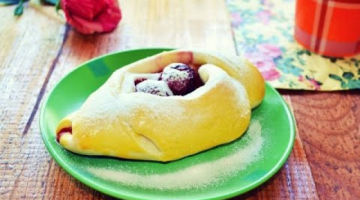
Strawberry Sweet Rolls (Soft Yeast Buns With Fresh Strawberries)
MonPMUTCE_January+0000RJanPMUTC_01 Strawberry Sweet Rolls (Soft Yeast Buns With Fresh Strawberries) If you love home baking with fresh berries, put these strawberry buns on your “bake it now” list. They’re the kind of treat that makes the whole kitchen smell like early summer: warm, buttery dough, a juicy berry center, and that moment when you pull apart a still-warm roll and the steam carries a hint of caramel and fruit. This recipe is built on simple ingredients, but it’s not “plain.” It’s the opposite: it’s honest, aromatic, and dangerously snackable. The dough is soft and tender, the filling is bright and jammy without being heavy, and the whole thing feels like something you’d bring to a weekend brunch and watch disappear faster than you expected. You’ll find two mixing options below (bread machine and by hand), several shaping ideas that look impressive without being fussy, plus practical tricks for keeping strawberries from flooding your pan. Yield: about 10 medium buns Why These Strawberry Buns Work So Well Some recipes feel like an open door back into childhood. You don’t even have to taste them yet-just crack the oven and let the warm air roll out. That smell does the rest: a summer afternoon, a cozy kitchen, and someone saying, “Just a minute… they’re almost ready.” These buns have three strengths that matter in real life: Seasonal magic They’re at their best with peak strawberries-sweet, fragrant, and red all the way through. A clean flavor balance Fluffy, lightly sweet dough plus a bright, juicy, slightly tangy filling. Not cloying. Not flat. Flexible and forgiving No fancy equipment required. You can do it by hand, tweak the flour, adjust sweetness, and still land on something you’ll be proud of. Strawberry Season (And a Tiny Bit of Food Science) Strawberries bring more than flavor-they bring structure issues (juice!) and aroma rewards (those floral, candy-like notes you can’t fake). A few useful truths: Strawberries are naturally high in vitamin C. Their red color is strongly associated with anthocyanins-plant compounds that act as antioxidants. Strawberries are relatively low in pectin compared to some other fruits, which is why they tend to release juice rather than “set” on their own. That last point matters for buns. If you treat strawberries like apples, you’ll get a soggy center and a sticky puddle on the pan. So we handle them like strawberries: dry them well, optionally add a touch of thickener, and shape the dough to “hold” the filling. Quick rule of thumb: the riper and sweeter the strawberry, the less extra sugar you need, and the easier it is to manage the juice (because you’ll be less tempted to add sugar that pulls out even more liquid). Ingredients For the dough Milk - 2/3 cup (150 ml), warm (about 95–100°F) Unsalted butter - 3 tbsp (40 g), melted and cooled slightly Granulated sugar - 4 tbsp Salt - 1 tsp All-purpose flour - about 3 cups (around 350 g), plus a little for dusting Egg - 1 large (you’ll use the white in the dough, yolk for brushing) Active dry yeast - 1 tsp For the filling Fresh strawberries - 10–12 oz (300 g) Optional (but helpful) Cornstarch - 1–2 tsp (for controlling strawberry juice) Brown sugar - 1–2 tsp (only if your berries are tart) Powdered sugar - for finishing Servings: 10 buns Ingredient Roles (So You Can Adjust With Confidence) Milk Softens the crumb and adds a gentle sweetness. Milk sugars help browning too. Butter Makes the dough tender and rich, and helps the buns stay soft longer. Sugar Feeds the yeast early on and contributes to a golden, flavorful crust as it bakes (browning reactions love sugar + proteins). Salt Sharpens flavor and strengthens the dough structure. Flour Your “frame.” How much you need depends on humidity, flour brand, and how juicy your kitchen air feels that day. Egg The white helps with structure and tenderness; the yolk is perfect for a glossy finish on top. Yeast Does the lifting-literally. Also builds that “bakery smell” when you give it time. Strawberries The entire point. Bright, fragrant, juicy, and just a little wild. Dough Timing: The Slow Way vs the Fast Way Yeast dough rewards patience. If you give it two rises, you’ll get a finer, more even crumb that holds berries better. The flavor also deepens-more aromatic, less “plain bread, but sweet.” The classic (best flavor) Quick sponge: 15 minutes Knead: about 8–10 minutes First rise: 60–80 minutes Shape + short second rise: 20–30 minutes The faster option (still good) Mix everything at once Slightly increase yeast (to about 1 1/2 tsp) One rise: about 40–50 minutes Shape and bake If you’re baking for people you want to impress, go classic. If you’re baking for your own sanity on a weekday, fast mode is allowed. Prep the Strawberries (Do This First) Strawberries are sweet, but they’re also basically little juice bombs. This is how you keep them from turning your buns into a wet mess: Wash and dry thoroughly. After rinsing, spread on a towel and let them sit at least 15–20 minutes. Don’t rush this. Decide on cut style. Small strawberries: you can keep them whole or halve them. Large strawberries: dice them into chunks (not tiny pieces-chunks hold better). Optional thickener (recommended if berries are very juicy). Toss the cut strawberries with 1–2 teaspoons cornstarch. If berries are tart, add 1–2 teaspoons brown sugar too. That’s it. Don’t drown them in sugar. Sugar pulls liquid out fast, and then you’re fighting syrup instead of baking buns. Method A: Bread Machine Dough (Set It and Relax) If you have a bread machine with a “Dough” cycle, this is the cleanest path. Add ingredients to the pan in this order: Warm milk Melted butter Egg white Sugar and salt Flour Yeast on top (keep it away from liquid until mixing begins) Run the Dough cycle (usually about 90 minutes). When finished, the dough should look smooth and puffy, roughly doubled. Method B: By Hand (The “I Can Feel the Dough” Version) In a large bowl, combine: Warm milk 1 tablespoon of the sugar Yeast Let sit 10–15 minutes until foamy. If it doesn’t foam, your yeast is likely dead or the milk was too hot. Add: Remaining sugar Salt Egg white Melted butter Add flour gradually, mixing with a spoon at first, then by hand. Knead 8–10 minutes until smooth and elastic. The dough should be soft and slightly tacky, not sticky like glue. If it’s sticking to everything, dust with a little flour-but don’t overdo it. Grease the bowl lightly, cover, and let rise 60–80 minutes in a warm spot. Warm spot tip: if your kitchen is cold, place the bowl in the (off) oven with a mug of hot water. You’re creating gentle warmth + humidity, like a tiny spa for yeast. Shaping: Make Them Look Like They Came From a Bakery Here are three shapes, all practical. 1) “Nests” (Best for keeping juice contained) Divide dough into 10 pieces. Roll into balls. Place on a lined baking sheet. Press a deep well in the center using the bottom of a glass. Fill with strawberry pieces. This shape is the safest choice for tidy buns. 2) Braided “Envelopes” (Most impressive) Roll a piece of dough into an oval, about 5x7 inches. Make angled cuts on both sides, leaving the center intact. Place berries in the center. Fold sides over, crisscrossing like a braid. Looks fancy. Eats even better. 3) Twists / Mini Braids (Great for brunch platters) Roll dough into a short strip. Add berries along the center. Fold and pinch to seal. Twist gently and tuck ends under. The goal is always the same: keep berries supported, not floating in open space. Final Proof (Second Rise) Once shaped, cover loosely and let rise 20–30 minutes. The buns should look puffier and lighter, not tight and dense. This step is small, but it changes the crumb a lot-especially with fruit inside. Bake: Temperature, Color, Aroma Preheat oven to 375°F (190°C). Egg wash: Mix egg yolk with 1 tablespoon milk. Brush tops gently. Bake 25–30 minutes, until deep golden and fragrant. Cool 10 minutes before eating. Yes, it’s hard. But the steam inside needs time to settle. If you tear in instantly, the crumb can feel gummy even if it’s baked. How to Tell They’re Done (Without Guessing) The tops are evenly golden, not pale. The buns feel light when you lift one edge slightly with a spatula. The bottom is baked, not soft and white. You can hear faint sizzling if strawberry juice is bubbling in a cut edge (that’s normal). If you’re unsure, bake 2–3 minutes longer. Underdone fruit buns collapse easily. Five Easy Variations (Same Soul, Different Mood) Whole-wheat note Swap 3/4 cup (about 100 g) of flour for whole wheat flour. You’ll get a slightly nuttier taste and a heartier texture. Cream cheese center Add 1 tablespoon cream cheese in the well before the strawberries. It turns into a “strawberry cheesecake bun” vibe without extra work. Lemon zest Add zest of 1/2 lemon to the dough. Lemon makes strawberries taste louder. Warm spice Add a pinch of cardamom and a little vanilla. This is subtle but makes the buns smell expensive. Dairy-free approach Use plant milk and replace butter with a neutral oil or plant-based butter. Texture changes slightly, but it still works. Approximate Nutrition (Per Bun) These numbers depend on your flour, sugar, and how generous you are with berries, but here’s a realistic ballpark for a medium bun: Calories: about 220–260 Protein: about 5 g Fat: about 6–8 g Carbs: about 35–40 g This is dessert, no pretending. But it’s also real food with real fruit: strawberries contribute vitamin C and antioxidant compounds like anthocyanins. Serving Ideas (Hot vs Cooled) Warm buns Coffee with vanilla Spiced black tea Simple latte (not too sweet) Cooled buns Iced tea with citrus Unsweetened matcha latte Kefir-style cultured milk drink (if you like tangy with sweet) The best pairing trick is contrast: warm, soft bun + cool drink = suddenly it feels like a ritual, not a snack. Storage and “Bring Them Back to Life” Room temperature (best same day) Store in a bag with a tiny vent (don’t seal airtight while warm). Up to 12 hours. Refrigerator Airtight container up to 2 days. Reheat at 325°F (160°C) for 5–7 minutes to restore softness and crust. Freezing (smart method) Freeze shaped, unbaked buns on a tray until firm, then transfer to a freezer bag. Bake from frozen: add about 5–8 minutes to baking time. This gives you “fresh baked” buns on demand. Troubleshooting (Short and Useful) Can I use fresh yeast instead of dry? Yes. Use about 3 times the amount by weight (roughly 9 g). My dough is sticky. Did I mess up? Not necessarily. Butter-rich dough can feel tacky. Oil your hands lightly and knead a few more minutes. If it’s truly wet, add flour 1 tablespoon at a time. Why did the centers sink? Most common reasons: Too much strawberry juice inside Underbaked center Overproofed dough Fix: dry berries longer, use a little cornstarch, bake 2–3 minutes longer. Can I make it egg-free? For the dough structure, you can swap the egg with a flax “egg” (1 tbsp flax meal + 3 tbsp water, rest 10 minutes). For the top, brush with plant milk instead of egg wash. Can I make the dough the night before? Yes. After kneading, cover and refrigerate overnight. Next day, let it sit at room temp 45–60 minutes, then shape, proof, and bake. Final Note: The Kind of Dessert Worth Flour on Your Hands These strawberry buns aren’t just flour, sugar, and berries. They’re a small edible proof that you can bake summer into a cold day. They’re the patience of dough rising under a towel, the little thrill of a glossy top turning golden, and the first bite where strawberry juice meets warm bread and you suddenly stop talking. Bake them once, and you’ll understand why people keep making fruit buns every year when berries come in. They disappear fast, they make the kitchen feel alive, and they leave just enough crumbs to remind you that joy is often simple-and usually warm.
Soviet-Style “9-Kopeck” Buns
ThuPMUTCE_August+0000RAugPMUTC_11 Soviet-Style “9-Kopeck” Buns (Sweet, Glossy, Dark-Crust Milk Rolls) - A Home Baker’s Time Machine I’d been wanting to bake the famous “9-kopeck” buns from the Soviet past for ages. I finally did it-and the result went way beyond what I expected. Light as air, deeply aromatic, and yes: that unmistakable dark, tea-colored crust with a shiny top that looks like it’s been polished. I’m sharing the recipe exactly the way it needs to be made, because these buns don’t forgive chaos. Follow the proportions, respect the timing, and you’ll get the real thing. If you grew up anywhere near the late USSR food culture, you know the vibe. You crack the oven door open and the kitchen fills with a warm, sweet cloud-vanilla, butter, milk, and wheat-like the air itself has turned into dessert. In my memory it’s tied to a school cafeteria line: a bun in one hand, a carton of milk in the other, and a feeling that the world is briefly, strangely safe. For American readers: a “kopeck” was a small coin, like a penny. “Nine kopecks” was a tiny price for something that felt like a treat. These buns were a standard, mass-produced comfort food-simple, consistent, and oddly iconic. Think of them as the cousin of a soft milk roll, but with a deeper caramelized crust and a signature glossy finish that makes them instantly recognizable. You can recreate that magic at home-nearly word for word, almost to the letter-if you understand what makes these buns special and why each step matters. What Makes “9-Kopeck” Buns Different Most sweet yeast buns are soft, pale-golden, and gently glossy. These are different. Their “calling card” is the darker crust. It isn’t burnt and it isn’t bitter. It’s a rich caramel tone-like strong black tea or dark honey-thin but resilient, with a shine that looks almost like lacquer. That crust comes from two things working together: A higher sugar ratio than you might be used to in yeast dough. An egg-and-milk glaze applied right before baking. Sugar does more than sweeten. It feeds yeast (up to a point), it helps the crumb become delicate, and it also intensifies browning through caramelization and the Maillard reaction-those complex heat-driven changes that turn simple dough into a bakery aroma factory. Milk adds lactose (a milk sugar that browns readily), and egg proteins set into a thin glossy film that catches the light. The result is a bun that tastes nostalgic even if you’ve never had it before: soft, fluffy interior; creamy vanilla-butter aroma; and a crust that whispers “bakery” in a deeper voice. A Quick Note on “Research” and Accuracy (Without Overcomplicating It) Home baking doesn’t need laboratory jargon, but it does reward understanding. Sugar helps browning and tenderness, but too much can slow yeast down because it pulls water away from fermentation. This recipe sits near the upper edge of “sweet dough” while still rising well-especially because it uses a pre-ferment (sponge) that builds strength and flavor in advance. Milk contributes to faster browning, which is why we use a measured amount. Too much milk and the crust can darken before the center bakes through. A long sponge (opara) develops a more complex aroma-less “raw yeast,” more “real bakery.” That’s the logic. Now let’s bake. Ingredients for 9 Buns (Big, Bakery-Style) This recipe makes 9 buns. They’re generous-more like “one bun is a snack” than “three buns are a snack.” Core Ingredients (Dough) All-purpose flour: 450–500 g (about 3 1/2 to 4 cups, depending on how you measure) 200 g goes into the sponge 300 g goes into the final dough Fresh yeast: 14 g, divided 7 g into the sponge 7 g into the final dough If using active dry yeast or instant yeast: see the substitution section below. Granulated sugar: 130 g (about 2/3 cup) Milk: 75 ml (about 5 tablespoons) Water: 135 ml (about 1/2 cup + 1 tablespoon) 65 ml into the sponge 70 ml into the final dough Unsalted butter: 75 g (about 5 tablespoons, softened) Salt: 5 g (about 1 teaspoon) Eggs: 2 large eggs Vanillin / vanilla: to taste For the U.S.: use vanilla extract (recommended) or vanilla sugar if you have it. For the Classic Glossy Top (Glaze) The reserved egg portion (details below) 3 tablespoons milk Tools That Help (Not Mandatory, But You’ll Thank Yourself) Kitchen scale (highly recommended for flour and sugar) Mixing bowl + whisk Baking sheet Parchment paper Pastry brush Cooling rack Clean kitchen towel or plastic wrap The Signature Texture: Why We Use a Sponge (Opara) These buns are not just “mix and bake.” The sponge is a quiet four-hour investment that pays back in aroma, structure, and tenderness. A dense sponge slows fermentation down so yeast works deeper, developing more flavor compounds, rather than racing upward fast and leaving the dough smelling too yeasty or tasting flat. Think of it like letting a good story build instead of jumping straight to the ending. Step 1 - Make the Sponge (4 Hours of Patience) In a bowl, combine: 200 g flour 7 g fresh yeast 65 ml warm water (comfortably warm, not hot) 75 ml milk (also warm) Mix it into a firm dough ball. It will feel tight and dense-that’s correct. Shape it into a round, then make a cross-shaped slash on top with a knife. Cover the bowl with plastic wrap (or cover the dough itself), then wrap with a towel to keep it cozy. Let it rest 4 hours at about 72–75°F (22–24°C). What you’re looking for: The sponge won’t balloon like a wet batter starter. It will expand, soften inside, and develop a more pronounced aroma. When you cut into it later, it should look aerated and alive. Step 2 - Make the Yeast “Syrup” In a large mixing bowl (the bowl you’ll use for the final dough), dissolve: 7 g fresh yeast 130 g sugar 5 g salt 70 ml warm water Whisk until the mixture looks like a cloudy syrup. You may see light foaming-that’s a good sign. Give it a few minutes while you prepare the next step. This syrup is part chemistry, part tradition: sugar and warm water wake the yeast up, but the salt keeps the dough from tasting flat. Step 3 - Combine Everything into the Final Dough Now bring it all together: Add the sponge to the bowl with the yeast syrup. Lightly beat one egg, then measure roughly 65 g of it and add to the dough. You’ll have about 35 g left (a couple tablespoons). Save that for the glaze. Add vanilla: 1 to 2 teaspoons vanilla extract, to taste (start with 1 tsp if you prefer subtle). Add the remaining 300 g flour gradually. Important: do not over-flour This dough should be soft and slightly tacky, not dry. It should stretch, and it may cling to your hand with a gentle “kiss.” If it sticks aggressively like glue, give it time-gluten organizes as it rests. Once the flour is mostly incorporated, add: 75 g softened butter Knead for 10 minutes until the dough becomes smooth and elastic. The dough’s personality At first it may feel slippery and sticky. Don’t panic. This is a rich dough: sugar, butter, and egg change the texture. After 10 minutes of kneading and a short rest, it becomes manageable and beautifully stretchy. Step 4 - First Rise (About 2 Hours) Cover the bowl and let the dough rise until it increases about 2.5 times. A good test: press a finger gently into the dough. If the indent stays but slowly begins to level out, it’s ready. If it springs back quickly, it needs more time. If it collapses and doesn’t recover, it went too far (still usable, but handle gently). Warm, draft-free spots help. In a typical American kitchen, a turned-off oven with the light on often creates the perfect gentle warmth. Step 5 - Divide into 9 Pieces and Shape Turn the dough onto a lightly floured surface (use flour sparingly). Divide into 9 equal pieces-each around 120–125 g. Shape each piece into a smooth ball: Pull edges toward the center Pinch to seal Flip seam-side down Roll gently to create surface tension That tension is what gives buns their clean “dome” shape instead of spreading sideways. Step 6 - Proofing (The Final Rise) Line a baking sheet with parchment. Place the buns close together, with about 1/2 inch (1 cm) between them. This is intentional. These buns should rise and lightly touch, forming soft sides like they grew up together. Cover with a towel and let proof for 60 minutes in a draft-free spot. They should look puffy, alive, and soft-not fragile, but clearly expanded. Step 7 - The Egg-and-Milk Gloss (Do This Gently) Mix: The reserved egg portion (about 2 tablespoons) 3 tablespoons milk Brush the buns with a thin, even layer. Don’t press hard. You want to keep the bubbles underneath intact-those bubbles become the tender crumb you’re chasing. This glaze is the “makeup” step, but it’s not just for looks. It helps the surface brown evenly and creates that signature shine. Step 8 - Bake Preheat oven to 400°F (200°C) with a conventional top/bottom heat setting if you have it. Bake for 25 minutes. One rule: Don’t open the oven for the first half of baking. The dough releases steam. That steam keeps the crust from setting too soon and allows the buns to expand fully. Open the door early and you risk a thick, dull crust and less volume. Around minute 20 the buns usually look amber. The final 5 minutes deepen the crust into that classic darker caramel tone. Step 9 - Cool and Serve (Yes, Cooling Matters) Move the buns to a cooling rack immediately. A rack prevents steam from softening the crust underneath. After about 15 minutes, they’ll still be warm but not dangerous. That’s the ideal moment: the crust is set, the aroma is strongest, and the crumb is still cloud-soft. Best serving ideas (U.S.-friendly) Cold milk, obviously. Strong coffee (drip, French press, espresso-whatever you like). Hot cocoa if you want the full childhood mood. Storage tip (simple and surprisingly effective) If you’re keeping them for more than a day: once fully cool, place them in a food-safe bag or airtight container. If you want to reduce moisture buildup, add a single sugar cube or a teaspoon of dry sugar wrapped in a small piece of paper towel. It helps moderate humidity so the buns stay soft without turning damp. Why the Crust Gets So Dark (And Why That’s the Goal) Let’s put it plainly: this crust is designed to brown. More sugar means more caramel notes. Milk contributes lactose, which browns readily. Egg proteins set into a shiny surface film. Heat turns those ingredients into color and aroma. If your buns come out pale, one of these usually happened: You reduced sugar too much. Your oven runs cool. You skipped or under-applied the glaze. You used too much milk (ironically, too much can sometimes brown unevenly and force you to pull them early). Frequently Asked Questions Can I use dry yeast instead of fresh? Yes. Use about 1/3 the weight of fresh yeast. 14 g fresh yeast ≈ 5 g dry yeast That’s roughly 1 1/2 teaspoons (depending on brand and granule density). If using active dry yeast, dissolve it in warm water with a pinch of sugar and wait until foamy. If using instant yeast, you can mix it directly, but since this recipe uses a syrup step, either works fine. Why is the sponge so firm? Because low hydration slows fermentation and forces yeast to work “inward,” building flavor rather than just inflating quickly. A firm sponge also holds warmth better and is easier to handle. Can I reduce the sugar? You can, but it changes the bun. If you drop to 100 g, you’ll still get a good result, but the crust will be lighter and the flavor less caramel-forward. Below 80 g, you’re no longer making the classic bun. It becomes a different, more ordinary roll. What can replace butter? You can use margarine, but the aroma and aftertaste won’t be the same. Butter is part of the identity here. If you must substitute, pick a high-fat margarine with minimal water content. My dough feels sticky. Should I add more flour? Not immediately. Give it: 10 minutes of kneading a 10–15 minute rest Often the dough transforms as gluten aligns. Over-flouring is the fastest way to lose the signature softness. Variations (Still Respecting the Original Spirit) These buns are iconic because they’re simple. Still, small variations can feel authentic because versions did exist. Raisins or Citrus Zest Add: 70 g raisins, rinsed and dried or 1 teaspoon orange zest Add them near the end of kneading, after the butter is incorporated. “Nut Code” (Subtle Almond Note) Replace 30 g flour with finely ground almonds. The crumb becomes slightly richer and the aroma shifts toward marzipan-quiet but noticeable. Coffee Finish (Mild Mocha Shine) If you want a modern twist: brush hot buns lightly with a thin syrup made from: 2 tablespoons sugar 1 teaspoon instant coffee 2 tablespoons hot water It won’t replace the egg glaze-think of it as a final whisper on top. Nutrition (Approximate) Nutrition depends on flour brand, egg size, and exact portioning. But for a general reference, these buns are similar to rich sweet bread. Approximate per 100 g: Calories: ~300 kcal Protein: ~8 g Fat: ~8 g Carbs: ~45 g Treat this as a ballpark number, not a medical label. Troubleshooting: If Something Goes Off, Here’s Where to Look Buns are dense Most common causes: Dough was over-floured. Rise time was cut short (especially the first rise). Yeast was old or water was too hot and damaged it. Dough was handled too roughly after proofing (you knocked out too much gas). Crust is too dark, too fast Oven runs hot (many do). Try 375°F (190°C) next time and bake a bit longer. Too much glaze pooled at the base (brush thinner). Buns placed too close to the top heating element. Crust is pale and dull Not enough glaze or uneven glazing. Sugar reduced. Oven not fully preheated. Underbaked (these buns can look “done” before their crust develops). Freezing and Reheating (They Handle It Beautifully) Once fully cool: Wrap buns tightly (plastic wrap or freezer bag). Freeze. To reheat: Bake at 320°F (160°C) for about 8 minutes, still wrapped loosely in foil if you want to protect the crust from over-darkening. They come back shockingly close to fresh. The Ending That Matters: A Bun Instead of a Time Machine Listen closely while they cool. That faint crackle is the crust settling-steam escaping, caramel setting, the surface tightening into that classic glossy shell. Break one open from the side. The crumb should pull apart in soft strands, releasing warm vanilla air. Eat it slowly. Or don’t-these buns have a way of disappearing fast. Nine kopecks is long gone, and the world that priced comfort that way is gone too. But the simplest pleasures survive history better than most things. Bake them, share them, keep the recipe alive in your kitchen. Let that dark, shiny crust wink at you through the oven glass like it knows a secret you’ve finally remembered.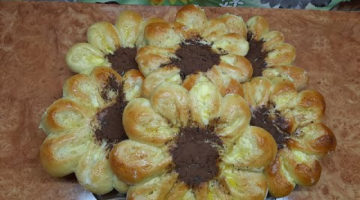
Sweet Yeast “Daisy” Buns with Creamy Farmer Cheese Filling
TuePMUTCE_May+0000RMayPMUTC_11 A big, home-style guide from 7 Strav “Warm bread doesn’t smell like yeast alone - it carries a quiet memory of home.” A rainy-morning story (and why these buns always feel like a good idea) Picture a rainy Sunday morning: tap-tap-tap on the windowsill, a kettle sighing somewhere in the background, and a small saucepan warming milk on the stove. Nothing dramatic. No big celebration. And yet… this is exactly the kind of morning when baking turns into a small rescue mission. These buns look simple at first glance, but they have that rare superpower: they gather people. The shape is the reason we call them “daisies.” Pale, tender “petals” of enriched yeast dough open up around a golden center, and inside - a soft, lightly sweet farmer-cheese filling that stays creamy instead of dry. Each bun is like a little sun that decided to show up even when the sky didn’t. This is a proven, repeatable method - no complicated tricks, no chef theatrics. Just a logical sequence and a few small details that protect you from common yeast-dough drama. If you’ve ever had dough that didn’t rise, buns that turned out heavy, or filling that leaked everywhere, you’re in the right place. Why this recipe works (even if you don’t bake often) The “secret” is not one secret. It’s a chain of small correct choices. Warm liquid at the right temperature Milk and water are warmed to about 95–99°F (35–37°C) - a comfortable range for yeast. Too cool and yeast naps. Too hot and yeast… well, yeast doesn’t come back. A quick sponge (starter) for stability A short fermentation at the beginning builds confidence: the yeast wakes up evenly, the dough becomes more aromatic, and you’re less likely to get that sharp, “yeasty” aftertaste. Balanced enrichment Egg + oil make the crumb elastic and soft, but not cake-like. The crust stays thin and gently crisp instead of thick and tough. Two rises, two chances to get airy buns First rise develops structure. Second rise (after shaping) makes the buns truly fluffy and helps them hold their “daisy” form in the oven. What Americans should know about “tvorog” (and the best local substitutes) The filling in the original version uses творожная масса - a sweetened curd cheese mixture. In the U.S., the closest options are: Farmer cheese (best match in texture and flavor) Dry curd cottage cheese (great, but you’ll want to blend it smoother) Ricotta (works, but it’s wetter; you may need to drain it) Cream cheese + cottage cheese combo (surprisingly close when whipped) If your filling is too wet, it can leak. If it’s too dry, it can taste chalky. We’ll keep it creamy and stable. Ingredients (makes 10–12 medium buns) For the dough Warm milk - 150 ml (about 2/3 cup) Warm water - 100 ml (about scant 1/2 cup) Egg - 1 large Neutral oil (canola, sunflower, avocado) - 50 ml (about 3 1/2 Tbsp) Sugar - 2 to 4 Tbsp (adjust to taste) Fine salt - 1 tsp Fresh yeast - 15 g Substitute: active dry yeast ~ 5 g (about 1 1/2 tsp) Or instant yeast ~ 4 g (about 1 1/4 tsp) All-purpose flour - about 450 g (roughly 3 1/2 to 3 3/4 cups, depending on your flour and humidity) Vanilla sugar or vanilla extract - to taste If using extract: 1 to 1 1/2 tsp For hands and bowl: 1 tsp oil (extra) For the filling Farmer cheese or thick curd/cottage cheese - 250 g (about 9 oz) If using ricotta: drain 20–30 minutes Sugar - 2 to 3 Tbsp (optional, adjust to your filling) Vanilla - a pinch or 1/2 tsp extract Optional: 1–2 Tbsp sour cream or Greek yogurt (only if the cheese is too dry) For the egg wash Egg yolk - 1 Milk - 2 Tbsp For the “sunny center” topping (choose one) Cocoa powder (classic) Mini chocolate chips or finely grated chocolate Poppy seeds Cinnamon sugar Toasted sesame (unexpected, but good if you go less sweet) Equipment that helps (but you can do without most of it) Mixing bowl (or stand mixer) Whisk + spatula Baking sheet + parchment paper Sharp knife (for the “petals”) Pastry brush (or a clean spoon, honestly) Kitchen towel or plastic wrap Step 1: The sponge - yeast magic in 15 minutes In a mixing bowl, combine the warm milk and warm water. You want it pleasantly warm to the touch - not hot. Think “baby bath,” not “tea.” Add 1 Tbsp sugar and 3 Tbsp flour. Whisk until smooth. Crumble in the fresh yeast (or sprinkle in dry yeast). Whisk again until it looks like a creamy beige batter. Cover the bowl and let it sit in a warm place for about 15 minutes. You’re waiting for a puffy, foamy cap on top - the sign that the yeast is alive and enthusiastic. If your kitchen is cold: place the bowl in an off oven with the light on, or set a mug of hot water nearby to create a cozy microclimate. Step 2: Mix the dough - gentle hands, real patience To the active sponge, add: remaining sugar salt egg vanilla (sugar or extract) Mix until smooth. Add flour gradually. Don’t dump it all at once. Flour behaves differently in every kitchen, and your goal is a dough that’s soft, elastic, and only slightly tacky. Knead for 8–10 minutes. At first, it may cling and look messy. Then it starts pulling together. Keep going. This is where your future fluffiness is being built. Add the oil in a thin stream while kneading. For a minute, the dough may look like it’s falling apart - slippery, stubborn, glossy in a suspicious way. Keep kneading. After a couple more minutes, it becomes smooth, satin-like, and springy. Shape into a ball. Place in a lightly oiled bowl, cover, and let rise for about 60 minutes, or until doubled. Quick readiness test: press your finger gently into the dough. If the dent springs back slowly, you’re ready. If it snaps back instantly, it needs more time. Step 3: Make the filling - creamy, not runny In a bowl, mash or blend your cheese until smooth. If using farmer cheese or dry curd cottage cheese: Mash well with a fork, then stir in sugar and vanilla. If it’s too dry, add 1 Tbsp sour cream or Greek yogurt. If using regular cottage cheese: Blend quickly (just a few pulses) so it becomes creamy. Drain any excess liquid if it looks wet. If using ricotta: Drain it first in a fine mesh strainer (20–30 minutes). Then mix with sugar and vanilla. Goal texture: thick, spoonable, holds shape. If you can mound it on a spoon and it doesn’t slump immediately - perfect. Step 4: Shape the “daisies” 4.1 Divide the dough Punch down the risen dough gently. Turn it onto a lightly floured surface. Roll into a log and cut into 10–12 pieces (about 70 g each if you’re weighing). 4.2 Make balls and let them relax Roll each piece into a smooth ball, seam underneath. Let them rest 5 minutes - this is not laziness; it’s strategy. The gluten relaxes, and shaping becomes easier. 4.3 Fill the center Flatten a ball into a round disk about 1/4 to 1/3 inch thick. Place 1 heaping teaspoon of filling in the center. Bring edges up, pinch to seal (like a little dumpling). Turn seam-side down. Now gently flatten again - just enough to widen the bun, not enough to crush it. 4.4 Create the “petals” With a sharp knife, make 6–8 cuts around the bun, stopping about 1/2 inch from the center. You want “petals” that can open without detaching. Then, gently turn each petal so the cut side faces upward. Press lightly to show the layered pattern. Place buns on a parchment-lined baking sheet with space between them. 4.5 Second rise Cover with a light towel and let rise 20 minutes. They’ll puff and look more alive - like they’re inhaling before the oven. Step 5: Egg wash, center topping, and baking Preheat your oven to 350°F (180°C). Mix yolk + milk. Brush over the buns gently. Sprinkle your chosen topping into the center: cocoa for a classic look chocolate for a richer bite poppy seeds for bakery vibes Bake 20–25 minutes, until golden. Every oven is moody. Start checking around minute 18. Doneness check: tap the bottom of a bun. It should sound slightly hollow - a soft “thump,” not a dull “squish.” Let cool 10–15 minutes before eating. If you bite too soon, the filling is molten-soft and the crumb hasn’t finished setting. Patience pays here. The quiet science behind the comfort Yeast isn’t just “a powder that makes dough rise.” It’s a living culture that eats sugars and releases carbon dioxide. That gas gets trapped in the gluten network, expanding it into airy pockets - the future crumb. Milk contributes proteins and natural sugars that brown beautifully in the oven, helping you get that golden, bakery-style finish. Egg yolk contains lecithin - a natural emulsifier - which helps fat and water cooperate, keeping the crumb tender instead of crumbly. Oil slows moisture loss, so these buns stay soft longer without any artificial help. That’s the core idea: structure plus moisture management. Cozy, but not accidental. Variations (because a bun is a blank canvas) Citrus twist Add 1 Tbsp orange zest to the dough. It makes the whole kitchen smell like someone is doing well in life. Holiday filling Add 1 tsp rum extract or a tiny splash of almond flavoring to the cheese filling. Suddenly it tastes like a special occasion. Richer dough Swap the oil for melted butter (same amount). Flavor gets deeper, texture gets more “brioche-adjacent.” Chocolate center Mix into the filling: 2 tsp cocoa 1–2 Tbsp sugar (to balance bitterness) a spoonful of cream cheese if needed Poppy seed classic Use prepared poppy seed filling (common in Eastern European baking). It’s bold, nutty, and surprisingly grown-up. How to serve them (and make them feel like a moment) These buns don’t need complicated plating. They need a pause. Morning: coffee with a splash of milk, jam on the side, one warm bun broken open by hand. Afternoon: hot cocoa, a handful of nuts, and a bun that’s warm but not scorching. Gathering table: dust lightly with powdered sugar, set out a small bowl of honey or sweetened condensed milk for dipping. They’re “friendly food.” People reach for them without thinking too hard. Storage and reheating (so they stay good, not sad) Room temperature Store in an airtight bag or container for up to 2 days. The key is protecting moisture. Freezing Freeze up to 1 month: Cool completely. Wrap each bun in parchment or plastic wrap. Place in a freezer bag. To reheat from frozen: bake at 320°F (160°C) for about 12–15 minutes. Refresh trick If they feel slightly dry: mist with a tiny bit of water (or dampen your hands and pat the surface) warm at 300–320°F for 5–7 minutes The crust perks up, the inside softens again. Nutrition (approximate, per 1 bun ~75 g) Numbers vary based on your filling and sugar level, but a typical bun lands around: Calories: ~230–260 Protein: ~7 g Fat: ~6–8 g Carbs: ~34–40 g The cheese adds calcium and protein, which is nice - but let’s be honest: this is still a sweet bun. The point is comfort and energy, not pretending it’s a salad. Troubleshooting (FAQ that actually helps) Can I use dry yeast instead of fresh? Yes. Use about 1/3 the weight: 15 g fresh yeast ≈ 5 g active dry (about 1 1/2 tsp) If using active dry, it benefits from being mixed into the warm liquid like we do in the sponge. My dough is sticky - did I mess it up? Probably not. Sticky dough often just needs: more kneading (gluten hasn’t developed yet), or a short rest (5–10 minutes) to let flour hydrate fully Add flour carefully. Too much flour is how buns become heavy. The filling leaked out Most common reasons: filling was too wet seams weren’t pinched well buns were overfilled Fix: thicken the filling (drain ricotta/cottage cheese), use a smaller spoonful, pinch firmly. My buns browned too fast Ovens vary a lot. If they’re getting dark early, lower to 340°F (170°C) and bake a bit longer. You can also place the baking sheet one rack lower. They turned out dense Usually one of these: yeast was old/inactive liquids were too hot (yeast weakened) dough didn’t rise enough too much flour added during kneading Dense buns aren’t “bad,” but they’re not the airy daisy we want. Next time: trust the rise, be patient, and keep the dough soft. A small historical note (because food always has roots) Flower-shaped baked goods show up across many European traditions - not because bakers were bored, but because shapes carried meaning. Flowers symbolized warmth, hospitality, and good intentions. The “daisy” specifically feels like a quiet, domestic emblem: simple, bright, and stubbornly cheerful. You don’t need to know history to enjoy these buns - but it’s nice to realize you’re repeating a gesture that’s older than your kitchen timer. Final words A bun like this is not just flour and yeast. It’s a small, edible pause. You make the dough, you wait, you shape little petals with a knife, and at some point the kitchen smells like safety. Bake them once and you’ll understand why people keep repeating this kind of recipe for years. Not because it’s trendy. Because it works - and because it turns an ordinary day into something a little warmer.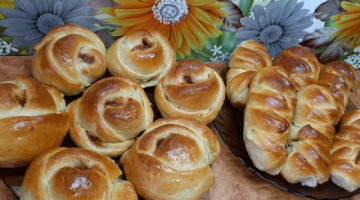
Soft Yeast Buns with Apple Butter–Style Filling
WedPMUTCE_April+0000RAprPMUTC_11 Soft Yeast Buns with Apple Butter–Style Filling (Jam Buns Americans Actually Want to Bake Again) There are a few kitchen smells that don’t just “smell good” - they reset your whole nervous system. Warm, sweet yeast dough rising under a towel. Melted butter meeting vanilla. And that gentle caramel-fruit note when apple filling warms in the oven and turns glossy at the edges. These buns are exactly that kind of recipe. They’re cloud-soft, lightly sweet, and built around a reliable enriched yeast dough (milk + butter + eggs). The crumb is tender and “cottony,” the crust turns shiny and golden, and the shapes can change depending on your mood: classic rounds, braided buns, rose spirals, knot buns - all from one base dough. And yes: I’m using apple filling here as the north star for sweetness and tartness. But this dough welcomes any thick filling you love - sweetened farmer’s cheese, citrus curd, poppy seed paste, cinnamon-raisin, even chocolate spread (if it’s thick enough not to run away). If you’ve ever had yeast dough that felt intimidating or unpredictable, keep reading: the “narrow spots” are handled - yeast temperature, sticky dough, proofing in a cool house, filling that leaks, and buns that bake pale. This is a home recipe. The kind that quietly gathers people at the table without asking permission. Why These Buns Turn Out So Soft Perfect softness without being heavy Milk, butter, and eggs make an enriched dough. That means tenderness, fine crumb, and a gentle chew - not the dry, bready texture that happens when a dough is lean or over-floured. Flexible shaping One batch can become 20–24 medium buns, depending on how you portion. The dough is cooperative: it relaxes, stretches, and holds shape well after a short rest. Filling that fits your pantry The method is designed around a thick filling. Apple jam works, apple butter works, thick preserves work. If yours is runny, you’ll fix it in five minutes (I’ll show you how). A dependable process You’ll see exactly what the dough should look like at each stage. And if your kitchen is cold, you’ll still win. Ingredients for 20–24 Medium Buns Below are the original amounts, translated and localized for U.S. kitchens. I’m giving both grams and cup-style measures because serious baking loves precision - but real life loves “cups.” Dough Warm water (about 95–100°F / 35–37°C): 50 ml (about 3 Tbsp + 1 tsp) Sugar: 1 tsp (for yeast) + 4 Tbsp (for dough) Salt: a pinch (about 1/4 tsp) Warm milk (about 95–100°F / 35–37°C): 250 ml (about 1 cup + 2 Tbsp) All-purpose flour: 650 g (about 5 1/4 cups, spooned and leveled) If you have bread flour, a partial swap gives extra lift (details below) Unsalted butter, melted and slightly cooled: 65 g (about 4 1/2 Tbsp) Eggs: 2 large Vanilla sugar: 1 packet (optional) U.S. swap: 1–2 tsp vanilla extract or 1 Tbsp vanilla sugar if you have it Filling Thick apple jam / apple butter / thick preserves: 250–300 g (about 3/4 to 1 cup) Egg wash Egg yolk: 1 Milk: 2 Tbsp Oven Settings Bake at 350°F (that’s 180°C) About 30 minutes, usually 28–32 depending on your oven Best on conventional bake (top and bottom heat). Convection is fine, but reduce to 325°F and start checking early. Step 1: Activate the Yeast (If Needed) If you’re using fresh yeast, activation is essential. If you’re using active dry yeast, I still recommend it. If you’re using instant yeast, you can skip this step and mix it straight into flour. For fresh yeast Crumble 20 g fresh yeast into a small bowl Add the warm water (95–100°F) and 1 tsp sugar Stir until mostly smooth Let it sit 15–20 minutes in a warm place You’re looking for foam, bubbles, and a light expansion. It should smell like “bread is about to happen.” Yeast swaps for U.S. kitchens Active dry yeast: use 2 1/4 tsp (one packet) Instant yeast: use 2 tsp (slightly less is fine) Instant goes into flour; no proofing required, but you can if you like The temperature rule that saves everything If your liquid is too hot, yeast can be damaged. If it’s too cold, the dough will rise slowly and you’ll think you failed. Aim for warm like baby bottle milk - comfortable, not steamy. Step 2: Mix the Dough This dough can be made with a stand mixer or by hand. Both work. The stand mixer just protects your wrists. 1) Build the liquid base In a large mixing bowl (or mixer bowl), combine: Activated yeast mixture (or yeast if using instant, added later) Warm milk Melted butter (cooled so it’s warm, not hot) Eggs Sugar (the 4 Tbsp) Vanilla (sugar or extract) Salt Mix until combined. It will look like a sweet, buttery dairy base - because that’s exactly what it is. 2) Add flour in stages Add about two-thirds of the flour first. Mix until a dough begins to form. Then add the rest gradually. Here’s the key: flour is not a fixed truth. Humidity, brand, how you measure - it all changes absorption. So you’re not chasing a number. You’re chasing a texture. 3) Finish kneading Once the dough comes together: If using a mixer: knead with a dough hook about 6–8 minutes If by hand: knead on a lightly oiled surface 3–5 minutes The dough should be soft and slightly tacky, not dry. It may feel a little sticky at first, but it should hold its shape. If you oil your hands, it won’t cling aggressively. A good mental picture: the dough feels like a warm stress ball - elastic, plush, alive. Step 3: First Rise (Bulk Proof) Shape the dough into a ball Place in a lightly oiled bowl Cover (plastic wrap or a towel) Let rise in a warm spot 40–60 minutes, until doubled If your kitchen is cool Yeast is moody in cold rooms. If your kitchen is under about 75°F, proofing can drag. Easy fix: place the bowl in an off oven with a mug of hot water on the bottom rack. It becomes a gentle proofing box without any fancy equipment. The dough should become puffy and “silky-porous.” If you press a finger gently and the indentation slowly rebounds, you’re ready. Step 4: Portion and Shape Degas gently Turn the dough out and press it down softly to release excess gas. Don’t punish it. You’re not trying to make it flat - you’re trying to reset the bubbles so the crumb is even. Divide Cut into pieces of 50–60 g each (about a small tangerine). Roll into balls. Rest the dough balls Cover and let them rest 10–15 minutes. This matters: resting relaxes gluten. Shaping becomes smooth instead of springy. Two shaping ideas (both gorgeous) 1) Braided buns (little “plait” buns) Roll a ball into an oval about 1/4 inch thick Cut parallel strips on both sides, leaving a solid center strip uncut Spoon thick apple filling down the center Fold strips across the filling, alternating like a braid This shape looks like you tried very hard, even if you didn’t. 2) Rose buns Flatten the dough into a small oval Place filling near one edge Roll up like a jelly roll Coil into a spiral and tuck the end underneath Rose buns bake up dramatic: layers on top, softness inside, and that little swirl that makes people reach for “just one more.” Arrange on a baking sheet Line a sheet with parchment. Leave 1–1.5 inches between buns. They expand, and they need breathing space. Step 5: Second Rise + Egg Wash Let shaped buns rise 20 minutes. They should look lighter, rounder, gently inflated. Egg wash for shine Whisk 1 yolk + 2 Tbsp milk. Brush lightly. That egg wash is what gives the buns a glossy, sun-gold crust - the kind of finish that makes baked goods look “bakery.” Step 6: Bake Preheat to 350°F Bake on the middle rack 28–32 minutes Signs they’re done: Deep golden color (not pale beige) If you tap the bottom, it sounds a little hollow If you use a thermometer, aim for 200–205°F internal temperature in the center bun Cool on a rack at least 15 minutes before tearing in. I know it’s hard. But steam needs time to redistribute. Cutting too early can make the crumb seem gummy even when it’s fully baked. 8 Mini-Secrets for Buns That Always Win 1) Warm liquids - not hot Too hot can weaken yeast activity. Too cold slows everything. 2) Flour protein matters For a tall, airy crumb, flour with moderate protein helps. Most U.S. all-purpose flour works well. If you want extra lift, swap 1–2 cups of the flour with bread flour. 3) Melted butter must cool slightly If butter is scorching, it can scramble the eggs in the bowl and shock the yeast. Let it cool to warm. 4) Gentle degassing Aggressive punching can tighten the crumb. You want evenness, not density. 5) Thick filling only Runny jam leaks, burns, and glues buns to parchment. If yours is thin, simmer it. Quick thickening trick: warm the jam in a saucepan and stir in 1 tsp cornstarch mixed with 1 tsp water. Cook 1–2 minutes until glossy and thicker. Cool before using. 6) Brush after the second rise Egg wash applied too early can dry out and crack. Brush right after proofing. 7) Add steam in the oven (optional, powerful) For the first 10 minutes, place a small heat-safe pan of hot water on the bottom rack. Steam delays crust formation, letting buns rise higher. 8) Cool on a rack If buns cool on a flat sheet, condensation makes bottoms damp. A rack keeps them proud and soft. Filling and Topping Ideas (So You Can Make This Recipe a Hundred Times) Farmer’s cheese filling (less sweet, more creamy) Mix: 200 g farmer’s cheese or well-drained ricotta 1 egg 2 Tbsp sugar Pinch of salt Vanilla This makes buns feel almost like breakfast pastries - lightly sweet, creamy, satisfying. Citrus curd Thick lemon or orange curd turns these into bright, fragrant buns with a little tang. Use it when you want something that tastes like sunshine. Poppy seed + nuts Soak poppy seeds, grind, then mix with honey and chopped hazelnuts or walnuts. Deep flavor, faint caramel notes, and that classic Eastern European warmth. Cinnamon + brown sugar Mix: 3 Tbsp brown sugar 2 tsp cinnamon Add raisins if you want. That turns the buns into a comfort-food cousin of cinnamon rolls, but lighter and more snackable. Toppings Chopped pistachios Sliced almonds Pearl sugar Powdered sugar (after baking) Use toppings like punctuation. Not mandatory. But sometimes you want the sentence to end with an exclamation point. Serving Ideas (Because These Buns Have Range) Breakfast Warm bun + coffee + yogurt. If you’re into pour-over, this is a perfect pairing - clean coffee against buttery dough. After-school snack Warm milk with a little honey and a rose bun. It’s sweet, yes, but not heavy. It feels like a real snack, not a sugar bomb. Tea table / brunch Arrange braided buns on a wooden board, dust with powdered sugar, and suddenly your kitchen looks like a place where people linger. Storage and Freezing Room temperature Best within 24 hours in a paper bag or loosely wrapped. Plastic traps moisture and softens the crust too much. Refrigerator Up to 4 days. Rewarm at 320°F for about 3–5 minutes. They come back to life. Freezing Freeze completely cooled buns in a freezer bag up to 2 months. To reheat: Thaw at room temp about 1 hour Warm at 340°F for 5 minutes Frequently Asked Questions Can I use instant yeast? Yes. Add it directly to the flour. The rise may even be faster. Why is my dough sticky? Two common reasons: Your flour absorbs less than expected (measurement differences happen). Add flour in small amounts, but don’t overdo it. The dough needs a rest. Let it sit 10 minutes - gluten hydrates and the dough becomes less sticky without extra flour. My buns look pale. What went wrong? Ovens lie. Preheat thoroughly and, if you can, verify temperature with an oven thermometer. Also: egg wash matters for color. Can I swap butter for oil? You can, but flavor and texture change. Butter gives richness and that bakery aroma. If you use oil, the crumb can be slightly more open and less “creamy.” If you want, add a small splash of good olive oil for aroma - but keep it subtle. Approximate Nutrition (Per 1 Bun, if you make 22) Calories: ~178 Protein: ~4.4 g Fat: ~5.2 g Carbs: ~28.3 g These are estimates and will shift depending on flour, milk fat, and how generous you are with filling. A Short Kitchen Story: From Old-World Yeast Buns to Your Sheet Pan Yeast buns have traveled through generations like a quiet family tradition. Long before anyone called them “pastries,” they were simply a way to turn flour, milk, eggs, and time into something that felt like care. In many Eastern European kitchens, enriched dough buns were a sign of hospitality. Not everyday bread - but something softer, sweeter, meant for sharing. The filling mattered too: poppy seed when you wanted depth, fruit preserves when you wanted brightness, sweetened cheese when you wanted comfort. This recipe stays loyal to that idea: classic proportions, no drama, plenty of room for your own version. The dough is the base melody. The filling is where you improvise. Final Thoughts: Why This Recipe Feels Like Home Soft yeast buns aren’t just baking. They’re pacing. You mix warm dough and the kitchen slows down. While it rises, you set the oven, tidy the counter, maybe talk about weekend plans, maybe just stand there and enjoy the quiet. Then the oven does its work, the smell spreads, and the house feels warmer than the thermostat says it is. Bake them once, and you’ll understand why people return to recipes like this. Not because they’re fancy. Because they’re reliable. Because they’re generous. Because they turn ordinary ingredients into something that makes everyone wander into the kitchen “just to check,” and somehow stay. If you make these buns, don’t rush the rise, don’t drown the dough in flour, and don’t be afraid to choose your own filling. That’s the point. The dough holds the structure. Your choices give it personality. Enjoy your baking - and may your kitchen always feel warm.