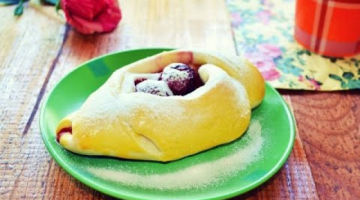
Soft Yeast Buns with Apple Butter–Style Filling (Jam Buns Americans Actually Want to Bake Again)
There are a few kitchen smells that don’t just “smell good” - they reset your whole nervous system. Warm, sweet yeast dough rising under a towel. Melted butter meeting vanilla. And that gentle caramel-fruit note when apple filling warms in the oven and turns glossy at the edges.
These buns are exactly that kind of recipe.
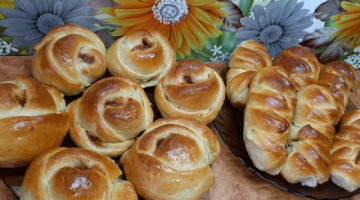
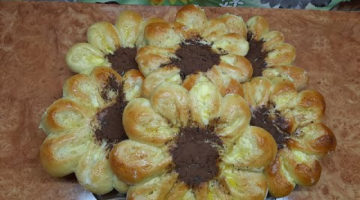
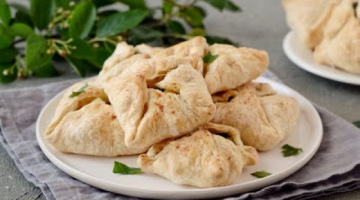
They’re cloud-soft, lightly sweet, and built around a reliable enriched yeast dough (milk + butter + eggs). The crumb is tender and “cottony,” the crust turns shiny and golden, and the shapes can change depending on your mood: classic rounds, braided buns, rose spirals, knot buns - all from one base dough.
And yes: I’m using apple filling here as the north star for sweetness and tartness. But this dough welcomes any thick filling you love - sweetened farmer’s cheese, citrus curd, poppy seed paste, cinnamon-raisin, even chocolate spread (if it’s thick enough not to run away).
If you’ve ever had yeast dough that felt intimidating or unpredictable, keep reading: the “narrow spots” are handled - yeast temperature, sticky dough, proofing in a cool house, filling that leaks, and buns that bake pale.
This is a home recipe. The kind that quietly gathers people at the table without asking permission.
Why These Buns Turn Out So Soft
Perfect softness without being heavy
Milk, butter, and eggs make an enriched dough. That means tenderness, fine crumb, and a gentle chew - not the dry, bready texture that happens when a dough is lean or over-floured.
Flexible shaping
One batch can become 20–24 medium buns, depending on how you portion. The dough is cooperative: it relaxes, stretches, and holds shape well after a short rest.
Filling that fits your pantry
The method is designed around a thick filling. Apple jam works, apple butter works, thick preserves work. If yours is runny, you’ll fix it in five minutes (I’ll show you how).
A dependable process
You’ll see exactly what the dough should look like at each stage. And if your kitchen is cold, you’ll still win.
Ingredients for 20–24 Medium Buns
Below are the original amounts, translated and localized for U.S. kitchens. I’m giving both grams and cup-style measures because serious baking loves precision - but real life loves “cups.”
Dough
-
Warm water (about 95–100°F / 35–37°C): 50 ml (about 3 Tbsp + 1 tsp)
-
Sugar: 1 tsp (for yeast) + 4 Tbsp (for dough)
-
Salt: a pinch (about 1/4 tsp)
-
Warm milk (about 95–100°F / 35–37°C): 250 ml (about 1 cup + 2 Tbsp)
-
All-purpose flour: 650 g (about 5 1/4 cups, spooned and leveled)
-
If you have bread flour, a partial swap gives extra lift (details below)
-
-
Unsalted butter, melted and slightly cooled: 65 g (about 4 1/2 Tbsp)
-
Eggs: 2 large
-
Vanilla sugar: 1 packet (optional)
-
U.S. swap: 1–2 tsp vanilla extract or 1 Tbsp vanilla sugar if you have it
-
Filling
-
Thick apple jam / apple butter / thick preserves: 250–300 g (about 3/4 to 1 cup)
Egg wash
-
Egg yolk: 1
-
Milk: 2 Tbsp
Oven Settings
-
Bake at 350°F (that’s 180°C)
-
About 30 minutes, usually 28–32 depending on your oven
-
Best on conventional bake (top and bottom heat). Convection is fine, but reduce to 325°F and start checking early.
Step 1: Activate the Yeast (If Needed)
If you’re using fresh yeast, activation is essential. If you’re using active dry yeast, I still recommend it. If you’re using instant yeast, you can skip this step and mix it straight into flour.
For fresh yeast
-
Crumble 20 g fresh yeast into a small bowl
-
Add the warm water (95–100°F) and 1 tsp sugar
-
Stir until mostly smooth
-
Let it sit 15–20 minutes in a warm place
You’re looking for foam, bubbles, and a light expansion. It should smell like “bread is about to happen.”
Yeast swaps for U.S. kitchens
-
Active dry yeast: use 2 1/4 tsp (one packet)
-
Instant yeast: use 2 tsp (slightly less is fine)
-
Instant goes into flour; no proofing required, but you can if you like
-
The temperature rule that saves everything
If your liquid is too hot, yeast can be damaged. If it’s too cold, the dough will rise slowly and you’ll think you failed. Aim for warm like baby bottle milk - comfortable, not steamy.
Step 2: Mix the Dough
This dough can be made with a stand mixer or by hand. Both work. The stand mixer just protects your wrists.
1) Build the liquid base
In a large mixing bowl (or mixer bowl), combine:
-
Activated yeast mixture (or yeast if using instant, added later)
-
Warm milk
-
Melted butter (cooled so it’s warm, not hot)
-
Eggs
-
Sugar (the 4 Tbsp)
-
Vanilla (sugar or extract)
-
Salt
Mix until combined. It will look like a sweet, buttery dairy base - because that’s exactly what it is.
2) Add flour in stages
Add about two-thirds of the flour first. Mix until a dough begins to form. Then add the rest gradually.
Here’s the key: flour is not a fixed truth. Humidity, brand, how you measure - it all changes absorption. So you’re not chasing a number. You’re chasing a texture.
3) Finish kneading
Once the dough comes together:
-
If using a mixer: knead with a dough hook about 6–8 minutes
-
If by hand: knead on a lightly oiled surface 3–5 minutes
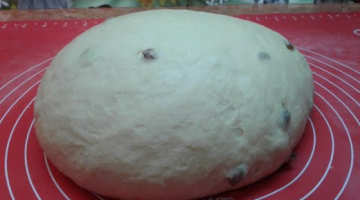
The dough should be soft and slightly tacky, not dry. It may feel a little sticky at first, but it should hold its shape. If you oil your hands, it won’t cling aggressively.
A good mental picture: the dough feels like a warm stress ball - elastic, plush, alive.
Step 3: First Rise (Bulk Proof)
-
Shape the dough into a ball
-
Place in a lightly oiled bowl
-
Cover (plastic wrap or a towel)
-
Let rise in a warm spot 40–60 minutes, until doubled
If your kitchen is cool
Yeast is moody in cold rooms. If your kitchen is under about 75°F, proofing can drag.
Easy fix: place the bowl in an off oven with a mug of hot water on the bottom rack. It becomes a gentle proofing box without any fancy equipment.
The dough should become puffy and “silky-porous.” If you press a finger gently and the indentation slowly rebounds, you’re ready.
Step 4: Portion and Shape
Degas gently
Turn the dough out and press it down softly to release excess gas. Don’t punish it. You’re not trying to make it flat - you’re trying to reset the bubbles so the crumb is even.
Divide
Cut into pieces of 50–60 g each (about a small tangerine). Roll into balls.
Rest the dough balls
Cover and let them rest 10–15 minutes. This matters: resting relaxes gluten. Shaping becomes smooth instead of springy.
Two shaping ideas (both gorgeous)
1) Braided buns (little “plait” buns)
-
Roll a ball into an oval about 1/4 inch thick
-
Cut parallel strips on both sides, leaving a solid center strip uncut
-
Spoon thick apple filling down the center
-
Fold strips across the filling, alternating like a braid
This shape looks like you tried very hard, even if you didn’t.
2) Rose buns
-
Flatten the dough into a small oval
-
Place filling near one edge
-
Roll up like a jelly roll
-
Coil into a spiral and tuck the end underneath
Rose buns bake up dramatic: layers on top, softness inside, and that little swirl that makes people reach for “just one more.”
Arrange on a baking sheet
Line a sheet with parchment. Leave 1–1.5 inches between buns. They expand, and they need breathing space.
Step 5: Second Rise + Egg Wash
Let shaped buns rise 20 minutes. They should look lighter, rounder, gently inflated.
Egg wash for shine
Whisk 1 yolk + 2 Tbsp milk. Brush lightly.
That egg wash is what gives the buns a glossy, sun-gold crust - the kind of finish that makes baked goods look “bakery.”
Step 6: Bake
-
Preheat to 350°F
-
Bake on the middle rack 28–32 minutes
Signs they’re done:
-
Deep golden color (not pale beige)
-
If you tap the bottom, it sounds a little hollow
-
If you use a thermometer, aim for 200–205°F internal temperature in the center bun
Cool on a rack at least 15 minutes before tearing in. I know it’s hard. But steam needs time to redistribute. Cutting too early can make the crumb seem gummy even when it’s fully baked.
8 Mini-Secrets for Buns That Always Win
1) Warm liquids - not hot
Too hot can weaken yeast activity. Too cold slows everything.
2) Flour protein matters
For a tall, airy crumb, flour with moderate protein helps. Most U.S. all-purpose flour works well. If you want extra lift, swap 1–2 cups of the flour with bread flour.
3) Melted butter must cool slightly
If butter is scorching, it can scramble the eggs in the bowl and shock the yeast. Let it cool to warm.
4) Gentle degassing
Aggressive punching can tighten the crumb. You want evenness, not density.
5) Thick filling only
Runny jam leaks, burns, and glues buns to parchment. If yours is thin, simmer it.
Quick thickening trick: warm the jam in a saucepan and stir in 1 tsp cornstarch mixed with 1 tsp water. Cook 1–2 minutes until glossy and thicker. Cool before using.
6) Brush after the second rise
Egg wash applied too early can dry out and crack. Brush right after proofing.
7) Add steam in the oven (optional, powerful)
For the first 10 minutes, place a small heat-safe pan of hot water on the bottom rack. Steam delays crust formation, letting buns rise higher.
8) Cool on a rack
If buns cool on a flat sheet, condensation makes bottoms damp. A rack keeps them proud and soft.
Filling and Topping Ideas (So You Can Make This Recipe a Hundred Times)
Farmer’s cheese filling (less sweet, more creamy)
Mix:
-
200 g farmer’s cheese or well-drained ricotta
-
1 egg
-
2 Tbsp sugar
-
Pinch of salt
-
Vanilla
This makes buns feel almost like breakfast pastries - lightly sweet, creamy, satisfying.
Citrus curd
Thick lemon or orange curd turns these into bright, fragrant buns with a little tang. Use it when you want something that tastes like sunshine.
Poppy seed + nuts
Soak poppy seeds, grind, then mix with honey and chopped hazelnuts or walnuts. Deep flavor, faint caramel notes, and that classic Eastern European warmth.
Cinnamon + brown sugar
Mix:
-
3 Tbsp brown sugar
-
2 tsp cinnamon
Add raisins if you want.
That turns the buns into a comfort-food cousin of cinnamon rolls, but lighter and more snackable.
Toppings
-
Chopped pistachios
-
Sliced almonds
-
Pearl sugar
-
Powdered sugar (after baking)
Use toppings like punctuation. Not mandatory. But sometimes you want the sentence to end with an exclamation point.
Serving Ideas (Because These Buns Have Range)
Breakfast
Warm bun + coffee + yogurt. If you’re into pour-over, this is a perfect pairing - clean coffee against buttery dough.
After-school snack
Warm milk with a little honey and a rose bun. It’s sweet, yes, but not heavy. It feels like a real snack, not a sugar bomb.
Tea table / brunch
Arrange braided buns on a wooden board, dust with powdered sugar, and suddenly your kitchen looks like a place where people linger.
Storage and Freezing
Room temperature
Best within 24 hours in a paper bag or loosely wrapped. Plastic traps moisture and softens the crust too much.
Refrigerator
Up to 4 days. Rewarm at 320°F for about 3–5 minutes. They come back to life.
Freezing
Freeze completely cooled buns in a freezer bag up to 2 months.
To reheat:
-
Thaw at room temp about 1 hour
-
Warm at 340°F for 5 minutes
Frequently Asked Questions
Can I use instant yeast?
Yes. Add it directly to the flour. The rise may even be faster.
Why is my dough sticky?
Two common reasons:
-
Your flour absorbs less than expected (measurement differences happen). Add flour in small amounts, but don’t overdo it.
-
The dough needs a rest. Let it sit 10 minutes - gluten hydrates and the dough becomes less sticky without extra flour.
My buns look pale. What went wrong?
Ovens lie. Preheat thoroughly and, if you can, verify temperature with an oven thermometer. Also: egg wash matters for color.
Can I swap butter for oil?
You can, but flavor and texture change. Butter gives richness and that bakery aroma. If you use oil, the crumb can be slightly more open and less “creamy.” If you want, add a small splash of good olive oil for aroma - but keep it subtle.
Approximate Nutrition (Per 1 Bun, if you make 22)
-
Calories: ~178
-
Protein: ~4.4 g
-
Fat: ~5.2 g
-
Carbs: ~28.3 g
These are estimates and will shift depending on flour, milk fat, and how generous you are with filling.
A Short Kitchen Story: From Old-World Yeast Buns to Your Sheet Pan
Yeast buns have traveled through generations like a quiet family tradition. Long before anyone called them “pastries,” they were simply a way to turn flour, milk, eggs, and time into something that felt like care.
In many Eastern European kitchens, enriched dough buns were a sign of hospitality. Not everyday bread - but something softer, sweeter, meant for sharing. The filling mattered too: poppy seed when you wanted depth, fruit preserves when you wanted brightness, sweetened cheese when you wanted comfort.
This recipe stays loyal to that idea: classic proportions, no drama, plenty of room for your own version. The dough is the base melody. The filling is where you improvise.
Final Thoughts: Why This Recipe Feels Like Home
Soft yeast buns aren’t just baking. They’re pacing.
You mix warm dough and the kitchen slows down. While it rises, you set the oven, tidy the counter, maybe talk about weekend plans, maybe just stand there and enjoy the quiet. Then the oven does its work, the smell spreads, and the house feels warmer than the thermostat says it is.
Bake them once, and you’ll understand why people return to recipes like this. Not because they’re fancy. Because they’re reliable. Because they’re generous. Because they turn ordinary ingredients into something that makes everyone wander into the kitchen “just to check,” and somehow stay.
If you make these buns, don’t rush the rise, don’t drown the dough in flour, and don’t be afraid to choose your own filling. That’s the point. The dough holds the structure. Your choices give it personality.
Enjoy your baking - and may your kitchen always feel warm.