A big, home-style guide from 7 Strav
“Warm bread doesn’t smell like yeast alone - it carries a quiet memory of home.”
A rainy-morning story (and why these buns always feel like a good idea)
Picture a rainy Sunday morning: tap-tap-tap on the windowsill, a kettle sighing somewhere in the background, and a small saucepan warming milk on the stove. Nothing dramatic. No big celebration. And yet… this is exactly the kind of morning when baking turns into a small rescue mission.
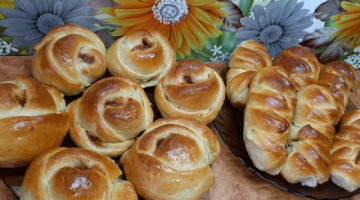
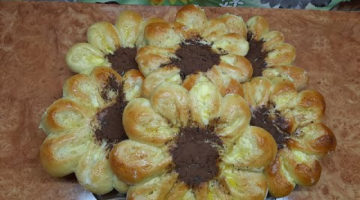
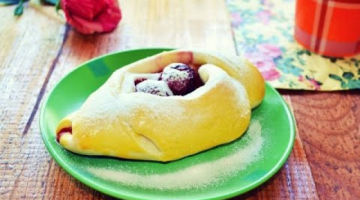
These buns look simple at first glance, but they have that rare superpower: they gather people. The shape is the reason we call them “daisies.” Pale, tender “petals” of enriched yeast dough open up around a golden center, and inside - a soft, lightly sweet farmer-cheese filling that stays creamy instead of dry. Each bun is like a little sun that decided to show up even when the sky didn’t.
This is a proven, repeatable method - no complicated tricks, no chef theatrics. Just a logical sequence and a few small details that protect you from common yeast-dough drama. If you’ve ever had dough that didn’t rise, buns that turned out heavy, or filling that leaked everywhere, you’re in the right place.
Why this recipe works (even if you don’t bake often)
The “secret” is not one secret. It’s a chain of small correct choices.
Warm liquid at the right temperature
Milk and water are warmed to about 95–99°F (35–37°C) - a comfortable range for yeast. Too cool and yeast naps. Too hot and yeast… well, yeast doesn’t come back.
A quick sponge (starter) for stability
A short fermentation at the beginning builds confidence: the yeast wakes up evenly, the dough becomes more aromatic, and you’re less likely to get that sharp, “yeasty” aftertaste.
Balanced enrichment
Egg + oil make the crumb elastic and soft, but not cake-like. The crust stays thin and gently crisp instead of thick and tough.
Two rises, two chances to get airy buns
First rise develops structure. Second rise (after shaping) makes the buns truly fluffy and helps them hold their “daisy” form in the oven.
What Americans should know about “tvorog” (and the best local substitutes)
The filling in the original version uses творожная масса - a sweetened curd cheese mixture. In the U.S., the closest options are:
-
Farmer cheese (best match in texture and flavor)
-
Dry curd cottage cheese (great, but you’ll want to blend it smoother)
-
Ricotta (works, but it’s wetter; you may need to drain it)
-
Cream cheese + cottage cheese combo (surprisingly close when whipped)
If your filling is too wet, it can leak. If it’s too dry, it can taste chalky. We’ll keep it creamy and stable.
Ingredients (makes 10–12 medium buns)
For the dough
-
Warm milk - 150 ml (about 2/3 cup)
-
Warm water - 100 ml (about scant 1/2 cup)
-
Egg - 1 large
-
Neutral oil (canola, sunflower, avocado) - 50 ml (about 3 1/2 Tbsp)
-
Sugar - 2 to 4 Tbsp (adjust to taste)
-
Fine salt - 1 tsp
-
Fresh yeast - 15 g
-
Substitute: active dry yeast ~ 5 g (about 1 1/2 tsp)
-
Or instant yeast ~ 4 g (about 1 1/4 tsp)
-
-
All-purpose flour - about 450 g (roughly 3 1/2 to 3 3/4 cups, depending on your flour and humidity)
-
Vanilla sugar or vanilla extract - to taste
-
If using extract: 1 to 1 1/2 tsp
-
For hands and bowl: 1 tsp oil (extra)
For the filling
-
Farmer cheese or thick curd/cottage cheese - 250 g (about 9 oz)
-
If using ricotta: drain 20–30 minutes
-
-
Sugar - 2 to 3 Tbsp (optional, adjust to your filling)
-
Vanilla - a pinch or 1/2 tsp extract
-
Optional: 1–2 Tbsp sour cream or Greek yogurt (only if the cheese is too dry)
For the egg wash
-
Egg yolk - 1
-
Milk - 2 Tbsp
For the “sunny center” topping (choose one)
-
Cocoa powder (classic)
-
Mini chocolate chips or finely grated chocolate
-
Poppy seeds
-
Cinnamon sugar
-
Toasted sesame (unexpected, but good if you go less sweet)
Equipment that helps (but you can do without most of it)
-
Mixing bowl (or stand mixer)
-
Whisk + spatula
-
Baking sheet + parchment paper
-
Sharp knife (for the “petals”)
-
Pastry brush (or a clean spoon, honestly)
-
Kitchen towel or plastic wrap
Step 1: The sponge - yeast magic in 15 minutes
-
In a mixing bowl, combine the warm milk and warm water.
You want it pleasantly warm to the touch - not hot. Think “baby bath,” not “tea.” -
Add 1 Tbsp sugar and 3 Tbsp flour. Whisk until smooth.
-
Crumble in the fresh yeast (or sprinkle in dry yeast). Whisk again until it looks like a creamy beige batter.
-
Cover the bowl and let it sit in a warm place for about 15 minutes.
You’re waiting for a puffy, foamy cap on top - the sign that the yeast is alive and enthusiastic.
If your kitchen is cold: place the bowl in an off oven with the light on, or set a mug of hot water nearby to create a cozy microclimate.
Step 2: Mix the dough - gentle hands, real patience
-
To the active sponge, add:
-
remaining sugar
-
salt
-
egg
-
vanilla (sugar or extract)
Mix until smooth.
-
-
Add flour gradually. Don’t dump it all at once.
Flour behaves differently in every kitchen, and your goal is a dough that’s soft, elastic, and only slightly tacky. -
Knead for 8–10 minutes.
At first, it may cling and look messy. Then it starts pulling together. Keep going. This is where your future fluffiness is being built. -
Add the oil in a thin stream while kneading.
For a minute, the dough may look like it’s falling apart - slippery, stubborn, glossy in a suspicious way. Keep kneading. After a couple more minutes, it becomes smooth, satin-like, and springy. -
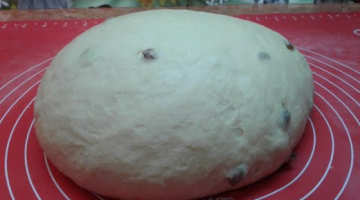
Shape into a ball. Place in a lightly oiled bowl, cover, and let rise for about 60 minutes, or until doubled.
Quick readiness test: press your finger gently into the dough.
If the dent springs back slowly, you’re ready. If it snaps back instantly, it needs more time.
Step 3: Make the filling - creamy, not runny
In a bowl, mash or blend your cheese until smooth.
If using farmer cheese or dry curd cottage cheese:
-
Mash well with a fork, then stir in sugar and vanilla.
-
If it’s too dry, add 1 Tbsp sour cream or Greek yogurt.
If using regular cottage cheese:
-
Blend quickly (just a few pulses) so it becomes creamy.
-
Drain any excess liquid if it looks wet.
If using ricotta:
-
Drain it first in a fine mesh strainer (20–30 minutes).
-
Then mix with sugar and vanilla.
Goal texture: thick, spoonable, holds shape.
If you can mound it on a spoon and it doesn’t slump immediately - perfect.
Step 4: Shape the “daisies”
4.1 Divide the dough
Punch down the risen dough gently. Turn it onto a lightly floured surface.
Roll into a log and cut into 10–12 pieces (about 70 g each if you’re weighing).
4.2 Make balls and let them relax
Roll each piece into a smooth ball, seam underneath.
Let them rest 5 minutes - this is not laziness; it’s strategy. The gluten relaxes, and shaping becomes easier.
4.3 Fill the center
Flatten a ball into a round disk about 1/4 to 1/3 inch thick.
Place 1 heaping teaspoon of filling in the center.
Bring edges up, pinch to seal (like a little dumpling). Turn seam-side down.
Now gently flatten again - just enough to widen the bun, not enough to crush it.
4.4 Create the “petals”
With a sharp knife, make 6–8 cuts around the bun, stopping about 1/2 inch from the center.
You want “petals” that can open without detaching.
Then, gently turn each petal so the cut side faces upward. Press lightly to show the layered pattern.
Place buns on a parchment-lined baking sheet with space between them.
4.5 Second rise
Cover with a light towel and let rise 20 minutes.
They’ll puff and look more alive - like they’re inhaling before the oven.
Step 5: Egg wash, center topping, and baking
-
Preheat your oven to 350°F (180°C).
-
Mix yolk + milk. Brush over the buns gently.
-
Sprinkle your chosen topping into the center:
-
cocoa for a classic look
-
chocolate for a richer bite
-
poppy seeds for bakery vibes
-
-
Bake 20–25 minutes, until golden.
Every oven is moody. Start checking around minute 18.
Doneness check: tap the bottom of a bun.
It should sound slightly hollow - a soft “thump,” not a dull “squish.”
Let cool 10–15 minutes before eating. If you bite too soon, the filling is molten-soft and the crumb hasn’t finished setting. Patience pays here.
The quiet science behind the comfort
Yeast isn’t just “a powder that makes dough rise.” It’s a living culture that eats sugars and releases carbon dioxide. That gas gets trapped in the gluten network, expanding it into airy pockets - the future crumb.
Milk contributes proteins and natural sugars that brown beautifully in the oven, helping you get that golden, bakery-style finish. Egg yolk contains lecithin - a natural emulsifier - which helps fat and water cooperate, keeping the crumb tender instead of crumbly. Oil slows moisture loss, so these buns stay soft longer without any artificial help.
That’s the core idea: structure plus moisture management. Cozy, but not accidental.
Variations (because a bun is a blank canvas)
Citrus twist
Add 1 Tbsp orange zest to the dough.
It makes the whole kitchen smell like someone is doing well in life.
Holiday filling
Add 1 tsp rum extract or a tiny splash of almond flavoring to the cheese filling.
Suddenly it tastes like a special occasion.
Richer dough
Swap the oil for melted butter (same amount).
Flavor gets deeper, texture gets more “brioche-adjacent.”
Chocolate center
Mix into the filling:
-
2 tsp cocoa
-
1–2 Tbsp sugar (to balance bitterness)
-
a spoonful of cream cheese if needed
Poppy seed classic
Use prepared poppy seed filling (common in Eastern European baking).
It’s bold, nutty, and surprisingly grown-up.
How to serve them (and make them feel like a moment)
These buns don’t need complicated plating. They need a pause.
-
Morning: coffee with a splash of milk, jam on the side, one warm bun broken open by hand.
-
Afternoon: hot cocoa, a handful of nuts, and a bun that’s warm but not scorching.
-
Gathering table: dust lightly with powdered sugar, set out a small bowl of honey or sweetened condensed milk for dipping.
They’re “friendly food.” People reach for them without thinking too hard.
Storage and reheating (so they stay good, not sad)
Room temperature
Store in an airtight bag or container for up to 2 days.
The key is protecting moisture.
Freezing
Freeze up to 1 month:
-
Cool completely.
-
Wrap each bun in parchment or plastic wrap.
-
Place in a freezer bag.
To reheat from frozen: bake at 320°F (160°C) for about 12–15 minutes.
Refresh trick
If they feel slightly dry:
-
mist with a tiny bit of water (or dampen your hands and pat the surface)
-
warm at 300–320°F for 5–7 minutes
The crust perks up, the inside softens again.
Nutrition (approximate, per 1 bun ~75 g)
Numbers vary based on your filling and sugar level, but a typical bun lands around:
-
Calories: ~230–260
-
Protein: ~7 g
-
Fat: ~6–8 g
-
Carbs: ~34–40 g
The cheese adds calcium and protein, which is nice - but let’s be honest: this is still a sweet bun. The point is comfort and energy, not pretending it’s a salad.
Troubleshooting (FAQ that actually helps)
Can I use dry yeast instead of fresh?
Yes. Use about 1/3 the weight:
-
15 g fresh yeast ≈ 5 g active dry (about 1 1/2 tsp)
If using active dry, it benefits from being mixed into the warm liquid like we do in the sponge.
My dough is sticky - did I mess it up?
Probably not. Sticky dough often just needs:
-
more kneading (gluten hasn’t developed yet), or
-
a short rest (5–10 minutes) to let flour hydrate fully
Add flour carefully. Too much flour is how buns become heavy.
The filling leaked out
Most common reasons:
-
filling was too wet
-
seams weren’t pinched well
-
buns were overfilled
Fix: thicken the filling (drain ricotta/cottage cheese), use a smaller spoonful, pinch firmly.
My buns browned too fast
Ovens vary a lot.
If they’re getting dark early, lower to 340°F (170°C) and bake a bit longer. You can also place the baking sheet one rack lower.
They turned out dense
Usually one of these:
-
yeast was old/inactive
-
liquids were too hot (yeast weakened)
-
dough didn’t rise enough
-
too much flour added during kneading
Dense buns aren’t “bad,” but they’re not the airy daisy we want. Next time: trust the rise, be patient, and keep the dough soft.
A small historical note (because food always has roots)
Flower-shaped baked goods show up across many European traditions - not because bakers were bored, but because shapes carried meaning. Flowers symbolized warmth, hospitality, and good intentions. The “daisy” specifically feels like a quiet, domestic emblem: simple, bright, and stubbornly cheerful.
You don’t need to know history to enjoy these buns - but it’s nice to realize you’re repeating a gesture that’s older than your kitchen timer.
Final words
A bun like this is not just flour and yeast. It’s a small, edible pause. You make the dough, you wait, you shape little petals with a knife, and at some point the kitchen smells like safety.
Bake them once and you’ll understand why people keep repeating this kind of recipe for years. Not because it’s trendy. Because it works - and because it turns an ordinary day into something a little warmer.