Soviet-Style “9-Kopeck” Buns (Sweet, Glossy, Dark-Crust Milk Rolls) - A Home Baker’s Time Machine
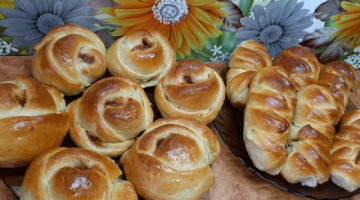
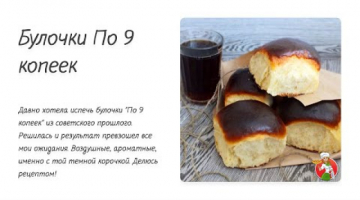
I’d been wanting to bake the famous “9-kopeck” buns from the Soviet past for ages. I finally did it-and the result went way beyond what I expected. Light as air, deeply aromatic, and yes: that unmistakable dark, tea-colored crust with a shiny top that looks like it’s been polished. I’m sharing the recipe exactly the way it needs to be made, because these buns don’t forgive chaos. Follow the proportions, respect the timing, and you’ll get the real thing.
If you grew up anywhere near the late USSR food culture, you know the vibe. You crack the oven door open and the kitchen fills with a warm, sweet cloud-vanilla, butter, milk, and wheat-like the air itself has turned into dessert. In my memory it’s tied to a school cafeteria line: a bun in one hand, a carton of milk in the other, and a feeling that the world is briefly, strangely safe.
For American readers: a “kopeck” was a small coin, like a penny. “Nine kopecks” was a tiny price for something that felt like a treat. These buns were a standard, mass-produced comfort food-simple, consistent, and oddly iconic. Think of them as the cousin of a soft milk roll, but with a deeper caramelized crust and a signature glossy finish that makes them instantly recognizable.
You can recreate that magic at home-nearly word for word, almost to the letter-if you understand what makes these buns special and why each step matters.
What Makes “9-Kopeck” Buns Different
Most sweet yeast buns are soft, pale-golden, and gently glossy. These are different.
Their “calling card” is the darker crust. It isn’t burnt and it isn’t bitter. It’s a rich caramel tone-like strong black tea or dark honey-thin but resilient, with a shine that looks almost like lacquer. That crust comes from two things working together:
-
A higher sugar ratio than you might be used to in yeast dough.
-
An egg-and-milk glaze applied right before baking.
Sugar does more than sweeten. It feeds yeast (up to a point), it helps the crumb become delicate, and it also intensifies browning through caramelization and the Maillard reaction-those complex heat-driven changes that turn simple dough into a bakery aroma factory. Milk adds lactose (a milk sugar that browns readily), and egg proteins set into a thin glossy film that catches the light.
The result is a bun that tastes nostalgic even if you’ve never had it before: soft, fluffy interior; creamy vanilla-butter aroma; and a crust that whispers “bakery” in a deeper voice.
A Quick Note on “Research” and Accuracy (Without Overcomplicating It)
Home baking doesn’t need laboratory jargon, but it does reward understanding.
-
Sugar helps browning and tenderness, but too much can slow yeast down because it pulls water away from fermentation. This recipe sits near the upper edge of “sweet dough” while still rising well-especially because it uses a pre-ferment (sponge) that builds strength and flavor in advance.
-
Milk contributes to faster browning, which is why we use a measured amount. Too much milk and the crust can darken before the center bakes through.
-
A long sponge (opara) develops a more complex aroma-less “raw yeast,” more “real bakery.”
That’s the logic. Now let’s bake.
Ingredients for 9 Buns (Big, Bakery-Style)
This recipe makes 9 buns. They’re generous-more like “one bun is a snack” than “three buns are a snack.”
Core Ingredients (Dough)
-
All-purpose flour: 450–500 g (about 3 1/2 to 4 cups, depending on how you measure)
-
200 g goes into the sponge
-
300 g goes into the final dough
-
-
Fresh yeast: 14 g, divided
-
7 g into the sponge
-
7 g into the final dough
If using active dry yeast or instant yeast: see the substitution section below.
-
-
Granulated sugar: 130 g (about 2/3 cup)
-
Milk: 75 ml (about 5 tablespoons)
-
Water: 135 ml (about 1/2 cup + 1 tablespoon)
-
65 ml into the sponge
-
70 ml into the final dough
-
-
Unsalted butter: 75 g (about 5 tablespoons, softened)
-
Salt: 5 g (about 1 teaspoon)
-
Eggs: 2 large eggs
-
Vanillin / vanilla: to taste
-
For the U.S.: use vanilla extract (recommended) or vanilla sugar if you have it.
-
For the Classic Glossy Top (Glaze)
-
The reserved egg portion (details below)
-
3 tablespoons milk
Tools That Help (Not Mandatory, But You’ll Thank Yourself)
-
Kitchen scale (highly recommended for flour and sugar)
-
Mixing bowl + whisk
-
Baking sheet
-
Parchment paper
-
Pastry brush
-
Cooling rack
-
Clean kitchen towel or plastic wrap
The Signature Texture: Why We Use a Sponge (Opara)
These buns are not just “mix and bake.” The sponge is a quiet four-hour investment that pays back in aroma, structure, and tenderness.
A dense sponge slows fermentation down so yeast works deeper, developing more flavor compounds, rather than racing upward fast and leaving the dough smelling too yeasty or tasting flat. Think of it like letting a good story build instead of jumping straight to the ending.
Step 1 - Make the Sponge (4 Hours of Patience)
In a bowl, combine:
-
200 g flour
-
7 g fresh yeast
-
65 ml warm water (comfortably warm, not hot)
-
75 ml milk (also warm)
Mix it into a firm dough ball. It will feel tight and dense-that’s correct. Shape it into a round, then make a cross-shaped slash on top with a knife.
Cover the bowl with plastic wrap (or cover the dough itself), then wrap with a towel to keep it cozy. Let it rest 4 hours at about 72–75°F (22–24°C).
What you’re looking for:
The sponge won’t balloon like a wet batter starter. It will expand, soften inside, and develop a more pronounced aroma. When you cut into it later, it should look aerated and alive.
Step 2 - Make the Yeast “Syrup”
In a large mixing bowl (the bowl you’ll use for the final dough), dissolve:
-
7 g fresh yeast
-
130 g sugar
-
5 g salt
-
70 ml warm water
Whisk until the mixture looks like a cloudy syrup. You may see light foaming-that’s a good sign. Give it a few minutes while you prepare the next step.
This syrup is part chemistry, part tradition: sugar and warm water wake the yeast up, but the salt keeps the dough from tasting flat.
Step 3 - Combine Everything into the Final Dough
Now bring it all together:
-
Add the sponge to the bowl with the yeast syrup.
-
Lightly beat one egg, then measure roughly 65 g of it and add to the dough.
-
You’ll have about 35 g left (a couple tablespoons). Save that for the glaze.
-
-
Add vanilla:
-
1 to 2 teaspoons vanilla extract, to taste (start with 1 tsp if you prefer subtle).
-
-
Add the remaining 300 g flour gradually.
Important: do not over-flour
This dough should be soft and slightly tacky, not dry. It should stretch, and it may cling to your hand with a gentle “kiss.” If it sticks aggressively like glue, give it time-gluten organizes as it rests.
Once the flour is mostly incorporated, add:
-
75 g softened butter
Knead for 10 minutes until the dough becomes smooth and elastic.
The dough’s personality
At first it may feel slippery and sticky. Don’t panic. This is a rich dough: sugar, butter, and egg change the texture. After 10 minutes of kneading and a short rest, it becomes manageable and beautifully stretchy.
Step 4 - First Rise (About 2 Hours)
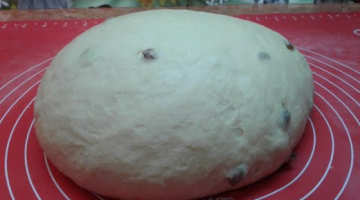
Cover the bowl and let the dough rise until it increases about 2.5 times.
A good test: press a finger gently into the dough.
-
If the indent stays but slowly begins to level out, it’s ready.
-
If it springs back quickly, it needs more time.
-
If it collapses and doesn’t recover, it went too far (still usable, but handle gently).
Warm, draft-free spots help. In a typical American kitchen, a turned-off oven with the light on often creates the perfect gentle warmth.
Step 5 - Divide into 9 Pieces and Shape
Turn the dough onto a lightly floured surface (use flour sparingly). Divide into 9 equal pieces-each around 120–125 g.
Shape each piece into a smooth ball:
-
Pull edges toward the center
-
Pinch to seal
-
Flip seam-side down
-
Roll gently to create surface tension
That tension is what gives buns their clean “dome” shape instead of spreading sideways.
Step 6 - Proofing (The Final Rise)
Line a baking sheet with parchment.
Place the buns close together, with about 1/2 inch (1 cm) between them. This is intentional. These buns should rise and lightly touch, forming soft sides like they grew up together.
Cover with a towel and let proof for 60 minutes in a draft-free spot.
They should look puffy, alive, and soft-not fragile, but clearly expanded.
Step 7 - The Egg-and-Milk Gloss (Do This Gently)
Mix:
-
The reserved egg portion (about 2 tablespoons)
-
3 tablespoons milk
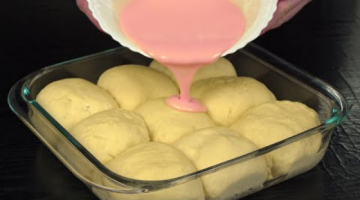
Brush the buns with a thin, even layer. Don’t press hard. You want to keep the bubbles underneath intact-those bubbles become the tender crumb you’re chasing.
This glaze is the “makeup” step, but it’s not just for looks. It helps the surface brown evenly and creates that signature shine.
Step 8 - Bake
Preheat oven to 400°F (200°C) with a conventional top/bottom heat setting if you have it.
Bake for 25 minutes.
One rule:
Don’t open the oven for the first half of baking.
The dough releases steam. That steam keeps the crust from setting too soon and allows the buns to expand fully. Open the door early and you risk a thick, dull crust and less volume.
Around minute 20 the buns usually look amber. The final 5 minutes deepen the crust into that classic darker caramel tone.
Step 9 - Cool and Serve (Yes, Cooling Matters)
Move the buns to a cooling rack immediately. A rack prevents steam from softening the crust underneath.
After about 15 minutes, they’ll still be warm but not dangerous. That’s the ideal moment: the crust is set, the aroma is strongest, and the crumb is still cloud-soft.
Best serving ideas (U.S.-friendly)
-
Cold milk, obviously.
-
Strong coffee (drip, French press, espresso-whatever you like).
-
Hot cocoa if you want the full childhood mood.
Storage tip (simple and surprisingly effective)
If you’re keeping them for more than a day: once fully cool, place them in a food-safe bag or airtight container. If you want to reduce moisture buildup, add a single sugar cube or a teaspoon of dry sugar wrapped in a small piece of paper towel. It helps moderate humidity so the buns stay soft without turning damp.
Why the Crust Gets So Dark (And Why That’s the Goal)
Let’s put it plainly: this crust is designed to brown.
-
More sugar means more caramel notes.
-
Milk contributes lactose, which browns readily.
-
Egg proteins set into a shiny surface film.
-
Heat turns those ingredients into color and aroma.
If your buns come out pale, one of these usually happened:
-
You reduced sugar too much.
-
Your oven runs cool.
-
You skipped or under-applied the glaze.
-
You used too much milk (ironically, too much can sometimes brown unevenly and force you to pull them early).
Frequently Asked Questions
Can I use dry yeast instead of fresh?
Yes. Use about 1/3 the weight of fresh yeast.
-
14 g fresh yeast ≈ 5 g dry yeast
That’s roughly 1 1/2 teaspoons (depending on brand and granule density).
If using active dry yeast, dissolve it in warm water with a pinch of sugar and wait until foamy. If using instant yeast, you can mix it directly, but since this recipe uses a syrup step, either works fine.
Why is the sponge so firm?
Because low hydration slows fermentation and forces yeast to work “inward,” building flavor rather than just inflating quickly. A firm sponge also holds warmth better and is easier to handle.
Can I reduce the sugar?
You can, but it changes the bun.
-
If you drop to 100 g, you’ll still get a good result, but the crust will be lighter and the flavor less caramel-forward.
-
Below 80 g, you’re no longer making the classic bun. It becomes a different, more ordinary roll.
What can replace butter?
You can use margarine, but the aroma and aftertaste won’t be the same. Butter is part of the identity here. If you must substitute, pick a high-fat margarine with minimal water content.
My dough feels sticky. Should I add more flour?
Not immediately. Give it:
-
10 minutes of kneading
-
a 10–15 minute rest
Often the dough transforms as gluten aligns. Over-flouring is the fastest way to lose the signature softness.
Variations (Still Respecting the Original Spirit)
These buns are iconic because they’re simple. Still, small variations can feel authentic because versions did exist.
Raisins or Citrus Zest
Add:
-
70 g raisins, rinsed and dried
or -
1 teaspoon orange zest
Add them near the end of kneading, after the butter is incorporated.
“Nut Code” (Subtle Almond Note)
Replace 30 g flour with finely ground almonds. The crumb becomes slightly richer and the aroma shifts toward marzipan-quiet but noticeable.
Coffee Finish (Mild Mocha Shine)
If you want a modern twist: brush hot buns lightly with a thin syrup made from:
-
2 tablespoons sugar
-
1 teaspoon instant coffee
-
2 tablespoons hot water
It won’t replace the egg glaze-think of it as a final whisper on top.
Nutrition (Approximate)
Nutrition depends on flour brand, egg size, and exact portioning. But for a general reference, these buns are similar to rich sweet bread.
Approximate per 100 g:
-
Calories: ~300 kcal
-
Protein: ~8 g
-
Fat: ~8 g
-
Carbs: ~45 g
Treat this as a ballpark number, not a medical label.
Troubleshooting: If Something Goes Off, Here’s Where to Look
Buns are dense
Most common causes:
-
Dough was over-floured.
-
Rise time was cut short (especially the first rise).
-
Yeast was old or water was too hot and damaged it.
-
Dough was handled too roughly after proofing (you knocked out too much gas).
Crust is too dark, too fast
-
Oven runs hot (many do). Try 375°F (190°C) next time and bake a bit longer.
-
Too much glaze pooled at the base (brush thinner).
-
Buns placed too close to the top heating element.
Crust is pale and dull
-
Not enough glaze or uneven glazing.
-
Sugar reduced.
-
Oven not fully preheated.
-
Underbaked (these buns can look “done” before their crust develops).
Freezing and Reheating (They Handle It Beautifully)
Once fully cool:
-
Wrap buns tightly (plastic wrap or freezer bag).
-
Freeze.
To reheat:
-
Bake at 320°F (160°C) for about 8 minutes, still wrapped loosely in foil if you want to protect the crust from over-darkening.
They come back shockingly close to fresh.
The Ending That Matters: A Bun Instead of a Time Machine
Listen closely while they cool. That faint crackle is the crust settling-steam escaping, caramel setting, the surface tightening into that classic glossy shell.
Break one open from the side. The crumb should pull apart in soft strands, releasing warm vanilla air. Eat it slowly. Or don’t-these buns have a way of disappearing fast.
Nine kopecks is long gone, and the world that priced comfort that way is gone too. But the simplest pleasures survive history better than most things. Bake them, share them, keep the recipe alive in your kitchen. Let that dark, shiny crust wink at you through the oven glass like it knows a secret you’ve finally remembered.