Secret Dough for Christmas Kolach, Star Bread, and Soft Buns (American-Kitchen Friendly)
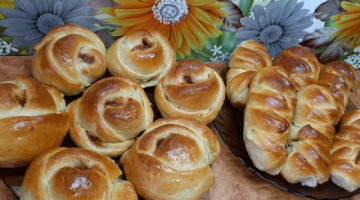
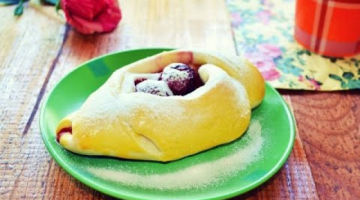
There are dough recipes you bake once, and then quietly adopt for life. This is one of them: soft, fragrant, forgiving, and flexible enough to become a braided Christmas kolach, a dramatic “star” bread, or a tray of glossy sweet buns for breakfast.
If you’ve ever told yourself, “Yeast is scary,” I want you to hear this clearly: this dough is built for normal people in real kitchens. No professional mixer required. No rare ingredients. And yes-if your hands end up a little sticky at the kneading stage, that’s not a failure. That’s often the difference between a tender, fluffy crumb and a dry, tight one.
Below you’ll get a fully localized, step-by-step guide for U.S. home bakers: measurements you can actually use, the temperature ranges that matter, what the dough should feel like, and how to shape it three different ways without stressing out.
Why this dough works (even if you’re nervous about yeast)
This is a rich, sweet yeast dough. It has eggs for structure, sugar for flavor and tenderness, and fat (margarine or butter plus oil) that keeps the crumb soft longer. Fat coats gluten strands and helps slow staling, which is why your kolach still tastes good the next day instead of turning into a brick.
Another “quiet helper” here is the whipped egg whites. Folding them in gives the dough extra trapped air early on-like a head start-so it rises more evenly and bakes up lighter.
And instead of relying on the clock, you’ll use a simple readiness check during proofing: the poke test. It’s the easiest way to stop guessing.
Ingredients (U.S. measurements + weight options)
This makes one large kolach/star bread or about 12–16 medium buns, depending on size.
For the sponge (starter)
-
Warm milk: 1 1/4 cups (300 ml), warmed to 105–115°F
-
Dry yeast: 1 tablespoon (about 9–10 g)
-
Granulated sugar: 3 tablespoons (taken from the total sugar)
-
All-purpose flour: 1 cup (about 120 g)
Yeast likes warmth, not heat. If the milk is too hot, you can weaken or kill yeast; if it’s too cool, it may not wake up properly. That 105–115°F window is the sweet spot for dry yeast.
For the dough
-
Granulated sugar (total): 1 cup (about 200 g), minus the 3 tbsp used above
-
Eggs: 4 large eggs, separated (you’ll use yolks + whipped whites)
-
Egg wash: 1 egg yolk (save 1 yolk from a separate egg, or use one of the yolks and replace with 1 whole egg in the dough)
-
Vanilla sugar: 1 packet (8–10 g) or 2 teaspoons vanilla extract
-
Salt: a pinch (about 1/4 teaspoon)
-
Margarine: 7 tablespoons (100 g), melted and cooled until warm-not hot
-
Option: unsalted butter works beautifully too
-
-
Neutral oil (sunflower/canola/vegetable): 1/3 cup (80 g)
-
All-purpose flour: 5 3/4 to 8 cups (about 700–950 g)
-
The range is real. Flour needs vary with egg size, humidity, and how you measure.
-
-
Raisins (optional): 1/3 to 3/4 cup (50–120 g), rinsed and dried
-
Topping (optional): sesame seeds or poppy seeds
Optional holiday spice
-
Cinnamon: 1/2 teaspoon (or just a pinch if you want it subtle)
Equipment you’ll want
-
Large mixing bowl
-
Whisk or hand mixer (helpful for whites, but you can whisk by hand)
-
Baking sheet + parchment paper
-
Clean kitchen towel
-
Instant-read thermometer (nice, not mandatory-your finger can be your backup)
Step 1: Make the sponge (the “foundation”)
Warm the milk to 105–115°F. If you don’t have a thermometer, it should feel like warm bath water: comfortably warm, not hot.
In a bowl, combine:
-
warm milk
-
dry yeast
-
3 tablespoons sugar
-
1 cup flour
Stir until smooth-no dry pockets. Cover the bowl and set it in a warm spot for 30 minutes.
What you’re looking for: the sponge should rise into a puffy cap and smell pleasantly yeasty-sweet. If after 30 minutes it looks flat and lifeless, your yeast may be old or the milk was too hot or too cold. In that case, it’s smarter to start over now than to waste all the eggs and flour later.
Step 2: Make the yolk-sugar mixture
While the sponge rises, separate your eggs.
Put 4 yolks into a bowl. Add:
-
remaining sugar
-
vanilla sugar (or vanilla extract)
-
optional cinnamon
Beat or vigorously stir for 2–3 minutes, until the mixture lightens in color and looks creamy.
This step does two things: it dissolves sugar more thoroughly, and it helps distribute flavor evenly through the dough.
Step 3: Whip the egg whites to soft “clouds”
Put the 4 egg whites into a clean bowl. Add a pinch of salt. Whip to stiff peaks: when you lift the whisk, the peaks stand up and hold.
This isn’t just for show. Whipped whites can help the dough feel lighter and more elastic early on, especially in enriched doughs that include fat and sugar.
Step 4: Combine everything in the right order
Now return to the risen sponge.
-
Add the yolk-sugar mixture to the sponge. Mix well until smooth.
-
Gently fold in the whipped whites. Use a spatula and fold from the bottom up so you don’t crush all the air.
-
Add melted margarine (or butter)-make sure it’s warm, not hot.
-
Add the oil and mix again.
Fat affects gluten behavior and tenderness. In rich doughs, it’s normal that the dough feels soft and slightly sticky-it’s part of what gives you that plush crumb later.
Step 5: Add flour gradually (this is where most people mess up)
Start adding flour in portions-about 1 cup at a time at first, then smaller additions.
Your goal is soft dough, not stiff dough.
You want it to:
-
pull away from the bowl somewhat
-
still feel supple
-
be slightly tacky (it may cling a bit to your hands, but shouldn’t pour like batter)
If you keep adding flour until it’s totally dry and firm, you’ll get dense buns. Resist the urge. This dough is supposed to be gentle.
Tip for accuracy: if possible, weigh flour. Scooping by cup can pack it down and accidentally add too much.
Step 6: Add raisins the smart way (optional)
If using raisins:
-
Rinse them quickly, then dry thoroughly (paper towels help).
-
Toss with 1 tablespoon flour before adding.
That flour coating helps the raisins stay suspended instead of sinking to the bottom during baking.
Work raisins into the dough at the end, just until evenly distributed.
Step 7: Knead until smooth and alive
Turn the dough onto a lightly floured surface (lightly-don’t bury it). Knead 8–10 minutes.
What “ready” feels like:
-
smoother surface
-
stretchy and elastic
-
soft, warm, slightly tacky
-
it “breathes” under your palms-springy instead of sluggish
If it’s sticking aggressively, dust your hands lightly with flour and keep going. Don’t panic-add cups of flour.
Step 8: First rest (short, but helpful)
Place the dough in a lightly oiled bowl. Cover with a towel. Let it rest 20–30 minutes.
This short rest relaxes gluten and makes shaping dramatically easier.
Step 9: First real rise
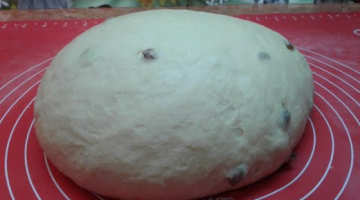
After the short rest, gently press the dough down (don’t beat it up) and form it into a ball again. Cover and let rise until doubled.
Typical timing:
-
Warm kitchen: 60 minutes
-
Cooler kitchen: 75–90 minutes
How to know it’s ready: use the poke test-press a floured finger about 1/2 inch into the dough.
-
Springs back fast: needs more time
-
Springs back slowly and leaves a slight dent: ready
-
Doesn’t spring back: over-proofed
Now the fun part: shaping.
Shaping Option 1: Classic Christmas Kolach (braided ring)
A kolach is traditionally shaped as a ring or braid-simple, symbolic, and stunning on a holiday table.
-
Divide dough into 3 equal ropes for a braid (or 2 ropes for a twist).
-
Roll each rope about 18–22 inches long, keeping thickness even.
-
Braid gently (don’t pull tight).
-
Join ends into a ring and pinch firmly to seal.
-
Transfer to parchment-lined baking sheet.
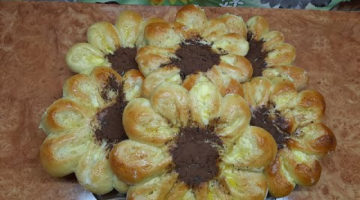
Shaping Option 2: Christmas Star Bread (showstopper)
This one looks complicated, but it’s basically smart cutting and twisting.
-
Divide dough into 4 equal pieces.
-
Roll each into a round about 10 inches wide.
-
Stack the rounds, adding filling between layers if you want:
-
a thin smear of softened butter + cinnamon sugar
-
or just a sprinkle of sugar
-
-
Place a small cup or cutter in the center and mark a circle (about 1.5–2 inches wide). Don’t cut through the center.
-
Cut the outer ring into 16 equal strips.
-
Take two neighboring strips, twist each away from the other two times, then pinch the ends together to form a point. Repeat around the circle.
Shaping Option 3: Soft holiday buns (the easiest)
-
Divide dough into 12–16 pieces.
-
Shape into smooth balls by tucking edges underneath and rolling lightly on the counter.
-
Place on a baking sheet with a little space between.
If you want a bakery look, you can shape into knots, coils, or small braids.
Final proof (don’t skip it)
Once shaped, cover your dough and let it rise again:
-
20–30 minutes in a warm place
This final rise is what makes the finished bread fluffy instead of tight.
Egg wash + topping
Make egg wash:
-
1 egg yolk + 1 teaspoon milk (or water)
Brush gently over the top.
If using toppings, sprinkle now:
-
sesame seeds for a nutty crunch
-
poppy seeds for a classic Eastern European look
Baking temperature and time (U.S. ovens)
Preheat oven to 350°F (175°C).
Bake times:
-
Large kolach ring: 30–40 minutes
-
Star bread: 25–35 minutes
-
Buns: 18–25 minutes
Every oven has its personality. Your best signs:
-
deep golden brown top
-
the bread feels light for its size
-
internal temperature near 190°F–200°F for enriched bread, if you want to measure
If the top browns too quickly, tent loosely with foil for the last 10 minutes.
The “soft crust” trick
If you want a thinner, softer crust:
-
As soon as it comes out of the oven, place it on a rack and cover with a clean towel for 10 minutes.
That trapped steam softens the crust without making it soggy.
Common problems (and fixes that actually work)
Dough feels too sticky
Sticky isn’t automatically wrong. But if it’s unmanageable:
-
add flour 1 tablespoon at a time, kneading between additions
-
lightly oil your hands instead of dumping flour into the dough
Dough feels stiff and heavy
Usually too much flour.
-
Next time, stop adding flour sooner
-
If it’s already stiff, give it a longer rise (warmth helps), and avoid overbaking
Dough isn’t rising
Most common causes:
-
yeast was old
-
milk was too hot or too cold
-
kitchen is cold
Dry yeast activates best around 105–115°F liquid temperature.
If your kitchen is chilly, put the bowl in the oven with the light on (oven OFF) to create gentle warmth.
Raisins sink
They weren’t dry, or they weren’t tossed in flour.
Dry them well, flour them lightly, and add them at the end.
Bread dries out
Overbaking is the usual culprit. Rich dough can still dry if it stays in the oven too long.
Bake until golden and set, then cool under a towel briefly.
Flavor variations (keep the dough, change the mood)
Orange holiday version
Add:
-
zest of 1 orange
-
optional: 1 tablespoon orange juice
It makes the whole kitchen smell like December.
Nut-and-raisin version
Add:
-
1/2 cup chopped walnuts or pecans
-
raisins soaked in warm water for 10 minutes, then dried well
“American brunch” buns
After shaping into buns, press a shallow indent and fill with:
-
sweetened cream cheese
-
jam
-
cinnamon sugar butter
Same dough, totally different vibe.
Make-ahead, storage, and freezing
Storage
Let the bread cool completely, then store:
-
at room temperature in a paper bag or loosely wrapped (to avoid sweaty crust)
-
best within 2–3 days
Because enriched dough holds moisture better than lean bread, it stays pleasant longer, especially when it includes fats and sugar.
Freezing
Freeze baked bread wrapped tightly:
-
slice buns first if you want quick grab-and-go
To rewarm: -
thaw at room temp
-
then warm in a 300°F oven for 8–12 minutes
FAQ
Can I use fresh yeast instead of dry?
Yes. Use about 25 g fresh yeast and dissolve it in warm milk the same way.
Can I replace margarine with butter?
Absolutely. Butter gives a richer aroma and flavor. Use the same weight.
Why does the flour amount vary so much?
Humidity, egg size, and how flour is measured all change hydration. That’s why feel matters more than the exact number.
How do I know the dough is proofed and ready to bake?
Use the poke test-your finger is more reliable than a timer.
Final note: what you should remember while kneading
This dough rewards calm hands. Don’t fight it into dryness. Let it stay soft. Let it rise fully. Trust the signs more than the schedule. When you pull it from the oven-golden, fragrant, glossy from egg wash-you’ll understand why families keep recipes like this close.