Fluffy Cottage Cheese & Banana Buns With Yogurt Glaze (Sesame-Topped “Puffy” Sweet Rolls)
Pour it on, and you’ll honestly be shocked by the result.
These are the kind of buns that make a kitchen feel louder-because people keep wandering in, “just to check,” and somehow a warm roll disappears from the rack every time you turn around. They’re extra fluffy, softly sweet, and filled with a tender cottage cheese-banana center that tastes like comfort without being heavy. Then comes the simple trick: a quick yogurt-and-egg-yolk glaze brushed over the buns before baking.
That glaze is the whole game.
It bakes into a delicate, glossy coating that keeps the crust from drying out, gives the top that bakery sheen, and makes the sesame seeds cling like they were meant to be there. The final texture is what people remember: pillowy crumb, gentle chew, creamy fruit filling, and a top that looks fancy even though you barely tried.
If you’ve ever wanted “weekend bakery buns” without spending your entire weekend, this is the one.
What Makes These Buns Special
1) They’re big on fluff, low on drama
You’re working with enriched sweet dough (homemade or store-bought). The shaping is straightforward, the filling is one bowl and a fork, and the bake time is predictable.
2) The filling tastes “thoughtful,” not just sweet
Banana brings natural sweetness and aroma. Cottage cheese (or farmer’s cheese) brings a mild tang and creamy richness. Together, they taste balanced-like a dessert that still feels at home on a breakfast table.
3) The yogurt glaze is a quiet secret
Yogurt adds gentle acidity and moisture. Egg yolk adds color, shine, and a little extra richness. Brushed on right before baking, it protects the surface and helps the buns brown evenly without turning tough.
4) They look bakery-level
Individual buns always look more polished than a single big pie. And sesame on top? That tiny crunch makes people think you did something complicated. You didn’t.
Ingredients (US-Style + Notes)
For the buns
-
Sweet enriched dough - 2.2 lb (about 1 kg)
Use your favorite homemade sweet yeast dough, brioche-style dough, or store-bought refrigerated/frozen sweet dough. -
Neutral oil (for the pan)
A thin coating is enough. -
Sesame seeds - 1 to 2 tablespoons
White sesame is classic, but use what you have.
For the filling
-
Cottage cheese or farmer’s cheese - 3.5 oz (100 g)
If using cottage cheese, drain it well. If you can find farmer cheese or dry-curd cottage cheese, even better-closer to traditional “tvorog.” -
Banana - 1 medium
Ripe, but not collapsing-soft. You want sweetness and aroma, not a runny filling. -
Granulated sugar - 1/4 cup (about 50 g)
Adjust slightly depending on banana ripeness.
For the yogurt glaze
-
Plain yogurt - about 1/3 cup + 1 tablespoon (100 ml)
Thick yogurt works best (Greek-style is great). Unsweetened. -
Egg yolk - 1
Quick Prep Notes Before You Start
What dough should feel like
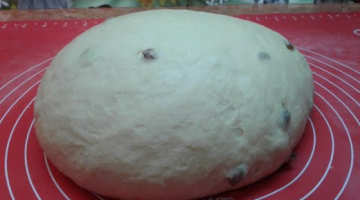
Enriched dough should be soft and slightly tacky, not dry. If it’s stiff, it won’t puff the way you want. If it’s extremely sticky, lightly oil your hands instead of dumping flour everywhere-extra flour can make the buns dense.
Best yogurt choice
Use plain, unsweetened yogurt. A thicker yogurt gives a smoother glaze that stays on top instead of sliding to the edges.
Pan + spacing
Give the buns room-about 1 inch apart. They’ll expand during proofing and again in the oven, and that “baked close together” look is part of the charm.
Step-by-Step: How to Make Puffy Cottage Cheese Banana Buns
Step 1: Make the filling
-
Add the cottage cheese to a bowl.
-
Add the sugar.
-
Peel the banana and dice it small-think tiny cubes, around 1/4 inch.
-
Mash everything with a fork.
Don’t overdo it. You’re not making baby food. A few banana “islands” are perfect-they turn into little pockets of sweetness when baked.
Small but important detail: Cottage cheese acts like a sponge. During baking it holds some banana moisture, which helps prevent the filling from leaking or turning watery.
Step 2: Divide and shape the dough
-
Divide the dough into equal pieces-about 2 to 2.5 oz each (60-70 g).
-
Roll each piece into a smooth ball.
-
Flatten each ball gently with your palm into a small disk.
You’re not rolling thin like a dumpling wrapper. Just a soft disk with a thicker center is ideal.
Step 3: Fill and seal
-
Place about 1 heaping teaspoon of filling in the center.
-
Bring the edges up toward the center like a little pouch.
-
Pinch the seams tightly.
-
Flip seam-side down and gently round the bun again.
If the dough fights you, let it rest for 3-5 minutes and try again. Dough relaxes when you stop arguing with it.
Step 4: Arrange and let them rest (proof)
-
Lightly oil a baking sheet or line it with parchment and grease the parchment.
-
Place buns seam-side down with space between them.
-
Cover with a towel.
-
Let them rest at room temp for 30 minutes.
This isn’t optional if you want that “puffy bun” magic. During this short proof:
-
yeast wakes up and produces gas,
-
gluten relaxes,
-
the surface smooths out,
-
and the buns rise like they suddenly remembered their purpose in life.
While they proof, preheat the oven.
Step 5: Preheat the oven
-
350°F (about 180°C)
Step 6: Make the yogurt glaze
In a small bowl, whisk together:
-
plain yogurt
-
egg yolk
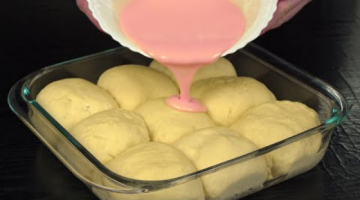
The glaze should look like thin sour cream-pourable, but not watery.
If it feels too thick (some yogurts are extremely dense), thin it with 1-2 teaspoons warm milk or even a little water. You want a glaze that brushes on smoothly and coats in a thin layer.
Step 7: Glaze and top with sesame
-
Brush each bun generously with the yogurt glaze.
-
Sprinkle sesame seeds over the top.
Don’t press the sesame down hard. Let the glaze be the glue.
Step 8: Bake
Bake at 350°F for about 35 minutes.
Rule that saves buns: Do not open the oven for the first 20 minutes.
Early temperature drops can cause enriched dough to sink and bake up heavy.
At around the 30-minute mark, peek quickly. You’re looking for:
-
a warm golden top,
-
a glossy finish,
-
a firm but springy surface.
Step 9: Cool (just a little) before eating
When they come out, move buns to a cooling rack and let them rest 10 minutes.
Yes, you’ll want to rip one open immediately. But that brief cooling time matters:
-
steam finishes the crumb,
-
filling thickens slightly,
-
crust sets without turning hard.
After 10 minutes… it’s fair game.
What They Taste Like (So You Know You Did It Right)
A good batch feels light when you pick one up. The crumb pulls apart in soft layers. The filling is creamy, lightly fruity, and not overly sugary. The top has that subtle tangy richness from yogurt, plus sesame crunch that makes each bite feel “finished.”
This is the kind of bun your grandma would approve of-because it’s generous, simple, and actually comforting, not just pretty.
Ingredient Guide: Smart Substitutions That Still Work
Cottage cheese options
-
Farmer’s cheese: best match for traditional texture.
-
Dry curd cottage cheese: excellent if you can find it.
-
Regular cottage cheese: works, but drain well and mash slightly.
-
Ricotta: works in a pinch; use whole milk ricotta and reduce banana a bit if it’s very wet.
Banana swaps
-
Apple: use finely diced apple and add 1 teaspoon cornstarch to bind juices.
-
Pear: same rule as apple-juicy fruit needs a little starch.
-
Berries: choose firmer berries; add a pinch of starch to avoid leaks.
Sesame alternatives
-
Poppy seeds
-
Sliced almonds (watch browning-cover loosely with foil near the end if needed)
-
Coarse sugar for a sweeter finish
Yogurt glaze alternatives
-
Sour cream thinned slightly
-
Milk + egg yolk (classic wash, less tang)
-
Kefir + yolk (similar vibe, a little thinner)
Common Mistakes (And How to Avoid Them)
Mistake 1: Under-proofing
What happens: buns bake up tight and heavy.
Fix: give them the full 30 minutes, and make sure the room isn’t cold. If your kitchen is chilly, proof near (not on) a warm oven.
Mistake 2: Adding too much flour while shaping
What happens: dry crust, dense crumb, uneven rise.
Fix: oil your hands lightly instead of flouring the world.
Mistake 3: Glaze too thick
What happens: the top bakes into a heavy, rubbery layer.
Fix: thin with a teaspoon of warm milk until it brushes easily.
Mistake 4: Opening the oven too soon
What happens: buns deflate and bake up sad.
Fix: don’t peek before 20 minutes. Trust the process.
Storage, Reheating, Freezing
Room temperature
Store in a paper bag or loosely covered container for up to 1 day. They stay softer than most buns thanks to the glaze.
Refrigerator
For up to 3 days, keep in an airtight container. Reheat before eating so they don’t taste “cold bread-ish.”
Reheating (best results)
-
Oven: 300°F for 5-7 minutes
-
Air fryer: 300°F for 3-4 minutes
-
Microwave: 10-15 seconds (works, but softens the top)
Freezing
Freeze fully cooled buns in a freezer bag. They hold up well.
To reheat from frozen:
-
Bake at 320°F for about 10-12 minutes
No need to thaw first.
Nutrition Notes (Simple, Practical, Not Lecture-y)
Cottage cheese brings protein and minerals that support everyday energy and satiety. Banana contributes potassium and gentle carbs that feel comforting, especially in the morning. Together, the filling tends to feel more “steady” than a purely sugary jam filling-sweet, but not empty.
And yes: these are still buns. They’re meant to be enjoyed. The point is, they taste like comfort and leave you satisfied, not searching for another snack five minutes later.
Variations That Keep the Spirit but Change the Mood
Citrus version
Add 1 teaspoon lemon or orange zest to the filling. Suddenly the whole bun tastes brighter, like it belongs next to coffee.
Chocolate version
Stir in 2 tablespoons mini chocolate chips. They melt into little pockets and make the banana taste even more banana.
Cinnamon comfort
Add 1/2 teaspoon cinnamon to the filling. It turns “banana bun” into “banana bread energy,” but fluffier.
Less-sweet version
Reduce sugar to 3 tablespoons and use a very ripe banana. You’ll keep flavor without pushing it into dessert territory.
Frequently Asked Questions
Can I make these with homemade dough?
Absolutely. Any sweet yeast dough works. If your dough is very rich (lots of butter and eggs), it may need a slightly longer proof to get that big lift.
How do I know they’re baked through?
They should be deeply golden on top and feel light. If you tap the bottom of a bun, it should sound hollow-ish. If they brown too fast, loosely cover with foil for the last 8-10 minutes.
Can I prep them ahead?
Yes. Shape the buns, place on the tray, cover well, and refrigerate overnight. The next day, let them sit at room temp until puffy (often 45-75 minutes), glaze, then bake.
My filling seems wet-what should I do?
Drain the cottage cheese better, and use a banana that’s ripe but not liquefying. If needed, add 1 teaspoon cornstarch to the filling to stabilize moisture.
Final Note (The Part That Feels Like Home)
Fresh baked buns aren’t only about food. They’re about that moment when the kitchen smells warm, the house gets curious, and everyone suddenly has time. You pull a tray from the oven and for a few minutes life slows down on its own.
Make these once, and you’ll understand why the yogurt glaze trick feels almost unfair.
Bake them. Tear one open while it’s still a little warm. Let the sesame crackle quietly. And if the first batch disappears faster than you expected-good. That’s exactly how these buns are supposed to behave.