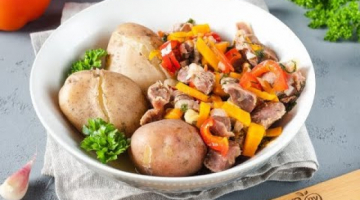
Chicken Gizzards with Vegetables
A budget-friendly, old-school comfort dinner that tastes like you cooked all day (even when you didn’t)
Prologue: why this humble dish is worth your time
Some of the warmest food memories don’t come from fancy steaks or restaurant plates. They come from dishes that look simple, smell honest, and somehow make everyone drift closer to the kitchen before you even call them. Chicken gizzards are exactly that kind of ingredient.
If you grew up around home cooking where nothing was wasted, you already know the vibe: a pot quietly simmering, onions turning golden, dill and parsley waiting on the cutting board, and that cozy, slightly nostalgic aroma that says, “Dinner is real today.” If you didn’t grow up with gizzards, don’t worry-this recipe is the best possible introduction. Done right, gizzards aren’t “weird.” They’re hearty, tender, and deeply savory, with a satisfying bite that regular chicken breast simply doesn’t have.
Today you’re getting an expanded, author-style version of the classic: not just a list of steps, but the logic behind the steps, the small tricks that matter, and several variations for different seasons and different moods. The goal is simple: turn an affordable pack of gizzards into a dinner that feels generous, bright, and surprisingly modern.
What are chicken gizzards, really-and why do they stay pleasantly “chewy”?
A gizzard is a strong, muscular part of a chicken’s digestive system. Birds don’t chew the way we do, so that muscle does heavy work, grinding food. That’s the reason gizzards have their signature texture: they’re dense, resilient, and they don’t fall apart into mush if you cook them properly.
That texture is also why gizzards can be so satisfying. When they’re undercooked, they’re tough. When they’re cooked correctly, they become tender but still keep a gentle spring-like perfectly braised meat that still has character.
From a nutrition angle, gizzards are known for being protein-heavy and relatively lean compared to many cuts of meat. They also bring minerals people often run low on, especially iron, plus B vitamins that support energy metabolism. One important nuance, though: organ meats and “giblets” can be higher in cholesterol than plain chicken breast. That doesn’t make them “bad,” it just means moderation is smart-especially if you’re watching heart health. Think: a comforting dinner you rotate in, not something you eat every day.
A quick cultural note: “nose-to-tail” isn’t a trend, it’s how kitchens survived
Long before anyone gave it a fashionable name, using the whole animal was normal. In many cuisines, gizzards aren’t an afterthought-they’re a beloved staple.
You’ll find them stir-fried with chilies in Chinese cooking, simmered into brothy stews in Latin America, tucked into rich gravies in European home kitchens, and served as the kind of “snack plate” food people fight over at parties. The reason is practical and timeless: they’re affordable, filling, and when you treat them with respect, they taste far more expensive than they are.
How to choose good gizzards at the store
You don’t need a butcher’s diploma for this-just a few checks.
Color
Look for an even grayish-pink tone. Avoid packs with strange dark spots or a greenish cast.
Smell
Fresh gizzards should smell neutral. Not “farmy,” not sour, not sharp. If it smells off through the packaging, trust your instincts.
Size
Smaller gizzards tend to be more tender. Large ones can still be great, but they may need a bit more time.
Fresh vs frozen
Fresh (refrigerated) gizzards can absorb marinades quickly and feel more “ready to cook.” Frozen is perfectly fine and often the best deal. Just thaw slowly in the fridge overnight so the texture stays nice.
Prep without drama: the two small steps that change everything
Gizzards have a reputation for being fussy. They don’t have to be.
Step 1: remove the yellow inner lining (if it’s there)
Sometimes gizzards come pre-cleaned. Sometimes they still have a yellow membrane or tough inner layer. If you see it, peel or trim it away. That lining can add bitterness and a tougher chew.
Step 2: cut for even cooking
Slice each gizzard into 2–3 pieces. Smaller pieces cook more evenly, soak up sauce better, and feel more “ragout-like” when mixed with vegetables.
The optional 20-minute marinade that makes gizzards taste “finished”
This is not mandatory, but it’s the kind of small effort that makes people ask, “What did you put in that?”
While you prep vegetables, toss the cut gizzards into a quick soak:
-
¾ cup water
-
2 tablespoons soy sauce
-
½ teaspoon dried thyme
-
¼ teaspoon granulated garlic (or garlic powder)
Let them sit about 20 minutes. They may darken slightly-normal. The salt and amino acids help the muscle relax just a bit, and the thyme adds a quiet background note that reads “slow-cooked” even on a weeknight.
If you prefer to avoid soy sauce, use ¾ teaspoon salt in the water and add a splash of lemon juice instead.
Why the vegetables matter more than you think
This dish isn’t “gizzards plus random veggies.” It’s a team.
-
Onion builds sweetness and the base aroma.
-
Carrot brings color and natural sugars that round out the sauce.
-
Bell pepper adds fresh brightness and a gentle crunch if you don’t overcook it.
-
Tomatoes become the sauce-slightly tangy, slightly sweet, deeply comforting.
-
Garlic + herbs are the finishing move. Add them at the right time and the whole pot smells alive.
Want to stretch it? Add green beans, mushrooms, zucchini, or a handful of diced potatoes and you’ve basically made a full stew.
Ingredients (US-friendly measurements)
This makes about 4–6 servings, depending on how you serve it.
-
Chicken gizzards - 2.2 lb (about 1 kg)
-
Bell pepper - 1 medium
-
Tomatoes - 2 medium (or 1 cup canned diced tomatoes, drained)
-
Carrot - 1 medium
-
Yellow onion - 1 medium
-
Garlic - 2–3 cloves
-
Fresh herbs - 1 small bunch (dill, parsley, or both)
-
Salt & black pepper - to taste
-
Neutral oil (vegetable, canola, avocado) - as needed (about 2–3 tablespoons)
Optional but excellent:
-
Smoked paprika - ½ teaspoon
-
Ground coriander - a pinch
-
Crushed red pepper - for heat
Step-by-step: Chicken Gizzards with Vegetables
Step 1: simmer the gizzards until they’re truly tender
-
Rinse gizzards, trim any tough bits, remove yellow lining if needed.
-
Cut into 2–3 pieces each.
-
Add to a deep skillet, Dutch oven, or pot. Cover with water so the gizzards are just barely submerged.
-
Salt the water lightly.
-
Bring to a boil, then reduce to a steady simmer. Skim foam if it appears.
-
Simmer 45–55 minutes, until a piece is tender when pierced.
This is the step people rush, and it’s the reason some folks “don’t like” gizzards. If they’re tough, they simply need more time. You’re not failing-collagen is doing collagen things.
Step 2: build the vegetable “caramel base”
While gizzards simmer, make your flavor foundation.
-
Heat 1 tablespoon oil in a large skillet or sauté pan.
-
Add chopped onion. Cook until golden and soft.
-
Add grated or thin-sliced carrot. Cook 3–4 minutes.
-
Add sliced bell pepper. Cook until it starts to soften.
-
Add chopped tomatoes (or drained canned tomatoes).
-
Cook until the mixture thickens into a saucy, glossy base.
-
Add garlic in the last 1–2 minutes so it stays fragrant, not burnt.
If you’re using smoked paprika, add it right after the tomatoes so it blooms in the warm sauce.
Step 3: combine and finish with a gentle simmer
-
Drain gizzards (reserve a little cooking liquid-about ½ cup).
-
Add gizzards to the vegetable pan. Stir well.
-
If it looks dry, splash in a bit of the reserved liquid.
-
Add half of the chopped herbs.
-
Cover and simmer on low 10–12 minutes.
-
Taste, adjust salt and pepper.
-
Finish with the remaining herbs right before serving.
At this point you get that moment: the sauce clings, the vegetables look bright instead of gray, and the gizzards taste like they’ve always belonged there.
Best side dishes to serve with gizzards and vegetables
This dish loves a “soft partner” to soak up sauce.
Mashed potatoes
Classic, comforting, and basically made for this sauce.
Rice (white or brown)
Straightforward, especially for meal prep. Add a squeeze of lemon on the side and it wakes everything up.
Bulgur or farro
Nutty, a little chewy, and it matches the gizzard texture beautifully.
Polenta or grits
This is the fun twist: creamy corn base with savory gizzards on top. It’s surprisingly elegant.
Buckwheat (if you can find it)
A very Eastern-European pairing that tastes like home cooking with a backbone.
Three seasonal variations
Fall version: add pumpkin or butternut squash
Add about 1½ cups diced squash with the bell pepper. Simmer a little longer until tender. The sauce becomes sweeter and more “cozy.”
Winter version: swap fresh tomatoes for tomato puree
Use ¾ cup tomato puree plus 1 teaspoon paprika. It becomes thicker, deeper, and more stew-like.
Summer version: green beans for crunch and freshness
Add 1½ cups green beans during the last 5 minutes of the final simmer. Bright, snappy, and lighter.
Instant Pot / pressure cooker method (fast, tender, reliable)
If you want tenderness with less waiting, pressure cooking is your friend.
-
Use sauté mode to soften onion and carrot with oil right in the pot.
-
Add bell pepper and tomatoes, stir 2–3 minutes.
-
Add gizzards and 1 cup water or broth.
-
Pressure cook on High for 25 minutes.
-
Let pressure release naturally for 10 minutes, then quick release the rest.
-
Stir in garlic and herbs, simmer 2 minutes to finish.
The natural release helps keep the texture tender instead of tight.
Common mistakes (and the fixes that actually work)
“They’re tough”
They need more time. Add 10–15 minutes and check again. Gizzards don’t get tender from wishful thinking.
“There’s a bitter taste”
That yellow inner lining wasn’t fully removed. Trim it next time-huge difference.
“The dish is dry”
Add hot liquid (reserved cooking liquid or broth). Never add cold water to a hot pan if you can avoid it-it shocks the sauce and dulls flavor.
“My vegetables turned gray”
Heat was too high and the pan was overheated. Cook vegetables on medium heat and let them soften without scorching.
Flavor pairing: spices that love gizzards
You don’t need a huge spice rack. A few smart choices go far.
-
Smoked paprika - makes the dish taste meatier and warmer
-
Ground coriander - quietly lifts the herbs
-
Dried ginger - adds a light warmth (not “gingerbread,” more like background heat)
-
Caraway seeds - fantastic with tomatoes, especially if you like old-world flavors
-
Bay leaf - add 1 leaf while simmering gizzards for a subtle savory depth
Nutrition notes (practical, not preachy)
Gizzards are a protein-dense ingredient and can be a smart budget swap for pricier cuts. They also provide iron and B vitamins that support energy and focus-one reason they feel so “satisfying” compared to lighter meats.
But here’s the honest part: organ meats and giblets can be higher in cholesterol than plain chicken breast. If you’re dealing with cardiovascular issues, keep portions reasonable, pair them with a lot of vegetables, and treat the dish as an occasional rotation-once a week or a couple times a month, depending on your personal needs.
If you want a lighter plate, serve this over rice with a big crunchy salad, or spoon it onto roasted cauliflower instead of potatoes.
How to store and reheat (so it still tastes good tomorrow)
Storage
-
Refrigerate in a sealed container up to 3–4 days.
Reheating
-
Best: warm gently in a skillet with a splash of water or broth, covered.
-
Microwave: use medium power and stir once so the sauce heats evenly.
Freezing
You can freeze it, but the vegetables soften more after thawing. If you plan to freeze, undercook the bell pepper slightly so it doesn’t become mushy later.
Party trick: turn it into a cold appetizer
This is unexpectedly good.
Chill the finished gizzards, chop them smaller, and toss with:
-
roasted bell peppers (jarred works too, well-drained)
-
olive oil
-
chopped cilantro or parsley
-
a tiny splash of vinegar or lemon juice
-
black pepper
Serve on rye-style crackers, toasted baguette slices, or in little cups as a high-protein snack. People will not guess it started as “weekday gizzards.”
Frequently asked questions
Do gizzards taste like liver?
No. Liver has a distinct, strong flavor. Gizzards are milder, more like dark meat chicken but with a firmer bite.
Can I make it spicy?
Absolutely. Add crushed red pepper with the tomatoes, or finish with hot sauce at the table.
What if I don’t like dill?
Use parsley only, or add green onions at the end for freshness.
Can I add potatoes directly into the pot?
Yes. Dice them small and add during the final simmer so they soak up sauce. Just add a bit more liquid so it doesn’t dry out.
Closing: a “forgotten” dinner that deserves a comeback
You don’t need exotic ingredients to surprise people at the table. Sometimes the win is taking something simple and giving it proper attention: simmer until tender, build a real vegetable base, finish with garlic and herbs at the right moment, and serve it like you mean it.
Make this once and you’ll understand why so many families quietly keep gizzards in their rotation. It’s affordable, flexible, and deeply comforting-exactly the kind of dinner that makes the kitchen feel like the center of the house again.