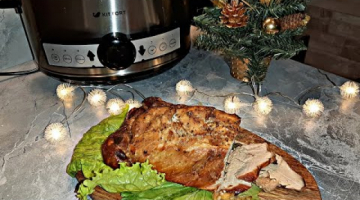
Slow Cooker Pork Roast “Buzhenina-Style” (Juicy Garlic Pork, No Oven Needed)
If you’ve ever wanted that holiday-worthy sliceable pork roast-the kind that looks confident on a platter, smells like garlic and black pepper, and stays juicy even after chilling-this is it. In many Eastern European kitchens, that role is often played by buzhenina: a seasoned, slowly cooked pork roast that can be served hot for dinner and cold the next day in thin, tidy slices.
Here’s the twist: we’re doing it in a slow cooker. No oven heat blasting your kitchen. No hovering. No “oops, I overbaked it.” Just low, steady temperature and time doing the heavy lifting.
And yes, you can still get that “special occasion” energy from three basic ingredients: salt, pepper, garlic. Everything else is optional-and I’ll show you exactly where it makes sense to add complexity (without turning the roast into a spice cabinet accident).
Why the Slow Cooker Wins for Pork Roast
People love the oven because it’s familiar: preheat, roast, done. But pork is the kind of meat that punishes impatience. A few degrees too high, a little too long, and suddenly your “festive centerpiece” becomes “thin slices and extra mustard.”
A slow cooker keeps things predictable. On LOW, most slow cookers run around the upper 180s to low 200s °F (often roughly 190°F / 88°C), which is hot enough to cook safely and gently, but not so aggressive that the outer layer dries out while the center catches up. That steady heat is why slow-cooked pork often ends up silky and sliceable, especially after chilling.
Another practical advantage: you keep the oven free for sides, dessert, or, honestly, just peace.
One more thing people underestimate: don’t lift the lid. Every time you do, you dump heat and slow the cooking cycle. Food safety educators warn that removing the lid can drop the internal temperature noticeably and it can take around 20 minutes to recover, which stretches cooking time and can mess with consistency.
A Quick Note on “Buzhenina” (and Why This Version Works in the U.S.)
Traditional buzhenina has deep roots: historically, it was often made from pork (sometimes wild boar), heavily seasoned, and cooked slowly until tender. Over time, the method evolved, and today it’s commonly prepared from boneless pork cuts that slice cleanly.
For a U.S. kitchen, the closest easy match is pork loin roast (boneless). It’s leaner than pork shoulder, but still works beautifully here because slow cooking plus proper resting helps it stay juicy-especially if you leave a thin cap of fat.
If you want something richer and more forgiving, you can also use pork shoulder (Boston butt), but that leans more toward shreddable pulled pork texture. This recipe aims for that sliceable deli-style roast vibe.
Ingredients (6–8 Servings)
Core Ingredients (the minimalist version)
-
2.6 lb (about 1.2 kg) boneless pork loin roast (or center-cut pork roast)
-
2 teaspoons kosher salt (or to taste)
-
1 teaspoon freshly ground black pepper
-
3 cloves garlic, pressed or finely grated
Optional Flavor Boosters (use only if you want)
-
1/2 teaspoon smoked paprika (color + gentle smoky note)
-
1 teaspoon dried thyme (herbal, clean finish)
Minimalist is not “boring.” Minimalist is focused. Salt + pepper + garlic is a classic for a reason: it tastes like meat became the best version of itself.
Equipment You’ll Need
-
Slow cooker (4–6 qt works well)
-
Cutting board + knife
-
Paper towels
-
Instant-read thermometer (strongly recommended)
A thermometer isn’t “chef stuff.” It’s how you avoid guessing.
Step 1: Prep the Pork Like You Mean It
1) Trim, but don’t over-trim
Look at the roast. If there are thick membranes or silverskin, trim them. But if there’s a thin fat layer, keep it. In slow cooking, fat is insurance.
2) Dry the surface
Pat the roast dry thoroughly with paper towels. If the surface is wet, you don’t get a proper seasoned “crust” effect-you get something closer to steamed meat.
3) Salt evenly
Rub salt all over the roast, including the sides. A simple guideline many cooks use is about 1.5% salt by weight, but you don’t have to do math-2 teaspoons for ~2.5–3 lb is a solid starting point.
4) Add black pepper
Freshly ground pepper matters here. Pre-ground pepper is fine in a pinch, but fresh pepper gives you that bright, slightly piney aroma that makes the roast smell expensive.
5) Garlic: press and rub
Press or grate the garlic and rub it evenly over the surface. Yes, it will look messy at first. That’s correct.
Take a minute. Turn the roast. Repeat. Even coating = even flavor.
Step 2: Short Rest (Dry “Marinade”)
Let the seasoned pork sit for 20–30 minutes at room temperature while you set up the slow cooker. This helps the salt start working and gives the surface time to absorb seasoning.
If you’re holding it longer than an hour, cover and refrigerate.
Step 3: Slow Cook (The “Don’t Touch It” Phase)
Place the roast in the slow cooker
Put the pork directly into the insert. No rack needed.
Set the heat
-
LOW for 8 hours is the sweet spot for a medium-thick pork loin roast.
Now the most important instruction:
Do not open the lid.
Not to check. Not to smell (you’ll smell it anyway). Not to “just take a peek.” Every peek costs you heat and time.
Step 4: Check Doneness the Smart Way
What temperature are we aiming for?
For whole cuts of pork (roasts, chops), U.S. food safety guidance supports cooking to 145°F (63°C) with a 3-minute rest.
That said, many people prefer cooking a slow-cooker pork roast a bit higher for texture-especially if they want it very tender and sliceable after chilling.
A practical target for this style:
-
150–158°F (66–70°C) in the center, then rest.
If you hit around 155°F, pull it and rest. It will continue rising slightly.
No thermometer? You can still make it, but you’re relying on clues: juices should run clear and the meat should feel firm-but-springy. A thermometer is cleaner, safer, and less stressful.
Step 5: Resting (This Is Where Juiciness Is Saved)
Rest the roast at least 30 minutes before slicing.
Two different outcomes come from one roast:
Option A: Serve it warm
After resting, slice thicker. Spoon a little of the cooking juices over the slices. It’s comforting, generous, and feels like Sunday dinner.
Option B: Chill overnight for perfect deli slices
This is the buzhenina superpower. After resting, wrap or container the pork and refrigerate overnight. The texture firms up, and you can slice it thin and clean-ideal for sandwiches and snack plates.
Serving Ideas (American-Friendly, Still True to the Spirit)
Warm dinner plate
-
Pork slices + mashed potatoes
-
Roasted carrots or green beans
-
A spoon of the cooking juices on top
Cold slices (the “next day luxury”)
-
Thin pork slices
-
Dijon or horseradish sauce
-
Pickles (dill pickles are perfect here)
-
Rye bread or a sturdy sourdough
Party bites (smart, not fussy)
Toast small baguette slices. Spread with cream cheese mixed with a little mustard. Top with pork and a tiny dab of something sweet-tangy (fig jam, onion jam, or even a restrained swipe of cranberry sauce). It sounds fancy. It’s actually just good strategy.
Best Side Dishes for This Pork Roast
Roasted squash with rosemary
Natural sweetness balances pepper and garlic.
Mushroom barley (or mushroom rice)
Earthy, savory, and filling without being heavy.
Creamy root mash
Parsnip, sunchoke (Jerusalem artichoke), or cauliflower mash if you want lighter.
Glazed carrots
Color, sweetness, and that “holiday plate” look.
Food Safety and Storage (Don’t Ignore This Part)
Safe temperature basics
Whole cuts of pork are considered safely cooked at 145°F (63°C) with a 3-minute rest.
The “danger zone”
Try to avoid leaving cooked meat sitting between 40°F and 140°F for long periods. That’s the range where bacteria multiply fastest.
Storage time
Refrigerate leftovers promptly and aim to eat within about 3–4 days for best quality and safety (and freeze if you won’t). This isn’t about fear-it’s about keeping the flavor and texture clean.
Freezing tip
Slice first, then freeze portions. Future-you will thank you.
Reheating
For slices: warm gently, covered, with a splash of juices.
For a bigger chunk: low oven heat, wrapped in foil, until warmed through.
Microwave works in emergencies, but it’s the fastest way to turn “juicy pork” into “why is it dry again.”
Common Mistakes (and How to Avoid Them)
1) It turned out dry
Most likely causes:
-
Cut was too lean and overcooked
-
Cooked on HIGH
-
Sliced immediately with no resting
Fix:
Use LOW, rest properly, and consider a slightly fattier cut (or keep the fat cap).
2) Too salty
Salt measured “by vibe” can betray you.
Fix:
Measure the salt the first time. After that, you’ll know your preference.
3) Tough outer layer
Often caused by temperature swings from opening the lid.
Fix:
Leave the lid closed. Seriously.
4) Flavor feels flat
Sometimes minimalist needs one tiny trick.
Fix options:
-
Add smoked paprika (not a lot)
-
Add a pinch of sugar to the rub (helps browning flavors develop even with gentle heat)
-
Add thyme if you want a cleaner herbal finish
Flavor Variations (Pick One Lane, Don’t Mix Everything)
“Holiday” version
-
Garlic + black pepper + thyme
-
Optional smoked paprika for color
“Deli sandwich” version
-
Garlic + black pepper
-
Add crushed coriander seed if you like that classic deli aroma
“Slightly sweet-savory” version
-
Add 1 teaspoon honey to the rub (just enough to round the edges)
Keep it disciplined. One roast doesn’t need five competing personalities.
Nutrition (Approximate, Per 3.5 oz / 100 g)
This will vary by cut and fat content, but a typical pork roast portion often lands around:
-
Calories: ~230–270
-
Protein: ~24–28 g
-
Fat: ~14–18 g
-
Carbs: ~0–1 g
Pork is also known for being a good source of thiamin (vitamin B1) compared with many other meats-one reason it’s historically valued in hearty cuisines.
Mini FAQ
Can I make this in the oven instead?
Yes. Cook covered at 275°F (135°C) for about 3.5–4 hours depending on thickness, then uncover and raise heat briefly to brown. Use a thermometer so you don’t overshoot.
No slow cooker-what can I use?
A multicooker on a steady “stew/braise” setting can work. Or a Dutch oven in a low oven. The key is stable, gentle heat.
Can I use turkey instead?
You can, but turkey breast is lean and less forgiving. Reduce cook time and consider adding a little broth for insurance.
Quick Timeline Checklist
-
00:00 - Season pork (salt, pepper, garlic)
-
00:20 - Place in slow cooker, start LOW
-
08:00 - Check internal temp
-
08:10 - Rest 30 minutes
-
08:40 - Chill overnight (optional, for clean slices)
-
Next day - Slice and serve
Final Thoughts
This is one of those recipes that looks almost too simple on paper-until you taste it. The slow cooker turns a basic cut of pork into something that feels planned, not improvised. The garlic and pepper stay present but not loud, the salt makes the meat taste like itself (only better), and the long gentle heat keeps it tender without falling apart unless you want it to.
Make it once, and you’ll start treating it like a reliable tool: a roast for guests, a cold-cut upgrade for sandwiches, a fridge staple that quietly makes the next few days easier.