Chinese-Style Rabbit in a Mustard–Soy Glaze
Tender rabbit in a bold, savory-sweet, slightly spicy sauce that turns an ordinary day into a “wait…what is this?” kind of dinner.
There are recipes you cook because you’re hungry, and recipes you cook because you want the kitchen to feel alive. This one belongs to the second category.
Outside, the day can be slow and gray. Inside, the pan is hot, the onions are softening into something sweet, and the rabbit-one of the most delicate meats you can cook-soaks up a mustard–soy glaze that smells sharp, warm, and a little dangerous in the best way. The flavor lands somewhere between homey comfort and restaurant-level confidence: savory, tangy, peppery, and glossy enough to cling to every bite.
Rabbit has that rare talent of being both gentle and interesting. It’s mild like chicken, but cleaner; lean like turkey, but silkier; slightly sweet like pork loin, but without heaviness. When you give it a punchy marinade and then let it simmer low and slow, you get meat that practically loosens from the bone with a spoon-and a sauce that begs for something starchy underneath.
If you’ve never cooked rabbit before, don’t treat it like a mystery ingredient. Treat it like something that deserves respect and a steady hand. The process is simple, but the details matter: dry the meat, sear it properly, and be patient during the simmer. That’s where the magic happens.
Why Rabbit Works So Well Here
Rabbit is naturally lean and tender, which makes it a perfect “blank canvas” for strong flavors.
What you get when you choose rabbit for this recipe:
-
Mild flavor that absorbs marinades fast. Soy sauce and mustard sink in quickly and season the meat all the way through.
-
A light, clean bite. Even in a rich glaze, rabbit doesn’t feel heavy.
-
A sauce that thickens naturally. Slow simmering helps connective tissue melt gently, giving the glaze body without flour.
If you’re feeding a family and want something different from chicken-but not so exotic that everyone gets nervous-this is a smart, safe leap.
Ingredients (Serves 2–3)
Main Ingredients
-
Rabbit, cut into pieces - 1.1 lb (500 g)
-
Yellow onion - 2 to 3 medium
-
Prepared mustard (classic yellow or mild Dijon) - 1 tablespoon
-
Soy sauce - 3 tablespoons (about 50 ml)
-
Neutral cooking oil (canola, avocado, grapeseed) - 2 tablespoons
Spices (Use What You Like, These Work Especially Well)
-
Smoked paprika - 1/2 to 1 teaspoon
-
Black pepper (freshly ground) - to taste
-
Mixed pepper blend - optional, to taste
-
Allspice - a pinch (optional, but cozy)
-
A tiny bit of rosemary - optional (go easy; rabbit is delicate)
-
Salt - only if needed (soy sauce already brings salt)
Buying Rabbit in the U.S. (Quick, Practical Notes)
In many parts of the U.S., rabbit is easiest to find at:
-
a butcher shop (especially ones that carry game meats),
-
a specialty grocery store,
-
or a farmers market with small livestock vendors.
You’ll usually see it sold whole or cut into parts. For this recipe, either works-just cut at the joints so you don’t splinter bone.
If you’re new to rabbit: choose a younger, smaller rabbit if possible. Older rabbit can still be great, but it benefits from the optional quick tenderizing step in the “Little Secrets” section below.
Flavor Profile: What This Dish Tastes Like
Imagine this: the mustard gives a clean, sharp tang that wakes the whole dish up. Soy brings deep savoriness and color. Onions turn sweet and soft and become the quiet backbone of the sauce. Smoked paprika adds that “I can’t stop eating this” warmth.
It’s not sugary. It’s not sticky like a heavy glaze. It’s glossy, aromatic, and balanced-savory first, tangy second, spicy last.
Step-by-Step: Chinese-Style Rabbit With Mustard–Soy Glaze
Step 1: Prep the Rabbit (This Is Where the Sear Begins)
Cut the rabbit into serving pieces at the joints: legs, saddle, and any smaller sections. Trim excess visible fat. Rabbit is lean; too much fat isn’t common, but any thick bits can taste slightly bitter once reduced into the sauce.
Now do the step people skip and then regret:
Pat the rabbit dry with paper towels.
Dry meat browns. Wet meat steams. Browning is flavor.
Step 2: The Fast Marinade That Acts Like a Long One
In a bowl, mix:
-
mustard,
-
soy sauce,
-
and oil.
Stir until smooth. Add the rabbit pieces and massage the marinade into the surface-really press it in. You’ll notice the meat darken slightly as the soy starts working. That’s normal and helpful.
Time options:
-
Best: rest 30 minutes (even 20 helps).
-
If you’re rushing: 5 minutes + thorough “massage” still makes a difference.
Step 3: Sear the Rabbit Properly
Heat a large skillet over medium-high heat until it feels aggressively hot-close to smoking, but not burning.
Add just a small splash of oil (you can use a bit from the marinade; don’t dump it all in).
Place rabbit pieces in the pan without crowding. If your skillet is small, sear in batches.
Important rule:
Once the rabbit touches the pan, don’t move it for about 2 minutes.
Let the surface form that golden crust that seals in juices.
Flip and sear the other side briefly-just enough to get color. Rabbit doesn’t need a long hard sear; it needs a confident one.
Step 4: Build the Onion “Pillow”
Slice onions into half-moons. Add them to the pan around the rabbit.
Stir gently so the onions get coated in those pan juices. Cook about 5–7 minutes, until onions soften and turn translucent with a hint of sweetness.
This matters more than it sounds. Onion sweetness is what keeps the sauce from tasting sharp or one-note.
Step 5: Slow Simmer (The Tenderness Switch)
Add 1/3 cup hot water (80–100 ml). You can also use light broth if you have it.
Lower heat to the smallest simmer you can manage. Cover with a lid.
Now let it go for 60 minutes.
This isn’t a “hurry up” step. Rabbit becomes its best self when it has time.
Mid-simmer checkpoints:
-
Around 40 minutes: flip the pieces, check liquid level. Add a splash of hot water if the pan looks dry.
-
Around 55 minutes: season with smoked paprika, black pepper, and only add salt if needed.
Keep the simmer gentle. If it’s boiling hard, the meat can tighten instead of relax.
Step 6: Turn the Sauce Into a Glossy Glaze
After the rabbit is tender, remove the lid and raise heat slightly.
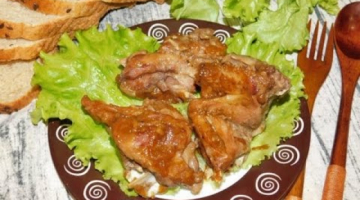
Let excess liquid evaporate until the sauce becomes syrupy and shiny, coating the rabbit like a thin lacquer.
You’re looking for a glaze that clings-glossy, not watery. When you drag a spoon through the pan and it leaves a brief trail, you’re close.
Taste. Adjust pepper. If it needs brightness, add a tiny extra dab of mustard and swirl it in right at the end.
How to Know It’s Done Without Guessing
Rabbit is done when:
-
the meat is tender enough to pull slightly at the edges,
-
and the thickest part is fully cooked through.
For safety, treat rabbit like poultry: you want it cooked thoroughly. If you use a thermometer, aim for at least 160°F in the thickest part, then let it rest a few minutes. The gentle simmer usually gets you there comfortably.
Best Side Dishes (From Classic to “Let’s Play”)
Creamy and Comforting
Mashed potatoes with olive oil or butter
That soft, creamy base is perfect under a bold glaze.
Nutty and Modern
Bulgur cooked in vegetable broth
It’s quick, it’s satisfying, and it holds sauce well without turning mushy.
Bright and Clean
Cucumber and dill salad with apple cider vinegar
A little acidity between bites makes the glaze taste even deeper.
Sweet and Roasted
Roasted root vegetables (carrots, parsnips, sweet potato)
That roast sweetness pairs with soy’s savory depth in a way that feels intentional, not random.
Variations for Curious Cooks
Honey + Garlic Version (10-Minute Upgrade)
Ten minutes before the end of simmering, add:
-
1 teaspoon honey
-
2 cloves garlic, minced
It becomes warmer, rounder, and slightly sticky-in a “holiday dinner” way.
White Wine Twist
Replace half the added water with dry white wine.
The sauce gets a brighter edge and a more layered aroma.
Oven Method (Hands-Off, Great for Company)
-
Sear rabbit and onions in a skillet.
-
Transfer to a baking dish, add water/broth.
-
Cover tightly with foil.
-
Bake at 320°F (160°C) for about 1 hour.
-
Uncover for the last 10 minutes to reduce and color the top.
Slow Cooker Method (Set It and Live Your Life)
-
Sear rabbit on “Sauté” if your cooker allows.
-
Add onions and sauce base.
-
Cook 2 hours on Low (or until tender).
-
Finish by reducing sauce briefly in a pan if you want that glossy glaze.
Approximate Nutrition Per Serving (About 1/3 of the Recipe)
Exact numbers depend on the cut of rabbit and how much glaze you eat, but a typical plate is:
-
Calories: ~300–350
-
Protein: high
-
Carbs: low (mostly from onions)
-
Fat: moderate (mostly from added oil)
This dish feels rich because of the glaze-not because it’s heavy.
Serving Tips That Make It Feel Like a “Real” Dinner
-
Serve it hot. Glaze is at its best when it’s warm and shiny.
-
Use a light plate. White or light ceramic makes the caramel-brown glaze look dramatic.
-
Finish with something fresh. A few thyme leaves, chopped green onion, or even a little lemon zest if you want brightness.
-
Drizzle, don’t drown. Spoon glaze over the meat, then let extra sit in the pan so everyone can add more if they want.
Storage and Reheating (So It Doesn’t Dry Out)
Refrigeration
Cool, then store in a sealed container for up to 3 days.
Freezing
Freeze in portions for up to 2 months. Glazes generally freeze well.
Reheating the Right Way
Put rabbit in a skillet with 2 tablespoons water, cover, and warm over low heat for about 7 minutes.
Important: don’t let the sauce boil aggressively during reheating. That’s how you lose the smooth, glossy texture and risk drying the meat.
Leftovers That Don’t Feel Like Leftovers
Warm Salad
Shred rabbit with a fork. Toss with arugula, roasted squash, and a quick yogurt sauce (plain yogurt + lemon + salt).
Toasts (Crostini Style)
Spread hummus on toast, top with rabbit, and finish with a tiny drizzle of glaze. It’s shockingly good.
Rustic Galette
Mix shredded rabbit with sautéed mushrooms and spinach, wrap in pastry, and bake until crisp. This turns yesterday’s dinner into something you’d serve proudly.
FAQ
1) Can I replace rabbit with chicken?
Yes. Chicken thighs work best. Simmering time is usually 25–35 minutes, not a full hour.
2) No soy sauce-what can I do?
Use a simple substitute:
-
a small pinch of salt,
-
a touch of honey or molasses for color,
-
and a splash of broth for depth.
It won’t be identical, but it stays in the same flavor family.
3) How do I guarantee tenderness?
Three rules:
-
don’t skip the gentle simmer,
-
keep the heat low,
-
and don’t rush reduction until the meat is already tender.
4) Is this kid-friendly?
It can be. Reduce soy sauce a bit and add more water. Keep spices gentle. Mustard flavor softens during simmering, especially with onions.
5) Is the glaze supposed to taste sharp?
It should taste bold, but not harsh. If it feels too sharp, the fix is usually:
-
a little more onion simmer time,
-
or a tiny touch of sweetness at the end (a pinch of sugar or a drip of honey).
Little Secrets That Make a Big Difference
Quick Vinegar Soak (For Older Rabbit)
If the rabbit seems more mature (or you just want extra softness), soak pieces for 30 minutes in:
-
2 cups water
-
1 tablespoon apple cider vinegar
Then rinse quickly and pat dry before marinating. This can noticeably soften texture.
The “Mirror Glaze” Trick
Right at the end of reduction, add 1 teaspoon brown sugar (optional).
It doesn’t make it sweet-it makes it glossy and rounded.
Double Onion Technique
Cook half the onions early for sweetness and depth. Add the other half in the last 10 minutes for texture. You’ll feel the difference.
A Simple Science Note (Because Cooking Is Not Magic-It’s Better)
This recipe works because a few basic kitchen reactions stack on top of each other:
-
Searing builds flavor. Browning creates deeper aromatic compounds on the surface.
-
Mustard brings pungency and balance. Heat softens sharpness, leaving a warm, tangy backbone.
-
Low simmer transforms texture. Gentle heat gives connective tissue time to relax, keeping meat tender.
-
Reduction concentrates everything. When water evaporates, flavor stays-and becomes glossy and intense.
You don’t need to memorize any of that. You just need to respect the steps.
Final Words: A Dish That Feels Like a Conversation
This rabbit in mustard–soy glaze isn’t just “another recipe.” It’s a little dialogue between heat and patience, between sharpness and sweetness, between what you planned to cook and what the pan decides to become.
When you lift the lid after a slow simmer, the smell hits first-savory, warm, slightly smoky-and then the meat, tender and calm, like it knew all along you’d do the right thing. The glaze wraps around each piece and makes the simplest side dish feel like part of something bigger.
Try it once. Then you’ll start thinking about rabbit the way you think about a good cast-iron pan: not an oddity, not a special occasion ingredient-just a quiet upgrade that changes the tone of your kitchen.
Enjoy your meal.