Juicy “French-Style” Oven Baked Pork with Cheese and Tomatoes
(A classic pork-and-onion bake with a creamy garlic sauce - tender enough to cut with a fork, and honestly… you might not even need one.)
When your kitchen smells like sweet roasted onions, warm tomato juice, and bubbling cheese, people suddenly “just happen” to pass by the oven every five minutes. This is that kind of dish.
I’m going to show you my most reliable version of the famous “meat French-style” bake - pork layered with onions and tomatoes, tucked under foil for maximum tenderness, then finished with a golden cheese cap. It’s simple, it’s forgiving, and if you do the little details right, the result is unbelievably soft and juicy. The kind of meat you can almost eat with your lips.
You can serve it hot for dinner, or chill it and slice it for a cold appetizer the next day. In the U.S., it’s also a quiet hero for meal prep: one bake, multiple meals, no drama.
Why This Dish Wins People Over So Fast
Despite the name, “meat French-style” isn’t really a French classic in the modern restaurant sense. It’s more like a beloved Eastern European home-baked idea inspired by layered gratin-style cooking - adapted over time to the ingredients most families actually had: pork, onions, tomatoes, and cheese.
What makes it irresistible is the way the layers work together:
Tomatoes release juice and acidity, helping the meat stay moist while gently tenderizing it.
Onions melt into sweetness under heat, creating a soft “pillow” that keeps the pork from drying out.
A creamy sauce (mayo + sour cream, plus garlic if you want it) clings to everything and turns into a savory glaze.
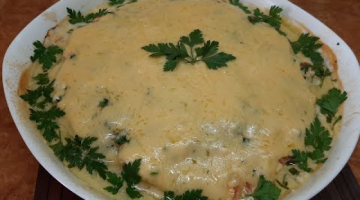
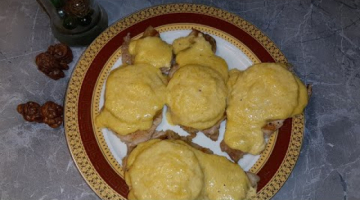
Cheese seals the top like a warm blanket, slowing evaporation and finishing the dish with that browned, stretchy bite we all chase.
This isn’t fancy-food energy. This is family-food energy - comforting, direct, and satisfying.
Ingredients
For a 9×13-inch baking dish (about 6 servings)
Pork - 1.5 lb (about 700 g)
-
Best choices in the U.S.: pork loin roast, pork sirloin roast, or boneless pork shoulder sliced into steaks
-
You want a piece that isn’t too lean. A little marbling = tenderness.
Onion - 2 medium, sliced into rings or half-rings
Tomatoes - 4 medium, sliced into rounds
-
Choose firm, meaty tomatoes if possible.
Cheese - 7 oz (about 200 g), grated
-
Great options: Gouda, Monterey Jack, mozzarella (for stretch), provolone, or a cheddar blend
-
If you like a sharper finish, add a little Parmesan on top.
Mayonnaise - about ¾ cup (roughly 200 g)
Sour cream - 3–4 tablespoons
-
Full-fat gives the best texture, but use what you have.
Garlic (optional) - 2–3 cloves, pressed or finely minced
Salt & black pepper - to taste
Fresh herbs - 1 small bunch (dill, parsley, or a mix)
You’ll also need:
-
Baking dish
-
Foil
Oven Temperature and Timing
Bake at 400–425°F for about 60 minutes (covered with foil)
Then add cheese and bake 10 minutes uncovered to brown and melt.
A small note that matters: ovens vary a lot. If your oven runs hot, stay closer to 400°F. If it runs cool, 425°F is your friend.
Choosing the Best Ingredients (So You Don’t Regret Anything Later)
Pork: what works best in American grocery stores
If you walk into a typical U.S. store, you’ll see labels like “pork loin,” “pork chops,” “pork shoulder,” “pork tenderloin,” and sometimes “pork sirloin roast.”
Here’s the truth:
-
Pork tenderloin is very lean. It can work, but it dries fast unless you reduce baking time.
-
Pork loin / pork chops are common and affordable. They work great in this dish if you keep them thick enough and bake under foil.
-
Boneless pork shoulder is more forgiving and juicy - especially if you want that “melt-soft” texture.
If you want the most reliable tenderness, pick a cut with some fat and marbling. Perfectly lean meat looks “healthy” in the package and then punishes you in the oven.
Tomatoes
Winter tomatoes can be watery and pale. If that’s what you’ve got, don’t panic - just choose the firmest ones. Roma tomatoes are often a solid choice for baking because they’re less watery.
Cheese
The best melting cheeses for this are the ones that don’t turn oily and harsh in high heat.
-
For stretch: mozzarella, provolone, Monterey Jack
-
For flavor: Gouda, cheddar blend, Parmesan (small amount)
A simple trick: do 70% mild melty cheese + 30% sharper cheese. The top becomes both elastic and flavorful, not flat.
Prep Work (Where Half the Success Lives)
1) Slice the meat correctly
Cut the pork into slices about ½ inch thick (1–1.5 cm), across the grain.
Then lightly pound it to about ⅓–½ inch thickness. Not paper-thin. Not shredded. Just enough to even it out so everything cooks evenly.
If you pound it too thin, the meat can overcook fast and lose its juiciness. This recipe is about tenderness, not dryness.
2) Mix the quick “no-wait” marinade sauce
In a bowl, combine:
-
mayonnaise
-
sour cream
-
half the garlic (if using)
-
salt, pepper
-
optional: a pinch of paprika for warmth and color
Coat each pork slice lightly. Stack them in a bowl while you prep the rest. Even 10–15 minutes makes a difference - not because of magic, but because the sauce clings, seasons, and starts softening the surface.
3) Tame the onion
Slice onions thin. If your onions are sharp and aggressive, pour boiling water over them for 15 seconds, then drain. The harsh bite disappears, but the sweetness stays - and sweetness is what you want in a baked dish like this.
4) Slice the tomatoes
Just slice into rounds about ¼ inch (0.5 cm) thick.
If you want a cleaner bite and a prettier layer, you can peel them. It’s optional. In the U.S., many people skip peeling and it’s totally fine.
5) Grate the cheese
Grate it on the large holes. Big shreds melt into a more appetizing top and are less likely to dry out into a tight crust.
Layering the Dish (Think: Warm Construction Project)
Step 1: Preheat the oven and warm the dish (optional but powerful)
Preheat your oven to 400–425°F.
If you have time, slide your empty baking dish into the oven for 3–4 minutes, then carefully pull it out and lightly grease it. A warm dish helps the meat start cooking immediately instead of slowly sweating in a cold pan.
This one detail can separate “juicy” from “why is it dry?”
Step 2: First layer - pork
Lay pork slices in a single layer, snug but not folded. Season with a little extra salt and pepper if needed.
Step 3: Sauce
Spread a spoonful of sauce on each slice. Not a mountain - just enough to coat.
Step 4: Onion blanket
Add onions generously, covering most of the meat. Overlap slightly like shingles on a roof - it helps hold moisture.
Step 5: Tomato layer
Add tomatoes on top, covering the onions. Lightly salt the tomatoes. That small pinch helps them release juice and taste brighter once baked.
Step 6: Repeat if needed
If your dish is deep and you have more meat, repeat: pork → sauce → onions → tomatoes.
Finish with tomatoes on top so the cheese melts evenly later.
Step 7: Foil seal
Cover tightly with foil. Make a couple of small holes with a toothpick so excess steam can escape, but keep the “steam bath” effect inside.
Baking: The Line Between Tender and Dry
Stage 1: Covered bake
Bake 60 minutes at 400–425°F, covered with foil.
Under foil, the dish is basically braising in its own steam and juices. The onions soften. The tomatoes give up liquid. The pork gently relaxes.
Stage 2: Cheese finish
Remove foil, sprinkle cheese over the top, return to oven 10 minutes uncovered.
You’re not trying to “cook” the meat now. You’re finishing the surface: melt, bubble, lightly brown.
Resting (don’t skip)
Turn off the oven, crack the door, and let the dish sit 5 minutes. This lets the juices settle so they don’t flood the plate the second you cut.
What’s Actually Happening Inside the Pan (A Little Food Science, No Lectures)
-
Collagen softens with time and heat, especially in slightly fattier cuts. That’s where the “tender enough to cut with a fork” feeling comes from.
-
Tomato acidity gently affects the proteins on the surface, helping the meat stay soft while adding brightness.
-
Cheese melts into a protective layer, reducing evaporation. That’s why the second stage is short: you want a cap, not a dry crust.
And one very practical U.S. note: many people aim for pork to be cooked to a safe internal temperature, then rested. If you use thick slices, you can check with a thermometer for peace of mind. If you don’t have one, the dish still works - just make sure the pork is fully cooked through and juices run clear.
Serving Ideas
Serve it hot (the classic)
Cut into portions and serve with something that loves sauce:
-
mashed potatoes
-
roasted baby potatoes
-
rice
-
buttered noodles
-
roasted vegetables (carrots, Brussels sprouts, zucchini)
And yes: spoon some of that tomato-onion juice over the side. That liquid is flavor.
Serve it cold (surprisingly good)
Chill completely, slice thin, and serve as a cold appetizer:
-
on a platter with greens
-
with pickles or olives
-
tucked into a sandwich with arugula
-
with a sharp mustard on the side
Cold, it becomes a different dish - firmer, cleaner, snackable.
Flavor Upgrades (Small Tweaks, Big Rewards)
1) Cheese blend trick
Use Gouda + a little Parmesan.
The top becomes stretchy but also nutty and rich.
2) Lighter sauce option
If you want it less heavy but still creamy:
-
Greek yogurt + a spoon of mayo
-
a squeeze of lemon
-
garlic, salt, pepper
You still get tenderness, just a fresher finish.
3) “Texas-style” spicy version (U.S. crowd-pleaser)
Add to the sauce:
-
a little chili paste or hot sauce
-
smoked paprika
Top with cheddar and green onions.
4) Mushroom version
Sauté sliced mushrooms until they release moisture and start browning, then layer them between meat and tomatoes. The dish becomes deeper and more earthy.
5) Chicken version (if you insist)
Use chicken thighs for the same juicy effect. Chicken breast can work, but reduce the covered bake time so it doesn’t dry out.
Common Questions
Can I make it without mayonnaise?
Yes. Use a sauce made from sour cream or Greek yogurt, plus a little mustard for flavor. You can add a beaten egg if you want a more “set” texture.
How do I stop the meat from drying out?
Three main fixes:
-
Don’t slice it too thin
-
Bake covered long enough
-
Don’t overdo the uncovered cheese stage
Also: choose a cut with at least a bit of fat. Lean meat is the fastest path to regret.
Can I prep it ahead?
Absolutely. Assemble the layers, cover, refrigerate up to overnight. Bake the next day. It’s honestly a great “company” dish because you do the work earlier.
What if my tomatoes are watery?
Use Roma tomatoes, or slice and lightly salt them, then let them sit 10 minutes and pat dry. You’ll still get moisture, just not a soup situation.
Storage and Reheating
Refrigerator: up to 3 days in a sealed container.
Freezer: up to 2 months (best frozen in portions).
Reheat (best method):
-
Oven: 300°F for 10–15 minutes, covered
-
Microwave: works, but the cheese can turn rubbery if overheated - go gentler than you think.
Lunch trick: chilled slices in a crusty roll with greens = a very satisfying sandwich.
Approximate Nutrition (Per Serving, about 250 g)
This depends heavily on your pork cut and cheese choice, but a typical portion lands around:
-
Calories: ~500–600
-
Protein: ~35–45 g
-
Fat: ~30–45 g
-
Carbs: ~5–10 g
If you want to lighten it, reduce cheese slightly and swap part of the mayo for yogurt.
The Beginner Mistake That Ruins It Most Often
People put everything into a cold dish, into a not-fully-preheated oven, and wonder why the meat turns out dry at the edges and pale on top.
When heat ramps slowly, meat starts releasing moisture before it “sets.” That moisture doesn’t magically stay inside - it escapes into the pan.
Preheat the oven properly. Cover tightly. Let the dish bake in its own steam. That’s how you get the soft, juicy texture this recipe is famous for.
Final Note: Why You’ll Make This Again
This dish isn’t complicated. It doesn’t require rare ingredients. It doesn’t demand perfect knife skills.
But it rewards attention. The thickness of the slices. The foil seal. The short, hot cheese finish. Those little choices decide whether you get “just baked pork” or that tender, juicy, fragrant, almost-melting result that makes people stand near the oven like it’s a campfire.
Make it once the careful way - and you’ll understand why it becomes a repeat recipe.