How to make stewed potatoes taste twice as good (the cozy, American-kitchen version)
There are dishes that don’t need hype. They just work. A pot on the stove, a lid slightly fogged from steam, the smell of onions turning sweet, meat getting browned, potatoes slowly surrendering into tenderness. You walk through the house and you instantly know: dinner is going to feel like a warm blanket.
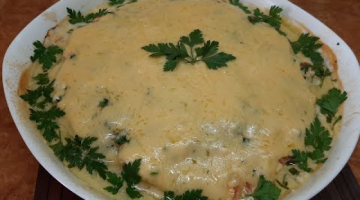
Today we’re making milk-braised potatoes with pork-a simple, old-school idea with a surprisingly modern result. The milk doesn’t make the dish “milky” in a weird way. Instead, it builds a gentle, velvety sauce and pushes the flavor deeper: more round, more comforting, more “one more spoonful.”
This is the kind of recipe you cook once, then keep in your regular rotation because it’s practical: one pot, everyday ingredients, and the leftovers reheat like a dream.
Quick Recipe Snapshot
Best for: weeknight dinners, meal prep, cozy weekends
Time: about 1 hour 10 minutes total (hands-on: ~20 minutes)
Servings: 4–6
Texture: tender potato cubes + juicy pork + creamy savory sauce
Flavor: browned meat + sweet onion/carrot + black pepper + bay leaf
Ingredients (US-friendly)
Main ingredients
-
Pork (pork shoulder / pork butt, or pork loin if you want it leaner): 1.1 lb (about 500 g)
-
Potatoes (Yukon Gold recommended): 2.2 lb (about 1 kg)
-
Onion: 1 medium
-
Carrot: 1 medium
-
Milk (2% or whole): 2 cups (about 500 ml)
-
Neutral oil (canola, avocado, sunflower): 1 tbsp
-
Salt: to taste
-
Black pepper (freshly ground is best): to taste
-
Bay leaf: 1
Optional but smart
-
Dijon mustard: 1 tsp (sounds strange, tastes right)
-
Fresh herbs (thyme, rosemary, parsley, dill): a little handful
-
Butter: 1 tbsp (for finishing, if you want extra richness)
Why Milk Makes Potatoes Better (without getting weird)
If you’ve never braised potatoes in milk, you might raise an eyebrow. Fair. But here’s what happens in the pot-simple kitchen science, no lecture.
1) Creamy texture without heavy cream
Milk brings protein + a little fat, which naturally thickens the cooking liquid into a soft sauce. You don’t need flour. You don’t need cornstarch. You just need time and gentle heat.
2) A deeper, warmer flavor
Long simmering creates subtle browning reactions (yes, the same family of “browned flavor” that makes toast taste like toast). Milk contains lactose, which can develop gentle caramel-like notes as it cooks slowly-nothing sweet, just more layered.
3) The potatoes turn tender in a special way
Potatoes simmered in water can be tasty, but milk makes them feel more “finished.” Like they’ve been hugged. The cubes soften and become creamy inside, while still holding their shape if you choose the right potato and keep the heat low.
Choosing the Best Ingredients (the dish is simple, so details matter)
Pork: what cut should you use?
-
Best choice: pork shoulder / pork butt (yes, “butt” is shoulder-American butcher logic).
It has enough fat and connective tissue to turn tender and juicy during braising. -
Lean option: pork loin
It’s fine, but it can dry out if you rush the process or cook too aggressively. -
Flavor upgrade: a few small pieces with a little fat cap included. Not a lot. Just enough to carry flavor.
What to look for: pink meat, no sour smell, firm texture, small streaks of fat (good sign).
Potatoes: the difference between “perfect cubes” and “mash accident”
-
Best: Yukon Gold
Creamy, holds shape, tastes naturally buttery. -
Also good: red potatoes
Firmer texture, very stable. -
Be careful with: russet
Delicious, but can break down easily-works if you like a more stew-like, thick texture.
Milk: which kind behaves best?
-
2% or whole is the sweet spot.
Skim milk can separate more easily and the sauce can look thin or slightly grainy. -
If you only have skim: add 1 tsp butter or a splash of half-and-half to stabilize it.
Onion + carrot: not decoration-this is your sweetness and backbone
The onion melts into the sauce. The carrot adds color and gentle sweetness that makes the whole pot taste more balanced.
Equipment You’ll Want
-
A heavy-bottomed pot (Dutch oven is perfect) OR a sturdy saucepan
-
A large skillet (optional, but helpful if your pot is not great for browning)
-
Cutting board + knife
-
Lid that fits well
If your pot is thin and you’ve burned milk-based dishes before: use the lowest heat and stir once or twice during cooking. This recipe rewards patience.
Prep (mise en place, but without the fancy attitude)
-
Cut the pork into cubes about 1 inch (2–2.5 cm).
Not tiny. Small cubes dry out faster. -
Dice the onion medium.
Too large = crunchy onion chunks. Too small = burns quickly. -
Grate or finely shred the carrot.
This helps it melt into the dish instead of sitting there like orange sticks. -
Peel and cube the potatoes into 1.25–1.5 inch pieces (3–3.5 cm).
Big cubes = they stay intact and feel satisfying.
Tip: If you cut potatoes early, keep them in cold water so they don’t darken. Drain well before adding.
Step-by-Step Recipe: Milk-Braised Potatoes with Pork
Step 1: Brown the pork (about 5 minutes)
Heat a pot or deep skillet over medium heat. Add 1 tbsp oil.
Add the pork in a single layer. Season right away with salt and black pepper. Cook about 5 minutes, stirring occasionally, until the edges start to brown.
Important: Don’t crowd the pan. If you dump all the meat in at once, it will steam and release liquid. Brown it in two batches if needed. Browning is the first “big flavor” step.
Step 2: Add onion and carrot (about 5 minutes)
Add the onion and carrot to the browned pork. Stir often.
Cook until the onion looks soft and glossy and the carrot releases its color. You’re not trying to fully cook the vegetables. You’re building a sweet base and scraping up the browned bits.
Step 3: Move to a braising pot (if needed)
If you browned in a skillet, transfer everything into a heavy-bottomed pot.
Step 4: Add potatoes
Drain the potatoes well. Shake off excess water and add the cubes on top of the meat and vegetables.
Step 5: Add warm milk + seasoning
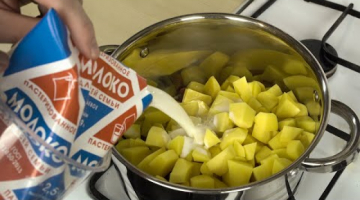
Warm the milk until it’s hot but not boiling-think “steaming mug,” not “rolling boil.” That’s roughly 140°F–160°F (60°C–70°C).
Pour the warm milk into the pot. Add another pinch of salt and black pepper.
Optional (but excellent): stir in 1 tsp Dijon mustard.
It won’t taste like mustard. It just deepens the savory profile and helps everything feel more “complete.”
Step 6: Low and slow simmer (50–60 minutes)
Cover with a lid. Set heat to very low-the sauce should barely simmer.
Cook for 50–60 minutes, until potatoes are tender all the way through.
Do not boil aggressively.
Hard boiling can make milk proteins rise and separate, and it can break the potatoes apart too fast. Gentle heat is your best friend.
Step 7: Bay leaf at the end
Add 1 bay leaf about 2 minutes before turning off the heat.
Then turn the heat off, keep the lid on, and let the pot rest 10 minutes.
This resting time is not optional if you want the sauce to settle and the flavors to blend.
The “Small Secrets” That Make It Taste Restaurant-Level
1) Don’t use bouillon cubes here
You don’t need them. Browned meat + onion + milk simmer = naturally rich taste.
2) Warm milk is a quiet superpower
Cold milk shocks the pot and can separate faster. Warm milk blends in smoothly.
3) Pepper matters
Freshly ground black pepper gives a floral bite that makes creamy dishes pop. Pre-ground pepper tastes flat by comparison.
4) Add herbs with intention
-
Thyme: earthy and calm
-
Rosemary: stronger, piney (use less)
-
Dill or parsley: bright finishing touch
If you add thyme/rosemary, do it in the first 15 minutes.
If you add dill/parsley, do it at the end.
5) Want a slightly smoky flavor without anything artificial?
If you have it, cook the pork in a tiny bit of rendered fat (like bacon drippings). Not mandatory-just a cozy option.
Flavor Variations (same method, different mood)
Variation 1: Chicken + milk (lighter, still comforting)
Swap pork for boneless chicken thighs. Cook time can drop slightly. Thighs stay juicy and love the creamy sauce.
Variation 2: Beef + richer result
Use beef chuck and increase simmer time to 1.5–2 hours on very low heat, adding milk gradually and watching the pot. The payoff is deep, stew-like comfort.
Variation 3: Potato + celery root mix (more aromatic)
Replace half the potatoes with celeriac (celery root).
It adds a gentle sweetness and a subtle “grown-up” flavor without being loud.
Variation 4: A little heat
Add a pinch of smoked paprika or red pepper flakes. Creamy dishes love a bit of edge.
Serving Ideas: Turn It Into a Real “Family Dinner Moment”
This dish is best served hot-right when the sauce is silky and the potatoes are at their peak.
Classic serving
-
Sprinkle with fresh dill or parsley
-
Add a small pat of butter on top and let it melt
What to serve on the side (American-friendly)
-
Quick cucumber salad (cucumber, salt, pepper, a little vinegar)
-
Pickles or pickled vegetables (the acidity balances the creaminess)
-
A simple green salad with a tangy dressing
-
Crusty bread to scoop the sauce (dangerously good)
For kids
Keep the pepper mild, skip rosemary, and finish with butter.
If you want to stretch the meal: serve with a small side of simple meatballs or roasted veggies.
Nutrition Notes (approximate, per serving)
For a serving around 12 oz / 350 g:
-
Calories: ~420
-
Protein: ~23 g
-
Fat: ~18 g
-
Carbs: ~38 g
-
Fiber: ~4 g
Potatoes are filling because of their volume, fiber, and starch structure, and they pair well with protein for a satisfying meal. Milk contributes calcium and helps the sauce feel rich without needing heavy cream.
(Exact numbers vary based on pork cut and milk type.)
Storage and Reheating (so leftovers stay good)
Refrigeration
Store in an airtight container for up to 2 days.
Reheating (best method)
Reheat gently on the stove over low heat. Add a splash of milk or water and stir.
Microwave works too, but use medium power and stir halfway through.
Freezing
You can freeze it, but milk-based sauces can separate slightly after thawing.
It’s still safe and tasty-just reheat slowly and add a little warm milk while stirring to bring it back together.
FAQ
Can I use skim milk?
Yes, but it’s more likely to look thin or slightly separated. Add a small knob of butter or a splash of half-and-half to stabilize.
Will the potatoes taste sweet?
Not sweet like dessert-just slightly rounder and deeper. More “comfort,” less “flat.”
How do I prevent scorching?
Use a heavy-bottomed pot, keep heat low, and stir once or twice during cooking. Also make sure the milk level is enough to keep potatoes mostly covered.
Can I use goat milk?
You can. It has a distinct flavor. If you love it, great. If you’re unsure, use regular milk first.
Can I skip browning the meat?
You can, but the dish will lose a lot of depth. Browning is the difference between “fine” and “I need this again.”
What can replace bay leaf?
A pinch of dried thyme, a few peppercorns, or nothing at all. Bay leaf is subtle, but it rounds the finish.
How much salt should I use?
A practical baseline: start with 1 tsp kosher salt for the whole pot, then adjust near the end. Salt needs time to dissolve and distribute, so don’t overdo it early.
Final Notes
Milk-braised potatoes with pork is humble food done with care. The technique is easy, but the result feels like someone took time. Brown the meat, keep the simmer gentle, and let the pot rest at the end-those three things are what turn basic ingredients into something you’ll remember.
Make it once exactly as written. Then, the next time, play: change the herbs, try chicken thighs, add a teaspoon of Dijon, swap potato types, or throw in a handful of mushrooms. The method stays steady. The personality of the dish changes-like a classic song played in a new key.