Spiral Baked Cabbage Rolls (“Snail” Rolls) - Cozy, Saucy, Oven-Finished Comfort Food
Homemade cabbage rolls have a special kind of gravity. They pull you toward the kitchen on the exact days when the weather is moody, everyone is hungry right now, and a humble head of cabbage is sitting in the fridge like it’s waiting for a purpose. Classic cabbage rolls are already a family legend across Eastern Europe, but today we’re giving them a small, modern twist that feels both playful and practical: cabbage rolls shaped into tight spirals, baked in the oven, and finished in a rich tomato sauce.
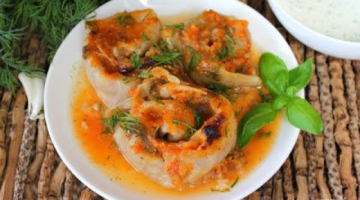
They come out tender, juicy, and a little dramatic in the best way. When you slice or lift one out, you can actually see the layers-cabbage, filling, rice-like a neat little swirl. It looks like extra effort, yet it’s surprisingly straightforward once you know the rhythm.
This recipe is written for a U.S. home kitchen, with familiar measurements, easy substitutions, and a few calm, real-world tips that keep dinner from turning into a wrestling match with cabbage leaves. And yes: we keep the storytelling and structure, but make it read naturally in American English-like a person wrote it, cooked it, and learned a couple things along the way.
Why Spiral Cabbage Rolls Work So Well
Traditional cabbage rolls are usually folded into tight bundles. Spirals do three useful things:
-
They cook evenly. The filling is distributed in a thinner layer, so you’re less likely to get a raw rice surprise.
-
They hold sauce beautifully. The ridges and curves catch tomato sauce like it’s their job.
-
They look impressive without being fussy. You can line them up in a baking dish and suddenly dinner feels “company-worthy,” even if the company is just your family and a very judgmental weekday.
If you like food that’s cozy, practical, and still a little bit of a show-this is it.
Ingredients for Spiral Baked Cabbage Rolls
This makes about 6–8 servings, depending on appetites and what you serve on the side.
For the rolls
-
1 medium green cabbage (about 2–3 lb)
-
10–12 oz lean ground beef (or grind beef yourself from a lean cut)
-
1/2 cup uncooked rice (medium-grain is ideal; see notes below)
-
1 medium yellow onion, finely chopped or grated
-
1 medium carrot, finely grated
-
2–3 tbsp sunflower oil (or neutral oil like canola/vegetable)
-
Salt, to taste (start with about 1 tsp total for filling + sauce)
-
1 tsp dried Italian herbs (or “herbes de Provence” style blend)
-
1 bay leaf
-
1 small bunch fresh herbs (dill and parsley are the classic “right answer” here)
For the sauce and baking liquid
-
1 1/2 to 2 cups tomato sauce (plain tomato sauce or passata-style)
-
1/2 to 1 cup hot water or broth (you’ll use enough to come halfway up the rolls)
Optional but very good
-
2 cloves garlic, minced (for the sauce)
-
1 tsp honey or brown sugar (if your tomato sauce is very sharp)
-
Pinch of red pepper flakes (if you like a gentle kick)
-
1 tsp balsamic vinegar (for depth; optional, not mandatory)
Choosing the Best Cabbage (This Matters More Than People Admit)
For cabbage rolls, you want a head of cabbage that’s:
-
Medium-sized, not giant. Giant heads often have thick ribs that fight back.
-
Heavy for its size. That usually means the leaves are tighter and more pliable once blanched.
-
Not old and dry. Old cabbage can tear easily and needs longer blanching.
Green cabbage is the classic choice in the U.S. and it behaves well. Savoy cabbage is even more tender and flexible-if you find it, it’s a dream for rolls-but green cabbage is perfectly right.
Rice: The Small Detail That Controls Texture
Use uncooked rice. It will finish cooking inside the rolls while baking, soaking up flavorful juices.
-
Medium-grain rice is ideal: it becomes tender but doesn’t disintegrate.
-
Long-grain works too, but it can stay a bit firmer unless you add enough baking liquid.
-
Jasmine is okay in a pinch-slightly more fragrant, still tasty.
-
Avoid instant rice for this; it can turn mushy.
The goal is rice that feels tender, not paste-like.
Step 1: Soften the Cabbage Leaves Without Tearing Them
How to blanch the cabbage
-
Bring a large pot of water to a boil. Salt it lightly (think pasta water, but less aggressive).
-
With a sharp knife, cut out the core (the tough cone in the center). Don’t overthink it-just remove the hardest part.
-
Lower the whole cabbage into boiling water. Blanch 5–7 minutes, turning it if needed.
-
As the outer leaves soften, peel them off one by one using tongs.
-
Keep blanching the cabbage as needed to release more leaves.
The rib trick
Once you have leaves, place each leaf on a cutting board and shave down the thick center rib. Don’t cut the leaf in half (yet). Just thin the rib so it bends easily. This is the difference between a roll that behaves and a roll that splits out of spite.
Set leaves aside to cool slightly.
Step 2: Make the Filling (Quick Sear = Better Flavor)
This filling is simple, but it benefits from one small move: a brief sauté.
-
Heat 2–3 tbsp oil in a skillet.
-
Add onion and carrot. Sauté 2–3 minutes until fragrant and slightly softened.
-
Add the ground beef. Cook 2–3 minutes, breaking it up, just until it loses the raw color.
-
You’re not fully cooking it here. You’re waking up the flavor and keeping the texture juicy.
-
Transfer to a bowl and let it cool for a minute.
-
Rinse the rice until the water runs mostly clear, then drain.
-
Add rice to the bowl with the beef mixture.
-
Season with salt and dried herbs. Add chopped fresh herbs if you want them inside the filling (save some for garnish too).
-
Mix gently but thoroughly.
You should end up with a filling that smells like dinner already.
Step 3: Shape the Spiral “Snails”
This is the fun part. And it’s not hard-it’s just different.
-
Take one cabbage leaf and lay it smooth side down, inner side up.
-
Cut the leaf lengthwise in half (two long halves). This makes the spiral tighter and more uniform.
-
Place 1 to 1 1/2 tablespoons of filling near the wider end of the half-leaf.
-
Roll it into a snug tube-tight enough to hold, not so tight it tears.
-
Now coil that tube into a spiral, starting from one end and rolling it around itself like a cinnamon roll.
Place the spiral seam-side down in a deep baking dish.
Repeat until you’ve used your leaves and filling. Pack the spirals fairly close together. They like company-it helps them keep shape.
A practical note
If a leaf tears: overlap pieces like shingles. Once baked and sauced, nobody will care. The sauce is forgiving, and the rolls hold together better than you expect.
Step 4: Set Up the Baking Dish the Smart Way
You want a gentle, moist bake so the cabbage doesn’t dry out.
-
Preheat the oven to 400°F.
-
Add hot water or broth to the baking dish until it comes about halfway up the spirals.
-
This creates a steamy environment that keeps cabbage tender and helps the rice cook evenly.
-
Cover the dish tightly with foil.
Bake at 400°F for 20 minutes.
Step 5: Tomato Sauce That Tastes Like It’s Been Cooking All Day
While the rolls start baking, make the sauce. Use the same skillet if you can-those browned bits matter.
-
Pour in tomato sauce.
-
Add bay leaf, a pinch of salt, and optional garlic.
-
Simmer 3–5 minutes, stirring, until it tastes rounder and less sharp.
-
If it’s too acidic, add a small spoon of honey or brown sugar-just enough to balance.
-
Optional extras:
-
Red pepper flakes for warmth
-
A small splash of balsamic for depth
-
Turn off heat and remove the bay leaf if you want (or leave it and fish it out later).
Step 6: The Two-Stage Bake That Makes Everything Tender
After the first 20 minutes:
-
Remove the dish from the oven.
-
Carefully remove foil (steam is real-don’t lean in).
-
Pour the hot tomato sauce over the spirals.
Lower oven temperature to 350°F.
Bake another 20 minutes, uncovered or loosely tented (your call):
-
Uncovered = slightly thicker sauce, more caramelized edges
-
Tented = maximum tenderness and moisture
Then bake 10–15 minutes more to finish and let the sauce thicken a bit.
How to know it’s done
-
Rice should be tender.
-
Cabbage should cut easily with a fork.
-
The center should be hot throughout (no cool spots).
Let the dish rest 10 minutes before serving. This is not optional if you want clean spirals instead of a saucy collapse. Resting lets everything settle and reabsorb.
Serving Suggestions for a U.S. Table
These spirals are flexible. Serve them like comfort food or dress them up.
Classic and cozy
-
A dollop of sour cream
-
Fresh dill and parsley
-
Rye bread or crusty bread
Lighter, still satisfying
-
Greek yogurt mixed with garlic + lemon + salt
-
A simple cucumber salad
-
Roasted green beans
More “weeknight American”
-
Mashed potatoes
-
A side of buttered noodles
-
A simple green salad with vinaigrette
And yes, you can put extra sauce on top. People always want extra sauce.
Nutrition Estimate (Per Serving, Approx.)
Serving size is roughly 1 spiral portion (about 7–8 oz / 200–230 g), depending on how you portion it.
-
Calories: ~240–320
-
Protein: ~16–22 g
-
Fat: ~8–14 g
-
Carbs: ~22–30 g
-
Fiber: ~3–5 g
This varies based on the fat content of your beef, how much sauce you use, and whether you serve it with sour cream (which… let’s be honest… you probably will).
Variations and Easy Adaptations
1) Turkey Spiral Cabbage Rolls
Swap beef for ground turkey. Add an extra tablespoon of oil or a spoon of yogurt to the filling so it stays juicy. Turkey can be lean and a little dry if you don’t support it.
2) Vegetarian / Meatless Version
Use:
-
sautéed mushrooms + onions + carrots
-
cooked lentils or chickpeas
-
a bit of rice or bulgur
Season boldly-smoked paprika and thyme work beautifully here.
3) Spicy, Smoky Twist
Add:
-
smoked paprika
-
chipotle powder (or a spoon of adobo sauce if you have it)
-
a pinch of cumin
You’ll get a deeper, smoky flavor that feels oddly natural with cabbage and tomato.
4) “Comfort Deluxe” Sauce Finish
Stir a handful of grated Parmesan into the sauce during the final 10 minutes. It melts into a slightly creamy, savory top layer. Not traditional. Very effective.
Make-Ahead, Storage, and Freezing
In the fridge
-
Store cooked spirals in an airtight container for up to 3 days.
-
Reheat covered in the oven at 325°F until hot, adding a splash of water if the sauce thickened too much.
Freezing (best method)
Freeze unbaked spirals:
-
Arrange spirals on a parchment-lined tray and freeze until firm.
-
Transfer to a freezer bag or container.
-
Freeze up to 2 months.
Bake from frozen:
-
Add about 15–20 minutes to the covered baking time.
-
Make sure you have enough hot liquid in the dish so the rice cooks through.
You can also freeze cooked rolls, but the cabbage can soften a bit more after thawing. Still tasty, just less “perfect spiral.”
Troubleshooting: What Usually Goes Wrong and How to Fix It
“My cabbage leaves keep tearing.”
-
You didn’t blanch long enough, or the cabbage is older and stiffer.
-
Fix: blanch a little longer and shave the rib thinner.
-
Emergency fix: overlap leaf pieces. Sauce will glue everything together.
“The rice is still hard.”
-
Not enough liquid in the dish, or the dish wasn’t covered tightly at the start.
-
Fix: add hot water/broth, cover tightly, and bake 10–15 more minutes.
“The rolls are dry.”
-
Not enough liquid, or baked uncovered too long.
-
Fix: keep the first stage covered and make sure liquid reaches halfway up the spirals.
“The sauce tastes too acidic.”
-
Tomato brands vary wildly.
-
Fix: a small spoon of honey/sugar, or a splash of cream/sour cream stirred into the sauce at the end.
Frequently Asked Questions
Can I use red cabbage?
You can, but it’s firmer and the color will shift as it cooks. You’ll need longer blanching, and the flavor is a bit more assertive. Green cabbage is easier and more traditional for this style.
Can I skip browning the beef?
You can, but you lose flavor. That quick 2–3 minute sauté builds a savory base and keeps the filling from tasting flat. It’s one extra step that pays you back.
Can I use cooked rice instead of uncooked?
You can, but you’ll need to adjust moisture so it doesn’t turn mushy. Uncooked rice is more reliable here because it absorbs juices gradually while baking.
What’s the best tomato sauce for this?
Use a plain tomato sauce you’d happily eat. If it’s very acidic, balance it slightly. If it’s bland, season it confidently. This dish is simple, so the sauce quality shows.
Final Notes: A Little Warmth in Every Spiral
When you pull a pan of spiral cabbage rolls from the oven, you’re not just making dinner. You’re making one of those “this smells like home” meals-the kind that quiets the room for a minute, because everyone is suddenly focused on the important things: warmth, sauce, and the first bite.
These spirals are tender, juicy, and surprisingly elegant for something built from cabbage, beef, and rice. They’re also forgiving. You can tweak the filling, swap proteins, adjust the sauce, make them spicier, make them lighter-this recipe doesn’t punish creativity.
And that’s the point. Real home cooking isn’t fragile. It’s flexible, comforting, and meant to be repeated until it becomes yours.